US Dollar
 Euro
Euro
 Australian Dollar
 Canadian Dollar
 Polish Zloty
 British Pound



Product Description
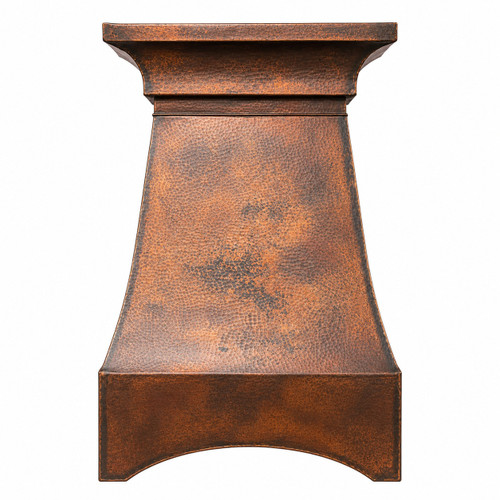
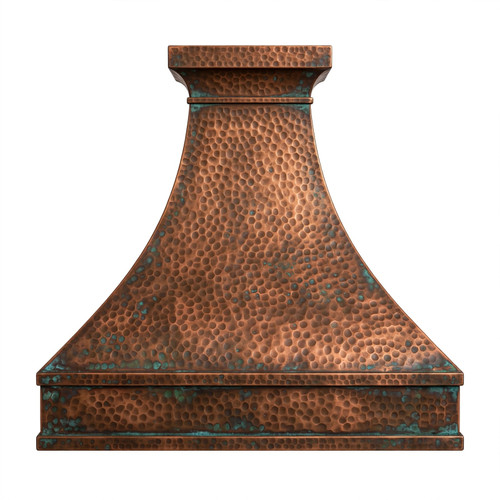
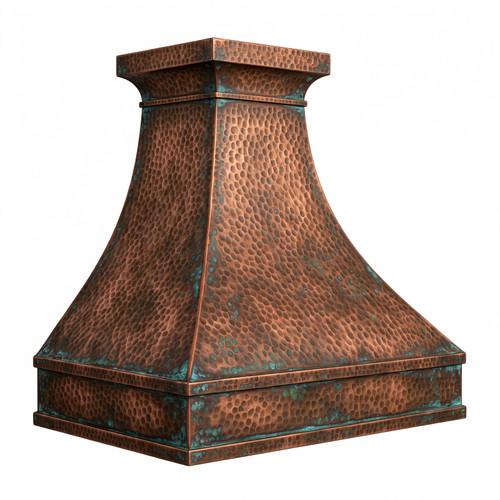
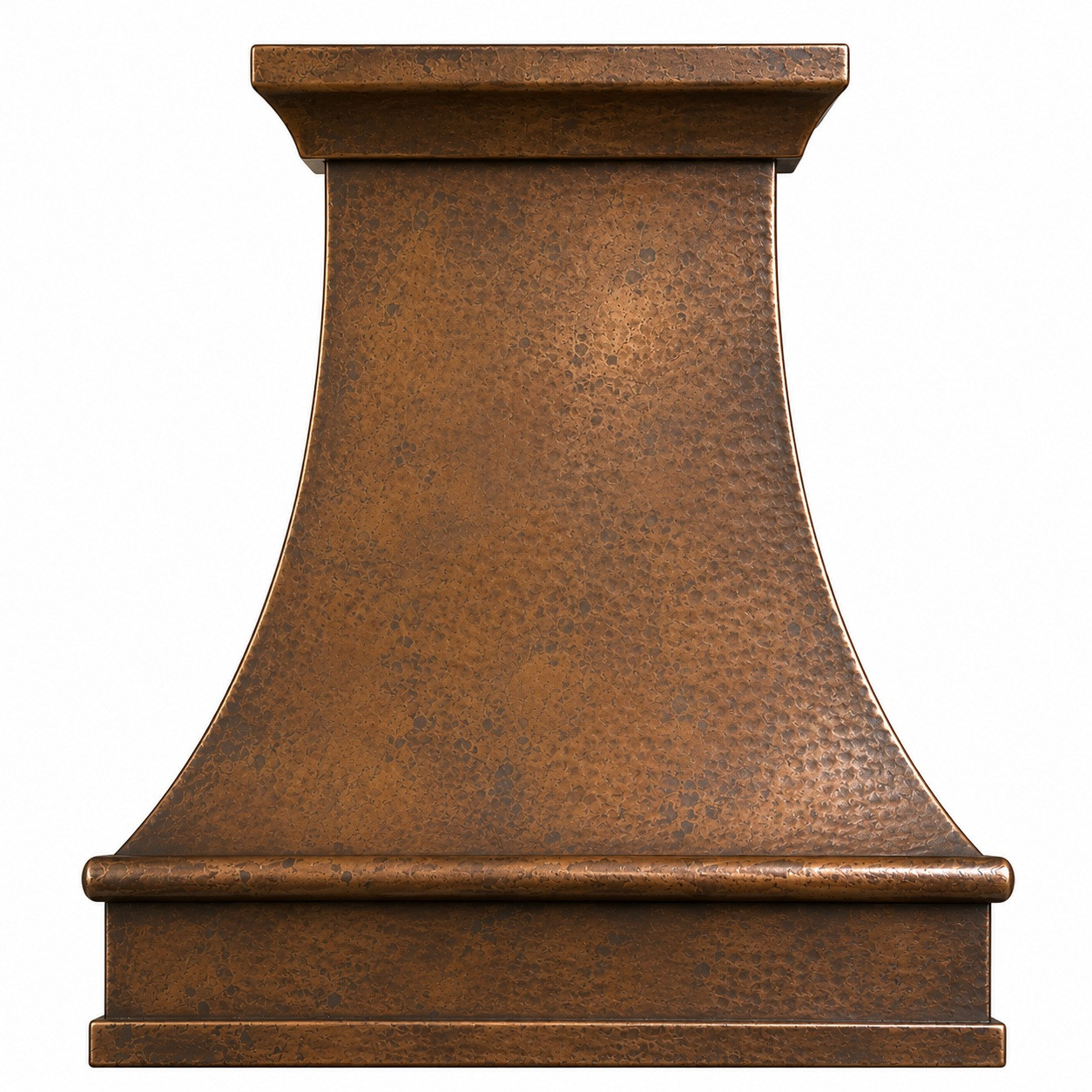
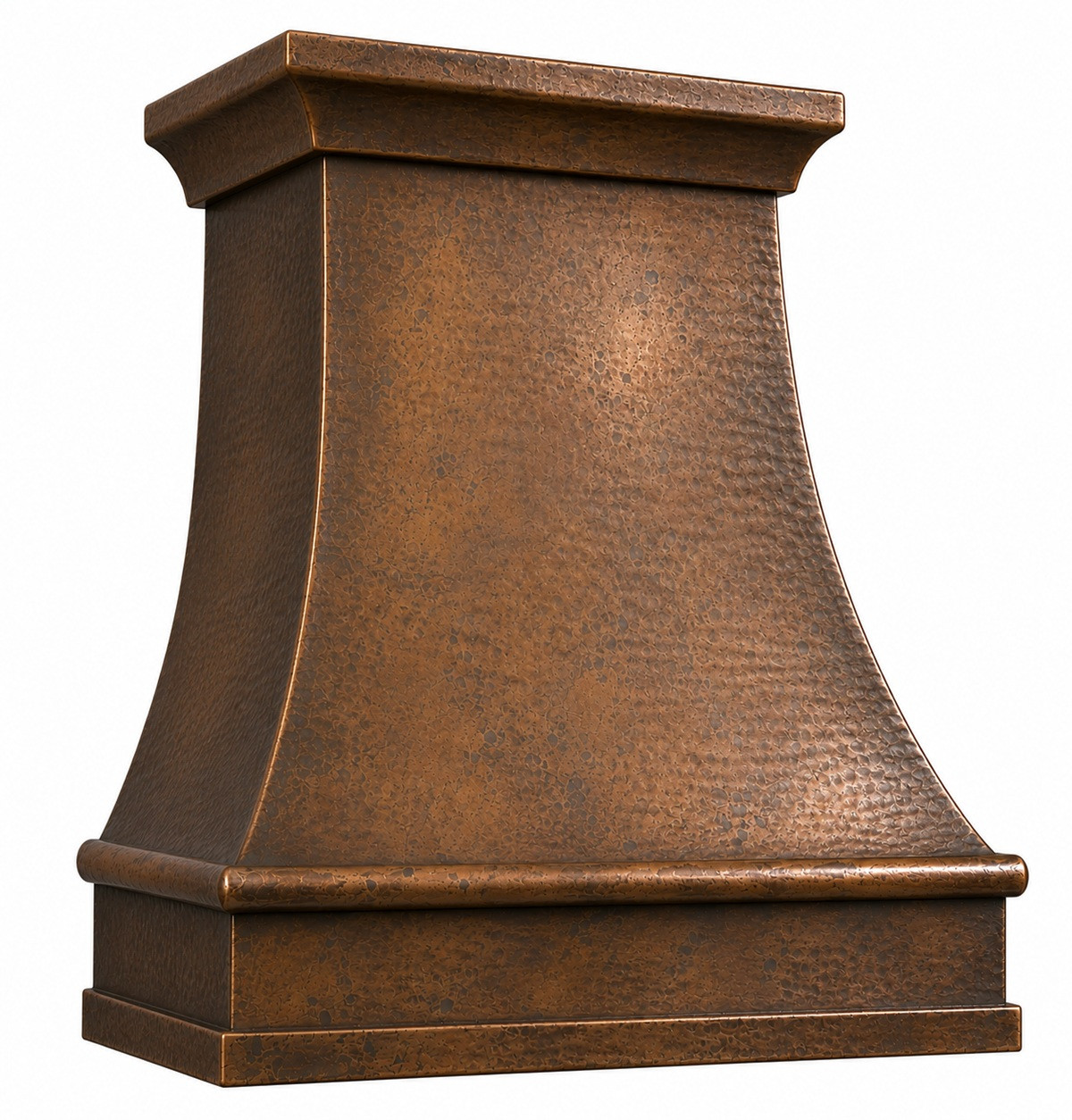
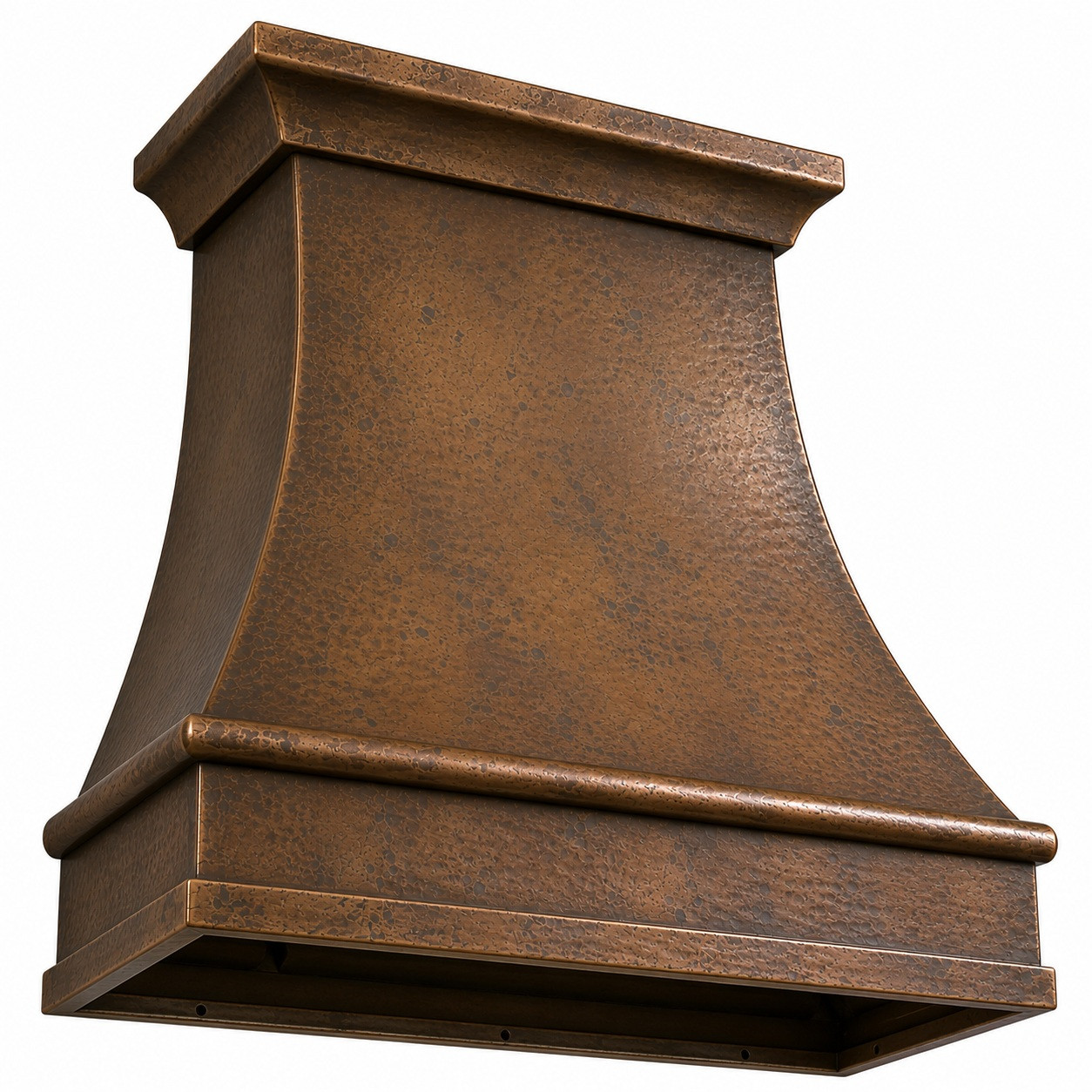
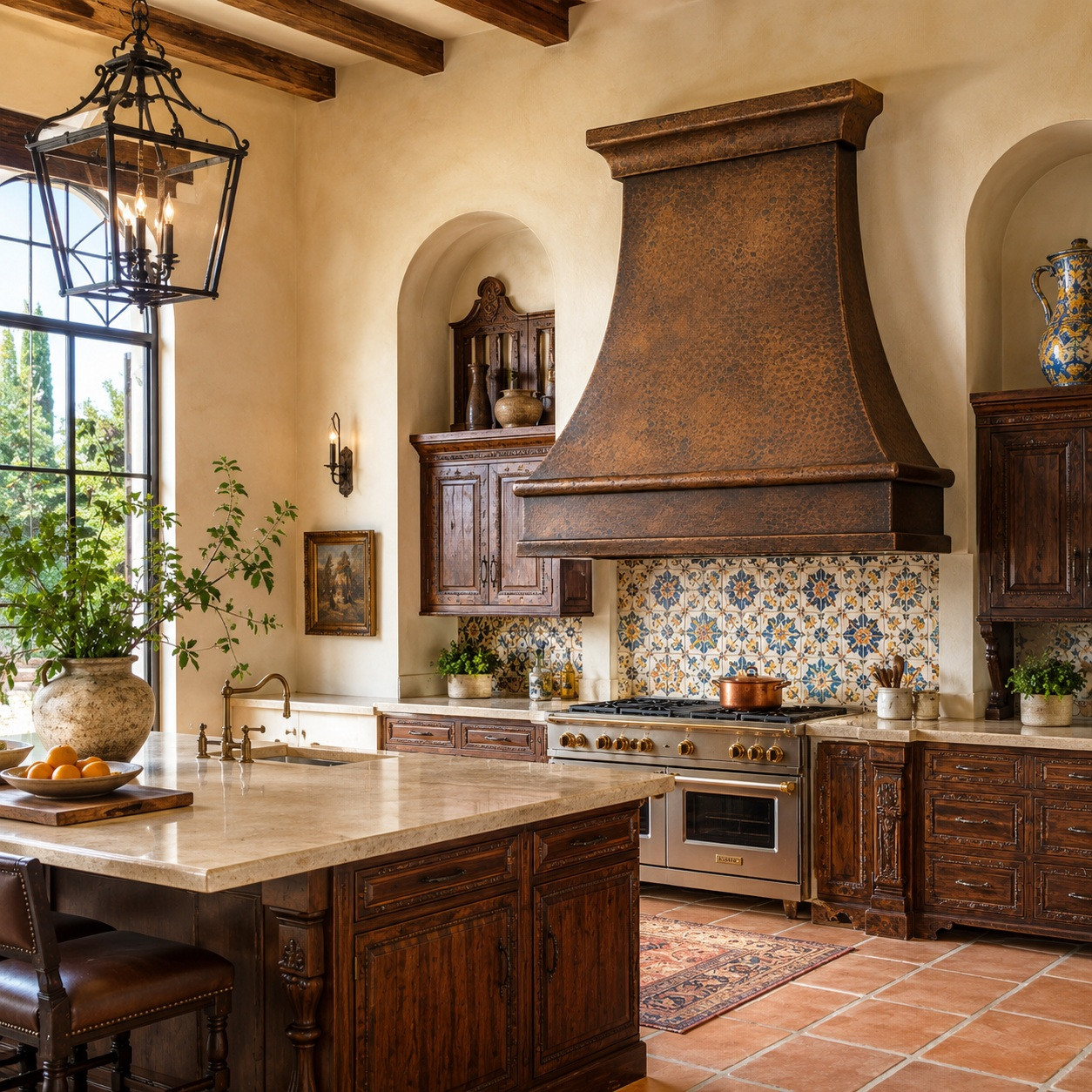
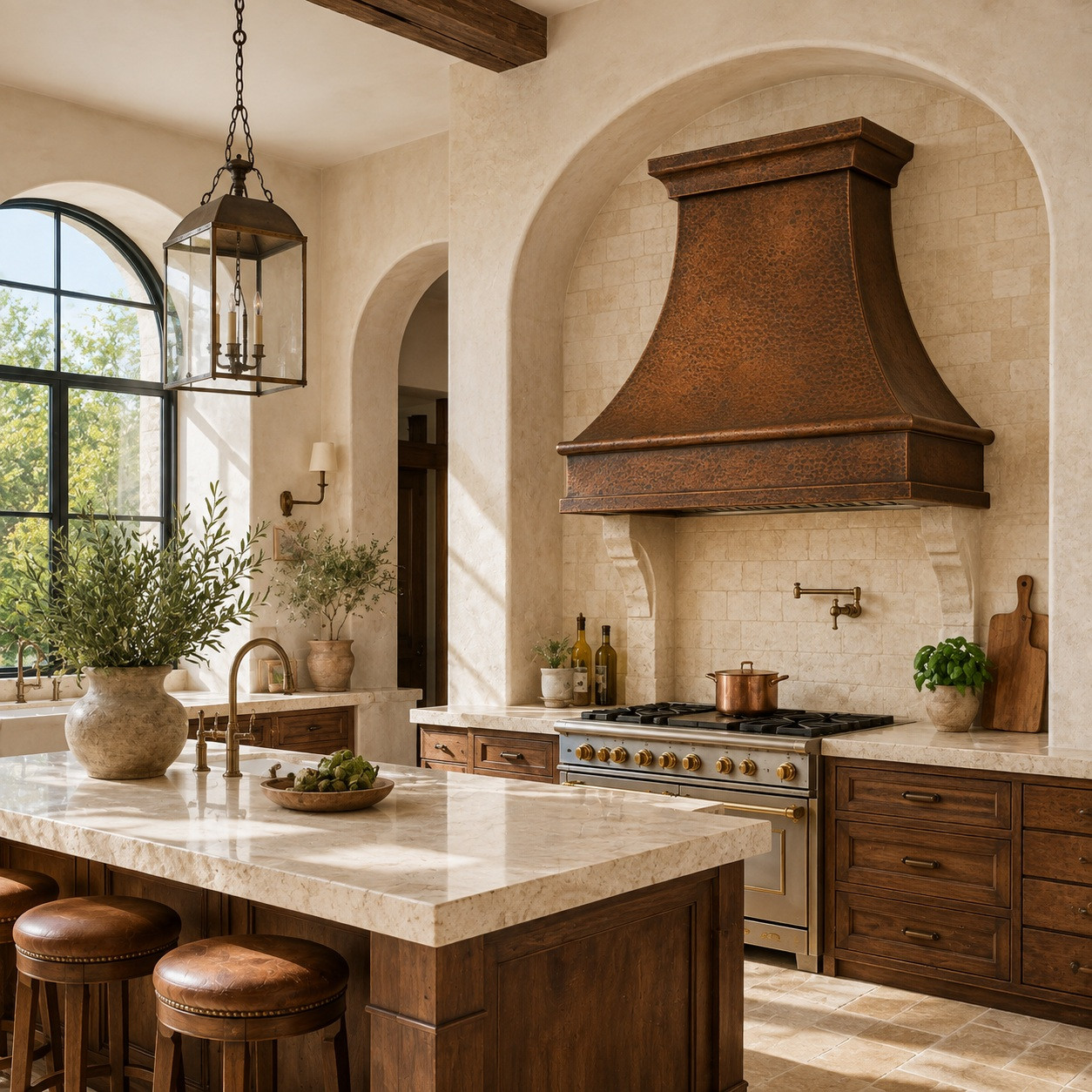
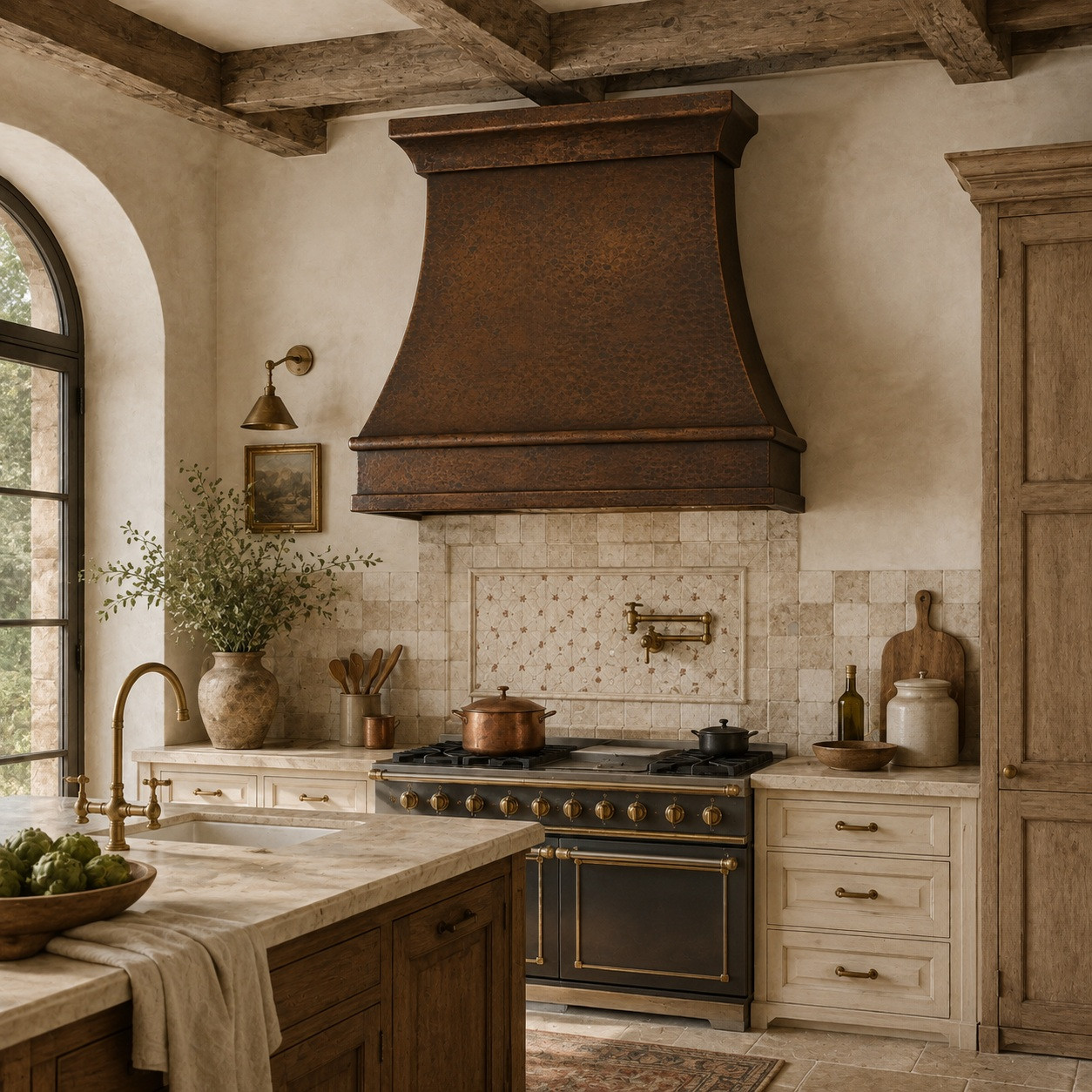
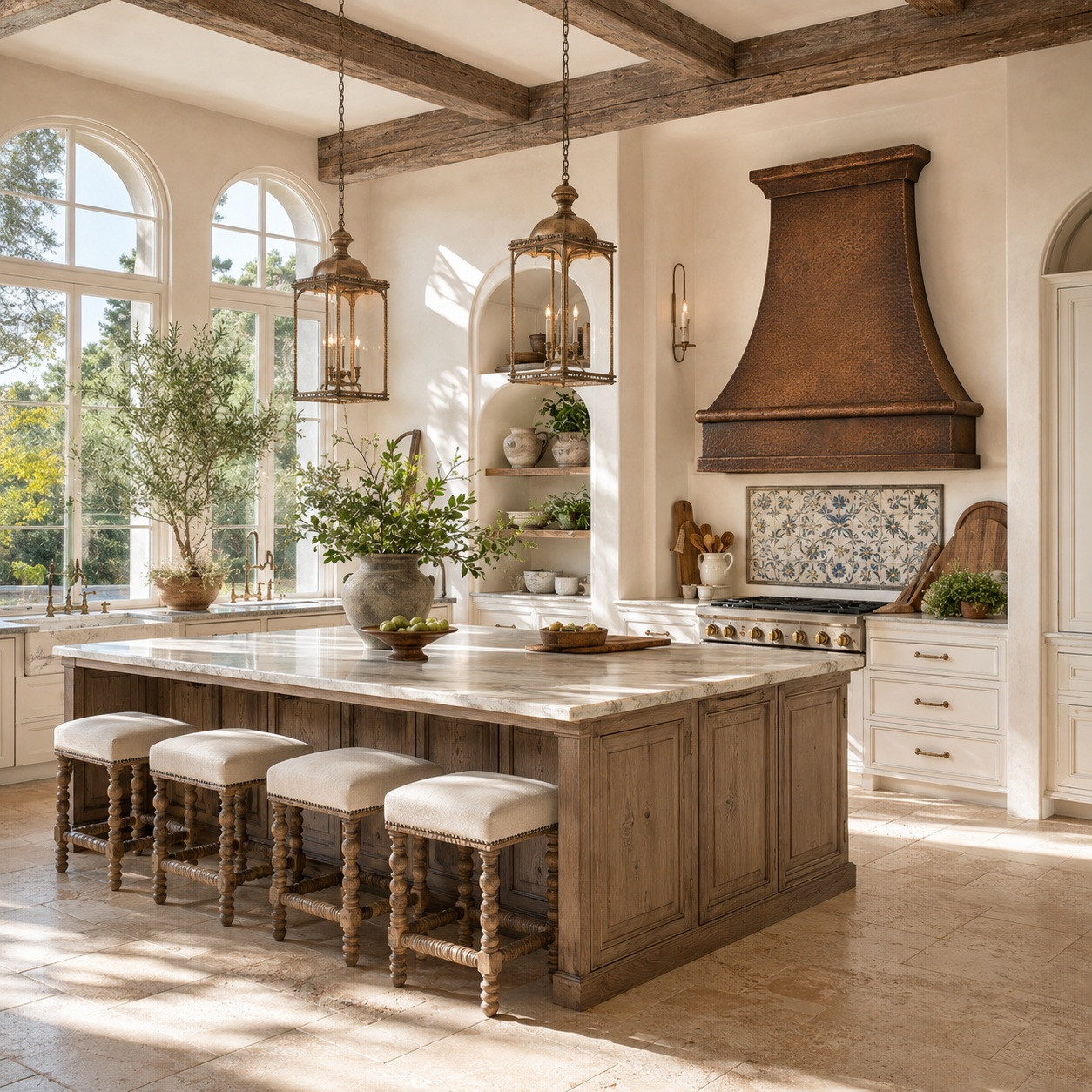
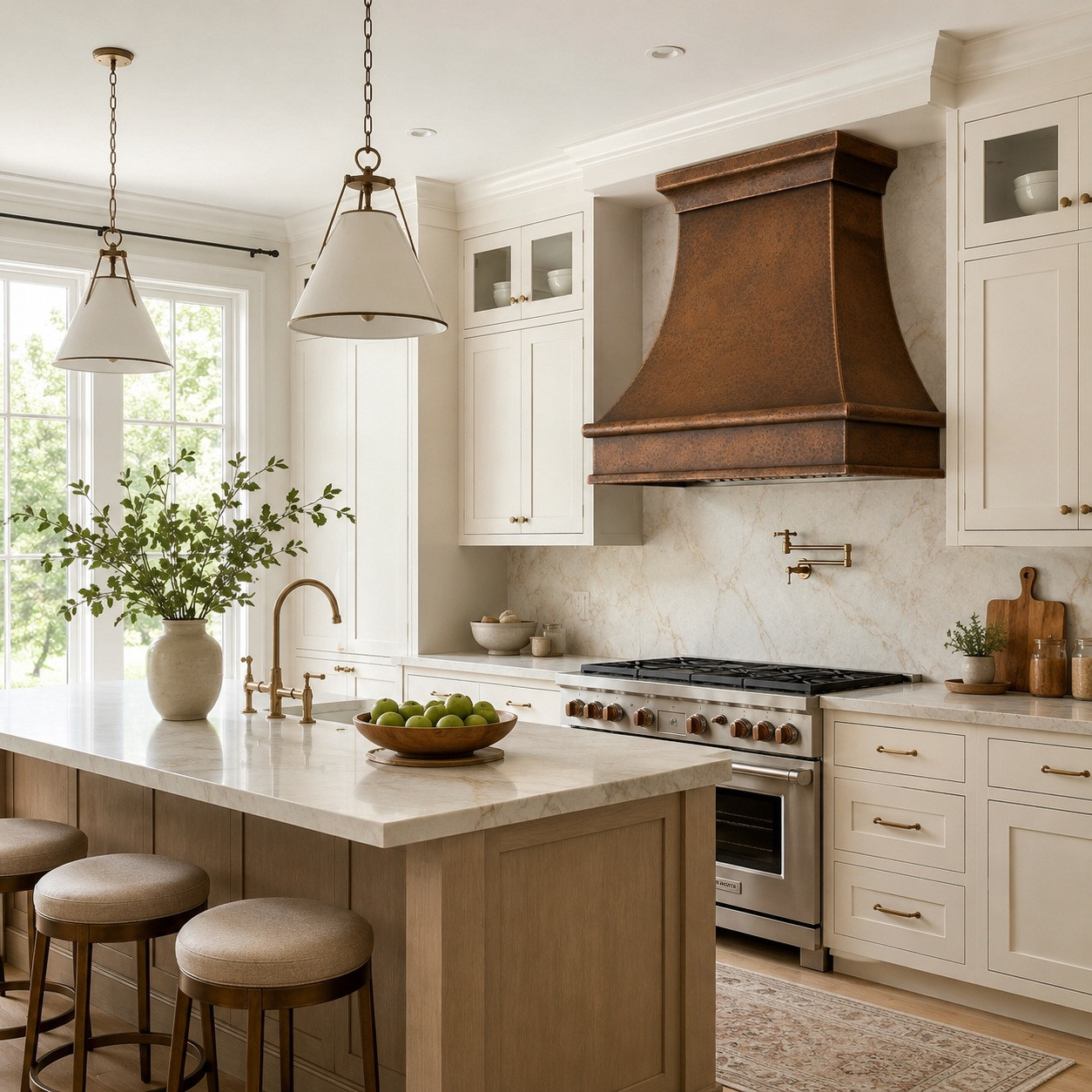
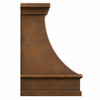
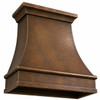
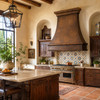
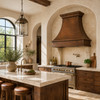
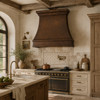
The hammered copper bell range hood with projecting crown and three-part apron combines a tall concave canopy with the structured detailing of traditional architectural millwork. Its narrow upper chimney opens gradually through long sweeping curves, leaving the front uninterrupted so dense hand hammering and copper color movement become the principal decoration. A strongly projecting cornice frames the top, while the lower body is finished with a half-round rail, deep rectangular frieze, and projecting plinth. Together, these three apron elements give the hood substantial visual weight without straps, decorative rivets, medallions, or contrasting metals. Handcrafted from 16-gauge copper, the wall-mounted enclosure is available from 28 to 78 inches wide, 24 to 72 inches high, and 24 inches deep as standard. Five patina finishes and rustic hand-polished copper are available. Explore the hammered copper bell range hood guide for additional design, proportion, customization, and planning details. Request a custom quote for this refined copper bell hood.
Product Summary
This made-to-order hood is defined by its tall bell silhouette, continuous hammered front, projecting upper cornice, and deeply framed lower apron. The design relies on proportion, texture, and formed copper rather than applied ornament.
- Shape: tall bell canopy
- Body: uninterrupted copper face
- Crown: projecting cornice
- Rail: half-round upper molding
- Apron: deep rectangular frieze
- Base: projecting lower plinth
- Material: 16-gauge copper
- Mount: wall installation
Custom Sizing
Standard widths include 28, 30, 36, 42, 48, 54, 60, 66, 72, and 78 inches. Heights range from 24 to 72 inches, with a standard depth of 24 inches. Chimney width, bell radius, crown projection, rail size, frieze height, plinth depth, and lower capture proportions may be modified together so the hood retains its formal cornice-to-plinth composition.
Measurements Needed
Provide the cooking-surface width, preferred hood width, total available height, mounting height, backsplash thickness, nearby cabinetry, desired projection, and duct route. Include beams, shelves, windows, stone surrounds, or decorative millwork that could affect wall blocking, installation clearance, or the visibility of the curved side profile.
Insert Planning
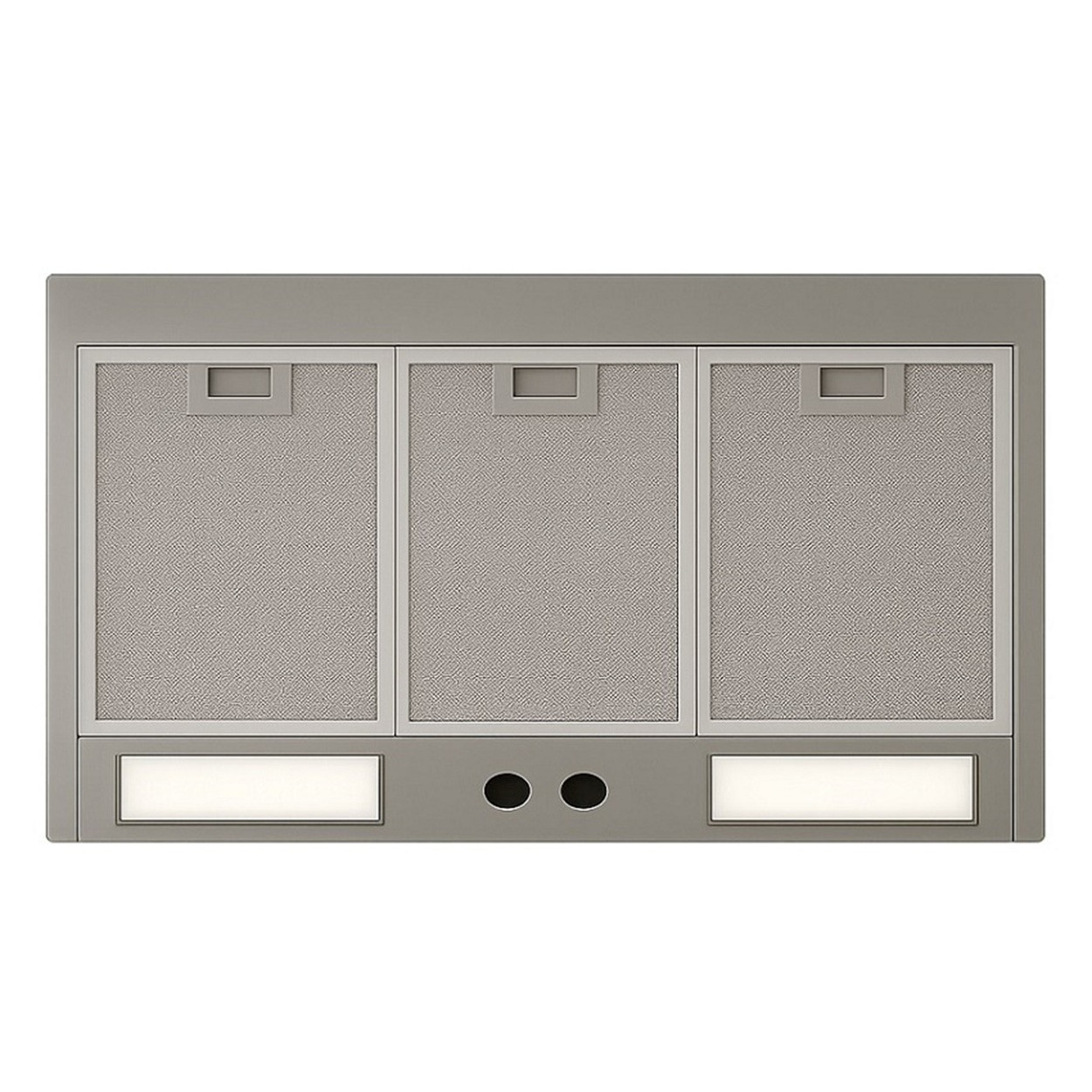
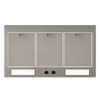
The copper body is fabricated as an insert-ready shell rather than a universal ventilation appliance. Rustica House can supply an optional 200 CFM insert. Buyer-provided internal inserts up to 1,260 CFM and external blower systems up to 1,500 CFM may be accommodated when complete specifications are submitted and physical compatibility is approved before production.
Drawing Approval
Submit the insert manufacturer, model, overall dimensions, liner cutout, filters, controls, lighting, duct diameter, discharge position, electrical requirements, and service clearances. Buyer-selected dimensions, crown projection, bell curvature, apron sections, insert opening, and duct location can then be documented in a production drawing for approval before fabrication begins.
Design Difference
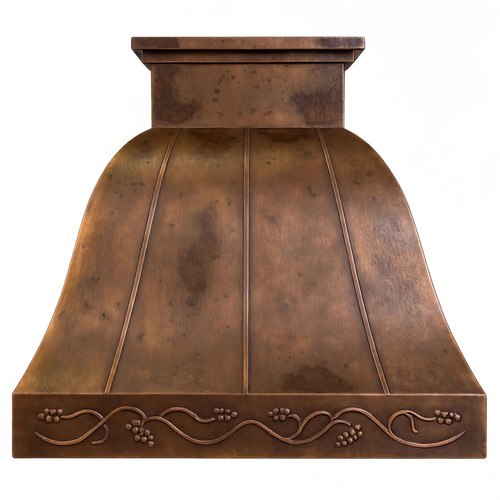
Many hammered copper bell hoods depend on straps, oversized rivets, contrasting bands, decorative panels, or elaborate applied details. This model concentrates its character in the silhouette and molding architecture. The uninterrupted curved front allows the hammering to remain visible, while the broad crown and three-part apron frame the body from above and below without dividing the central copper field.
Model Comparison
Choose this design when the project calls for dense hammering, a strongly projecting cornice, a prominent half-round apron rail, deep rectangular frieze, and substantial lower plinth. The related minimalist bell copper hood uses a cleaner boxed apron, more restrained lower trim, and simpler crown proportions for a lighter architectural expression.
Tall Bell Profile
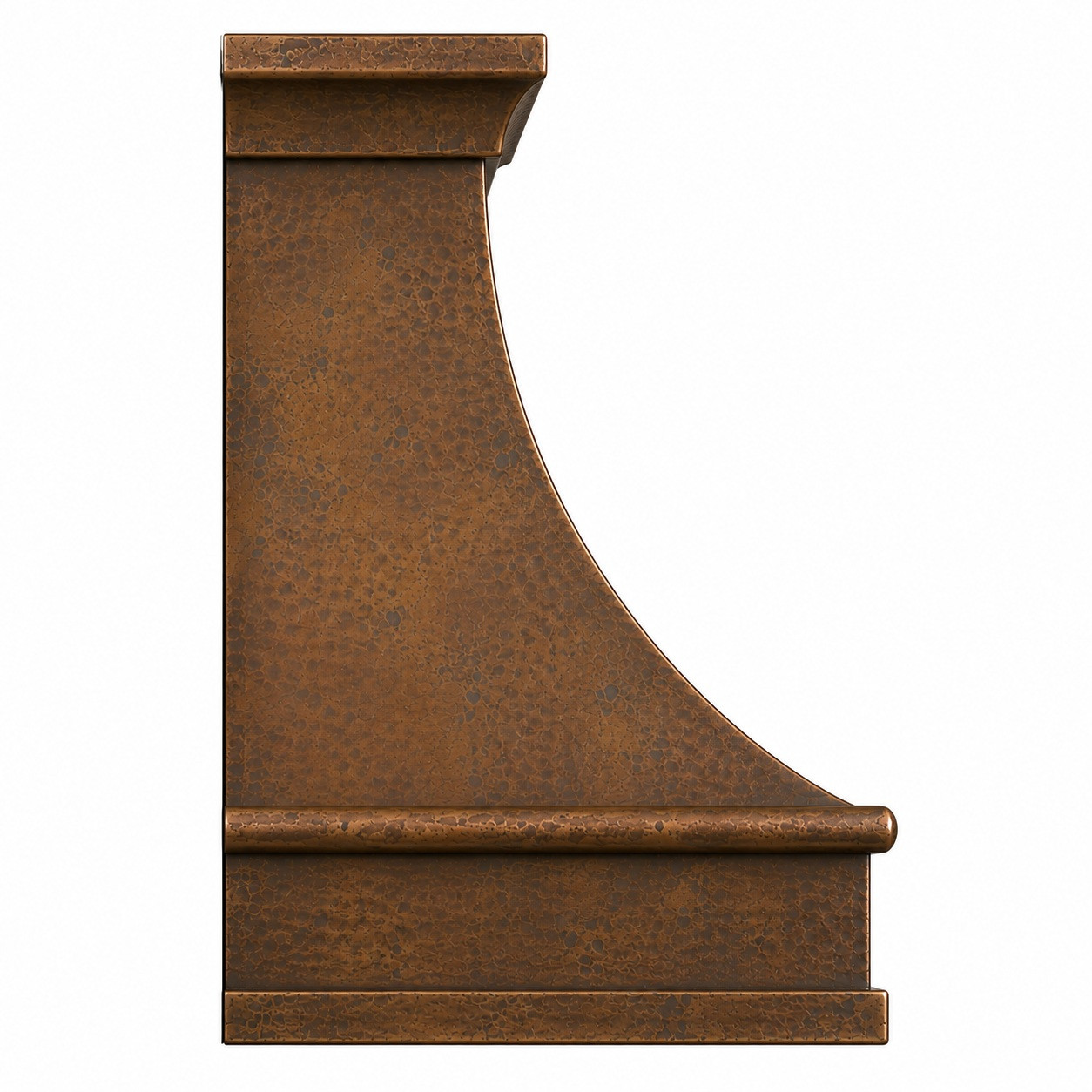
The canopy begins with nearly vertical sides beneath the crown, develops a subtle waist, and then opens through long concave curves toward the cooking surface. This controlled flare gives the hood more movement than a straight pyramid but less theatrical curvature than an exaggerated French bell. The broad lower section provides enough mass to anchor large ranges and high-ceiling kitchens.
Hammered Copper Field
The large front panel is intentionally free from straps and raised divisions. This creates a continuous field where medium-to-heavy hammer impressions can interact with light across the full curve. Irregular marks vary naturally in size and depth, producing a handmade surface instead of a mechanically repeated texture.
Projecting Cornice
The crown uses a wide upper cap, a sloped or coved middle section, and a narrower lower transition. The cap extends beyond the chimney to establish a strong horizontal termination. Shadow beneath the projection visually narrows the chimney and directs attention toward the sweeping copper body below.
Three-Part Apron
The lower assembly consists of a half-round rail, a deep rectangular frieze, and a projecting flat plinth. The rounded rail softens the transition from the concave canopy into the squared base. The plain central frieze adds calm visual weight, while the lower plinth finishes the hood with a strong furniture-like edge.
Dense Hammering
Closely worked hammer impressions create thousands of small reflective planes across the copper. Raised areas catch reddish, amber, and warm metallic highlights, while recessed marks retain deeper brown tones. The texture provides depth without requiring decorative hardware and is particularly effective across the long uninterrupted bell canopy.
Finish Options
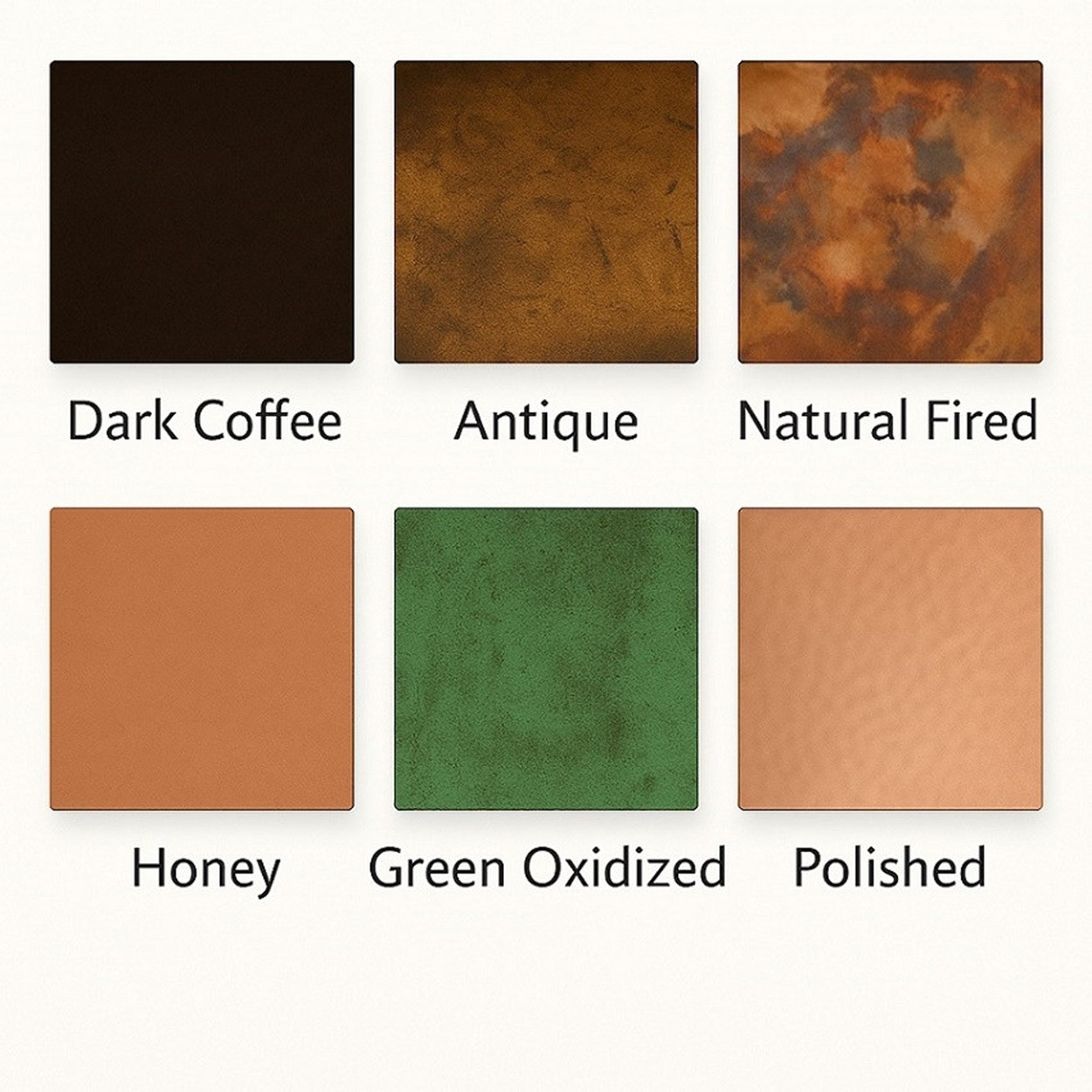
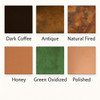
The photographed hood suggests a dark coffee or antique treatment, but the design may be ordered in natural fired, rustic antique, dark coffee, warm honey, or oxidized-green patina. Rustic hand-polished copper is also available. Dark finishes emphasize the silhouette and molding shadows, while lighter treatments reveal more individual hammer marks and copper variation.
Buyer Table
Dimensions, bell curvature, crown size, apron construction, ventilation equipment, and mounting conditions should be approved as one coordinated plan. Changing one component can affect the liner opening, duct location, molding scale, or internal support.
| Planning | Confirm | Purpose |
| Hood size | Width, height, depth | Sets scale and coverage |
| Bell radius | Waist and lower flare | Defines the silhouette |
| Crown size | Cap and projection | Frames the chimney |
| Apron rail | Diameter and height | Softens the transition |
| Apron base | Frieze and plinth | Anchors the lower body |
| Ventilation | Insert, blower, duct | Guides fabrication |
Range Hood Specifications
These specifications summarize the standard construction, dimensions, finish choices, ventilation preparation, production schedule, and delivery terms.
- Type: custom copper hood
- Shape: tall bell canopy
- Material: 16-gauge copper
- Texture: dense hand hammering
- Front: uninterrupted copper
- Straps: none
- Crown: projecting cornice
- Rail: half-round molding
- Apron: deep central frieze
- Base: projecting plinth
- Widths: 28 to 78 inches
- Height: 24 to 72 inches
- Depth: 24 inches standard
- Mount: wall installation
- Ventilation: insert-ready shell
- Insert: optional 200 CFM
- Buyer insert: up to 1,260 CFM
- External blower: up to 1,500 CFM
- Finishes: five patinas or polished
- Lead time: about 6 weeks
- Delivery: about 8 weeks in total
- Shipping: free USA mainland
- Warranty: 12 months
- Origin: handcrafted in Mexico
- SKU: CH4CR6H09
- MPN: CH-4CR6H-09
PDF and CAD Downloads
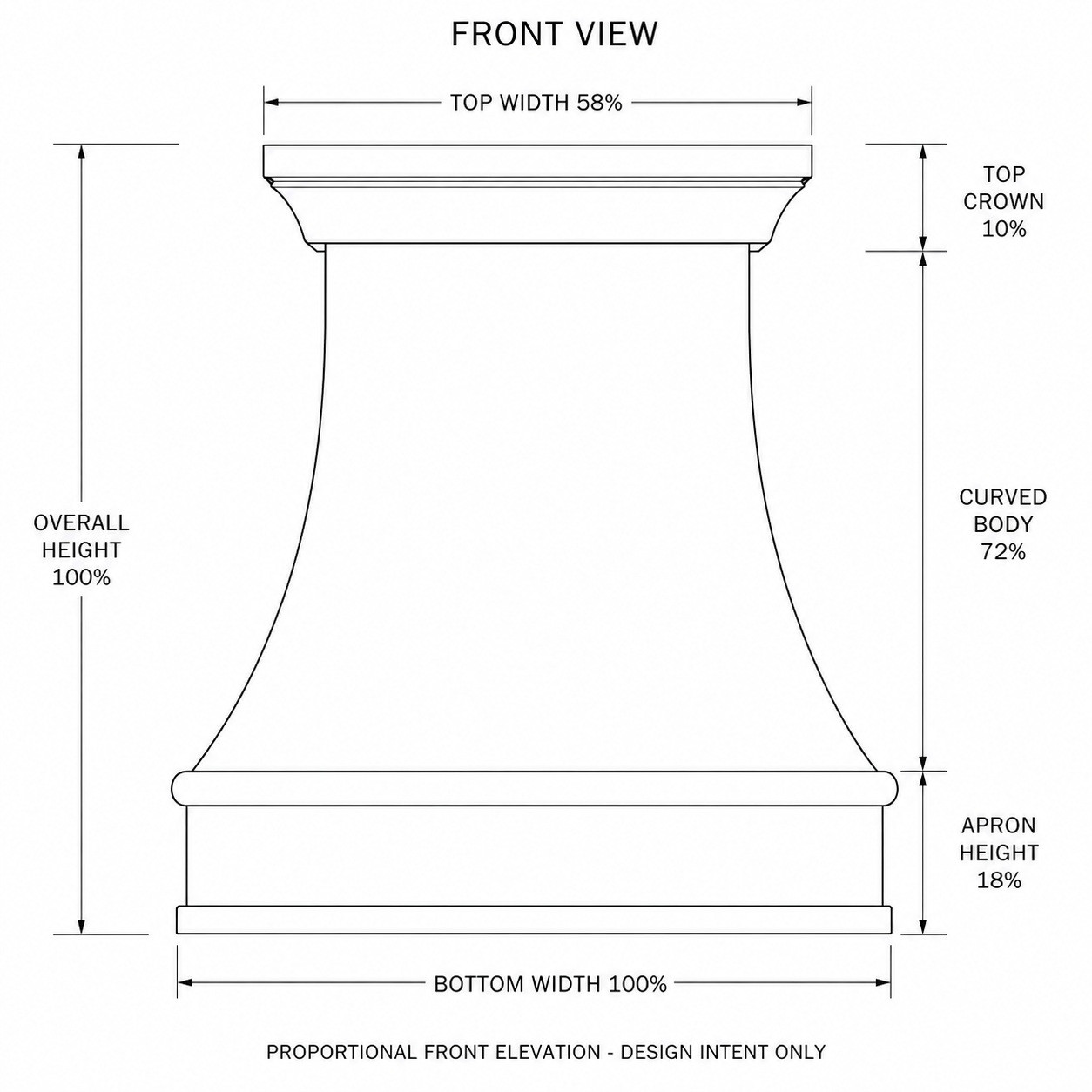
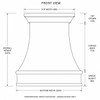
Review the proportional PDF drawing or use the DXF file with compatible CAD software. These resources show the front elevation, side profile, crown projection, chimney width, bell curvature, half-round rail, apron frieze, lower plinth, insert opening, and principal relationships used for design and installation planning.
Copper Craftsmanship
Artisans form the chimney, curved front, side returns, crown layers, half-round rail, apron frieze, lower plinth, and internal support around approved measurements. Maintaining symmetry across a tall bell body requires careful shaping before the dense hammering and selected finish are applied. Insert preparation, inspection, and protective freight packing follow fabrication.
Artisan Testimony
Learn more about copper artisan Juan Carlos Hernández and the forming, hammering, joining, and finishing methods associated with handcrafted copperwork from Santa Clara del Cobre.
Natural Variation
Hammer impressions, seams, tool marks, crown alignment, apron proportions, patina density, and tonal movement may vary slightly between completed hoods. These characteristics result from manual forming and finishing, contribute to the individual character of each enclosure, and are not manufacturing defects.
Kitchen Styles
The formal crown, sweeping canopy, and substantial three-part apron make this wall-mounted copper bell hood particularly effective in interiors that combine architectural detail with natural materials and handcrafted surfaces. View the hammered copper bell range hood kitchen images to compare the hood with cabinetry, stone, wood, plaster, tile, and other materials across several interior styles.
- Spanish Colonial: Plaster walls, Saltillo floors, Talavera tile, carved cabinetry, and aged bronze complement the dark hand-worked copper. The substantial cornice and furniture-style apron provide architectural weight, while the uninterrupted canopy avoids competing with patterned tile and decorative woodwork.
- Mediterranean: Travertine, limestone, warm walnut, cream plaster, and softly aged metals reinforce the warmth of the copper. The long bell curve works naturally with arches and masonry openings, while the projecting crown gives the hood enough presence for a large cooking alcove.
- Rustic European: Inset cabinetry, limestone counters, reclaimed beams, unlacquered brass, and handmade tile suit the formal crown and three-part lower frame. The strapless front remains more restrained than highly riveted or embossed Old World designs.
- Transitional: Simplified cabinetry, quiet stone surfaces, tailored millwork, and contemporary appliances gain warmth from the hammered copper. Because the design relies on silhouette and molding rather than applied decoration, it can bridge traditional architecture with cleaner modern materials.
Additional Styles
- Rustic farmhouse
- Southwestern
- Old World
- Mountain lodge
Bell Copper Hood FAQ
These answers address the canopy, three-part apron, projecting crown, finish choices, customization, and ventilation planning.
A: A tall concave canopy is framed by a projecting cornice above and a half-round rail, deep frieze, and lower plinth below.
A: No. The broad front remains uninterrupted so the bell curve, dense hammering, and selected copper finish provide the primary surface detail.
A: The lower assembly combines a rounded upper rail, plain rectangular central frieze, and projecting flat plinth.
A: Yes. Cap projection, molding depth, chimney proportions, rail size, apron height, and plinth dimensions may be reviewed before fabrication.
A: Submit the insert model, body dimensions, liner opening, controls, lighting, duct outlet, and service clearances for compatibility review.
A: Choose natural fired, rustic antique, dark coffee, warm honey, oxidized green, or rustic hand-polished copper.
Customize This Hood
Plan the hood around the cooking surface, available wall height, cabinetry, backsplash, structural support, and selected ventilation equipment. Confirm the bell radius, crown projection, half-round rail, apron depth, lower plinth, finish, insert opening, and duct location through the approval process before fabrication. Request a custom proposal from Rustica House.
Related Resources
Care and Maintenance
Clean the copper with mild soap, warm water, and a soft nonabrasive cloth, then dry the surface promptly. Avoid acids, ammonia, scouring pads, powdered cleaners, and aggressive polishing compounds that may scratch the hammered surface or alter the selected finish. Review the complete copper range hood cleaning and care guide for recommended maintenance methods.
Installation Guide
Coordinate wall blocking, mounting height, duct routing, electrical service, liner access, and insert clearances before fabrication. Review the range hood installation guide before approving final dimensions.
Shipping & Returns
The hood ships in a protective crate by insured freight. Review inspection procedures, damage reporting, custom-order limitations, and eligibility on the shipping and returns page.
Warranty
The handcrafted copper shell and replacement components for a Rustica House-supplied insert include 12-month coverage. Review exclusions, responsibilities, limitations, and claim procedures on the Rustica House warranty page.
Disclaimer: Handmade dimensions, bell curves, hammer impressions, seams, crown alignment, apron details, tool marks, and finish tones may vary slightly. These differences are expected and are not manufacturing defects. Lifestyle images are provided for inspiration only and may show optional features. Product images may not be reproduced without written permission from Rustica House.