 US Dollar
 Euro
Euro
 Australian Dollar
 Canadian Dollar
 Polish Zloty
 British Pound

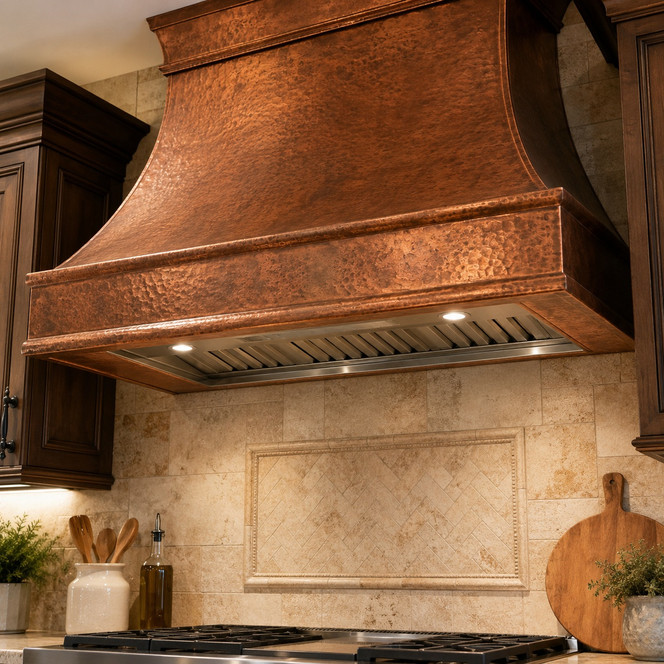
Choosing the right range hood insert is one of the most important technical decisions when ordering a custom metal range hood. The handcrafted hood enclosure creates the visual statement, but the insert performs the ventilation by moving smoke, grease, heat, moisture, and cooking odors away from the cooking area. Insert options range from economical 200 CFM equipment for light residential use to powerful buyer-supplied systems and external blower setups for demanding kitchens. This guide explains CFM capacity, blower type, filters, lighting, controls, ducting, budget levels, and the measurements needed before production so homeowners can match the ventilation equipment to their range, cooking habits, kitchen layout, and custom hood design.
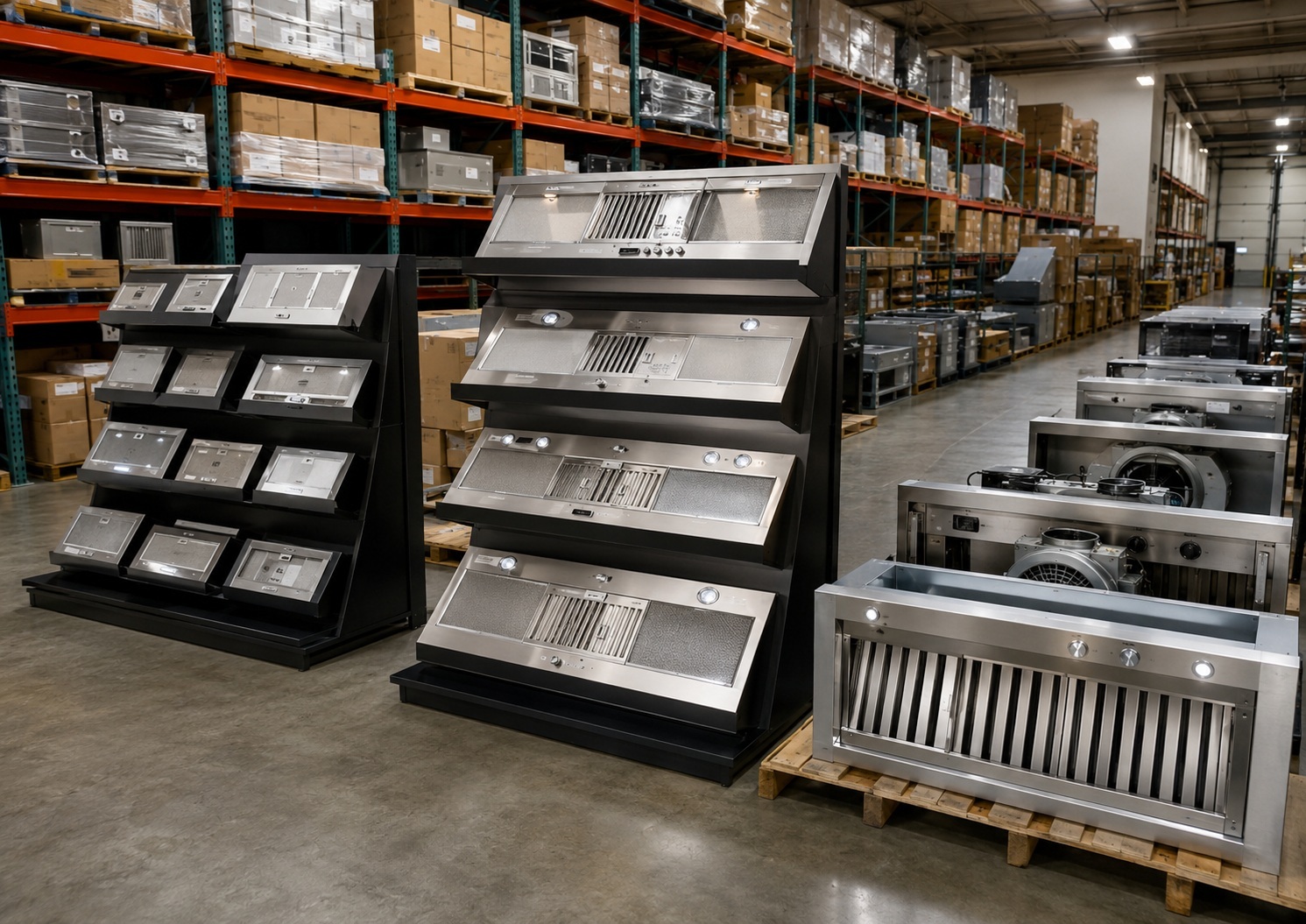
Blog Summary
- Purpose: Insert planning guide
- Capacity: 200–1,500 CFM
- Budget: Economy to luxury
- Fit: Custom hood planning
- Options: Internal or external
- Policy: Buyer-supplied support
Range Hood Insert Basics
What Is a Range Hood Insert?
A range hood insert is the working ventilation unit installed inside a decorative hood enclosure. It usually includes the blower motor, grease filters, lighting, controls, and duct connection. The insert is hidden from view after installation, while the surrounding hood body provides the architectural style, metal finish, and handcrafted character. This separation allows homeowners to pair modern ventilation equipment with a custom hood made in copper, zinc, iron, brass, tin, pewter, or mixed metals.
In a custom hood project, the insert should never be treated as an afterthought. The insert size, depth, duct outlet, blower position, filter access, control location, and lighting layout can affect how the hood is built. Providing accurate insert specifications before production helps the finished enclosure fit the ventilation system properly.
Why Insert Selection Matters
Many homeowners focus first on the appearance of a custom range hood, but the insert determines how well the system performs during daily cooking. A properly selected insert should match the range width, burner output, cooking style, duct path, kitchen size, and mounting location. Too little airflow may leave smoke, steam, and grease behind. Too much airflow can add unnecessary cost, noise, and installation requirements, especially in smaller residential kitchens.
The best insert is not always the strongest one available. The right choice is the system that balances airflow, sound level, filter access, lighting, installation complexity, and budget. For custom metal hoods, the planning process should begin with both design and ventilation needs in mind.
CFM and Performance Planning
Understanding CFM Ratings
CFM means cubic feet per minute, which measures how much air a blower can move. Higher CFM ratings provide stronger ventilation, but the correct number depends on the cooking equipment and kitchen layout. A light-duty electric range may need only moderate airflow, while a professional-style gas range, grill, griddle, or large island installation may require a much stronger system.
| Typical CFM | Recommended Use |
|---|---|
| 200–400 CFM | Light residential cooking |
| 400–600 CFM | Average family kitchens |
| 600–900 CFM | Frequent home cooking |
| 900–1,260 CFM | Professional-style ranges |
| 1,260–1,500 CFM | External blower systems |
CFM Planning Factors
CFM should be selected according to the cooking equipment below the hood, not only the size of the hood enclosure. Important planning factors include range width, burner strength, gas or electric cooking, wall or island mounting, ceiling height, duct length, number of duct turns, and how often the homeowner cooks with high heat, oils, smoke, steam, or strong odors.
- Range width: Match hood coverage
- BTU output: Plan for heat load
- Mount type: Wall or island setup
- Duct path: Shorter is stronger
- Cooking style: Light or heavy use
- Noise level: Consider blower type
Insert Price Categories
200 CFM Insert Option
A 200 CFM insert is an economical option for light residential cooking. It may be suitable for homeowners who use standard cooking appliances, prepare everyday meals, and want a simple built-in ventilation solution without sourcing separate equipment. This type of insert normally offers basic airflow, integrated lighting, washable filters, and straightforward controls.
The 200 CFM option should be considered a convenience solution rather than a universal answer for every kitchen. Homeowners with professional-style ranges, frequent high-heat cooking, large kitchen islands, long duct runs, or heavier ventilation needs should consider a stronger buyer-supplied insert or external blower system.
Budget Range Hood Inserts
Budget inserts generally provide airflow between 200 and 400 CFM. They are commonly selected for smaller kitchens, standard residential ranges, apartments, guest houses, vacation homes, and homeowners who cook lightly. These inserts usually include basic fan speeds, built-in lighting, washable mesh or aluminum filters, and simple control panels.
The main advantage of budget inserts is affordability. They allow a decorative handcrafted hood to include functional ventilation without adding the cost of a premium blower system. However, they may not provide enough performance for large ranges, heavy frying, indoor grilling, or high-BTU cooking appliances.
Mid-Range Insert Options
Mid-range inserts commonly deliver between 400 and 900 CFM. This category works well for many family kitchens because it offers stronger airflow, better lighting, improved filtration, and more fan speed options while remaining less expensive than luxury commercial-style systems. These inserts are often a practical choice for homeowners who cook regularly and want dependable ventilation without moving into the highest price category.
For many custom hood buyers, the mid-range category provides the best balance of performance, comfort, and value. It can support frequent home cooking while avoiding the cost and complexity of the most powerful ventilation equipment.
High-CFM Ventilation Systems
High-CFM systems are designed for demanding cooking environments with professional-style ranges, multiple burners, griddles, grills, wok cooking, or frequent high-heat use. These systems may range from 900 CFM to 1,260 CFM for buyer-supplied inserts and up to 1,500 CFM when planned as an external blower system supported by the hood design.
Premium ventilation can offer stronger capture, better grease removal, quieter operation through remote blower placement, stainless-steel baffle filters, advanced controls, and more durable construction. The tradeoff is higher cost, more detailed planning, and possible additional requirements for ducting and makeup air.
Ventilation Components
Internal vs. External Blowers
Internal blowers are housed inside the insert or ventilation liner. They are usually easier to plan, less expensive to install, and common in many residential kitchens. Because the motor is closer to the cooking area, internal blowers may be louder during operation, especially at higher speeds.
External blower systems place the blower away from the hood, often on the roof, exterior wall, attic, or another remote location. This can reduce perceived kitchen noise while allowing powerful airflow. External systems require more planning because the hood enclosure, ducting, controls, and blower specifications must work together before production begins.
Filter Options
Filters affect maintenance, grease capture, and long-term performance. Mesh filters are common in economy inserts and are usually removable and washable. Baffle filters are often found in higher-performance systems and are preferred for heavier cooking because they are durable, easy to clean, and better suited for grease management in powerful ventilation setups.
When choosing an insert, homeowners should confirm how the filters are removed, cleaned, and accessed after the decorative hood is installed. A custom hood should allow practical service access so cleaning and maintenance do not become difficult after installation.
Lighting and Controls
Lighting and controls are important details because they affect daily comfort. Some inserts include basic lights and push-button controls, while others offer LED lighting, dimming, electronic touch controls, delayed shutoff, heat sensors, or remote control options. These features may influence the required insert depth, wiring plan, and access points inside the hood enclosure.
Before production, buyers should confirm whether the controls are located on the front, bottom, side, or remote panel of the insert. Control placement matters because the hood body must be built so the user can operate the ventilation system comfortably.
Installation Planning
Ducting Requirements
Duct size and duct path are major performance factors. Even a strong blower can perform poorly if the duct is too small, too long, sharply bent, or poorly installed. Homeowners should review duct diameter, outlet direction, wall or ceiling exit, roof cap, exterior wall cap, and any local code requirements before selecting the final ventilation equipment.
For best results, the selected insert should be reviewed by the installer, contractor, or HVAC professional before the hood is ordered. Rustica House can prepare the custom hood for the supplied equipment, but the buyer and installer are responsible for choosing a system appropriate for the home and local installation requirements.
Makeup Air Considerations
High-CFM range hoods may require makeup air, depending on local building codes, home tightness, and blower capacity. Makeup air replaces the air removed by the ventilation system. Without proper replacement air, a powerful hood may create pressure issues, reduce performance, or interfere with fireplaces, gas appliances, or other mechanical systems.
Because makeup air rules vary by location, buyers planning high-CFM inserts or external blowers should consult a licensed contractor, HVAC professional, or local building authority before finalizing the ventilation system.
What Measurements to Send
For a custom metal hood, the insert must be selected early enough to guide production. Buyers should send the full manufacturer specification sheet, not only the brand name or CFM rating. The spec sheet helps confirm the required opening, mounting method, duct position, control access, filter access, and clearances.
- Brand: Insert manufacturer name
- Model: Exact model number
- Width: Full insert width
- Depth: Front-to-back depth
- Height: Insert body height
- Cutout: Required opening size
- Duct: Outlet size and location
- Controls: Access location
- Filters: Removal clearance
- Lighting: Fixture placement
Custom Hood Compatibility
Matching Inserts to Custom Hoods
One advantage of a handcrafted custom hood is flexibility. Instead of forcing every buyer into one fixed ventilation package, the hood can often be prepared around the selected insert or blower system. This allows the ventilation equipment to match the cooking appliance, while the outer hood body matches the kitchen design.
This flexibility is especially useful for homeowners ordering copper range hoods, zinc range hoods, iron range hoods, brass hoods, pewter hoods, tin hoods, or mixed metal designs. The insert performs the ventilation, while the handcrafted metal enclosure defines the kitchen style.
Ventilation Policy
Rustica House can supply the optional 200 CFM insert or, preferably, make the hood ready for the buyer’s own ventilation equipment. Because ventilation systems vary widely in CFM capacity, blower configuration, controls, lighting, filter access, finish, ducting requirements, and price, this approach gives the buyer greater technical flexibility instead of limiting the project to one fixed insert model. This range hood supports buyer-supplied inserts up to 1260 CFM and external blower systems up to 1500 CFM when complete specifications are provided before production.
Rustica House Insert Options
Rustica House offers an economical 200 CFM insert for buyers who want a simple ventilation option for light residential cooking. This is a practical choice when the cooking equipment and kitchen layout do not require a high-CFM system. Buyers who need stronger airflow may provide their own insert or external blower specifications before production.
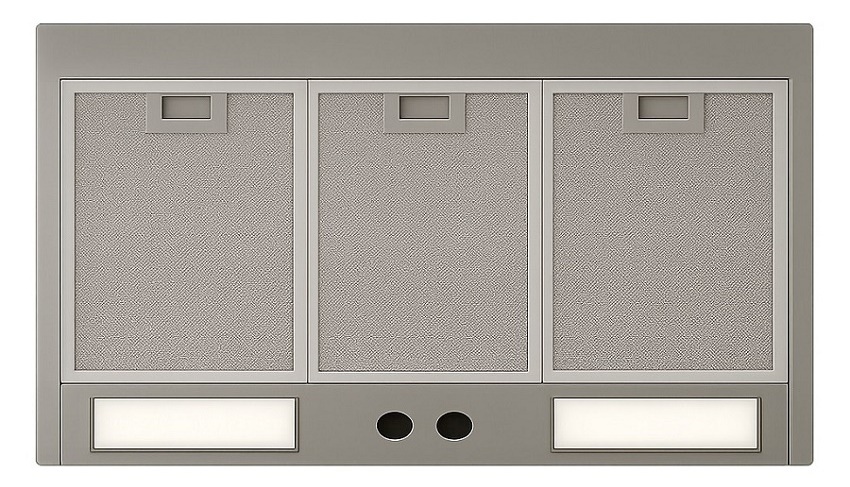
Information about the available economy insert and replacement components can be found on the range hood inserts and spare parts page.
Range Hood Materials
Choosing the Hood Material
The insert handles ventilation, but the hood material defines the look of the kitchen. Copper creates warmth and old-world character. Zinc offers a softer gray tone for rustic, transitional, and European interiors. Iron brings a darker industrial or hacienda look. Brass, tin, pewter, and mixed metals provide additional options for homeowners who want a more distinctive custom hood.
- metal range hoods
- copper range hoods
- zinc range hoods
- iron range hoods
- brass range hoods
- tin range hoods
- pewter range hoods
- mixed metal range hoods
Common Insert Mistakes
The most common mistake is selecting a custom hood design before confirming the insert specifications. Other mistakes include choosing CFM based only on price, ignoring duct size, forgetting control access, assuming all inserts fit all hoods, or selecting a powerful blower without checking makeup air requirements. These issues are easier to prevent before the hood is built than to correct during installation.
Buyers should choose the insert, review it with their installer, and submit the complete specifications before production. This process helps the finished hood arrive ready for the intended ventilation equipment.
Range Hood Insert FAQ
What CFM insert do I need for a custom hood?
The correct CFM depends on range width, burner output, cooking habits, wall or island mounting, duct path, and kitchen size. Light residential cooking may use a lower-CFM insert, while professional-style ranges usually need stronger ventilation.
Is a 200 CFM insert enough?
A 200 CFM insert may be enough for light residential cooking with standard appliances. It is not usually the best choice for high-BTU ranges, frequent frying, grilling, large islands, or heavy cooking that creates more smoke, heat, and grease.
Can Rustica House build around my insert?
Yes, Rustica House can prepare the hood for buyer-supplied ventilation equipment when complete specifications are provided before production. The buyer should send the manufacturer spec sheet, exact model number, dimensions, cutout size, duct location, and control details.
What insert details are required?
Required details include brand, model number, insert width, depth, height, cutout size, duct outlet size, duct location, blower type, control access, filter access, lighting placement, and the full manufacturer specification sheet.
Are external blowers quieter?
External blowers can reduce perceived kitchen noise because the motor is placed away from the cooking area. They still require careful planning for ducting, controls, wiring, blower location, and compatibility with the custom hood enclosure.
Do high-CFM hoods need makeup air?
High-CFM ventilation systems may require makeup air depending on local code, home construction, and blower capacity. Buyers should check with a licensed contractor, HVAC professional, or local building authority before choosing a powerful system.
Are baffle filters better than mesh filters?
Baffle filters are often preferred for higher-performance cooking because they are durable and effective for grease capture. Mesh filters are common in economy inserts and may be suitable for lighter residential cooking when cleaned regularly.
Can the same insert fit wall and island hoods?
Some inserts can work in both wall and island hoods, but the installation must be checked carefully. Island hoods often need stronger capture, different duct planning, and precise placement because they are open on all sides.
Final Thoughts
The best range hood insert is the one that fits the cooking equipment, kitchen layout, duct path, budget, and custom hood design. An economical 200 CFM insert can be appropriate for light residential cooking, while stronger buyer-supplied inserts or external blower systems may be better for professional-style ranges and demanding kitchens. By selecting the ventilation equipment before production and providing complete specifications, homeowners can order a handcrafted metal range hood that looks beautiful and performs correctly.
Disclaimer: This blog post is provided for general planning and educational purposes only. Ventilation requirements vary by appliance, kitchen layout, duct configuration, local code, and installation conditions. Buyers should confirm insert size, CFM capacity, ducting, makeup air requirements, electrical needs, and code compliance with a licensed installer, HVAC professional, contractor, or local building authority before ordering or installing a custom range hood. Product specifications, ventilation compatibility, handcrafted details, finishes, dimensions, and available options may vary by project. All product images and content are protected by copyright and may not be used, reproduced, copied, distributed, or published without prior written permission from Rustica House.