 US Dollar
 Euro
Euro
 Australian Dollar
 Canadian Dollar
 Polish Zloty
 British Pound

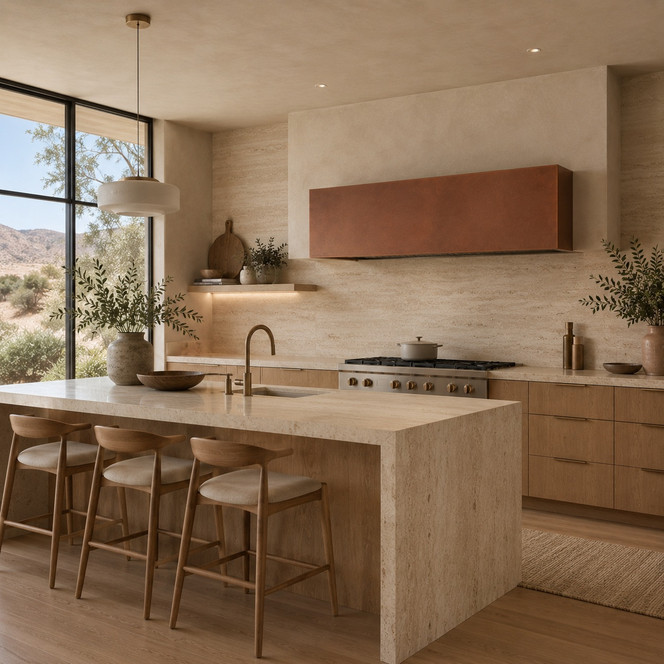
Smooth Copper Box Under-Cabinet Range Hood Guide explains how a handcrafted copper hood with a flat front, crisp architectural box profile, smooth surface, cabinet-integrated proportions, and drawing support can add quiet warmth to a modern kitchen wall. This made-to-order hood is designed for buyers who want copper character without hammering, straps, rivets, raised panels, crown molding, or decorative apron detail. The broad copper face creates a clean horizontal statement beneath upper cabinets, while the custom shell can be prepared around approved ventilation specifications. Because each hood is handmade, subtle polish movement, folded-edge variation, seam detail, finish tone shifts, and small artisan irregularities should be expected. No two hoods are identical, and those variations add character rather than defects. Explore the smooth copper box under-cabinet range hood to review sizing, finish choices, and planning details. Examine how the architectural box form and smooth copper surface complement contemporary, California modern, Scandinavian, and transitional kitchens in our smooth copper hood lifestyle guide.
Blog Summary
- Material: Smooth copper shell
- Shape: Flat box profile
- Install: Under-cabinet layout
- Detail: Crisp folded corners
- Style: Minimal custom metalwork
- Ventilation: Up to 1,500 CFM support
Design Guide Overview
A smooth copper box under-cabinet range hood is built around restraint. Instead of using a chimney, dome, bell curve, hammered texture, riveted straps, raised trim, or ornamental crown, the hood relies on proportion, folded copper, and a broad uninterrupted front. This makes it especially useful in kitchens where the hood must fit beneath upper cabinets without interrupting the horizontal cabinet line. The design feels architectural rather than decorative. Buyers comparing related silhouettes can review the copper range hood shapes guide before choosing a final profile.
Flat Box Profile
The box profile gives this hood its disciplined identity. The front face is flat, the depth remains consistent, and the body reads as a clean copper enclosure under the cabinet run. This is different from under-cabinet hoods with curved fronts, wide chimneys, projecting aprons, or angled canopies. The low horizontal form works well when the range sits within a continuous wall of cabinetry, especially in kitchens where upper storage must remain functional. The result is a compact hood that feels custom without becoming visually heavy.
Shape Benefits
- Front: Smooth flat copper plane
- Body: Rectangular box geometry
- Install: Cabinet-integrated layout
- Edges: Crisp folded returns
- Look: Clean minimal copper
Smooth Copper Surface
The smooth surface is the defining design choice. Hammered copper creates many small highlights, while smooth copper reflects light in broader tonal gradients. This gives the hood a quieter and more contemporary look. The surface can show warm copper variation without relying on texture or applied decoration. In a bright kitchen, the flat front may reflect cabinetry, stone, tile, and natural light softly across the copper face. In a darker kitchen, the same smooth plane can create a richer, more dramatic metal statement.
No Hammering or Straps
This hood is intentionally free from hammering, straps, rivets, raised panels, decorative borders, and projecting apron elements. That restraint matters because it allows the copper material to remain the focus. The design is best for buyers who want the warmth of handmade copper but prefer a cleaner architectural surface. It can coordinate with slab backsplashes, flat-panel cabinets, shaker cabinets, quartz, quartzite, marble, plaster, limestone, and warm wood without competing for attention. The absence of ornament also helps the hood fit into more contemporary interiors.
Crisp Corner Returns
The vertical returns are an important part of the design. They are not rounded into a soft barrel shape and are not covered with straps. Instead, the folded corners create a crisp architectural edge. This gives the hood more precision than rustic hammered models and helps the front face feel intentional. The edges also show the handmade metalwork in a controlled way. Slight folded-edge variation may occur because the shell is made by hand, but the overall effect remains clean, straight, and disciplined.
Surface Details
- Texture: Smooth copper finish
- Ornament: No straps or rivets
- Panels: No raised front detail
- Corners: Crisp architectural folds
- Effect: Quiet copper warmth
Drawing Review
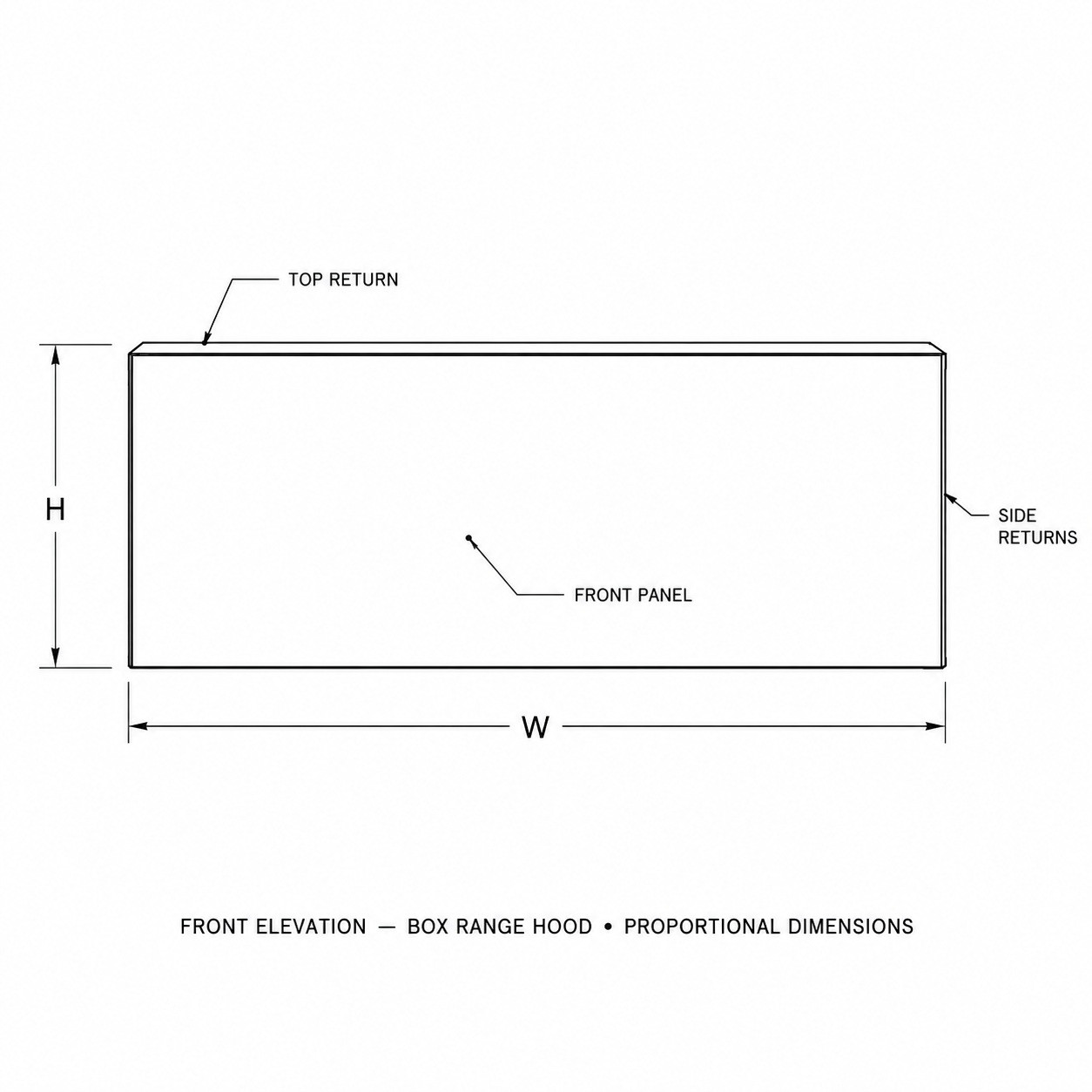
The proportional drawing helps clarify the hood architecture before ordering. It shows the flat front, constant horizontal body, under-cabinet proportions, side depth, and simple rectangular geometry without the distraction of kitchen styling. This is useful for designers, builders, homeowners, and cabinetmakers who need to understand how the hood will read in elevation. A drawing does not replace field measurement or final fabrication approval, but it helps organize early planning around cabinet width, range width, backsplash height, hood depth, and visible front proportion.
Handcrafted Copper Character
Although the shape is minimal, this is still a handmade copper hood. The finish may show subtle tonal movement, minor seam variation, tool marks, folded-edge character, and small irregularities from artisan production. A smooth copper face should not be confused with a machine-made appliance panel. The handmade quality remains visible through the material, the finish, and the way light moves across the surface. For more background on traditional copperwork, read about Santa Clara del Cobre craftsmanship.
Copper Finish Planning
Finish choice changes the personality of this flat-front hood. Natural copper keeps the design warm and classic. Honey finish can soften the surface with a golden tone. Antique and coffee patinas create deeper contrast and make the hood feel more grounded. Hand-polished copper can make the front brighter and more reflective. Because the design has no straps or decorative panels, the finish becomes especially important. Buyers should review copper patina finish options before finalizing the kitchen palette.
California Contemporary Kitchens
California contemporary kitchens are a strong match for this hood because they often use expansive islands, large windows, flat cabinetry, warm wood, pale stone, and abundant natural light. The smooth copper front adds warmth without interrupting the room’s clean horizontal composition. It can soften white oak, walnut, quartz, plaster, and slim cabinet hardware while still feeling current. A natural or lightly polished copper finish works especially well when the kitchen uses open space and daylight as part of the design.
Organic Modern Kitchens
Organic modern kitchens combine refined contemporary forms with natural materials. This hood works well with travertine, rift-cut oak, textured plaster, limestone, large-format stone, warm bronze hardware, and neutral color palettes. The uninterrupted copper front keeps the room calm, while the handmade metal surface adds depth. Because organic modern design depends on material quality rather than decoration, the smooth copper plane should be paired with simple surfaces and restrained lighting.
Soft Contemporary Kitchens
Soft contemporary kitchens balance clean modern lines with warmer finishes and comfortable materials. The hood’s flat copper front can soften slab cabinetry, quartz surfaces, subtle wood accents, and understated hardware. It creates a focal point without becoming visually dominant. In this setting, a calm backsplash is usually best because it allows the copper plane to remain clear. Cream, taupe, pale gray, warm white, and light wood cabinetry can all coordinate well with a smooth copper finish.
Minimalist Farmhouse Kitchens
Minimalist farmhouse kitchens can use this hood when the room needs copper warmth but not rustic-heavy ornament. Painted cabinetry, simple brick, handmade white tile, stone counters, black hardware, and wood shelves can all support the compact under-cabinet profile. The smooth surface feels more updated than hammered copper, while the handmade material prevents the range wall from looking generic. A darker patina can add contrast, while natural copper can keep the room brighter and softer.
Style Pairings
- California: Oak and bright light
- Organic: Plaster and stone
- Contemporary: Slab and quartz
- Farmhouse: Painted cabinets
- Transitional: Shaker and marble
Transitional Kitchens
Transitional kitchens can use this hood when the design needs one warm metal feature without a tall chimney. Shaker cabinets, marble, quartzite, walnut accents, warm white paint, bronze hardware, and simple lighting all work with the box profile. The hood feels custom but restrained, making it useful in kitchens that blend traditional cabinetry with cleaner surfaces. Its copper tone adds warmth, while the flat front keeps the overall room from feeling too rustic or old-world.
Backsplash Coordination
The backsplash should support the hood’s smooth front without creating too much reflected visual noise. Slab stone, plaster, limestone, marble, quartzite, zellige, handmade ceramic tile, brick, and quiet field tile can all work. A highly patterned backsplash may compete with the flat copper plane. A calmer surface usually makes the hood feel stronger and more intentional. If decorative tile is used, repeat copper, cream, brown, gray, black, green, or warm neutral tones so the range wall feels coordinated.
Cabinet Coordination
Cabinet coordination is especially important because this hood is made for an under-cabinet setting. The surrounding cabinets should frame the copper box without hiding its front face or folded returns. Warm white, cream, greige, taupe, mushroom, and soft gray cabinetry create a calm contrast. White oak, walnut, quarter-sawn oak, alder, and dark stained wood can make the copper feel richer. Since the hood has no ornament, cabinet hardware can carry more decorative responsibility, but it should still remain coordinated and restrained.
Size Planning
Size planning should account for range width, cabinet opening, available hood height, cabinet depth, lower clearance, backsplash height, insert dimensions, duct route, and front projection. This hood should feel wide enough to balance the cooktop but compact enough to sit naturally beneath the cabinet run. The flat front needs enough width and height to read as a custom copper fascia. For broader measurement planning, review the range hood size guide.
Under-Cabinet Installation
An under-cabinet hood must be planned around both appearance and function. The cabinet opening, wall support, underside clearance, insert access, duct route, and electrical requirements should be reviewed before production. The hood should not interfere with cabinet doors, trim, shelves, or nearby lighting. Because this model has a clean horizontal body, small measurement mistakes may be visible. Designers and installers should confirm all dimensions before ordering. For installation planning, use the range hood installation guide.
Ventilation Insert Planning
The copper shell creates the visible hood, while the insert, blower, and ducting provide smoke, steam, grease, and odor removal. Rustica House can supply the 200 CFM insert only. Buyer-supplied internal inserts are supported up to 1,260 CFM, and buyer-supplied external blowers are supported up to 1,500 CFM when complete specifications are provided before production. Any insert, liner, blower, lighting, filter system, or recirculating setup beyond the Rustica House 200 CFM insert must be supplied by the buyer. For technical planning, review the range hood insert guide.
Insert Details
- Rustica: 200 CFM insert only
- Internal: Up to 1,260 CFM
- External: Up to 1,500 CFM
- Buyer: Supplies other systems
- Specs: Required before production
Measurements to Send
Before production begins, buyers should send range width, cabinet opening width, available cabinet height, desired hood width, desired hood height, cabinet depth, lower clearance, duct route, backsplash conditions, cabinet limitations, finish preference, and ventilation equipment details. If using a buyer-supplied internal insert up to 1,260 CFM or an external blower up to 1,500 CFM, send the brand, model, cutout dimensions, liner requirements, duct size, discharge direction, controls, lights, filters, and service-access information. Photos of the range wall are useful for reviewing box proportion, front projection, cabinet alignment, and surrounding materials.
Care and Cleaning
Smooth copper should be cleaned gently to preserve finish character. Use a soft cloth, warm water, and mild soap for routine wiping. Avoid abrasive pads, steel wool, bleach, ammonia, acidic cleaners, and harsh degreasers because they can scratch the copper or disturb the finish. A smooth surface can show wiping patterns more than hammered copper, so clean with light pressure and dry the hood after wiping. Pay attention to corners, seams, underside edges, and side returns so grease does not collect in those areas. For deeper care guidance, review the copper hood care guide.
Common Questions
What makes this copper hood unique?
This hood combines a smooth flat copper front, crisp box profile, under-cabinet proportions, clean folded corners, custom sizing, and handmade surface variation without hammering, straps, rivets, or decorative apron detail.
Is the copper hammered?
No. This model uses smooth copper. The surface reflects light in broader gradients and creates a cleaner, more architectural appearance than hammered copper.
Does this hood have straps or raised panels?
No. The design is intentionally minimal. It does not include straps, rivets, raised borders, recessed panels, crown molding, or a projecting apron.
Will every smooth copper hood look identical?
No. Each hood is handmade, so no two pieces are identical. Finish movement, seam detail, folded-edge variation, tool marks, and small artisan irregularities are normal.
What ventilation systems are supported?
Rustica House can supply the 200 CFM insert only. The hood shell can support buyer-supplied internal inserts up to 1,260 CFM and buyer-supplied external blowers up to 1,500 CFM when complete specifications are provided before production.
Design Summary
A smooth copper box under-cabinet range hood is ideal for kitchens that need copper warmth in a clean, cabinet-framed format. The flat front, constant depth, crisp folded returns, and lack of surface ornament make the hood especially useful in contemporary, organic modern, soft contemporary, minimalist farmhouse, and transitional kitchens. The proportional drawing helps clarify the geometry before planning. Proper cabinet measurements, finish selection, insert or blower preparation, backsplash coordination, and gentle care help the hood remain functional and visually refined.
Final Design Guidance
Smooth Copper Box Under-Cabinet Range Hood Guide shows how a flat copper face, crisp box profile, smooth finish, cabinet-integrated proportion, handmade construction, and ventilation planning work together. Choose this hood when the kitchen needs a refined copper centerpiece without hammering, straps, rivets, decorative bands, or crown molding. Pair it with white oak, walnut, plaster, limestone, marble, quartzite, handmade tile, brick, cream cabinetry, bronze hardware, black accents, or warm neutral finishes. Confirm cabinet opening, width, height, depth, insert details, blower specifications, duct route, backsplash conditions, front projection, corner returns, and copper finish before production. Customize the smooth copper box under-cabinet range hood with Rustica House for a made-to-order kitchen centerpiece.