 US Dollar
 Euro
Euro
 Australian Dollar
 Canadian Dollar
 Polish Zloty
 British Pound

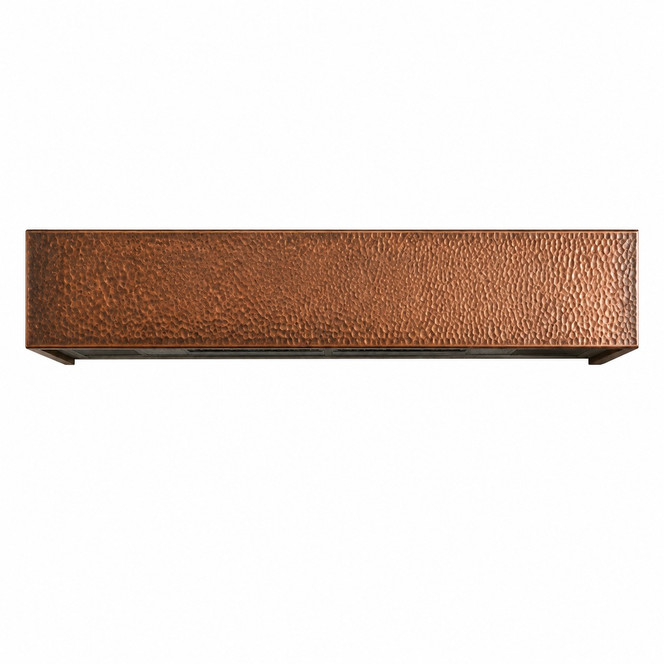
The Hammered Copper Box Under-Cabinet Range Hood is shown in these lifestyle images as a compact handcrafted focal point for Japandi, Belgian, contemporary arts, and contemporary English country kitchens. Its straight under-cabinet box profile, hand-hammered copper surface, warm patina, clean horizontal face, and cabinet-ready proportions create a refined range-wall feature without a tall chimney, straps, rivets, crown molding, or heavy decorative panels. The simple form makes the artisan copper texture the main visual detail, allowing the hood to work in both minimal and richly layered interiors. Explore the hammered copper box under-cabinet range hood to compare its shape, finish, texture, and cabinet-friendly layout. For layout planning, read the under-cabinet copper range hood guide.
Blog Summary
- Focus: lifestyle image guide
- Product: box under-cabinet hood
- Surface: hand-hammered copper
- Shape: clean rectangular profile
- Styles: four kitchen scenes
- Use: compact cabinet layouts
Box Under-Cabinet Hood Images
Lifestyle images help show how a hammered copper box under-cabinet hood looks inside a finished kitchen rather than as a product photo alone. Cabinet color, backsplash texture, counter material, lighting, flooring, wall finish, and hardware all change how the copper surface appears. In one room, the hood may feel quiet and minimal. In another, the same straight profile can look warm, architectural, rustic, or refined.
This hood stands out because the design is deliberately simple. The under-cabinet format keeps the profile low, while the hand-hammered surface gives the front face depth and movement. Instead of using straps or raised trim, the hood depends on copper texture, patina, and proportion. For related compact handmade designs, review the under-cabinet hammered copper range hood guide.
Design Highlights
- under-cabinet copper hood format
- straight box-style front profile
- hand-hammered copper surface
- clean strapless face
- warm artisan patina
- cabinet-ready installation style
- minimal decorative detailing
Japandi Kitchen Image
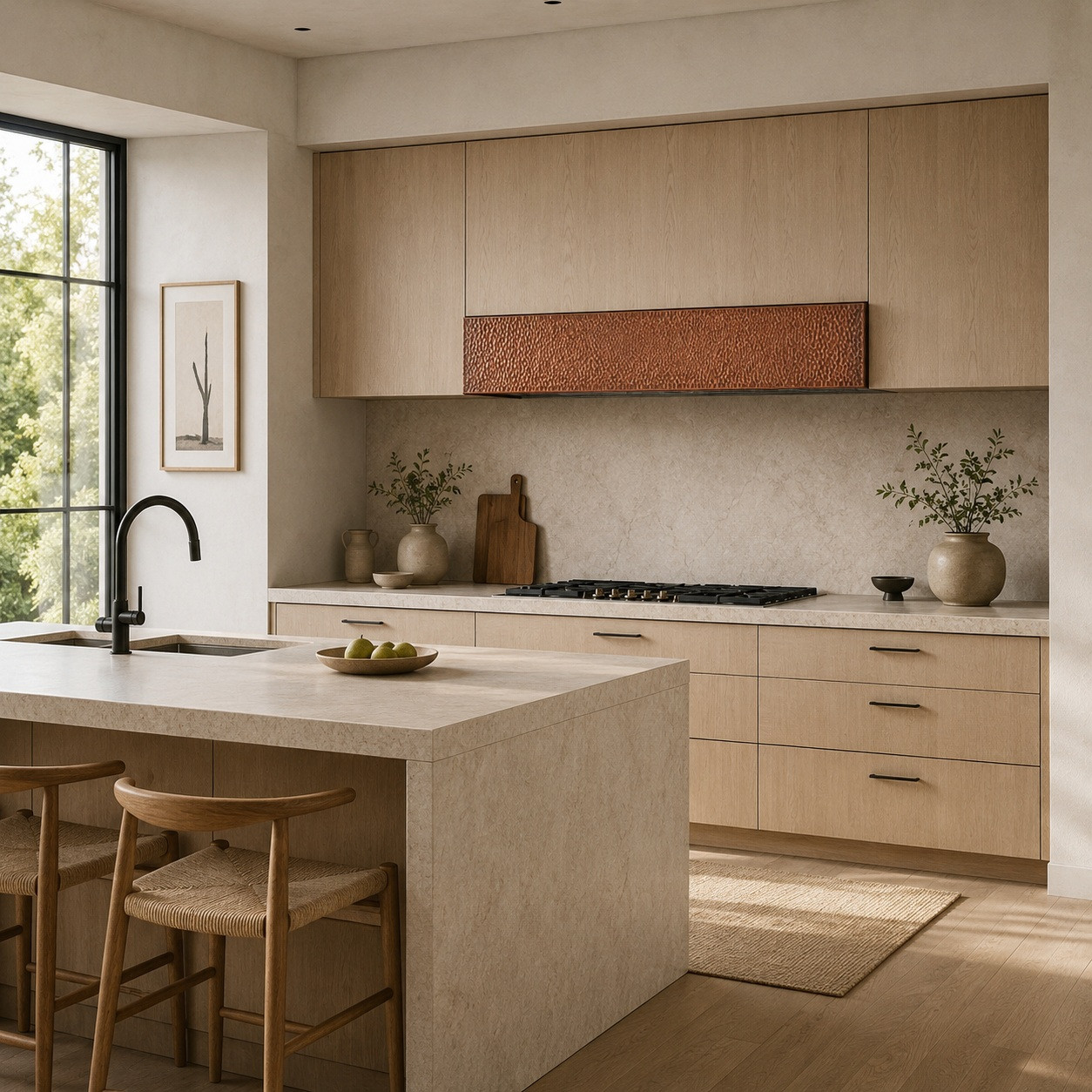
In a Japandi kitchen, this hammered copper hood adds warmth without disrupting the quiet layout. This Japandi interior uses light wood, simple cabinetry, pale stone, handmade ceramic texture, restrained hardware, and open negative space. The straight box profile fits that calm language because it avoids ornate trim, straps, rivets, and decorative relief.
The copper surface is what gives the scene character. Its hand-hammered texture introduces a natural irregularity that softens the room’s clean lines. Against light wood or neutral cabinetry, the patina becomes a warm accent rather than a heavy old-world feature. This makes the hood useful when the kitchen needs one handcrafted material but still needs to feel airy, balanced, and uncluttered.
Belgian Kitchen Image
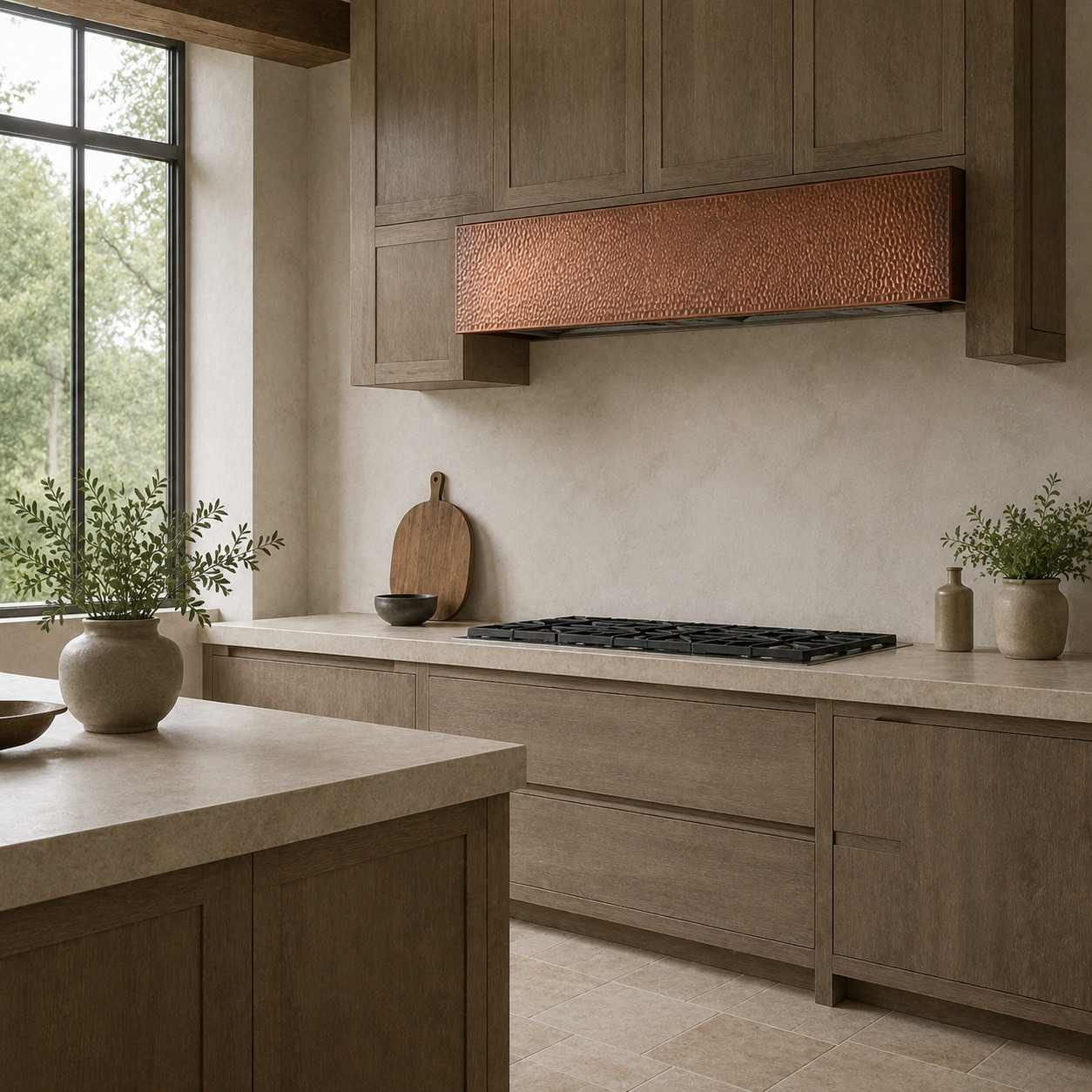
In a Belgian kitchen, the under-cabinet copper hood works with limestone tones, warm gray cabinetry, muted plaster, pale oak, simple stone counters, and aged metal hardware. Belgian interiors often rely on quiet texture rather than strong color, so the hammered copper face adds depth while still feeling natural in the room.
The box shape is especially effective here because Belgian kitchens tend to favor restraint, proportion, and softened materials. A tall ornate chimney might feel too dramatic, but a compact copper box hood can add warmth in a measured way. The hammered finish coordinates with handmade tile, honed stone, weathered wood, linen-like neutrals, and bronze or black metal accents. For broader finish planning, review the copper patina finish options guide.
Contemporary Arts Kitchen Image

In a contemporary arts kitchen, the hood works as a crafted object inside a cleaner design environment. This style can combine gallery-like walls, sculptural lighting, simple cabinets, expressive tile, stone counters, handmade ceramics, and selective artisan details. The copper hood adds a material focal point without making the wall feel crowded.
The uninterrupted hammered surface is important in this scene because it behaves almost like a metal art panel above the cooktop. Light moves across the hammer marks, creating small highlights and shadowed low points. The simple rectangular outline keeps the composition disciplined, while the copper finish prevents the kitchen from feeling too cold or flat. For broader product comparison, browse the copper range hoods collection.
Contemporary English Country Image

In a contemporary English country kitchen, the hammered copper hood adds warmth to painted cabinetry, natural wood, stone counters, classic hardware, quiet tile, and a more collected room style. English country kitchens often feel layered and lived-in, but contemporary versions need cleaner lines and better restraint. This hood fits that balance because the shape is simple while the surface feels handmade.
The copper patina can coordinate with brass hardware, aged bronze fixtures, dark iron details, oak shelving, cream cabinets, green-gray paint, and warm stone. The under-cabinet profile also helps preserve the practical cabinet layout. Instead of dominating the wall with a tall statement chimney, the hood becomes a lower handcrafted accent that still clearly defines the cooking zone.
Box Hood Shape
The box-style profile is the main practical advantage of this hood. It fits neatly below upper cabinets and keeps the range wall compact, making it useful for kitchens where a full chimney hood would interrupt cabinetry or reduce storage. The straight front also gives the hood a modern furniture-like appearance.
Because the shape is clean, proportion becomes important. The hood should align well with the range, cabinet opening, backsplash height, and surrounding wall details. For planning common widths and scale, review the most popular copper range hood sizes guide.
Hammered Copper Finish
The hand-hammered copper surface gives the hood depth, warmth, and natural variation. Each mark catches light differently, so the face can appear brighter in direct light and deeper in shadow. Small differences in hammering, patina tone, seams, and artisan finishing should be expected in handmade copper work.
This texture is especially useful in minimalist, neutral, or lightly decorated kitchens because it adds character without needing extra ornament. The result is simple, but not plain. The copper brings warmth, while the box shape keeps the design controlled.
Ventilation Planning
Ventilation should be planned around the insert, blower, duct route, filters, lighting, and cooking habits. For insert selection, review the range hood insert guide for custom metal hoods. Rustica House can supply the 200 CFM insert only. Any other insert must be supplied by the buyer, and Rustica House will make the hood ready for that buyer-supplied insert when the insert details are provided.
Frequently Asked Questions
What makes this copper hood different?
This hood combines a compact under-cabinet box profile with a clean strapless face and hand-hammered copper texture. The design is simple, warm, and cabinet-friendly.
Which kitchen styles fit this hood?
This hood works well in Japandi, Belgian, contemporary arts, contemporary English country, modern farmhouse, warm transitional, and minimalist rustic kitchens.
Is every hood exactly identical?
No. Each hood is handmade, so hammering, patina tone, seams, edge details, and small artisan marks may vary. These variations are part of the handcrafted character.
Conclusion
The hammered copper box under-cabinet range hood brings a clean rectangular profile, cabinet-ready proportions, warm patina, and hand-hammered artisan texture into the kitchen. These lifestyle images show how the same simple copper form adapts to Japandi, Belgian, contemporary arts, and contemporary English country interiors while keeping its handcrafted identity clear, refined, and practical.