 US Dollar
 Euro
Euro
 Australian Dollar
 Canadian Dollar
 Polish Zloty
 British Pound

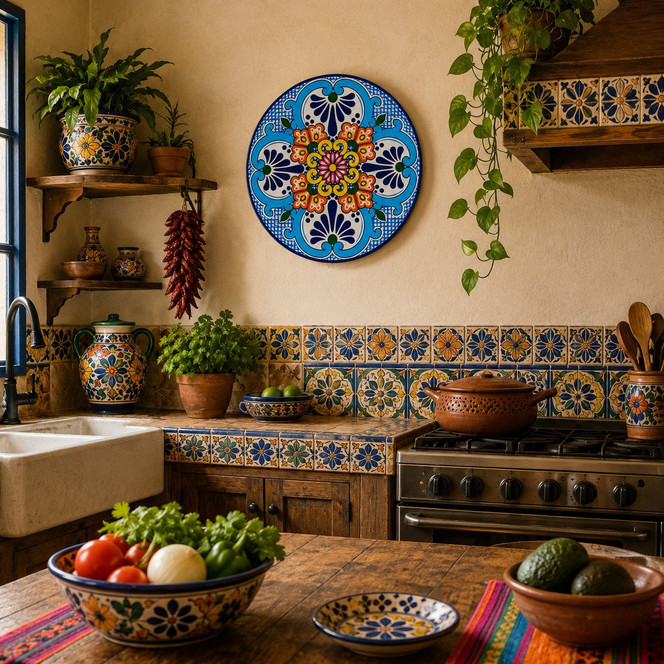
Decorative Ceramics from Mexico: Handmade Talavera Color for Home and Garden
Decorative ceramics from Mexico bring vivid color, traditional craftsmanship, and joyful artistic character into both interior and exterior spaces. Rooted in centuries-old Talavera pottery traditions, these hand-painted pieces include garden planters, wall sconces, tableware, bathroom accessories, sinks, and decorative objects designed for everyday use. Each handmade Mexican ceramic accessory reflects the individual brushwork of the artisan, making it a distinctive addition to Hacienda, Spanish Colonial, Mediterranean, rustic, and eclectic homes. Whether placed on a covered porch, bathroom vanity, dining table, or garden wall, Mexican pottery introduces warmth and personality through authentic material and color.
Blog Summary
- Product: Mexican decorative ceramics
- Tradition: Hand-painted Talavera pottery
- Best For: Home, bathroom, and garden
- Products: Planters, sconces, and accessories
- Craft: Handmade in Mexico

The Joy of Mexican Ceramic Design
Mexican pottery is known for its energetic color, detailed brushwork, and ability to make ordinary household objects feel artistic. A flowerpot, soap dish, wall sconce, or serving plate becomes more than a functional accessory when its surface is covered with hand-painted flowers, geometric borders, and traditional Talavera colors.
These pieces allow homeowners to introduce Mexican character gradually through small accents rather than redesigning an entire room.
The Origins of Talavera Ceramics
The history of Talavera decorative ceramics connects Spain, the Islamic world, Europe, and Mexico. Talavera de la Reina became an important Spanish center for pottery and architectural tile, developing a recognizable style influenced by several cultures.
Spanish ceramic traditions later traveled to Mexico, where local artisans adapted the materials, colors, subjects, and production methods to create a distinctive regional art form.
Spanish, Moorish, and Mexican Influences
Spanish ceramics contributed glazing and European floral ornament, while Moorish design introduced geometry, repetition, stars, scrolls, and carefully balanced symmetry. Mexican artisans incorporated regional plants, animals, Indigenous imagery, folk-art color, and local clay traditions.
The resulting pottery reflects cultural exchange rather than a single decorative source, giving Talavera its layered visual identity.
Common Design Influences
- Spanish: Floral ceramic ornament
- Moorish: Geometry and symmetry
- Mexican: Folk color and imagery
- Colonial: Architectural decoration
- Regional: Nature-inspired motifs
Talavera de la Reina
Talavera de la Reina became internationally associated with decorative ceramics and was widely recognized for its pottery production. Its workshops developed household objects, plates, tiles, and architectural pieces decorated with characteristic patterns and glazed color.
The town’s influence became important to the ceramic traditions later established in Colonial Mexico.
How Talavera Developed in Mexico
Potters brought wheel-forming and glazing techniques to New Spain during the Colonial period. Mexican artisans learned these methods and gradually transformed them through regional materials and artistic traditions.
Over time, Puebla and other central Mexican communities became important centers for glazed ceramics used in homes, churches, fountains, kitchens, and civic architecture.
Puebla and Dolores Hidalgo
Puebla remains strongly associated with historic Talavera production, while Dolores Hidalgo in Guanajuato is internationally recognized for colorful hand-painted pottery and decorative household ceramics.
Artisans in Dolores Hidalgo continue producing sinks, tiles, planters, tableware, bathroom accessories, and garden pieces for Mexican homes and international buyers.
Mexican Ceramic Centers
- Puebla: Historic Talavera tradition
- Dolores Hidalgo: Colorful pottery production
- Guanajuato: Artisan home accessories
- Central Mexico: Colonial ceramic heritage
- Modern Workshops: Continued hand painting
How Decorative Ceramics Are Made
Production generally begins with forming the clay body by hand, mold, or pottery wheel. The piece must dry before its first firing, after which the surface can be glazed and decorated.
Artisans apply the colors individually with brushes, following established motifs or creating personalized variations. A final firing bonds the glaze and painted decoration to the ceramic surface.
The Glazed Surface
High-temperature firing transforms the applied glaze into a durable, glass-like surface. This finish intensifies the colors, protects the painted design, and makes the ceramic easier to clean.
Glaze movement, color density, and small irregularities may vary from one piece to another because each accessory is decorated and fired individually.
Production Characteristics
- Hand Formed: Individual ceramic body
- Hand Painted: Artisan brushwork
- Kiln Fired: Durable glazed surface
- Colorful: Traditional Talavera palette
- Unique: Natural handmade variation
Decorative Talavera Planters
Hand-painted planters are among the most versatile forms of Mexican decorative ceramics. They add color before a plant even begins flowering and can brighten patios, porches, balconies, dining rooms, and entryways.
Large floor planters create strong visual anchors, while smaller pots work well on tables, shelves, window ledges, and grouped garden displays.
Choosing the Right Planter Size
The planter should provide enough room for the plant’s root system while remaining proportionate to its location. A large covered porch may support substantial statement pots, while a balcony generally benefits from smaller and lighter pieces.
Always consider the weight of the planter after soil and water have been added, particularly when placing pottery on elevated surfaces.
Planter Locations
- Covered Porch: Welcoming floral display
- Patio: Colorful outdoor focal point
- Balcony: Compact ceramic accent
- Entryway: Decorative first impression
- Interior: Artisan plant container
Creating a Spanish-Style Garden
Mexican ceramic planters pair naturally with stucco walls, terracotta floors, iron furniture, stone fountains, and climbing plants. Their color helps break up large neutral surfaces while reinforcing a Spanish Colonial or Mediterranean atmosphere.
Repeating related colors across several planters creates unity even when each vessel uses a different pattern.
Separating Outdoor Living Areas
Large pots can help define different sections of a patio or garden. A pair of ceramic planters may mark the transition between dining and lounging areas, while a row of pots can create a softer boundary around an outdoor kitchen or walkway.
This approach introduces structure without constructing permanent walls or partitions.
Talavera Wall Sconces
Ceramic wall sconces add color and architectural interest without occupying floor or counter space. They may be used to display plants, candles, or decorative objects depending on the design.
A Mexican Talavera wall sconce works especially well near patios, entry doors, bathroom mirrors, fireplaces, or covered garden walls.
Wall Sconce Uses
- Plants: Decorative wall greenery
- Candles: Warm ambient display
- Entryways: Colorful wall accent
- Patios: Spanish-style decoration
- Bathrooms: Coordinated ceramic detail
Decorative Ceramics for Bathrooms
Bathroom accessories provide an easy way to repeat color and pattern around a vanity without installing additional wall tile. Soap dishes, towel bars, tissue holders, hooks, toothbrush cups, and other pieces can be coordinated with the sink or backsplash.
Browse Mexican bathroom accessories to create a more complete artisan bathroom design.
Coordinating Accessories with Talavera Sinks
Many bathroom accessory sets are produced using patterns similar to those applied to ceramic sinks. Matching the exact design creates a formal coordinated look, while using related colors produces a more relaxed composition.
For example, cobalt and yellow accessories may complement a sink containing those colors even when the floral or geometric motifs are different.
Bathroom Accessories
- Soap Dish: Countertop ceramic accent
- Towel Bar: Functional wall detail
- Tissue Holder: Coordinated fixture
- Hooks: Small decorative elements
- Accessory Set: Complete vanity styling
Talavera Tableware
Decorative ceramics from Mexico also include plates, bowls, cups, serving dishes, and other tableware. Their painted surfaces bring color to everyday meals and special gatherings.
Mixed patterns can create an informal, collected table, while matching designs provide a more structured presentation.
Decorative Plates as Wall Art
Hand-painted plates may be displayed on kitchen, dining room, or patio walls when they are not being used as tableware. Grouping different sizes creates a gallery effect while preserving a shared color palette.
Plate displays are especially effective above buffets, consoles, breakfast nooks, and open shelving.
Tableware Applications
- Dinner Plates: Colorful place settings
- Serving Bowls: Decorative presentation
- Wall Plates: Ceramic gallery display
- Platters: Functional artisan décor
- Accent Pieces: Open-shelf styling
Kitchen Accessories
Small pottery pieces can bring color into a kitchen without changing the cabinetry or backsplash. Utensil holders, serving bowls, plates, planters, and ceramic containers add decorative interest to counters and open shelves.
These accessories pair naturally with Talavera tile, copper sinks, forged iron lighting, and wood cabinetry.
Decorative Ceramic Tiles
Talavera ceramics decorated in Mexico include patterned wall tiles, solid colors, trim pieces, murals, and raised relief designs. Tile allows the pottery tradition to become part of the architecture rather than remaining limited to movable accessories.
Backsplashes, stair risers, fireplaces, fountains, and bathroom walls can all benefit from handmade ceramic color.
Relief Ceramics
High-relief ceramic pieces include raised floral, geometric, and figurative designs that project above the background. Light creates highlights and shadows across the sculpted surface, making these products more dimensional than flat painted pottery.
Relief tiles and wall accessories work especially well where texture is as important as color.
Ceramic Categories
- Planters: Indoor and outdoor pottery
- Tableware: Plates and serving pieces
- Bathroom Sets: Coordinated accessories
- Tiles: Architectural ceramic color
- Relief Pieces: Sculptural decoration
Using Ceramics Indoors
Mexican pottery can introduce color into dining rooms, living rooms, bedrooms, kitchens, bathrooms, and entry halls. The pieces may hold plants, provide storage, display flowers, or serve as purely decorative objects.
Against neutral plaster or painted walls, even one hand-painted planter or plate becomes a visible focal point.
Using Ceramics Outdoors
Covered patios, verandas, balconies, and sheltered garden areas provide attractive locations for Mexican pottery. The pieces coordinate with plants and natural materials while introducing color throughout the year.
Outdoor suitability depends on the ceramic body, drainage, local climate, moisture exposure, and freeze-thaw conditions.
Climate and Freeze-Thaw Considerations
Handmade ceramic should be protected from freezing conditions when water can collect within the clay body or planter. Expanding moisture may crack the ceramic during repeated freeze-thaw cycles.
In cold climates, movable planters should be brought indoors or stored in a protected dry location before winter.
Outdoor Care
- Drainage: Prevent standing water
- Freeze Protection: Store during winter
- Placement: Favor covered locations
- Handling: Move pots carefully
- Inspection: Check for small cracks
Color Palettes in Mexican Pottery
Traditional Talavera palettes frequently include cobalt blue, yellow, terracotta, green, turquoise, red, black, cream, and white. These colors may appear in floral, geometric, animal, or folk-art compositions.
The broad palette allows decorative ceramics to coordinate with rustic architecture, neutral contemporary rooms, and highly colorful Mexican-inspired interiors.
Floral Motifs
Flowers are among the most common decorative subjects in Mexican pottery. Lilies, rosettes, leaves, vines, and imaginary blossoms create movement across planters, sinks, plates, and bathroom accessories.
Floral patterns feel especially appropriate in gardens, covered porches, bathrooms, kitchens, and dining areas.
Geometric and Moorish Patterns
Stars, diamonds, medallions, latticework, and interlaced borders reflect the historic influence of Moorish ornament on Spanish and Mexican ceramics.
These patterns offer a more structured alternative to floral designs and coordinate well with transitional or contemporary interiors.
Popular Motifs
- Flowers: Traditional botanical color
- Leaves: Natural decorative movement
- Stars: Geometric focal motifs
- Medallions: Balanced central patterns
- Scrolls: Spanish Colonial ornament
Hacienda and Spanish Colonial Interiors
Decorative ceramics feel naturally at home in Hacienda and Spanish Colonial spaces. Talavera combines beautifully with carved wood, wrought iron, Cantera stone, terracotta flooring, plaster walls, and hammered copper.
The ceramic pieces provide color while reinforcing the handcrafted character of the surrounding materials.
Rustic and Farmhouse Homes
In rustic and farmhouse interiors, pottery adds warmth and a relaxed, collected appearance. Hand-painted planters and dishes can soften rough wood, stone, linen, and metal furnishings.
Choosing a restrained palette helps the ceramics complement rather than overwhelm the existing room.
Mediterranean and Southern Design
Blue, white, yellow, terracotta, and green pottery can create the sun-washed atmosphere associated with Mediterranean and Southern European homes. Ceramic accents work especially well around patios, kitchens, fountains, and outdoor dining areas.
Natural light strengthens the glazed colors and makes the hand-painted surfaces feel especially vibrant.
Compatible Styles
- Hacienda: Authentic Mexican warmth
- Spanish Colonial: Historic ceramic detail
- Mediterranean: Colorful outdoor character
- Rustic: Handmade texture
- Eclectic: Layered artisan decoration
Contemporary Homes with Ceramic Accents
Mexican ceramics can also provide contrast in contemporary interiors. A colorful planter or serving bowl brings warmth to flat cabinetry, white walls, concrete floors, and minimalist furniture.
Using only one or two statement pieces allows the handmade pottery to remain visible without changing the modern character of the room.
Mixing Patterns Successfully
Different pottery patterns can be combined when they share a few dominant colors. Repeating cobalt, yellow, green, or terracotta across several pieces creates continuity even when the individual designs vary.
Mixing size and shape also helps the arrangement feel collected rather than overly matched.
Styling Tips
- Repeat Colors: Connect varied patterns
- Mix Sizes: Create visual hierarchy
- Use Neutrals: Let ceramics stand out
- Group Odd Numbers: Natural display rhythm
- Leave Space: Avoid visual crowding
Understanding Handmade Variation
Each ceramic piece may differ slightly in size, shape, glaze, brushwork, and color. These variations are natural characteristics of hand production and kiln firing.
Rather than expecting factory-level uniformity, buyers should appreciate each object as an individual example of artisan work.
Cleaning Decorative Ceramics
Use mild soap, warm water, and a soft cloth or sponge for routine cleaning. Avoid abrasive pads, harsh acids, and sudden temperature changes that could affect the glaze or ceramic body.
Decorative pieces with raised detail may be cleaned gently with a soft brush.
Care Tips
- Clean: Mild soap and water
- Use: Soft cloth or sponge
- Avoid: Abrasive products
- Dry: Remove standing moisture
- Handle: Protect from impact
Drainage for Ceramic Planters
Planters should provide appropriate drainage for the selected plant. Standing water may damage roots and increase stress on the ceramic, especially during colder weather.
A saucer or protective pad can help prevent water from reaching indoor floors, furniture, or sensitive outdoor surfaces.
Commercial and Hospitality Applications
Restaurants, hotels, spas, wineries, and event spaces use Mexican ceramics to create memorable visual identity. Large planters, decorative sinks, tiled walls, and colorful accessories reinforce an atmosphere that feels handcrafted and welcoming.
Repeating selected patterns throughout several areas can create continuity without making every space identical.
Why Handmade Ceramics Stand Apart
Factory-produced pottery can reproduce a shape or printed motif, but it cannot fully duplicate the brushwork, glaze movement, irregular edges, and individual decisions visible in handmade ceramics.
These details connect the finished object to the artisan and preserve a living tradition within the home.
Ordering and Project Planning
Before ordering, confirm the intended location, dimensions, color palette, pattern, drainage needs, installation method, and climate exposure. For coordinated projects, select related sinks, tiles, planters, and bathroom accessories together.
Explore decorative Mexican flowerpots, bathroom accessories, Talavera tile, and additional ceramic accessories for rustic bathrooms before completing the design.
Conclusion
Decorative ceramics from Mexico bring together Spanish, Moorish, and Mexican influences through hand-painted color, glazed surfaces, and traditional artisan production. From Talavera planters and wall sconces to tableware, tiles, sinks, and bathroom accessories, these pieces add personality to gardens, patios, kitchens, dining rooms, and bathrooms. With thoughtful placement, coordinated colors, proper outdoor protection, and gentle care, handmade Mexican ceramics can transform everyday spaces while preserving a centuries-old decorative tradition.