 US Dollar
 Euro
Euro
 Australian Dollar
 Canadian Dollar
 Polish Zloty
 British Pound

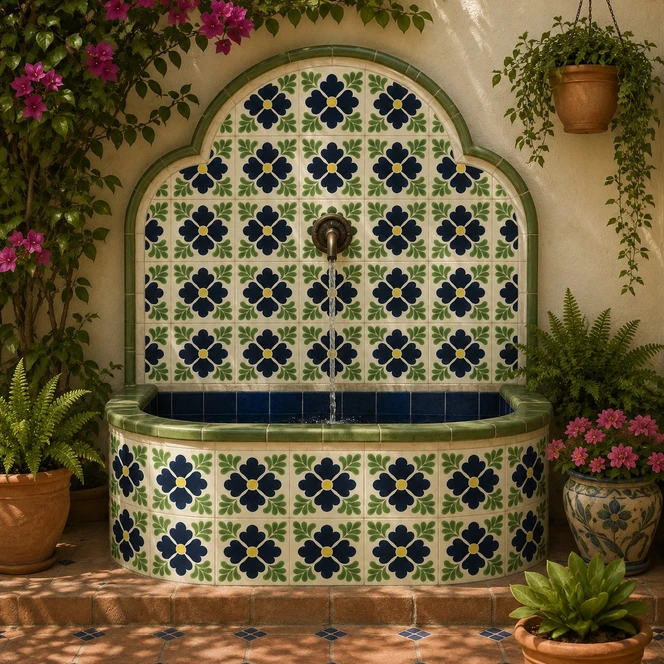
Decorating with Spanish Style Ceramic Tile: Timeless Color, Pattern, and Artisan Heritage
Decorating with Spanish style ceramic tile introduces color, pattern, and architectural character inspired by centuries of Mediterranean and Mexican craftsmanship. Often associated with Talavera pottery, these hand-painted tiles combine Spanish, Moorish, and Mexican influences in surfaces that feel vibrant, traditional, and highly personal. Whether installed as a kitchen backsplash, bathroom accent, stair-riser detail, fireplace surround, or patio feature, handmade ceramic tiles can transform ordinary walls into decorative focal points while preserving the warmth and individuality of artisan production.
Blog Summary
- Product: Spanish style ceramic tile
- Heritage: Spanish and Moorish influence
- Best For: Walls and decorative accents
- Styles: Hacienda to contemporary
- Craft: Handmade in Mexico

The Origins of Spanish Style Tile
The history of Spanish decorative tile reflects centuries of cultural exchange. Ceramic traditions developed through the combination of European pottery methods, Islamic geometric ornament, surface glazing, and regional craftsmanship.
Talavera de la Reina became especially well known for painted ceramics and architectural tile, helping establish a decorative vocabulary based on cobalt blue, white backgrounds, floral forms, geometric borders, and carefully organized repeating patterns.
Spanish and Moorish Design Influence
Moorish art contributed complex geometry, interlaced patterns, stars, scrolls, and symmetrical layouts to Spanish decorative traditions. These influences became visible in palaces, courtyards, fountains, churches, and residential architecture throughout the Iberian Peninsula.
Spanish artisans later adapted these visual ideas into glazed ceramic surfaces that combined decorative precision with practical durability.
Common Design Elements
- Geometric Stars: Moorish-inspired order
- Floral Rosettes: Traditional ornament
- Cobalt Borders: Strong visual definition
- Interlaced Lines: Repeating movement
- Symmetry: Balanced tile composition
How Talavera Reached Mexico
Spanish settlers introduced glazed pottery and tile-making methods to central Mexico during the Colonial period. Local artisans gradually adapted those techniques through regional clay, Indigenous artistic traditions, Mexican color palettes, and new decorative subjects.
The result was a distinctive form of ceramic art that preserved Spanish influence while becoming unmistakably Mexican.
Important Ceramic Centers in Mexico
Puebla and Dolores Hidalgo became important centers for painted ceramics, decorative tile, household pottery, and architectural ornament. Their churches, civic buildings, courtyards, and traditional homes continue to display elaborate ceramic surfaces.
These regions helped preserve the hand-painted techniques still used for Talavera-style tiles and Talavera bathroom sinks.
Regional Traditions
- Puebla: Historic Talavera production
- Dolores Hidalgo: Colorful ceramic craft
- Guanajuato: Artisan home décor
- Central Mexico: Colonial tile heritage
- Modern Workshops: Continued hand painting
Architecture and Social Status
Decorative ceramic tile was historically used in churches, monasteries, civic buildings, fountains, courtyards, and private residences. Elaborate tiled surfaces could communicate prosperity, cultural sophistication, and access to skilled artisan work.
Because the material was both decorative and durable, it became associated with prestigious public architecture and wealthy Colonial interiors.
The Casa de los Azulejos
One of the most recognizable examples of tiled architecture in Mexico is the Casa de los Azulejos in Mexico City. Its blue-and-white ceramic façade demonstrates how tile can transform an entire building into a visual landmark.
The project also illustrates the enduring connection between Spanish ceramic traditions and Mexican architectural identity.
Handcrafted Talavera Production
Traditional Talavera-style tile is formed, dried, fired, glazed, painted, and fired again. Each piece requires several stages of manual work, and the artisan applies decorative color with brushes rather than industrial printing equipment.
Because the tiles are handmade, slight differences in dimensions, color density, brushwork, glaze, and edge shape are expected.
Artisan Characteristics
- Hand Formed: Individual ceramic body
- Hand Painted: Applied brushwork
- Glazed: Bright protective surface
- Kiln Fired: Durable ceramic finish
- Unique: Natural handmade variation
Why Spanish Style Tile Remains Popular
Spanish style ceramic tile remains relevant because it combines beauty with practical performance. The glazed surface protects walls while introducing color and pattern that can remain attractive for decades.
Its visual versatility also allows it to work in traditional homes, rustic interiors, Mediterranean villas, Southwestern residences, and contemporary spaces seeking a handcrafted focal point.
Kitchen Backsplash Applications
A kitchen backsplash is one of the most effective locations for Spanish style tile. Decorative patterns create a focal point behind the sink or range while protecting the wall from splashes and everyday cooking activity.
A full patterned field creates a stronger traditional statement, while a framed panel or narrow border provides a more restrained accent.
Backsplash Ideas
- Full Wall: Complete decorative field
- Range Panel: Framed focal area
- Accent Band: Narrow ceramic strip
- Mixed Patterns: Eclectic artisan layout
- Solid Borders: Structured tile frame
Bathroom Walls and Vanities
Spanish style tile works naturally in bathrooms because ceramic surfaces resist moisture and clean easily. Patterns may be installed behind a vanity, around a mirror, inside a niche, or along a wainscot.
When paired with a hand-painted sink, the tile can create a complete artisan bathroom inspired by Colonial Mexican interiors.
Pairing Tile with Copper Fixtures
Copper adds warmth against cobalt, white, green, terracotta, and yellow tile. A hammered sink, mirror, range hood, or bathtub can balance colorful ceramic surfaces with rich natural metal.
Imagine soaking in a hammered copper bathtub surrounded by decorative Mexican tile, natural wood, and hand-forged iron details.
Metal Pairings
- Copper: Warm artisan contrast
- Iron: Spanish Colonial character
- Brass: Golden traditional detail
- Bronze: Aged architectural warmth
- Zinc: Cooler modern balance
Stair-Riser Decoration
Stair risers provide an ideal location for patterned tile because each step can display a different motif while remaining connected through a shared palette. This creates movement and visual rhythm throughout the staircase.
For a more formal appearance, one repeating pattern may be used across all risers.
Fireplace Surrounds
Decorative ceramic tile can transform a fireplace into an architectural centerpiece. Floral, geometric, or relief patterns frame the firebox while coordinating with stone, wood, plaster, and iron.
Spanish-style fireplace surrounds work especially well in living rooms, dining rooms, kitchens, and covered outdoor areas.
Architectural Applications
- Fireplace: Decorative surround
- Stair Risers: Patterned sequence
- Wall Niche: Framed ceramic detail
- Doorway: Colorful border
- Fountain: Traditional water feature
Courtyards and Patios
Spanish and Mexican architecture often uses tile throughout courtyards, patios, fountains, outdoor kitchens, and covered terraces. Ceramic color contrasts beautifully with stucco walls, terracotta floors, stone, iron furniture, and garden plants.
Exterior installations should be evaluated according to climate, moisture exposure, substrate conditions, and freeze-thaw risk.
Indoor and Outdoor Use
Handmade ceramic tile may be installed indoors and in selected protected exterior spaces. Covered patios and sheltered walls generally offer better conditions than fully exposed surfaces.
In colder climates, an installer should confirm whether the tile and installation system are appropriate for outdoor use before the project begins.
Plain and Patterned Tiles
Spanish style ceramic tile is available in both solid-color and patterned designs. Plain tiles create visual rest and may be used as borders, field surfaces, or transitions between more detailed motifs.
Patterned tiles introduce stronger cultural character through flowers, stars, scrolls, medallions, and geometric compositions.
Tile Categories
- Solid Color: Simple ceramic field
- Patterned: Decorative repeating motif
- Relief: Raised surface design
- Border: Framing and transition
- Mural: Large painted artwork
High-Relief Ceramic Tile
Relief tiles add sculptural dimension by raising the decorative motif above the ceramic background. Light creates highlights and shadows across the pattern, making the surface more dynamic than flat tile.
Relief designs work especially well on backsplashes, vanity walls, stair risers, fireplaces, and framed accent panels.
Traditional Color Palettes
Cobalt blue and white remain among the most recognizable Spanish-style combinations. Terracotta, yellow, green, turquoise, cream, and red can add warmth and a stronger Mexican influence.
The palette should be selected according to the surrounding cabinetry, stone, flooring, furniture, and amount of natural light.
Popular Colors
- Cobalt: Historic blue accent
- White: Bright ceramic background
- Terracotta: Warm earthy tone
- Green: Botanical color
- Yellow: Cheerful traditional highlight
Choosing the Correct Color Balance
A room with heavily patterned tile often benefits from neutral walls, simple cabinetry, and restrained countertops. This gives the ceramic work enough visual space to remain the focal point.
In a quieter interior, a small amount of colorful tile can provide energy without overwhelming the design.
Hacienda and Spanish Colonial Interiors
Spanish-style tile feels especially natural in Hacienda and Colonial interiors containing plaster walls, carved wood, wrought iron, copper, terracotta, and Cantera stone.
The ceramic pattern adds color while reinforcing the craftsmanship and architectural history associated with these materials.
Rustic and Farmhouse Design
Patterned tile can also add an Old World layer to rustic and farmhouse homes. When paired with wood cabinetry, apron-front sinks, open shelving, and aged metal lighting, it creates a kitchen or bathroom that feels collected and personal.
Muted colors and simple floral patterns generally work best when the surrounding room already contains substantial texture.
Compatible Styles
- Spanish Colonial: Historic character
- Hacienda: Authentic Mexican warmth
- Mediterranean: Colorful ceramic tradition
- Rustic: Handcrafted texture
- Farmhouse: Old World accent
Spanish Tile in Contemporary Interiors
Traditional ceramic can create effective contrast in contemporary rooms. A patterned backsplash or vanity wall softens flat cabinetry, concrete, glass, stainless steel, and minimalist architecture.
Choosing a limited color palette and geometric motif helps the tile feel integrated rather than overly decorative.
Modern Rustic Design
Modern rustic interiors combine natural materials and handcrafted surfaces with cleaner forms. Spanish-style tile supports this balance by adding heritage and texture without requiring elaborate furniture or decoration.
A simple tile panel behind a modern range or sink may be enough to give the room warmth and personality.
Mixing Tile Patterns
Mixed patterns can create an eclectic artisan surface, but the colors should remain connected. Repeating cobalt, white, terracotta, or green across several designs helps the installation feel intentional.
Dry-lay the tiles before installation to distribute similar motifs and colors evenly.
Pattern Planning Tips
- Dry Lay: Preview complete design
- Repeat Colors: Maintain visual unity
- Balance Motifs: Avoid clustered patterns
- Add Solids: Create visual rest
- Use Borders: Frame mixed fields
Grout Color and Final Appearance
Grout has a significant effect on the completed surface. White and cream keep the installation bright, while gray creates a more neutral appearance. Darker grout emphasizes every individual tile.
For detailed patterns, a quieter grout tone usually allows the ceramic design to remain dominant.
Grout Options
- White: Bright traditional contrast
- Cream: Warm understated finish
- Light Gray: Balanced neutral look
- Terracotta: Earthy rustic effect
- Charcoal: Strong tile definition
Understanding Handmade Variation
Handmade ceramic tile may vary slightly in color, dimensions, thickness, edge shape, brushwork, and glaze. These differences are expected and help create the distinctive appearance of artisan surfaces.
Professional installers can adjust grout spacing and tile placement to balance these natural variations.
Installation Planning
Before installation, verify the substrate, tile layout, grout width, trim pieces, adhesive, and relationship to cabinets, counters, outlets, and plumbing fixtures.
Dry-fitting the tile is especially important for mixed patterns, relief designs, and centered decorative panels.
Installation Guidelines
- Substrate: Clean and stable
- Layout: Plan before setting
- Spacing: Allow handmade variation
- Adhesive: Use ceramic-rated product
- Installer: Professional recommended
Cleaning Spanish Style Tile
Clean glazed ceramic with mild soap, warm water, and a soft cloth or sponge. Avoid abrasive pads, harsh acids, bleach, and aggressive chemicals that could dull the glaze or affect grout.
Relief tile may require occasional cleaning with a soft brush to remove dust from recessed areas.
Care Tips
- Clean: Mild soap and water
- Wipe: Remove spills promptly
- Avoid: Abrasive products
- Brush: Clean relief details gently
- Grout: Seal when appropriate
Why Handmade Ceramic Tile Stands Apart
Machine-made tile can imitate a pattern, but it cannot fully reproduce the brushwork, glaze movement, dimensional variation, and individual character of handmade ceramic.
Each artisan tile contributes to a surface that feels connected to cultural tradition and human craftsmanship rather than industrial uniformity.
Ordering from Mexico
Mexican ceramic tile can be ordered in many pattern, color, size, and relief variations. Homeowners should calculate the required area and include additional material for cuts, layout adjustments, handmade variation, and future repairs.
Explore additional painted Talavera tile designs and decorative ceramic tile ideas before finalizing the project.
Conclusion
Decorating with Spanish style ceramic tile connects modern interiors with centuries of Spanish, Moorish, and Mexican decorative tradition. Whether used on kitchen backsplashes, bathroom walls, stair risers, fireplaces, patios, or architectural accents, handcrafted tile introduces color, durability, and cultural character. With thoughtful pattern selection, balanced materials, proper installation, and gentle maintenance, Spanish-style Talavera ceramics can create timeless interiors that feel artistic, welcoming, and deeply personal.