 US Dollar
 Euro
Euro
 Australian Dollar
 Canadian Dollar
 Polish Zloty
 British Pound

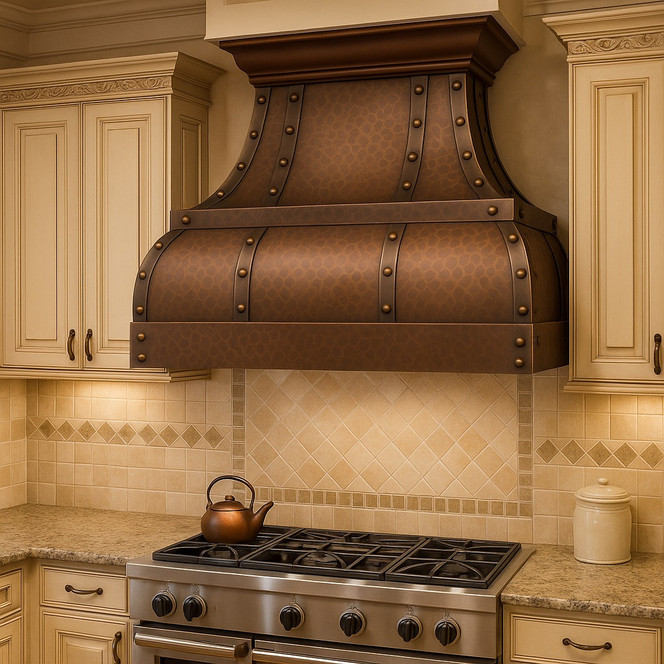
40-Inch Copper Range Hood for Wall, Island, and Under-Cabinet Kitchens Guide explains how a handcrafted copper hood in a practical 40-inch width can serve kitchens that need a made-to-order focal point with flexible installation planning. This design can be adapted for wall-mount, island, or under-cabinet layouts, depending on cabinetry, ceiling structure, duct routing, and insert requirements. The copper surface adds warmth above the range, while the handcrafted construction gives each hood natural variation, patina movement, surface character, and individual artisan detail. Because every hood is made by hand, small differences in texture, tone, seams, edge shaping, and finish depth should be expected. No two pieces are identical, and those variations are part of the value of custom copper metalwork. Explore the 40-inch copper range hood to review sizing, mounting options, finish choices, and ventilation planning.
Blog Summary
- Width: 40-inch copper hood
- Mount: Wall, island, or under-cabinet
- Material: Handcrafted copper
- Finish: Natural patina variation
- Use: Custom kitchen ventilation shell
- Planning: Insert and duct review
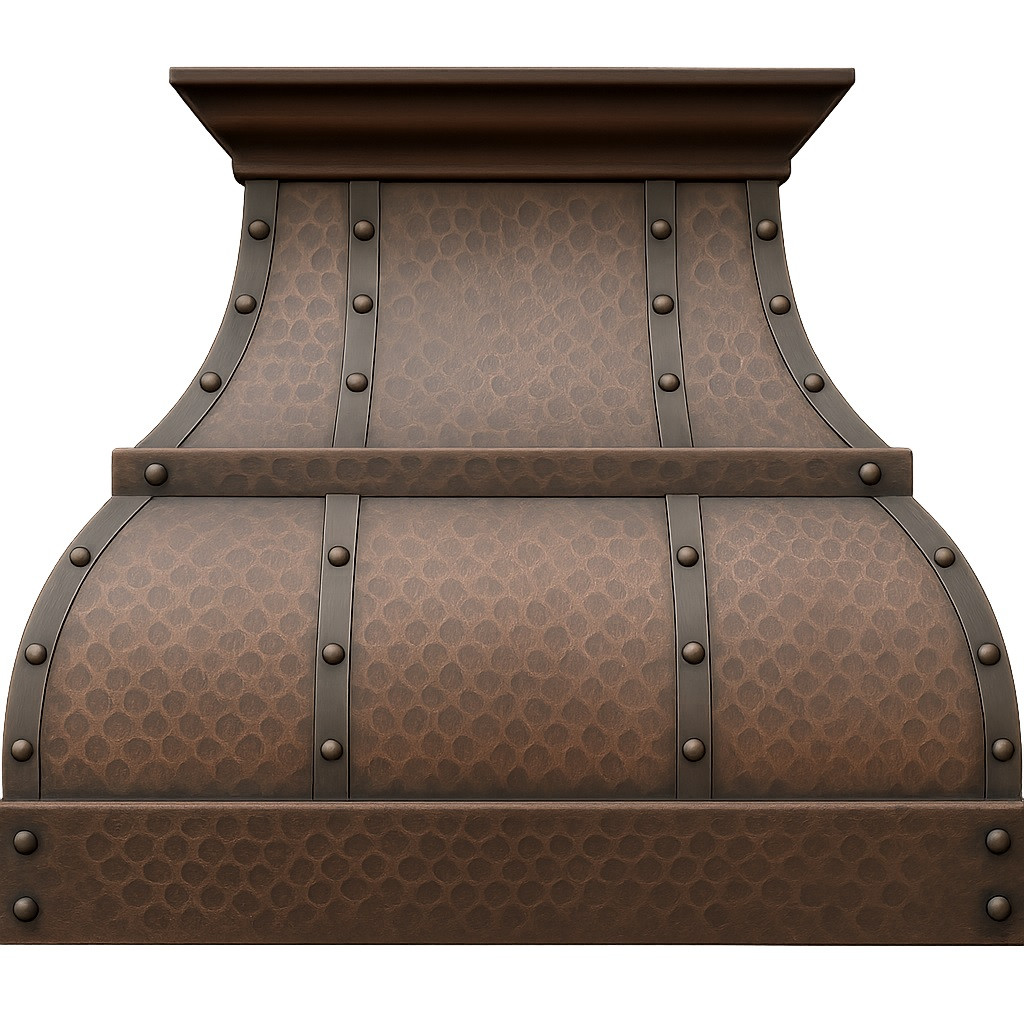
Product Overview
A 40-inch copper range hood is a useful size for kitchens that need more presence than a compact 30-inch or 36-inch hood, but do not require an oversized custom statement. The additional width can help balance larger ranges, wider cooktops, or a more generous cooking wall. Since this model can be planned for wall, island, or under-cabinet use, it gives homeowners and designers more flexibility than a single-layout hood. The final appearance depends on the selected mount style, finish, height, depth, apron detail, and ventilation equipment.
Why 40 Inches Works
The 40-inch width is valuable because it offers visual breathing room around many standard cooking appliances. A hood that is too narrow can look undersized, especially when the backsplash, cabinets, and range wall are broad. A 40-inch copper hood can give the cooking area better proportion while still fitting many residential kitchens. It can also make the handmade copper surface easier to appreciate because the hood has enough width to show patina movement, texture, and shaped metal detail.
Planning Benefits
- Scale: Wider than common compact sizes
- Balance: Strong range-wall presence
- Flexibility: Three mounting options
- Material: Warm handmade copper
- Finish: Visible patina character
Wall-Mount Option
A wall-mounted 40-inch copper range hood is centered against the backsplash and usually becomes the main feature of the cooking wall. This layout works well when the range or cooktop sits between cabinets, shelves, windows, or open wall space. The hood should be planned with the range width, backsplash height, cabinet spacing, ceiling height, duct route, and desired lower clearance. A wall-mounted copper hood can feel traditional, rustic, transitional, farmhouse, Mediterranean, or contemporary depending on its final shape and finish.
Island-Mount Option
An island-mounted copper hood must be considered from every visible side. Unlike a wall hood, an island hood is seen from the kitchen, dining area, and surrounding rooms. This means the side profile, back surface, finish consistency, trim details, and ceiling connection are especially important. A 40-inch island hood can work well above an island cooktop when the ceiling structure, duct route, electrical access, and blower or insert plan are confirmed before fabrication. Sightlines should be reviewed carefully so the hood feels balanced rather than bulky.
Under-Cabinet Option
An under-cabinet copper hood is designed to fit beneath upper cabinets, making it practical for kitchens with limited vertical space or existing cabinet runs. In this layout, the 40-inch width should be coordinated with cabinet dimensions, cooking surface width, underside clearance, and insert access. Under-cabinet copper hoods usually feel more compact than full chimney hoods, but they can still add strong handcrafted character. For cabinetry planning, review the under-cabinet copper hood guide.
Copper Material Character
Copper is chosen for range hoods because it adds warmth, depth, and surface movement to the kitchen. Depending on the finish, the hood may show reddish, amber, honey, brown, antique, coffee, or darker patina tones. The material reacts beautifully to kitchen lighting and surrounding finishes, including stone, tile, plaster, wood, and painted cabinetry. Since the hood is handmade, the copper should not be expected to look perfectly uniform. Tone movement, small tool marks, seam transitions, and finish variation are normal.
Handcrafted Variation
Every handmade copper hood carries individual differences. One hood may show stronger patina movement along edges, while another may have more visible tone shifts across the body. Handmade shaping can also create subtle variations in seams, corners, apron lines, crown details, and surface texture. These details should not be treated as factory defects. They are part of the artisan process and help distinguish custom copper from stamped, mass-produced metal. Buyers who want a completely uniform appliance surface may prefer stainless steel, while buyers who want warmth and individuality often prefer copper.
Material Details
- Copper: Warm living metal surface
- Patina: Natural tone movement
- Texture: Handmade surface detail
- Edges: Artisan-shaped transitions
- Variation: Each hood is unique
Finish Selection
Finish selection changes the entire mood of a 40-inch copper range hood. Natural copper creates a warm classic appearance. Honey copper can feel softer and more golden. Antique copper adds aged depth. Coffee patina creates a darker, more dramatic effect. A hand-polished finish may introduce brighter highlights, while oxidized accents can create a more artistic or historic look when available. The finish should be selected with cabinets, countertops, backsplash, hardware, flooring, lighting, and appliance color in mind. For more detail, review the copper patina guide.
Shape and Style Planning
A 40-inch copper hood can be shaped in several ways depending on the kitchen plan. Bell-shaped hoods add softness and traditional movement. Tapered hoods create a cleaner angled profile. Dome hoods feel rounded and sculptural. Box-style hoods work well in modern or under-cabinet layouts. Aprons, straps, rivets, bands, crown molding, or smoother faces can further change the final look. The shape should match the kitchen architecture instead of being chosen only by width. For broad comparisons, review the range hood shapes guide.
Cabinet Coordination
Cabinet color has a major effect on how copper appears. Warm white and cream cabinets create a bright contrast with copper. White oak and pale wood make the hood feel softer and more organic. Walnut, alder, cherry, and dark stained wood create a richer traditional or rustic look. Deep green, navy, charcoal, and black cabinetry can make the copper feel dramatic. Hardware should be chosen carefully so the metal palette feels intentional. Bronze, aged brass, black iron, pewter, nickel, and stainless steel can all work when repeated consistently.
Backsplash Coordination
The backsplash should support the copper rather than compete with it. Stone slab, plaster, limestone, marble, quartzite, travertine, brick, zellige, handmade ceramic tile, and quiet field tile can all work. A busy patterned tile may be successful, but only when the colors coordinate with the copper finish. Warm white, cream, tan, brown, gray, black, green, blue, and terracotta tones can all support copper when repeated carefully through the room. A simpler backsplash often makes the hood shape and patina easier to appreciate.
Size and Clearance
Before ordering a 40-inch copper hood, confirm the cooking surface width, ceiling height, available wall space, cabinet spacing, hood height, depth, lower clearance, and duct path. A 40-inch hood may be ideal when the range or cooktop needs a little extra width for visual proportion, but the surrounding cabinets must still have enough room. The hood should not crowd upper cabinets or feel too small against a large range wall. For additional planning, review the popular copper hood sizes.
Ventilation Insert Planning
The copper hood is the visible shell, while the insert, blower, and ducting handle cooking exhaust. Rustica House can supply the 200 CFM insert only. Buyer-supplied internal inserts are supported up to 1,260 CFM, and buyer-supplied external blowers are supported up to 1,500 CFM when complete specifications are provided before production. Any insert, liner, blower, lighting, filter system, or recirculating setup beyond the Rustica House 200 CFM insert must be supplied by the buyer. For technical guidance, review the range hood insert guide.
Insert Details
- Rustica: 200 CFM insert only
- Internal: Up to 1,260 CFM
- External: Up to 1,500 CFM
- Buyer: Supplies other systems
- Specs: Required before production
Measurements to Send
Before production begins, buyers should send the range or cooktop width, desired hood width, ceiling height, wall or island layout, under-cabinet conditions when relevant, desired hood height, depth, lower clearance, duct route, backsplash conditions, cabinet spacing, finish preference, texture preference, trim details, and ventilation equipment specifications. If using a buyer-supplied internal insert up to 1,260 CFM or an external blower up to 1,500 CFM, send the brand, model, cutout dimensions, liner requirements, duct size, discharge direction, controls, lights, filters, and service-access information.
Installation Planning
Installation planning should be handled before fabrication, not after the hood arrives. A wall-mounted hood requires secure wall support, duct routing, insert access, and alignment with the range. An island hood requires ceiling support, finished visible sides, and careful sightline review. An under-cabinet hood requires cabinet clearance, underside access, and compatibility with the selected insert. Electrical connections, duct size, makeup air requirements, local code, and appliance manufacturer requirements should be reviewed by qualified professionals. For broader installation information, use the range hood installation guide.
Care and Cleaning
Copper should be cleaned gently to preserve the finish. Use a soft cloth, warm water, and mild soap for routine wiping, then dry promptly. Avoid abrasive pads, steel wool, bleach, ammonia, acidic cleaners, and harsh degreasers because they can scratch the copper or disturb the patina. Wipe carefully around corners, seams, straps, rivets, apron edges, underside areas, and insert openings so grease does not build up in details. For deeper guidance, review the copper hood care guide.
Common Questions
What makes this copper hood unique?
This hood offers a 40-inch copper width with wall, island, or under-cabinet planning, handmade metal character, custom finish options, and insert preparation.
Is 40 inches a good hood width?
Yes. A 40-inch hood can provide more visual balance than smaller sizes while still fitting many residential kitchen layouts.
Can this hood be wall mounted?
Yes. A wall-mounted layout can be planned when range position, cabinet spacing, backsplash height, duct route, and support are reviewed.
Can this hood be island mounted?
Yes. Island mounting may be planned when ceiling support, visible sides, duct routing, electrical access, and insert details are confirmed.
Can this hood fit under cabinets?
Yes. Under-cabinet preparation may be planned when upper cabinet clearance, insert access, duct route, and finished dimensions are reviewed.
Will each copper hood look identical?
No. Each hood is handmade, so patina movement, tone variation, seam detail, edge shaping, and surface character vary from piece to piece.
What copper finishes are available?
Finish options may include natural, honey, antique, coffee, hand-polished, oxidized, or other available patina directions depending on the order.
What backsplash works well with copper?
Stone slab, plaster, limestone, marble, quartzite, travertine, brick, zellige, handmade tile, and quiet field tile can all work.
How should copper be cleaned?
Use mild soap and a soft cloth, then dry promptly. Avoid abrasive pads, acids, bleach, ammonia, steel wool, and harsh degreasers.
What ventilation systems are supported?
Rustica House can supply the 200 CFM insert only. Buyer-supplied internal inserts up to 1,260 CFM and external blowers up to 1,500 CFM are supported when complete specifications are provided before production.
Design Summary
A 40-inch copper range hood is a practical choice for kitchens that need a slightly wider handcrafted focal point with flexible installation options. It can be planned for wall-mount, island, or under-cabinet layouts when dimensions, support, ducting, and ventilation equipment are reviewed before fabrication. The copper finish adds warmth, while the handmade construction gives every hood individual patina movement and artisan character. Proper size planning, finish selection, insert preparation, installation review, and gentle cleaning help the hood remain both functional and visually important.
Final Design Guidance
40-Inch Copper Range Hood for Wall, Island, and Under-Cabinet Kitchens Guide shows how copper material, 40-inch width, mounting layout, finish selection, ventilation planning, and handcrafted variation work together. Choose this hood when the kitchen needs a custom copper centerpiece that can adapt to wall, island, or under-cabinet conditions. Pair it with painted cabinetry, white oak, walnut, plaster, limestone, marble, quartzite, travertine, handmade tile, brick, soapstone, bronze hardware, black iron lighting, pewter pulls, stainless appliances, or warm neutral finishes. Confirm width, height, depth, lower clearance, installation type, insert details, blower specifications, duct route, cabinet spacing, backsplash conditions, and copper finish before production. Customize the 40-inch copper range hood with Rustica House for a made-to-order kitchen focal point.