US Dollar
 Euro
Euro
 Australian Dollar
 Canadian Dollar
 Polish Zloty
 British Pound








Product Description
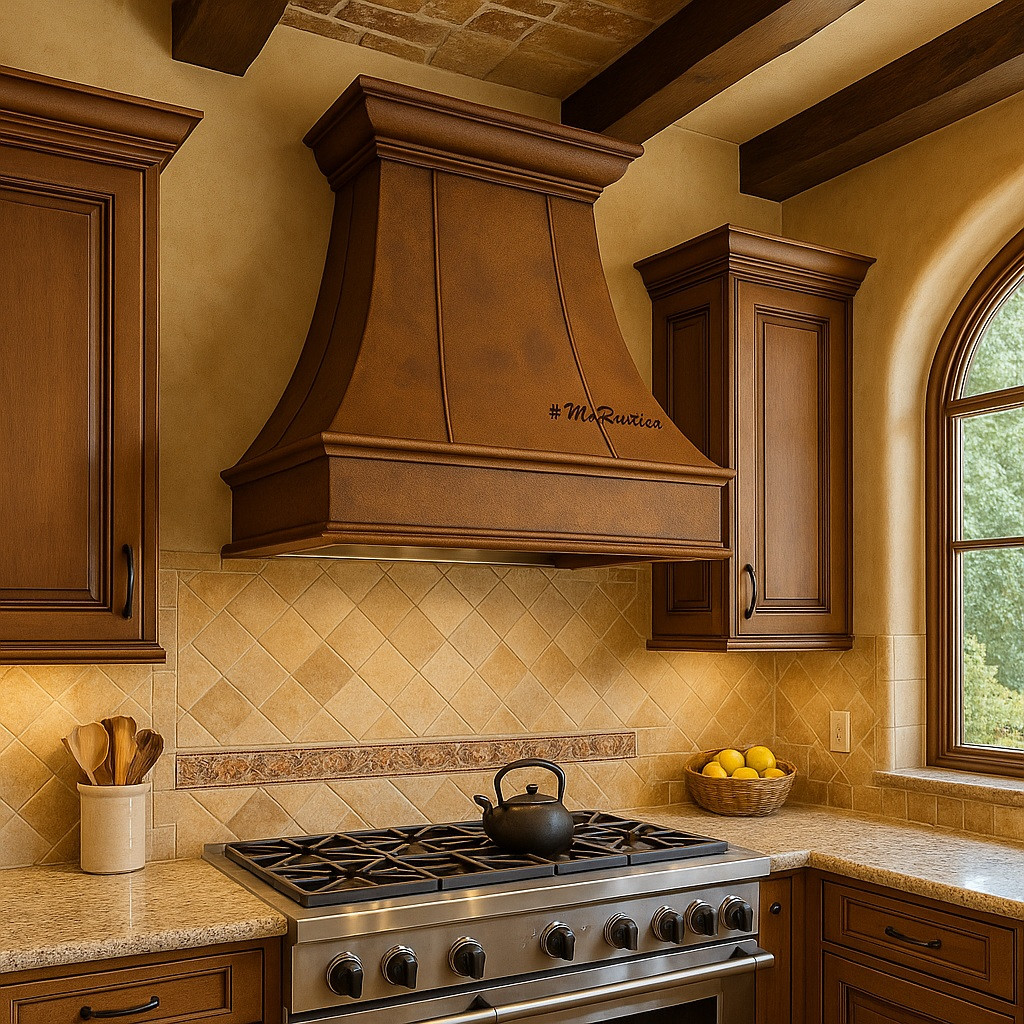
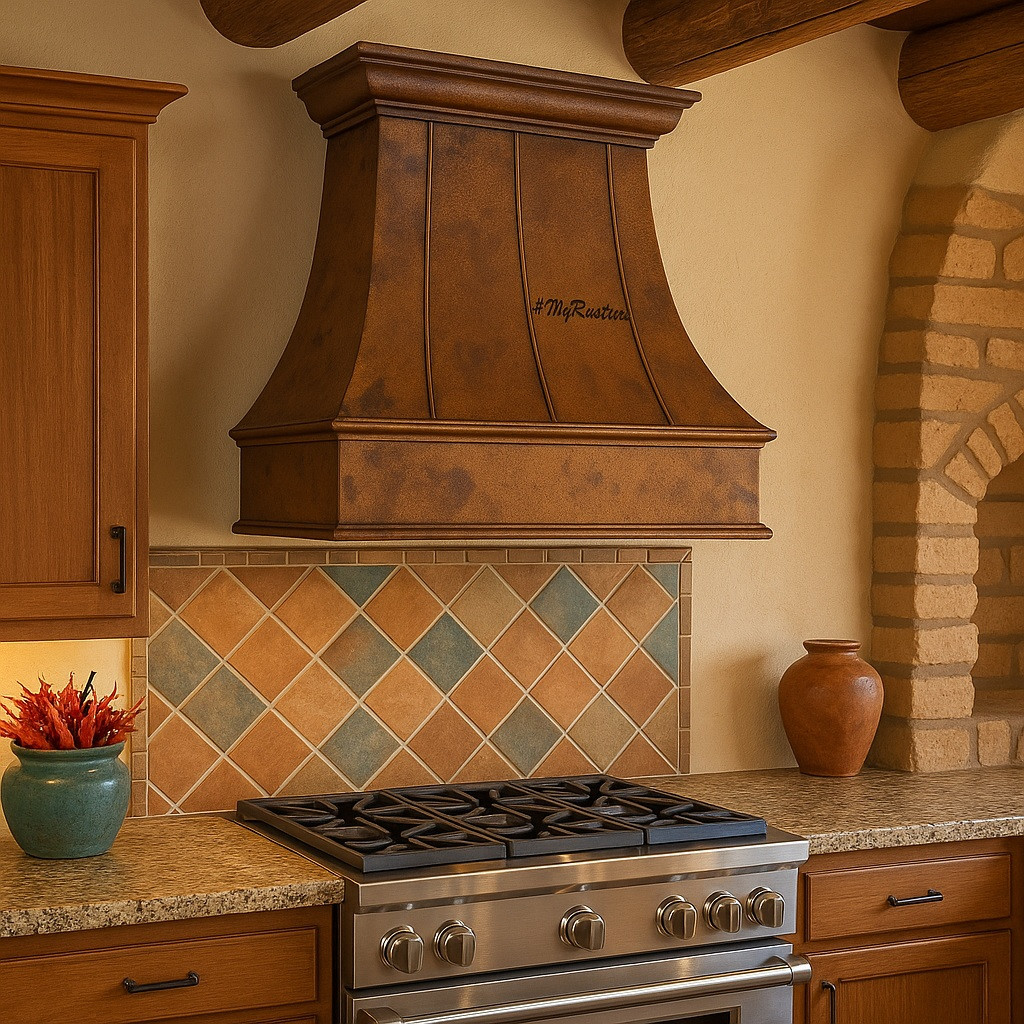
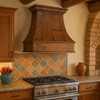
This traditional hammered copper range hood canopy with wide apron combines a softly flared body, broad lower frame, riveted vertical straps, and hand-worked copper into a substantial architectural centerpiece. The canopy widens gradually toward the cooking surface, creating generous visual mass without the pronounced waist of a bell hood or the straight planes of a pyramidal design. A wide apron anchors the lower edge, while vertical straps and evenly spaced rivets introduce measured structure across the hammered surface. Available in widths from 28 to 78 inches, heights from 24 to 72 inches, and a standard 24-inch depth, the hood can be prepared for wall-mounted or kitchen island installation. Copper texture, finish, proportions, and ventilation preparation may be customized. Request a custom quote for your kitchen project.
Product Summary
- Shape: softly flared canopy
- Material: 16-gauge copper
- Texture: hand hammered
- Apron: broad lower frame
- Straps: riveted vertical bands
- Widths: 28 to 78 inches
- Height: 24 to 72 inches
- Depth: 24 inches standard
- Mount: wall or island
Custom Sizing
The hood may be proportioned around the cooking surface, ceiling height, cabinetry, backsplash, and desired architectural scale. Widths from 28 to 78 inches and heights from 24 to 72 inches cover most residential installations, while custom dimensions can be reviewed for unusual layouts. The canopy flare, apron height, chimney width, strap spacing, and projection should be adjusted together so the finished hood retains its balanced relationship between the upper body and broad lower frame.
Measurements Needed
Provide the cooking-surface width, preferred hood width, available height, mounting height, backsplash thickness, nearby cabinet clearances, and duct route. Island projects also require ceiling height, structural-support locations, finished centerline, and the desired appearance of all exposed sides. These measurements help coordinate the copper shell with the selected ventilation equipment before production.
Insert Planning
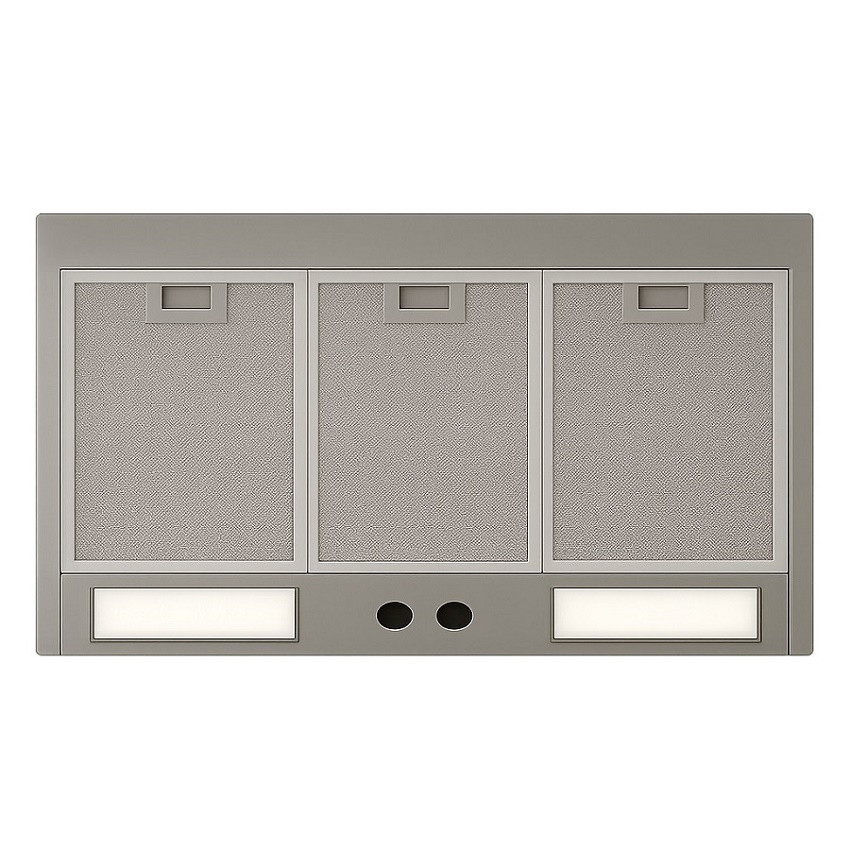
The copper body is fabricated as an insert-ready shell. Rustica House can supply an optional 200 CFM insert for suitable applications. This range hood supports buyer-supplied inserts up to 1,260 CFM and external blower systems up to 1,500 CFM. Complete insert specifications should be supplied before production so the opening, internal support, duct position, lighting clearance, controls, filters, and service access can be prepared correctly.
Drawing Approval
For custom proportions or buyer-supplied ventilation, provide the insert manufacturer, model, body dimensions, liner cutout, duct diameter, discharge position, controls, lighting, and service clearances. Exterior dimensions, canopy flare, apron depth, strap layout, insert opening, and duct location can then be coordinated before fabrication so the final enclosure reflects the approved project requirements.
Design Difference
This model differs from heavily curved bell hoods and sharply geometric tapered hoods by using a softer, more gradual flare. The broad apron is the dominant lower element, giving the hood a low visual center of gravity and a substantial hearth-like presence. Riveted straps provide structure across the canopy, but they remain secondary to the overall form, allowing the hammered copper surface and wide architectural base to define the design.
Canopy Form
The upper body widens progressively as it approaches the cooking area. Rather than producing a pronounced waist or abrupt change in direction, the canopy uses restrained outward movement that gives the hood a traditional profile with controlled proportions. This softer geometry works particularly well over large ranges where a visually substantial enclosure is needed without the dramatic curvature of more sculptural designs.
Wide Apron
The apron extends across the full width and creates a strong horizontal termination beneath the flared canopy. Its depth visually anchors the hood and gives the lower section enough scale to balance the tall body above. The broad frame also provides useful space for liner preparation, filters, lighting, and service access while reinforcing the appearance of a permanent architectural feature rather than a conventional appliance.
Riveted Straps
Vertical copper straps create a measured rhythm across the front elevation. Their placement reinforces symmetry and visually connects the upper body with the wide apron below. Evenly spaced copper rivets make the handcrafted construction visible without creating the heavier industrial appearance associated with oversized fasteners or contrasting black-steel hardware.
Hammered Surface
Dense hand hammering breaks reflected light into hundreds of small highlights and shadows, giving the broad copper panels depth without applied ornament. Individual impressions vary slightly in shape, direction, and depth, which distinguishes the surface from mechanically embossed metal. Raised areas reveal warmer copper tones, while recessed marks retain darker patina and increase visual texture.
Finish Options
The hood can be ordered in natural fired, rustic antique, dark coffee, warm honey, or oxidized-green patina, as well as rustic hand-polished copper. Natural and honey treatments reveal more of the warm copper base, while antique and coffee create deeper brown character. Oxidized green introduces stronger historical aging, and hand polishing creates brighter reflections while retaining visible evidence of handcrafted finishing.
Design Influence
The architecture draws from traditional European hearth canopies, early architectural copperwork, and handcrafted Mexican metalworking without reproducing one historic model. The broad apron gives the hood the substantial base associated with masonry and furniture-inspired kitchen surrounds, while the riveted straps express traditional fabricated construction. Its relatively restrained flare allows those influences to remain adaptable rather than locking the hood into a single period style.
Buyer Table
Dimensions, canopy geometry, strap spacing, apron scale, mounting format, and ventilation equipment should be planned together because changes to one feature may affect the lower opening, duct position, projection, or internal support.
| Planning | Confirm | Purpose |
| Hood size | Width, height, depth | Sets scale and capture |
| Canopy flare | Curve and projection | Defines the silhouette |
| Apron size | Height and depth | Anchors the lower body |
| Strap layout | Position and rivets | Controls front rhythm |
| Ventilation | Insert, blower, duct | Guides fabrication |
Product Specifications
- Type: custom copper hood
- Material: 16-gauge copper
- Shape: softly flared canopy
- Texture: hand hammered
- Apron: wide lower frame
- Straps: riveted copper bands
- Widths: 28 to 78 inches
- Height: 24 to 72 inches
- Depth: 24 inches standard
- Mount: wall or island
- Ventilation: insert-ready shell
- Insert: optional 200 CFM
- Buyer insert: up to 1,260 CFM
- External blower: up to 1,500 CFM
- Finishes: five patinas or polished
- Lead time: about 6 weeks
- Delivery: about 8 weeks in total
- Shipping: free to the USA mainland
- Origin: handcrafted in Mexico
- SKU: HL91P0U81
- MPN: HL91P0U81
Copper Craftsmanship
Artisans shape the chimney, canopy, apron, straps, side returns, and internal supports around approved dimensions before hand hammering and finishing the copper. Rivet positions are aligned after the strap layout is established, and the shell is prepared around the selected insert or blower configuration. Slight differences in hammer depth, tool marks, seams, edge folds, and patina are expected results of manual fabrication and contribute to the individual character of each hood.
Artisan Testimony
Learn more about copper artisan Juan Carlos Hernández and the traditional forming, hammering, joining, and finishing methods associated with handcrafted copperwork from Santa Clara del Cobre.
Kitchen Styles
The softly flared form and substantial apron work best in interiors where warm metal, natural stone, wood, and traditional architectural details can support the hood without competing with its broad proportions.
- Traditional: Paneled cabinetry, natural stone, hardwood flooring, and classic hardware complement the broad apron and symmetrical strap layout. The canopy provides enough architectural presence for a formal cooking wall without requiring ornate appliqués or decorative scrollwork.
- Tuscan: Plaster walls, travertine, aged oak, terracotta, and warm bronze finishes reinforce the fire-aged copper. The substantial lower frame echoes the visual weight of masonry hearths and traditional European kitchen architecture.
- Modern Farmhouse: Painted Shaker cabinetry, white oak, soapstone, apron-front sinks, and restrained black hardware benefit from the handmade copper texture. The relatively controlled canopy flare keeps the hood from appearing excessively rustic.
- Spanish Colonial: Saltillo flooring, Talavera accents, dark wood, cantera stone, and forged iron provide an appropriate backdrop for the riveted copper. The broad apron gives the hood enough scale to balance arched openings and substantial architectural surfaces.
Additional Styles
- Rustic transitional
- Mediterranean
- European farmhouse
- Mountain lodge
Copper Hood FAQ
A: Its softly flared body, broad lower apron, vertical riveted straps, and dense hand hammering create a traditional architectural composition without an exaggerated bell waist.
A: Yes. Apron height, canopy flare, chimney width, strap position, and overall dimensions may be adjusted before fabrication.
A: Yes. Island construction includes finished exposed surfaces and preparation for suitable ceiling support, duct routing, and approved ventilation equipment.
A: Yes, subject to fit review. Submit the insert model, dimensions, liner cutout, controls, lighting, duct outlet, and service clearances before production.
A: Choose natural fired, rustic antique, dark coffee, warm honey, oxidized green, or rustic hand-polished copper.
A: Yes. Strap width, placement, spacing, and rivet pattern may be reviewed with the overall canopy proportions before fabrication.
Customize This Hood
Plan the hood around the cooking surface, available height, wall or island placement, desired apron scale, canopy projection, copper finish, structural support, and selected ventilation equipment. Confirm the strap layout, insert opening, and duct position before fabrication. Request a custom proposal from Rustica House.
Related Resources
- custom copper range hoods
- bell-shaped copper hoods
- sloping copper hoods
- Tuscan copper hood styles
- French country hoods
- Copper Range Hood FAQ
Care and Maintenance
Clean the hammered copper with mild soap, warm water, and a soft nonabrasive cloth, then dry the surface promptly. Avoid acids, ammonia, scouring pads, powdered cleaners, and aggressive metal polish that may alter the patina or flatten the hand-worked character. Review the complete copper range hood cleaning and care guide for recommended maintenance methods.
Installation Guide
Coordinate wall blocking or ceiling support, mounting height, duct routing, electrical service, liner access, and insert clearances before fabrication. Review the metal range hood installation guide before approving final dimensions.
Shipping & Returns
Each hood is handcrafted to order and securely crated for insured freight delivery. Production takes about six weeks, with delivery commonly reaching about eight weeks in total. Review inspection procedures, custom-order limitations, and eligibility on the shipping and returns page.
Warranty
The handcrafted copper shell and replacement components for a Rustica House-supplied insert include 12-month coverage. Review exclusions, responsibilities, limitations, and claim procedures on the Rustica House warranty page.
Disclaimer: Handmade dimensions, canopy curves, hammer impressions, seams, strap alignment, rivet spacing, and patina tones may vary slightly. These differences are expected in handcrafted copper and are not manufacturing defects. Lifestyle images are provided for inspiration only and may show optional customizations. All product images © Rustica House, unauthorized use is prohibited.