 US Dollar
 Euro
Euro
 Australian Dollar
 Canadian Dollar
 Polish Zloty
 British Pound

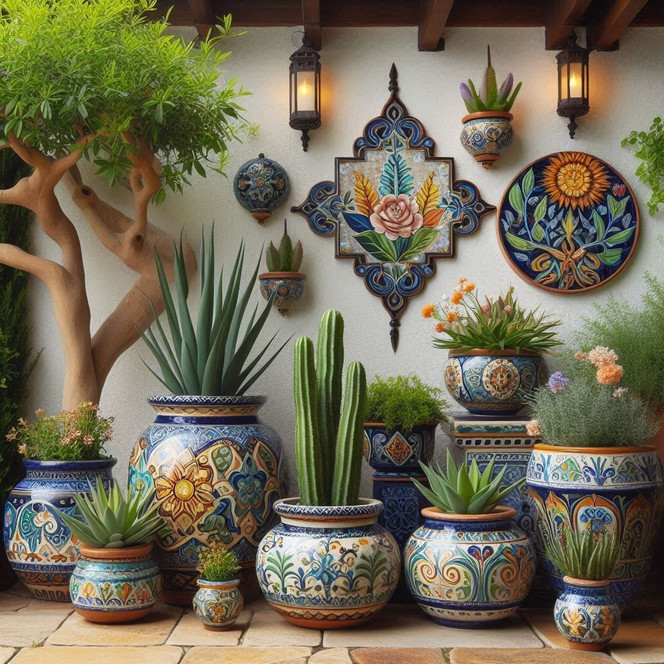
Upgrading Décor with Rustica House Accents is an easy way to refresh a home without completing a complicated renovation. Hand-painted ceramics, decorative mirrors, forged iron lighting, pottery, planters, and seasonal textiles can introduce warmth, color, and handcrafted character into living rooms, kitchens, bedrooms, entryways, patios, and gardens. Small changes become especially effective during autumn and winter, when interiors benefit from brighter accents and inviting textures. Begin with a colorful Talavera decorative accent plate and build the room around its artisan color and traditional Mexican design.
Seasonal Décor Refresh
Autumn is an ideal time to review the rooms used most often and identify places that feel plain, dark, or unfinished. A full remodel is rarely necessary. One decorative mirror can bring more light into an entryway, while a group of ceramic plates can add color to a dining room wall. A handcrafted planter introduces greenery and natural texture, and a forged iron fixture can change the atmosphere of an entire room. The most successful updates improve the existing interior rather than replacing everything. Begin with one focal point, then repeat its colors, materials, or style through smaller accents.
Choosing the First Accent
The first decorative addition should respond to a visible area of the room. Empty walls, dark corners, plain console tables, open shelves, and unused niches are excellent starting points. Consider what the space lacks. A dark room may benefit from a mirror. A neutral room may need painted ceramic color. A large dining area may need stronger lighting, while a patio may feel more inviting with pottery and plants. Choosing one meaningful piece creates direction for the remaining décor. The goal is not to fill every surface, but to introduce accents that look intentional and connected.
Simple Starting Points
- Brighten an empty wall
- Decorate open shelving
- Update a dark entryway
- Add color near seating
- Style a patio corner
Copper Mirror Accents
Mirrors are among the most effective decorating tools because they add reflection, visual depth, and a stronger sense of space. A handcrafted copper mirror can warm dining rooms, bedrooms, bathrooms, and entry halls without requiring structural changes. The final style depends on the frame shape, hammered texture, and patina finish. A dark coffee patina feels rustic and substantial, while natural or honey copper creates a lighter effect. Oval and round mirrors soften straight furniture lines, while square and rectangular frames support more formal layouts. Explore handcrafted copper mirror ideas before selecting a frame.
Mirror Placement Guide
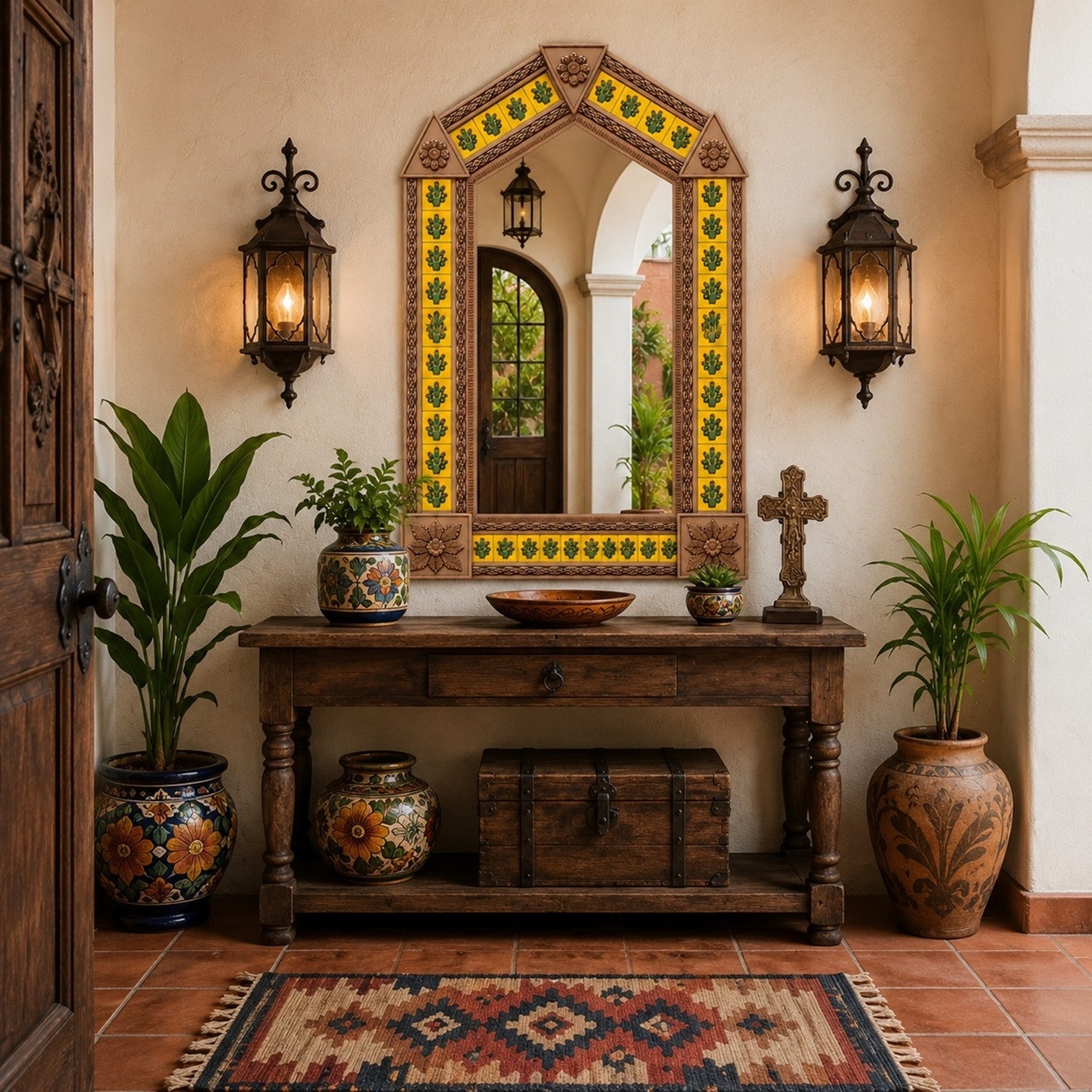
A mirror should reflect something attractive whenever possible. Position it across from a window to increase natural light or opposite artwork, pottery, or architectural details to repeat those features visually. In an entryway, place the mirror above a console table with enough space around the frame. In a dining room, a larger horizontal mirror can reflect a chandelier and make the room feel more expansive. Bedrooms benefit from vertical mirrors near dressers or wardrobes. Avoid placing mirrors where they reflect clutter, strong glare, or unfinished areas. The surrounding wall should frame the mirror rather than crowd it.
Mirror Placement Ideas
- Across from a window
- Above an entry console
- Near a dining table
- Over a rustic vanity
- Beside bedroom storage
Mexican Tin Mirrors
Mexican tin mirrors offer a different personality from copper frames. Their lighter metal surface, embossed details, punched patterns, and colorful tile accents create a festive rustic appearance. They work especially well in eclectic homes, Spanish Colonial interiors, Southwestern rooms, and spaces influenced by Mexican folk art. A tin mirror can be used alone or included in a gallery wall with plates, framed art, relief tiles, and small decorative objects. Because the frames often contain intricate details, they look best against calmer wall colors. Review large Mexican tin mirrors for entryways and statement walls.
Creating a Gallery Wall
A gallery wall allows several handmade accents to work together as one composition. Begin with the largest piece, such as a mirror, decorative plate, carved wood circle, or framed tile panel. Position smaller objects around it while maintaining comfortable spacing. The pieces do not need identical colors, but they should share a connection through material, regional style, shape, or palette. Round ceramic plates can soften rectangular artwork, while small relief tiles add texture. Arrange the layout on the floor before attaching anything to the wall. This step helps create balance and prevents unnecessary holes or uneven spacing.
Gallery Wall Elements
- One central mirror
- Hand-painted ceramic plates
- Small relief tiles
- Carved wood accents
- Framed regional artwork
Talavera Plate Décor
Decorative plates have long been displayed as wall art in Mediterranean, Spanish, and Latin American interiors. Talavera plates are especially effective because their colorful glaze and hand-painted motifs remain visible from across the room. Floral patterns, geometric borders, cobalt details, and yellow accents can brighten kitchens, dining areas, breakfast rooms, and covered patios. One large plate can become a focal point, while several smaller plates can create a symmetrical or collected arrangement. Plate displays work well above sideboards, open shelves, benches, or kitchen counters where the ceramic color can connect with tableware and tile.
Balancing Ceramic Color
Colorful ceramics should energize the room without making it feel crowded. If the plates contain cobalt, yellow, terracotta, green, and white, select two primary colors to repeat elsewhere. Blue may appear in cushions or pottery, while yellow can be introduced through flowers or textiles. Neutral walls provide a calm background that allows detailed ceramics to stand out. In rooms that already contain patterned tile or wallpaper, use fewer decorative plates and leave more open wall space. A restrained arrangement gives every piece enough room to display its hand-painted pattern and irregular artisan character.
Ceramic Display Tips
- Repeat two main colors
- Use calm wall finishes
- Mix plate sizes carefully
- Leave open wall space
- Balance patterns and solids
High Relief Tile Accents
High relief tiles introduce texture through raised ceramic patterns. They can be displayed as individual accents, grouped into small wall arrangements, or combined with decorative plates. Their dimensional surfaces create shadows that change throughout the day, giving the wall more depth. Relief tiles work particularly well in rustic living rooms, kitchen niches, patio walls, and entryways. When combined with Talavera plates, choose pieces with related colors or repeated motifs. A floral plate may pair with a leaf relief tile, while geometric ceramics can support an Aztec-inspired arrangement. Texture should enhance the composition rather than compete with every object.
Forged Iron Lighting
Lighting has a stronger effect on the room than many small decorative accessories. A large forged iron chandelier can define a dining room, kitchen island, living area, or tall entry hall. Dark iron introduces structure and contrast, especially in rooms with plaster walls, wood beams, stone floors, or light cabinetry. The fixture can support Spanish Hacienda, Mediterranean, rustic, and Old World interiors. Scale is important because an undersized chandelier may disappear, while an oversized piece can overwhelm the room. Explore Spanish Hacienda iron chandeliers for style and placement ideas.
Coordinating Iron Details
A wrought iron fixture does not require every other object in the room to be black. Small repetitions are enough to create continuity. Cabinet handles, curtain rods, mirror details, table bases, and candleholders can echo the chandelier without making the interior feel overly matched. Iron also pairs beautifully with copper, ceramic, leather, stone, and reclaimed wood. Use warm bulbs to soften the dark metal and create a more inviting evening atmosphere. In rooms with lower ceilings, choose a fixture with a broader horizontal form. Tall spaces can support chandeliers with longer chains and stronger vertical movement.
Iron Accent Pairings
- Dark cabinet hardware
- Forged table bases
- Rustic curtain rods
- Iron framed mirrors
- Metal candle holders
Talavera Planters
Greenery can make interiors feel fresher during seasons when outdoor color becomes limited. Talavera planters combine living plants with hand-painted pottery, introducing natural texture and vivid ceramic patterns at the same time. Small planters work on windowsills, shelves, tables, and kitchen counters. Larger pottery pieces can anchor empty corners, patios, verandas, and covered balconies. Select plants according to available light and maintenance needs rather than appearance alone. Easy-care greenery allows the decorative planter to remain attractive without creating demanding upkeep. Learn more about decorative Mexican ceramic accents for indoor displays.
Indoor Plant Placement
Plants should be placed where they receive suitable light and contribute to the layout. A tall planter can soften an empty corner beside a window. Smaller pots can bring color to kitchen shelving or a bathroom ledge. Grouping plants in odd numbers often creates a more natural composition than arranging them in pairs. Mix heights and leaf shapes, but avoid combining too many competing planter patterns. A colorful Talavera pot may be paired with simpler clay containers to maintain balance. Protective trays are important indoors because they help prevent moisture damage to furniture, counters, and flooring.
Plant Display Ideas
- Style a bright window
- Fill an empty corner
- Decorate open shelving
- Add color to bathrooms
- Refresh covered patios
Patio and Garden Accents
Rustica House accents can extend interior style into covered patios and garden areas. Talavera planters, ceramic wall plates, metal lanterns, and rustic mirrors create continuity between indoor and outdoor spaces. Patios influenced by Spanish Colonial or Mediterranean design often benefit from strong ceramic color against stucco, stone, or brick walls. Place larger pottery near entrances or seating areas, where it can be appreciated without blocking movement. Wall-mounted accents should be protected from direct weather when possible. For additional exterior ideas, explore Talavera garden pottery ideas.
Seasonal Textile Updates
Textiles are among the quickest ways to change a room for autumn and winter. A warm throw, patterned pillow, table runner, or heavier curtain can make familiar furniture feel renewed. Choose fabrics that support the handcrafted accents already in the room. Cobalt and terracotta textiles pair with Talavera ceramics, while cream, rust, olive, and brown complement copper mirrors and dark iron lighting. Seasonal decorating does not require obvious holiday motifs. Texture, weight, and color can suggest warmth without limiting the décor to a short period. Woven fabrics and natural fibers are especially effective in rustic interiors.
Combining Materials
The strongest interiors combine several materials while maintaining clear visual relationships. Copper adds warmth, tin introduces brightness, iron contributes structure, ceramic brings color, wood adds natural depth, and textiles soften hard surfaces. Avoid placing every material in equal amounts. Select one dominant feature, such as a copper mirror or iron chandelier, then support it with smaller ceramic and fabric accents. Repeating one color or finish in different areas helps the room feel connected. The objective is not perfect matching. A layered home should feel collected over time, with each handmade object adding character to the larger composition.
Balanced Material Mix
- Copper for warm reflection
- Iron for dark structure
- Ceramic for painted color
- Wood for natural depth
- Textiles for softness
Avoiding Visual Clutter
Decorative accents are most effective when the eye has places to rest. Avoid filling every shelf, table, and wall. Group related pieces instead of scattering small objects throughout the room. A collection of three ceramic plates has more impact than individual plates placed on unrelated walls. One large mirror may improve the space more than several small frames. Remove items that no longer support the room before adding new décor. Negative space helps handcrafted details, patina variation, painted patterns, and forged metalwork remain visible. Thoughtful editing is as important as choosing beautiful accents.
Décor Upgrade Summary
Begin a seasonal refresh by identifying one area that needs light, color, texture, or architectural presence. Use a copper or tin mirror to brighten a wall, ceramic plates to introduce handcrafted color, iron lighting to anchor a room, or Talavera planters to bring greenery indoors. Coordinate the additions through repeated colors and related materials rather than exact matching. Leave enough open space around every focal point. Small changes can transform the atmosphere when they respond to the existing architecture, furniture, and room function. The best updates feel personal, useful, and naturally integrated.
Final Design Guidance
Upgrading Décor with Rustica House Accents offers a practical approach to refreshing interiors and outdoor spaces without extensive renovation. Handcrafted copper mirrors add warmth and reflection, Mexican tin frames bring folk character, Talavera plates introduce painted color, iron chandeliers create structure, and ceramic planters connect the room with nature. Seasonal textiles complete the transformation through warmth and softness. By selecting one focal piece and supporting it with carefully coordinated accents, homeowners can create inviting rooms that feel collected, distinctive, and connected to traditional artisan craftsmanship.