 US Dollar
 Euro
Euro
 Australian Dollar
 Canadian Dollar
 Polish Zloty
 British Pound

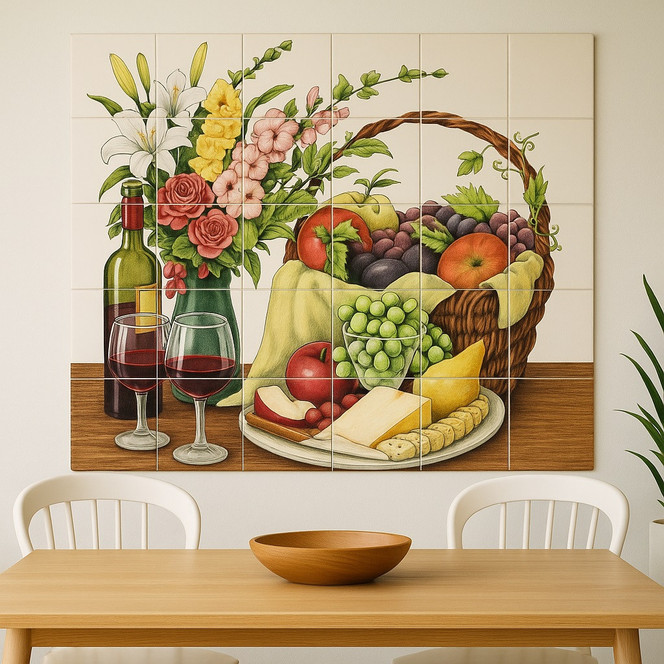
Unique Mexican tile murals can turn a small kitchen into a bold, colorful, and welcoming space without requiring a complete renovation. A hand-painted ceramic mural adds personality to the backsplash, range wall, sink area, or decorative niche while protecting surfaces from daily cooking splashes. These murals work beautifully with Talavera floor tiles, border tiles, relief accents, painted pottery, rustic cabinetry, and warm metal finishes. Whether the kitchen is compact, traditional, Spanish Colonial, farmhouse, Mediterranean, or eclectic, a mural can bring color, craftsmanship, and visual storytelling into the heart of the home.
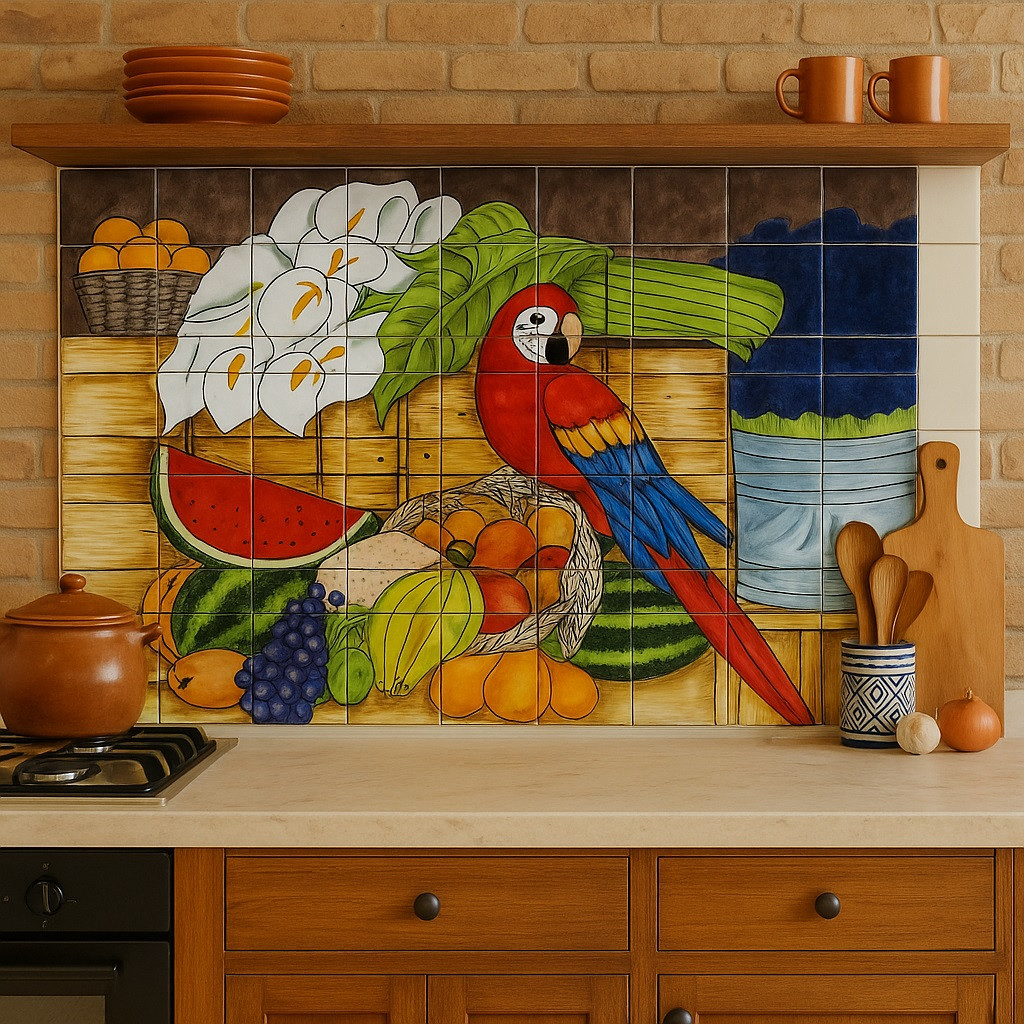
Kitchen Mural Appeal
A kitchen does not need to be large to feel expressive. In fact, a smaller kitchen can benefit from one strong decorative feature because the eye has a clear place to focus. Mexican tile murals are ideal for this purpose. They create color, movement, and handmade detail in an area that is already important to the room. A backsplash mural can frame the stove, brighten a sink wall, or add charm to a breakfast nook. Instead of depending only on cabinet color or countertops, the mural introduces ceramic art that feels permanent, practical, and personal.
Choosing the Location
The best place for a mural is usually the backsplash behind the stove or range. This wall is naturally visible and often becomes the center of the kitchen. A mural in this location can work like framed artwork while also serving as a washable ceramic surface. Another good location is above the sink, especially when the wall needs color or interest. Smaller kitchens may use one mural as a compact focal point, while larger kitchens can combine murals with field tiles, decorative borders, or accent pieces. For equestrian or countryside themes, explore these Mexican horse tile murals.
Best Mural Locations
- Stove Wall: Behind the cooking area
- Sink Wall: Above a rustic sink
- Niche: Inside a wall recess
- Bar: Along a backsplash
- Breakfast Area: Near a corner
Talavera Tile Character
Mexican Talavera tiles are valued for their color, glaze, and hand-painted surface. Their patterns can feel rustic, festive, traditional, or refined depending on the palette and layout. When used around a mural, Talavera tiles help create a complete backsplash composition. Plain field tiles can calm the design, while patterned tiles can add more energy. A mural may feature landscapes, animals, fruit, flowers, village scenes, or regional motifs. The handmade quality makes each tile feel slightly individual, giving the finished wall more warmth than a factory-made surface. For more background, read about rustic Mexican kitchen tiles.
Border Tile Framing
A mural often looks more complete when it is framed with border tiles. The border separates the central image from the surrounding backsplash and gives the installation a finished edge. It can be simple, colorful, patterned, or raised depending on the style of the mural. In a small kitchen, a border can help define the artwork without requiring a large wall area. In a larger kitchen, the border can connect the mural with nearby field tile or trim pieces. Decorative borders are also useful when the mural size does not perfectly match the available wall space. Review decorative ceramic border tiles for framing ideas.
Border Design Ideas
- Frame: Define the mural scene
- Separate: Divide field tiles
- Color: Add edge accents
- Relief: Use raised tile details
- Finish: Complete exposed corners
Backsplash Function
Mexican tile murals are decorative, but they are also practical. Ceramic tile is a strong backsplash material because it helps protect walls from water, grease, steam, and food splashes. This is especially useful behind a stove or near a sink. The glazed surface makes routine cleaning easier when the mural is properly installed and maintained. A tile mural can also reduce the need for extra wall art in a kitchen because the backsplash itself becomes the decoration. In busy family kitchens, this combination of function and beauty makes ceramic murals especially useful.
Theme and Mood
The mural theme should match the kitchen’s mood and the personality of the home. Countryside scenes feel peaceful and traditional. Fruit and floral murals work naturally in cooking and dining spaces. Animal motifs bring movement and folk character. Mexican landscapes can create a window-like effect, especially in kitchens with limited views. Bright murals are excellent for white or neutral kitchens because they create contrast. Softer murals work better when the room already includes patterned tile, painted cabinets, or colorful pottery. For design variety, explore these unique Mexican ceramic tiles.
Popular Mural Themes
- Landscapes: Mexican scenic views
- Fruit: Kitchen still life artwork
- Flowers: Colorful botanical detail
- Animals: Folk-inspired movement
- Village Scenes: Traditional charm
Small Kitchen Impact
A small kitchen can still have a bold design if the focal point is planned carefully. A mural lets the room feel expressive without covering every surface with pattern. The key is balance. If the mural is colorful, use simpler surrounding tiles or calmer cabinet colors. If the cabinets are dark, choose a mural with enough brightness to stand out. If the backsplash area is narrow, select a smaller mural and frame it with trim. A compact mural behind the stove can make the entire kitchen feel more intentional, even when the footprint is limited.
Color Coordination
Color is one of the strongest advantages of Mexican tile murals. Cobalt blue, terracotta, yellow, green, orange, red, and white are common in Talavera-inspired designs. These colors can be repeated in pottery, linens, cabinet hardware, painted furniture, or flooring. If the kitchen already has strong color, choose a mural that repeats only a few tones from the room. If the kitchen is neutral, the mural can become the main accent. Wood cabinets pair well with warm earth tones, while white cabinets allow brighter colors to stand out clearly. Stone counters can support both vivid and subtle mural palettes.
Color Planning Tips
- Repeat: Use two main colors
- Balance: Control bright patterns
- Calm: Add simple field tiles
- Match: Coordinate nearby pottery
- Connect: Work with counters
Full Wall or Accent
Some kitchens look best with a single mural surrounded by plain tile. Others can support a larger tiled wall with field tiles, trims, borders, and accent pieces. A full wall of Talavera tile creates a strong Mexican kitchen character, while a smaller mural insert feels more restrained. The right choice depends on the room size, cabinet style, and how much pattern the homeowner wants. A mural above the stove can be enough for a compact kitchen. A larger room may need additional tile around the range hood, sink, or prep area to make the design feel complete.
Installation Planning
Before installing a mural, lay out the tiles in the correct order. This step is important because the image must align across grout lines. The wall should be clean, level, and properly prepared for ceramic tile. Border pieces, trim tiles, and field tiles should be planned before adhesive is applied. Grout color also affects the final look. A light grout can soften the tile grid, while a darker grout can emphasize each piece. Professional installation is recommended for detailed murals, especially when the design includes many tiles or needs precise centering above a stove or sink.
Backsplash Improvement
A mural can be one of the most effective kitchen upgrades because it changes the mood of the room without replacing every major surface. It can make plain walls feel more finished, brighten older cabinets, and bring handmade detail to a functional area. A backsplash mural also works well with paint, open shelving, or partial tile layouts. Homeowners who want simple kitchen upgrades can use a mural as the main decorative change, then support it with smaller updates such as hardware, lighting, or pottery. For additional project ideas, review simple kitchen improvement ideas.
Easy Upgrade Ideas
- Mural: Add one focal design
- Trim: Frame it cleanly
- Field Tile: Keep the background calm
- Hardware: Update cabinet pulls
- Lighting: Add rustic fixtures
Care and Cleaning
Tile murals should be cleaned gently to preserve the glaze and grout. Use mild soap, water, and a soft cloth for daily care. Avoid abrasive pads, harsh chemicals, and acidic cleaners because they may dull the surface or damage grout. Behind the stove, wipe grease and food splashes before they harden. Above the sink, dry the surface when needed to reduce water spotting. Handmade ceramic tile is durable, but good care helps the colors remain bright. The grout lines should also be maintained because they frame the mural and influence the overall appearance of the backsplash.
Care Guidelines
- Soap: Use mild cleaner only
- Pads: Avoid abrasive scrubbing
- Grease: Wipe splashes quickly
- Water: Dry wet tile areas
- Grout: Maintain clean lines
Design Summary
Unique Mexican tile murals bring color, function, and artistic identity to kitchen walls. They can make a small kitchen feel bold, turn a plain backsplash into a focal point, and connect the room with traditional ceramic craftsmanship. A mural works best when the location, size, border, colors, and surrounding field tiles are planned together. Whether the design shows horses, landscapes, fruit, flowers, or traditional Mexican scenes, it should feel connected to the rest of the kitchen. With the right balance, a mural can protect the wall and transform the room at the same time.
Final Design Guidance
Unique Mexican tile murals offer an expressive way to decorate a kitchen backsplash while adding practical ceramic protection. They can be installed behind a stove, above a sink, inside a niche, or along a decorative wall. Border tiles and relief accents can frame the mural, while simple field tiles help the artwork stand out. With careful color planning, proper installation, and gentle maintenance, a Mexican tile mural can bring lasting warmth, beauty, and handmade character to both small and large kitchens.