 US Dollar
 Euro
Euro
 Australian Dollar
 Canadian Dollar
 Polish Zloty
 British Pound

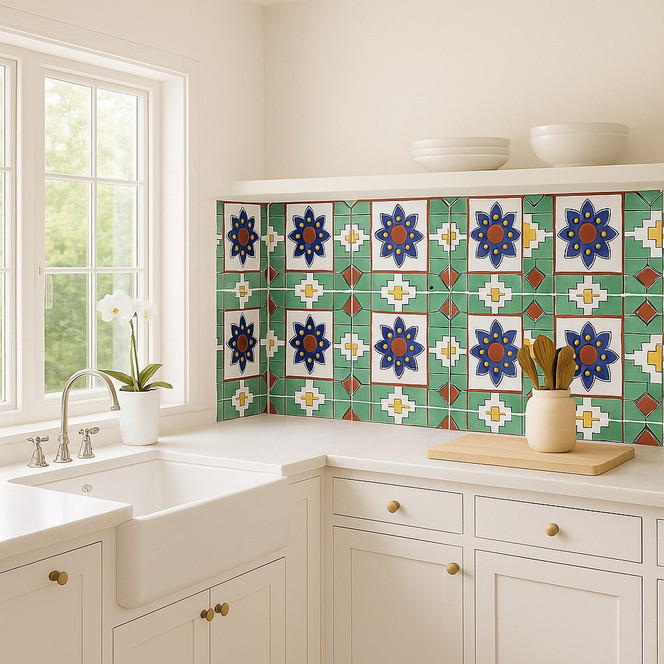
Handmade rustic kitchen tiles from Mexico offer an exceptional way to introduce color, texture, and authentic craftsmanship into the heart of the home. While minimalist all-white kitchens have dominated design trends for many years, homeowners increasingly seek spaces that feel more personal, inviting, and visually distinctive. Mexican ceramic tiles provide exactly that opportunity. Rich in color, handcrafted detail, and cultural heritage, these artisan-made tiles transform ordinary kitchens into warm and expressive environments. Whether used for backsplashes, countertops, accent walls, or decorative borders, handmade Mexican tiles add timeless character while celebrating centuries of ceramic artistry.

Why Rustic Mexican Tiles Remain Timeless
Design trends come and go, but handcrafted ceramic tile continues to maintain its appeal because of its versatility and enduring beauty. Unlike many decorative materials that feel tied to a particular era, rustic Mexican tile adapts effortlessly to traditional and contemporary interiors alike.
Homeowners looking to move beyond plain surfaces often explore tiles from Mexico because they offer an immediate visual transformation without requiring a complete kitchen renovation.
Handmade ceramic tiles introduce personality through color, pattern, and texture. They create focal points, highlight architectural features, and add artistic detail that mass-produced materials rarely achieve.
Because each tile is individually crafted, subtle variations contribute to the authenticity that makes handcrafted Mexican ceramics so desirable.
Benefits of Rustic Kitchen Tiles
- Color: Vibrant handcrafted designs
- Character: Unique artisan details
- Versatility: Many applications
- Durability: Long-lasting surfaces
- Style: Timeless appeal
Refreshing a Kitchen Without Major Remodeling
One of the greatest advantages of ceramic tile is its ability to dramatically change the appearance of a kitchen without the expense and disruption of a complete renovation.
A new backsplash, decorative accent wall, or countertop installation can completely alter the room's personality while preserving existing cabinetry and appliances. This makes handcrafted tile an excellent option for homeowners seeking impactful updates on a manageable budget.
In addition, ceramic tile offers practical advantages. If damage occurs, replacing an individual tile is generally far easier and more affordable than replacing an entire stone slab or countertop surface.
This flexibility makes decorative wall tiles a popular choice for both new construction and remodeling projects.
Beyond the Kitchen: Versatile Decorative Applications
Although kitchen installations remain the most common use, Mexican ceramic tiles can be incorporated throughout the home and outdoor living spaces.
Bathrooms, stair risers, fountains, door frames, fireplaces, patios, and decorative wall features all benefit from the color and texture provided by handcrafted ceramics. These installations help create visual continuity while extending the artistic influence of Mexican craftsmanship throughout the property.
Many homeowners begin with a kitchen backsplash and later incorporate matching tile accents into additional rooms to establish a cohesive design theme.
The versatility of Mexican kitchen tiles makes them one of the most flexible decorative materials available.
Popular Installation Areas
- Backsplashes: Kitchen focal points
- Counters: Decorative surfaces
- Bathrooms: Colorful accents
- Stair Risers: Artistic details
- Fountains: Outdoor character
The Beauty of Talavera Tile Murals
For homeowners seeking a dramatic visual statement, Talavera murals offer a unique solution. These larger ceramic compositions transform backsplashes and accent walls into works of art while preserving the handcrafted quality associated with traditional Mexican ceramics.
Available in a wide variety of themes, colors, and custom dimensions, talavera tile murals provide opportunities to create highly personalized spaces.
Whether featuring floral motifs, architectural scenes, traditional patterns, or custom artwork, murals introduce a level of artistic expression that standard tile installations cannot achieve.
These installations are particularly effective behind ranges, sinks, and cooking areas where they naturally become focal points within the kitchen.
Artisan Craftsmanship and Traditional Production
What distinguishes handmade Mexican tile from mass-produced alternatives is the craftsmanship involved in every stage of production. Skilled artisans shape, glaze, paint, and fire each tile using techniques passed down through generations.
The resulting variations in color, brushwork, and texture create the distinctive appearance that collectors, designers, and homeowners appreciate.
Rather than striving for perfect uniformity, artisan production celebrates individuality and craftsmanship. This approach produces tiles that feel authentic, warm, and full of character.
Every installation therefore becomes unique, reflecting the skill and creativity of the artisans who produced it.
Traditional Craftsmanship Features
- Hand Painting: Individual artistry
- Glazing: Rich color depth
- Firing: Durable finish
- Detail: Unique brushwork
- Authenticity: Heritage techniques
Color and Pattern Possibilities
One of the reasons homeowners are drawn to rustic Mexican tile is the extraordinary variety of available designs. Traditional Talavera patterns, geometric motifs, floral designs, relief tiles, borders, and solid-color pieces provide endless creative opportunities.
Some collections feature identical designs repeated throughout the installation, while others encourage mixing multiple patterns and colors to create more eclectic compositions.
Solid-color rustic tiles produced using specialized glazing techniques offer additional design flexibility. These pieces can provide visual balance while complementing more decorative accent tiles.
The broad range of options allows designers to create kitchens that feel traditional, contemporary, Mediterranean, Hacienda-inspired, or entirely unique.
Creating a Rustic Kitchen Environment
Handmade kitchen tile works particularly well when combined with other artisan-crafted materials. Natural wood cabinetry, exposed beams, stone countertops, forged iron lighting, and handcrafted furniture all complement the warm character of ceramic tile.
By layering these materials thoughtfully, homeowners can create kitchens that feel comfortable, welcoming, and visually rich.
Many rustic kitchens use decorative tile as a bridge between architectural elements, connecting cabinetry, countertops, lighting, and appliances into a cohesive design.
The result is a space that feels authentic rather than overly designed or artificial.
Materials That Pair Well with Tile
- Wood: Natural warmth
- Iron: Artisan character
- Stone: Rustic texture
- Copper: Rich contrast
- Clay: Traditional appeal
Using Tile Around Copper Range Hoods
One of the most popular applications for handcrafted kitchen tile is around decorative range hoods. Tile backsplashes create beautiful visual transitions while helping highlight one of the kitchen's primary focal points.
Many homeowners pair colorful ceramic installations with handcrafted discount copper range hoods to create kitchens inspired by traditional Mexican, Spanish Colonial, and Mediterranean architecture.
The warm tones of copper complement the vibrant colors found in Talavera designs, producing a balanced and harmonious aesthetic.
This combination remains one of the most recognizable and successful applications of rustic kitchen tile.
Countertops, Islands, and Decorative Features
Beyond backsplashes, rustic Mexican tiles can also be incorporated into countertops, kitchen islands, tabletops, and decorative furniture pieces.
Glazed ceramic surfaces provide both durability and visual interest while allowing homeowners to introduce handcrafted artistry into highly visible areas.
Tile-covered islands often become gathering points within open-concept kitchens, while decorative tabletops help extend the design language into dining spaces.
Many homeowners also use ceramic accents to frame mirrors, display niches, and decorative architectural features.
These applications demonstrate the versatility of handcrafted tile beyond traditional wall installations.
The Heritage of Dolores Hidalgo Tile Production
Many of Mexico's finest decorative tiles originate in Dolores Hidalgo, a region internationally recognized for its ceramic traditions. The area's tile production reflects a unique blend of Spanish Talavera influences and indigenous Mexican artistry.
For generations, artisans in Dolores Hidalgo have continued refining techniques that preserve traditional craftsmanship while adapting to contemporary design needs.
The result is ceramic tile that combines historical authenticity with modern functionality.
When homeowners choose handmade Mexican tile, they are not only purchasing a decorative material but also supporting a centuries-old artistic tradition.
Why Dolores Hidalgo Tiles Are Special
- Heritage: Centuries of tradition
- Craftsmanship: Skilled artisans
- Quality: Proven techniques
- Authenticity: Cultural significance
- Beauty: Timeless designs
Conclusion
Handmade Rustic Kitchen Tiles from Mexico provide an exceptional combination of beauty, craftsmanship, and versatility. Whether used for backsplashes, countertops, murals, kitchen islands, or decorative accents, these artisan-made ceramics introduce color, texture, and authentic character into the home. Their handcrafted nature, rich cultural heritage, and timeless appeal make them a lasting investment that enhances both traditional and contemporary kitchens. By incorporating handmade Mexican tile into your renovation project, you create a space that celebrates artistry, individuality, and the enduring beauty of authentic craftsmanship.