 US Dollar
 Euro
Euro
 Australian Dollar
 Canadian Dollar
 Polish Zloty
 British Pound

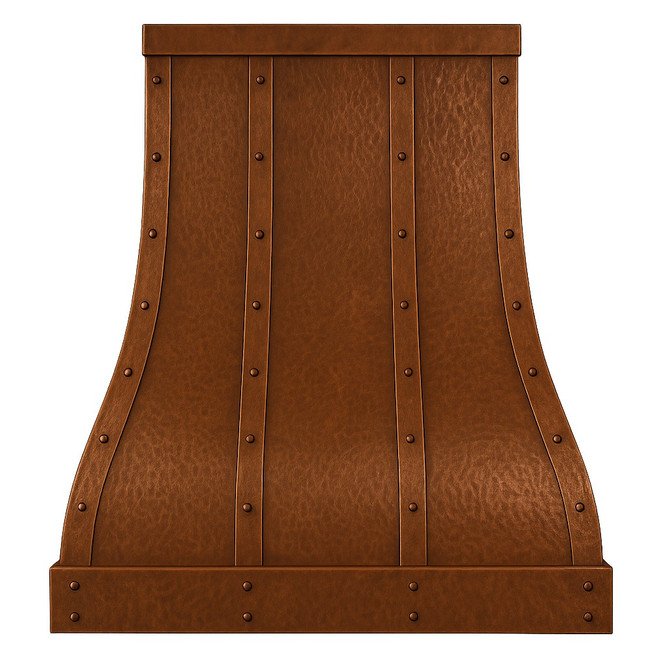
The Sweep Copper Range Hood is shown in these kitchen lifestyle images as a graceful handcrafted focal point for transitional, farmhouse, Scandinavian, rustic, and traditional kitchens. Its sweeping bell silhouette, hand-hammered copper body, warm patina, curved lower movement, and softly flared form create a range-wall feature that feels fluid rather than rigid. The hood adds warmth, texture, and artisan character without relying on straps, rivets, heavy trim, or decorative overlays. Explore the sweep copper range hood with riveted straps to compare its curved profile, finish, proportions, and kitchen style applications. For product-specific design context, read the sweep copper range hood guide.
Blog Summary
- Focus: kitchen lifestyle images
- Product: sweep copper range hood
- Shape: graceful bell silhouette
- Surface: hand-hammered copper
- Scenes: six kitchen styles
- Look: warm and flowing
Sweep Copper Hood Images
Lifestyle images help show how the sweep copper range hood looks inside finished kitchens rather than as a standalone product photo. Cabinet color, backsplash material, ceiling height, counter selection, flooring, wall texture, lighting, and surrounding hardware all affect how the curved copper body appears. In one kitchen, the hood can feel transitional and balanced. In another, the same sweeping silhouette can support farmhouse, Scandinavian, rustic, or traditional interiors.
This hood stands out because it uses movement as the main design feature. The flared body and curved sweep soften the range wall, while the hammered copper surface adds handmade depth. The result is warmer and more sculptural than a flat box hood, but cleaner than heavily decorated copper designs. For broader silhouette planning, review the copper range hood shapes guide.
Design Highlights
- hand-hammered copper body
- smooth sweeping bell silhouette
- warm copper patina character
- softly flared lower shape
- no straps or riveted bands
- rustic to transitional flexibility
- strong handcrafted focal point
Transitional Kitchen Image

In a transitional kitchen, the sweep copper hood bridges classic cabinetry and cleaner contemporary finishes. Transitional interiors often combine shaker doors, stone counters, quiet tile, mixed metals, neutral colors, and balanced architectural proportions. The hood’s curved silhouette helps soften straight cabinet lines, while the copper finish gives the cooking wall a warmer handcrafted focal point.
The hammered surface adds depth without making the design overly rustic. Light moves across the copper in small highlights, giving the hood movement throughout the day. This works well with quartz, marble, glass, brushed steel, bronze hardware, and painted cabinetry. Because the hood does not use straps, rivets, or raised decorative motifs, it can sit comfortably in a refined transitional kitchen while still adding artisan character. For finish comparison, review the copper patina finish options guide.
Farmhouse Kitchen Image

In a farmhouse kitchen, the sweep copper hood brings warmth to painted cabinetry, exposed beams, stone counters, apron-front sinks, wood flooring, and simple black or brass hardware. Farmhouse interiors often rely on comfort, texture, and familiar materials, so the copper surface feels natural above the range. The sweeping curve keeps the hood from looking too heavy, while the hammered finish gives it visible handcrafted depth.
The warm copper tone pairs well with white, cream, sage, taupe, charcoal, and natural wood finishes. Its curved form also softens the straight lines of cabinet doors, open shelving, and backsplash tile. This makes the hood useful in farmhouse kitchens that want rustic warmth without excessive ornament. The design feels approachable, practical, and memorable, giving the kitchen a focal point that supports cooking, gathering, and daily use.
Large Scandinavian Kitchen Image

In a large Scandinavian kitchen, the sweep copper hood adds warmth to pale wood, white cabinetry, light stone, soft gray surfaces, and open minimal layouts. Scandinavian design often depends on calm proportion, practical function, natural light, and limited ornament. The hood works because its curved copper body introduces warmth and shape without disturbing the overall simplicity of the room.
The hammered surface adds subtle texture to interiors that might otherwise feel too flat or cool. Copper also brings welcome color to neutral palettes built around white, beige, pale oak, and muted gray. In a larger kitchen, the hood’s scale can help balance a long island, wide backsplash, or expansive cabinet wall. The sweeping silhouette draws the eye upward while preserving a sense of visual calm. For related smooth and textured metal planning, review the hammered and smooth metal hoods guide.
Rustic Kitchen Image

In a rustic kitchen, the sweep copper range hood blends naturally with stone walls, reclaimed wood, clay tile, plaster, dark hardware, and aged finishes. Rustic interiors often emphasize natural texture, visible variation, and materials that feel timeworn. The hammered copper surface supports that language, while the curved form keeps the range wall from becoming too rigid or heavy.
The copper patina can deepen the sense of age and warmth in the room. It works well beside rough stone, timber beams, brick, handmade tile, and darker cabinetry. The hood’s sweeping profile creates a softer focal point than a straight box or tower hood, which helps balance rugged materials. In this setting, the hood feels embedded in the architecture rather than placed on top of it. For broader handcrafted copper context, review the Rustica House copper range hoods guide.
Small Scandinavian Kitchen
The sweep copper hood can also work well in smaller Scandinavian kitchens because its curve adds visual lift without making the range wall feel bulky. Compact Nordic interiors often use white walls, pale wood, simple cabinetry, open light, and restrained hardware. The hood’s copper finish adds warmth and character, while the sweeping silhouette gives the cooking area a defined focal point.
In a smaller kitchen, restraint matters. A heavily ornamented hood could feel too dominant, but this design relies on shape and material rather than applied decoration. The copper surface catches natural light and creates warm highlights, helping the room feel more inviting. When paired with simple cabinetry, pale counters, and minimal hardware, the hood brings personality without sacrificing clarity or openness.
Traditional Kitchen Image

In a traditional kitchen, the sweep copper hood adds warmth, movement, and handcrafted richness to classic cabinetry, molding, stone counters, framed backsplashes, and detailed hardware. Traditional interiors often use layered materials and symmetrical layouts, so the hood’s balanced curved form works naturally above the range. It creates a focal point without needing carved decoration or elaborate metal trim.
The copper patina supports warm wood, cream cabinetry, marble, limestone, bronze hardware, and handmade tile. Its hammered surface adds texture that complements traditional detailing without competing with it. The sweeping silhouette also helps the hood feel timeless rather than purely rustic. Over time, the copper surface may develop additional tonal character, adding depth to a kitchen designed around heritage materials and long-term use.
Sweeping Bell Silhouette
The sweeping bell silhouette is the main feature of this hood. It creates movement from the upper body down toward the wider lower edge, giving the range wall a graceful sense of flow. This shape works especially well when the kitchen needs a softer focal point than a flat box or straight tapered hood.
The curve also helps the hood adapt across several styles. It can look relaxed in farmhouse kitchens, refined in transitional spaces, warm in Scandinavian rooms, and substantial in rustic or traditional interiors.
Hammered Copper Finish
The hand-hammered copper surface gives the hood texture, depth, and natural variation. Each hammer mark catches light differently, creating subtle highlights across the curved body. This movement keeps the hood visually active without requiring extra ornament.
Small differences in copper tone, hammering, patina depth, edge shaping, seams, and artisan finishing should be expected in handmade copper work. These variations help each hood feel individual rather than mass produced.
Style Compatibility
The sweep copper range hood works across many kitchen styles because it combines warmth, curve, and restraint. In transitional kitchens, it connects classic and modern elements. In farmhouse kitchens, it supports comfort and natural texture. In Scandinavian kitchens, it adds warmth to pale interiors. In rustic spaces, it relates to stone and timber. In traditional rooms, it reinforces a timeless range-wall composition.
The design is strongest when surrounding finishes let the copper remain the main feature. Simple backsplashes, balanced cabinetry, warm lighting, stone counters, and carefully selected hardware help the sweep hood feel intentional rather than isolated.
Conclusion
The sweep copper range hood brings a graceful bell silhouette, hand-hammered texture, warm patina, and handcrafted movement into the kitchen. These lifestyle images show how the hood adapts to transitional, farmhouse, Scandinavian, rustic, and traditional interiors while keeping its design warm, sculptural, and naturally elegant. For more copper styles, browse the copper range hoods collection.