 US Dollar
 Euro
Euro
 Australian Dollar
 Canadian Dollar
 Polish Zloty
 British Pound

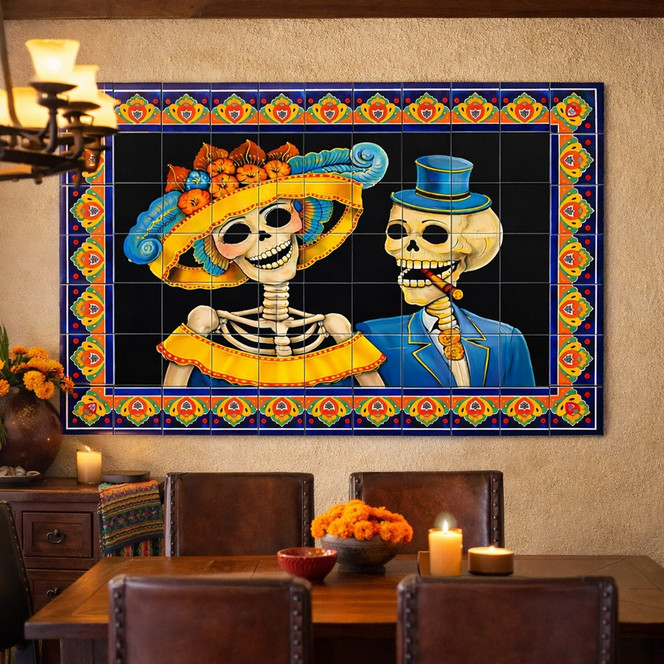
Hand-painted tile murals bring color, storytelling, and artisan ceramic beauty into kitchens, bathrooms, dining rooms, patios, fountains, fireplaces, and outdoor cooking areas. These decorative murals combine the visual impact of painted artwork with the durability of glazed tile, making them both beautiful and practical. Whether used behind a stove, above a bathtub, around a fountain, or on a patio wall, hand-painted tile murals create a memorable focal point rooted in Mexican ceramic tradition.
Blog Summary
- Product: Tile murals
- Style: Mexican ceramic art
- Use: Kitchens and patios
- Benefit: Colorful focal point
- Craft: Hand-painted tile
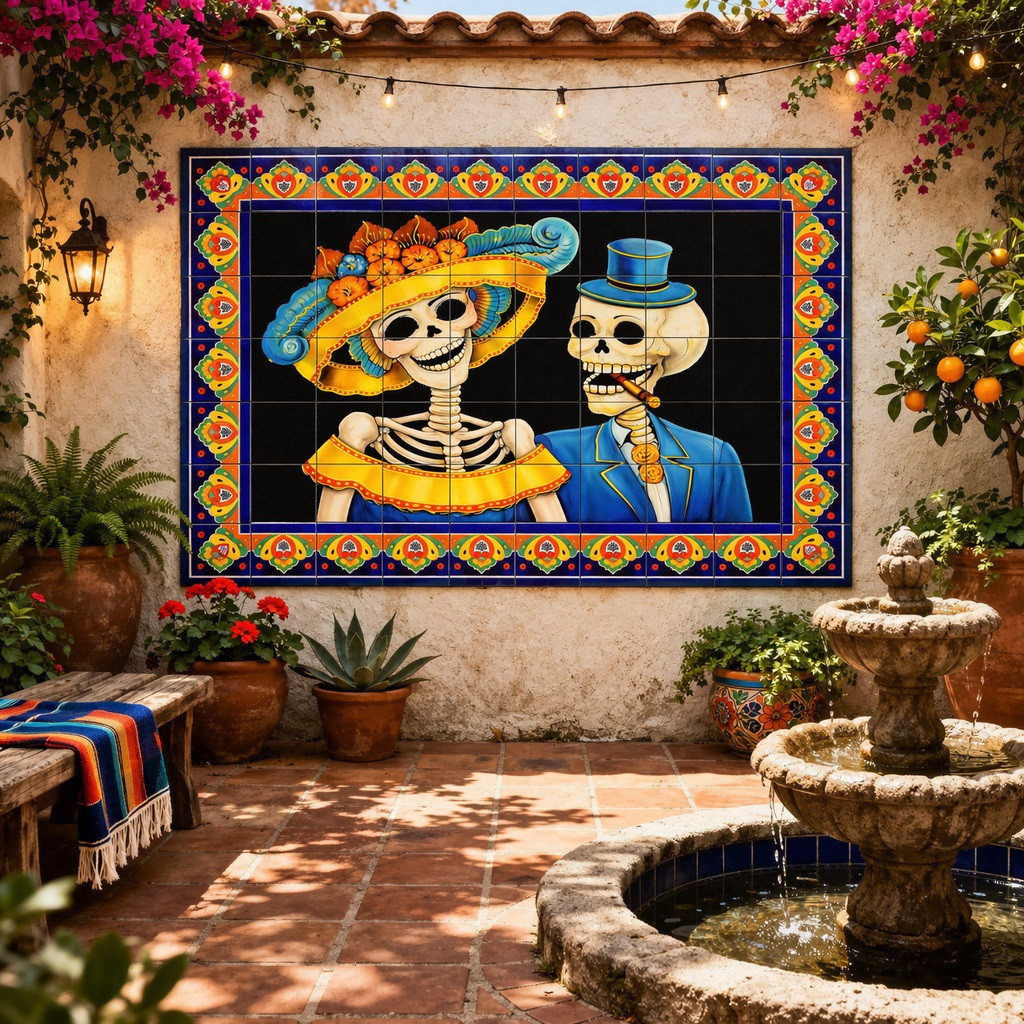
Why Hand-Painted Tile Murals Stand Out
A tile mural works like a permanent painting built into the architecture of the room. Unlike framed artwork, ceramic tile becomes part of the wall surface itself. This makes it especially useful in spaces exposed to moisture, steam, cooking splashes, outdoor dust, or frequent cleaning.
In kitchens, bathrooms, patios, and garden walls, a mural can protect the surface while adding color, movement, and handcrafted identity. The result is decorative and functional at the same time.
Tile Murals as Decorative Features
Hand-painted Mexican tiles have long been admired for their vivid color, expressive brushwork, and rustic charm. When arranged as a mural, these tiles create a larger scene that can completely change the feeling of the room.
A mural can define the wall behind a stove, frame a bathtub, decorate a dining room niche, or add visual interest to an outdoor kitchen. For additional tile framing ideas, explore decorative ceramic tiles before planning the full surface.
Best Mural Uses
- Kitchen: Backsplash feature wall
- Bathroom: Tub or vanity accent
- Patio: Outdoor ceramic art
- Fireplace: Colorful surround
- Fountain: Garden wall detail
Mexican Ceramic Craftsmanship
Traditional Mexican tile murals are made from ceramic clay and finished with hand-painted glaze. Each tile must function as both an individual piece and part of the larger composition. This requires careful planning, skilled brushwork, and a strong understanding of color and alignment.
Because every mural is painted by hand, slight differences in tone, linework, and glaze movement are natural. These variations give the finished mural warmth and authenticity that printed tile cannot duplicate.
Historical and Cultural Influence
The tradition of decorative tile murals has roots in Southern Europe and was later shaped by Spanish and Mexican ceramic craft. Spanish Colonial architecture, Mediterranean design, and Mexican folk art all influenced the development of tile mural imagery.
Common themes include village scenes, flowers, animals, fruit, wine, fountains, landscapes, religious motifs, and cultural celebrations. Modern murals may also include abstract designs, geometric patterns, or custom artwork created for a specific home or commercial project.
Common Mural Themes
- Village: Mexican town scenes
- Floral: Flowers and garden motifs
- Food: Fruit, wine, and herbs
- Animals: Birds and folk figures
- Culture: Traditional celebrations
Kitchen Backsplash Murals
The kitchen backsplash is one of the most popular places to install a hand-painted tile mural. Behind a stove, the mural naturally becomes the centerpiece of the cooking wall. Above a sink, it creates a charming view that makes everyday tasks feel more enjoyable.
A mural can be surrounded by plain Talavera field tile, solid ceramic tile, or decorative borders. This helps the painted scene stand out while keeping the backsplash cohesive. For rustic kitchens, review rustic kitchen tiles to choose surrounding materials that complement the mural.
Bathroom Wall Murals
Bathrooms are excellent spaces for ceramic murals because glazed tile handles moisture better than many decorative wall finishes. A mural above a bathtub can create a spa-like focal point, especially when the artwork features landscapes, flowers, fountains, or traditional Mexican motifs.
In vanity areas, a tile mural can replace ordinary wall art with something more permanent and practical. In powder rooms, a colorful mural can turn a small space into one of the most memorable rooms in the home.
Bathroom Mural Ideas
- Bathtub: Feature wall above tub
- Vanity: Decorative sink backdrop
- Shower: Accent niche or wall
- Powder Room: Small focal point
- Stone Sink: Rustic wall pairing
Outdoor Tile Mural Applications
Glazed hand-painted tile murals can also bring color and character to outdoor settings when installed properly. Patios, fountains, barbecue walls, garden kitchens, courtyards, and covered terraces can all benefit from ceramic artwork that feels permanent and handcrafted.
Outdoor murals should be planned carefully. Exposure, climate, moisture, and installation quality all matter. Covered or protected locations are often best for preserving color and reducing maintenance over time.
Fireplace and Fountain Murals
Tile murals are not limited to kitchens and bathrooms. Around a fireplace, a mural can create a warm focal point that pairs beautifully with rustic furniture, wrought iron lighting, and painted pottery. On a fountain wall, hand-painted tile adds color, motion, and storytelling around flowing water.
Accent Surface Ideas
- Fireplace: Decorative surround wall
- Fountain: Garden tile backdrop
- BBQ Wall: Outdoor kitchen feature
- Dining Niche: Artistic wall accent
- Patio Panel: Ceramic focal point
Custom Tile Mural Designs
A custom tile mural allows homeowners, designers, and restaurant owners to create artwork that fits the exact space, theme, and color palette. Custom murals may feature landscapes, flowers, birds, village scenes, family ideas, cultural motifs, or decorative patterns.
This option is especially useful when a standard mural does not match the wall size or desired mood. Custom work makes the mural feel fully integrated into the project rather than added as an afterthought.
Balancing the Room Design
A hand-painted mural should usually be treated as the focal point. If the mural is colorful and detailed, surrounding surfaces should stay simpler. Plain field tiles, soft wall colors, natural wood, stone counters, and quiet metal finishes help the artwork stand out.
If the mural has a softer palette, you can add stronger borders or patterned accents. The key is balance. Too many competing patterns can make the room feel busy, while too little surrounding texture can make the mural feel isolated. For more ideas, explore Mexican ceramic tile decorating.
Design Balance Tips
- Field Tile: Keep it simple
- Colors: Repeat mural tones
- Border: Frame the artwork
- Materials: Match the room style
- Patterns: Avoid visual crowding
Installation Planning
Tile murals should be planned before installation begins. Measure the wall carefully and confirm the mural size, border layout, grout spacing, and surrounding tile field. Before setting the tiles permanently, dry lay the mural so the full image is aligned correctly.
The wall should be clean, level, and properly prepared for ceramic tile. Grout color also affects the final appearance. A lighter grout softens the grid, while a darker grout emphasizes each individual tile. Professional installation is recommended for detailed murals, wet areas, and outdoor applications.
Care and Maintenance
Glazed ceramic murals are easy to maintain when cleaned gently. Use mild soap, water, and a soft cloth for routine care. Avoid abrasive pads, acidic cleaners, and harsh chemicals because they can affect the glaze or grout.
In kitchens, wipe grease and food splashes before they harden. In bathrooms, dry wet areas when needed to reduce buildup. Outdoor murals may need occasional cleaning depending on dust, weather, and nearby plants.
Care Guidelines
- Clean: Mild soap and water
- Avoid: Abrasive cleaning pads
- Kitchen: Wipe splashes quickly
- Bathroom: Dry wet tile areas
- Grout: Maintain lines yearly
Design Summary
Hand-painted tile murals are ideal for homeowners who want color, durability, and artisan identity in one surface. They can be installed in kitchens, bathrooms, fountains, fireplaces, patios, and outdoor cooking areas. Their strength comes from combining visual art with glazed ceramic function.
Whether the design is traditional, rustic, abstract, colonial, or contemporary, the mural should be chosen according to size, location, color, and surrounding materials. With thoughtful planning, it becomes both a practical surface and a meaningful artistic feature.
Final Design Guidance
Hand-painted tile murals offer a powerful way to transform plain walls into expressive ceramic features. They bring the effect of a large painting while adding the practical benefits of tile. In kitchens, they protect backsplashes. In bathrooms, they add color near tubs and vanities. Outdoors, they can decorate fountains, patios, and barbecue walls. With proper installation and gentle maintenance, a Mexican tile mural can create a one-of-a-kind atmosphere rooted in traditional ceramic craft.