 US Dollar
 Euro
Euro
 Australian Dollar
 Canadian Dollar
 Polish Zloty
 British Pound

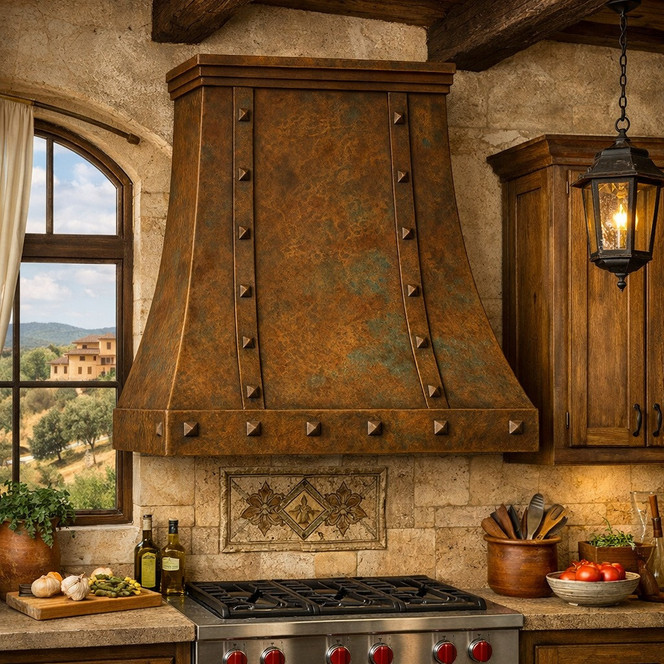
Hacienda Copper Range Hood Buying Guide helps homeowners plan the right hood shape, finish, size, mounting style, and ventilation setup for rustic, Spanish Revival, farmhouse, Tuscan, Mediterranean, and traditional kitchens. A Hacienda copper range hood adds bold structure above the stove, while riveted straps create a forged architectural look with handmade character. The dark copper tone brings depth and warmth, making the hood a strong focal point in busy kitchens and timeless classic spaces. Explore the Hacienda copper hood or view our copper hood gallery for design inspiration.
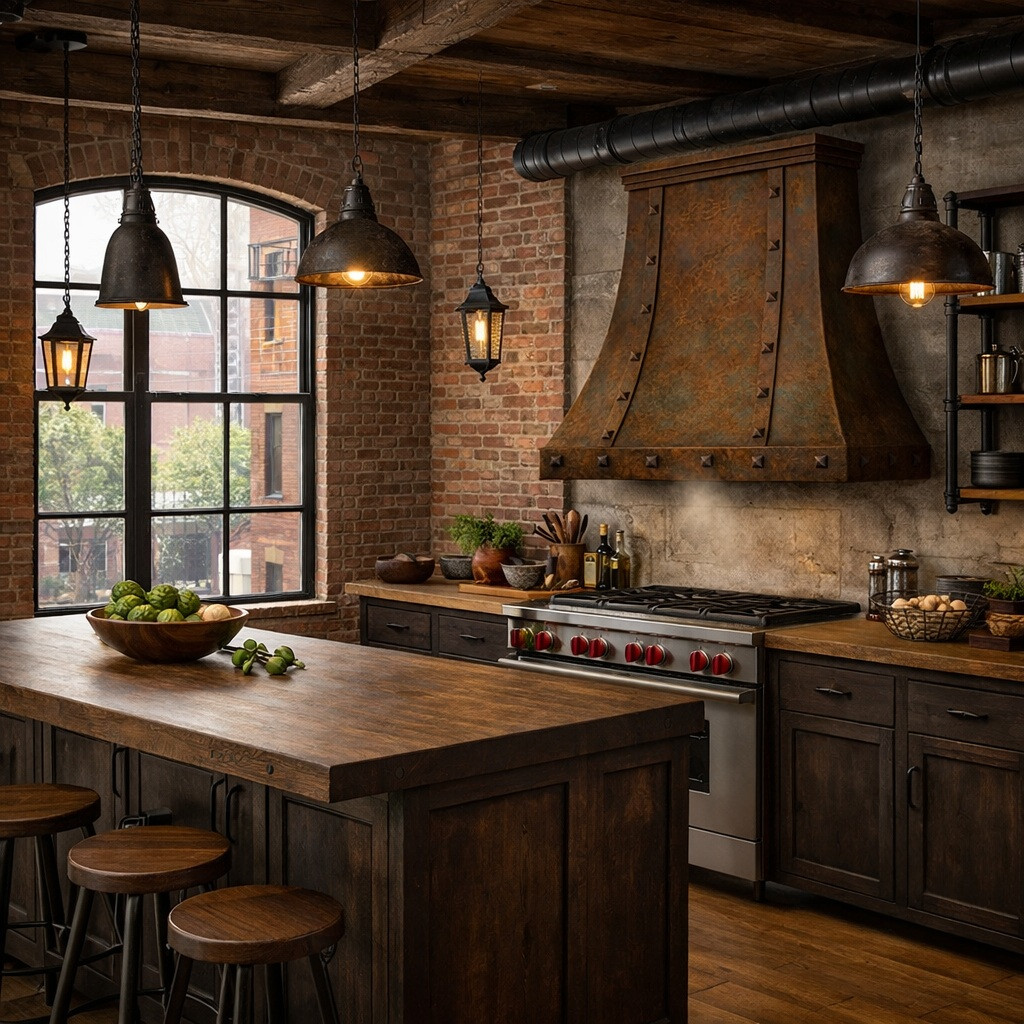
Hacienda Hood Character
The Hacienda style is confident, grounded, and architectural. It favors strong silhouettes, warm finishes, handmade surfaces, and details that feel connected to traditional metalwork. A copper hood with a pyramidal body creates that effect immediately because the form reads as substantial and intentional above the cooking area. Riveted straps add structure across the metal surface, while the dark copper finish brings calm depth. This combination works especially well in kitchens with stone backsplashes, textured plaster, dark wood cabinets, forged iron lighting, rustic beams, or handmade tile accents. The result is both practical and expressive, turning the range wall into the visual center of the room.
Riveted Strap Design
Riveted straps are one of the strongest visual features of a Hacienda copper hood. They divide the surface into architectural sections and guide the eye upward toward the chimney. The rivets add rhythm, depth, and a hand assembled appearance. This detail also helps the hood connect with other kitchen elements such as iron cabinet pulls, wrought iron chandeliers, rustic door hardware, and exposed beams. Straps are especially useful on larger hoods because they break up wide copper surfaces without adding excessive ornament. The design feels bold, but still controlled, making it suitable for kitchens that need structure rather than delicate decoration.
When Straps Work Best
- Simple cabinet layouts
- Rustic beam ceilings
- Textured plaster walls
- Modern rustic kitchens
- Farmhouse cooking areas
Wall or Island Mount
Before choosing size or finish, decide whether the cooktop sits against a wall or on a kitchen island. A wall mount hood is designed to be viewed mainly from the front and sides, while an island hood must be finished for visibility from every direction. This choice affects chimney design, support planning, duct location, and overall hood construction. Many buyers focus on appearance first and overlook the mounting configuration, but it should be one of the earliest decisions. Rustica House makes island versions available when selected on the product page, ensuring the hood is built for ceiling mounting and finished correctly for open kitchen layouts.
Mounting Checklist
- Confirm cooktop location
- Choose wall or island
- Review ceiling support
- Plan the duct route
- Select insert style
Planning Configuration
The wall or island decision affects more than appearance. It changes how the chimney is built, how much of the hood is finished, and how the installer will support the piece. A wall mount hood usually connects visually with a backsplash, cabinets, and range wall. An island hood becomes a suspended feature above the cooking surface and must look balanced from the dining area, kitchen, and adjacent living spaces. If the kitchen has an open floor plan, the island hood may become one of the most visible architectural elements in the room. For more detailed planning, review the wall mount guide before ordering.
Sizing the Hood
Correct sizing improves both function and visual balance. A hood that is too narrow may not capture steam, smoke, and cooking odors effectively. A hood that is too large can dominate the wall and make the cabinetry feel secondary. Start with the width of the range or cooktop, then consider cooking style, burner strength, and room openness. Many buyers choose a hood slightly wider than the cooktop to improve capture, especially in open kitchens or homes with gas ranges. Height also matters because the chimney should feel proportioned to the ceiling. The goal is a hood that feels strong, centered, and properly scaled.
Size Planning Tips
- Start with range width
- Add capture width
- Check ceiling height
- Review hood depth
- Balance the wall layout
Width and Height Rules
Many kitchens benefit from choosing a hood wider than the cooking surface because extra width helps catch side steam and smoke. This is especially useful when the range is powerful, the kitchen is open to other rooms, or the cooktop is used for high heat cooking. Height should be planned with both performance and appearance in mind. If the hood is mounted too high, capture may be reduced. If it is too low, the cooking area may feel cramped. Always follow insert requirements and local code guidance. For quick size planning, use the copper hood sizes guide.
Ventilation Insert Planning
The ventilation insert is the hidden engine of the hood. The copper body creates the visual presence, but the insert handles smoke, steam, odors, grease, lights, fan speeds, and filter access. A beautiful hood still needs the correct mechanical system to perform well. Some kitchens need modest airflow for lighter cooking, while others need stronger performance for frequent high heat use. The duct path also matters. A short direct route is often easier to manage than a complicated route through walls or ceilings. Plan the insert early so the hood body can be built around the correct dimensions and access points.
Insert Considerations
- Cooking intensity
- Duct route length
- Fan power needs
- Filter access
- Lighting placement
Using Your Insert
Some buyers prefer to use their own ventilation insert. This can work well, but accurate measurements are essential. Before production, provide the insert brand, model number, and technical diagram with dimensions. This helps prevent cutout errors and makes sure the insert fits correctly inside the custom hood body. The diagram should show depth, width, height, mounting points, filter access, and control placement. If the insert is not planned correctly, installation may become difficult or delayed. Sharing exact details early is the best way to preserve both the appearance and function of the finished Hacienda copper range hood.
Best Kitchen Styles
A Hacienda copper hood is versatile when the finish and surrounding materials are chosen carefully. Dark copper feels calm and architectural, while hammered texture adds rustic and artisan character. Straps and rivets make the hood feel bold, grounded, and hand built. This combination suits Spanish Revival kitchens, Hacienda interiors, rustic farmhouses, Tuscan villas, Mediterranean homes, modern rustic kitchens, industrial lofts, and traditional spaces with warm metal accents. In lighter kitchens, the hood can ground the room. In darker kitchens, it can add warmth and surface movement. The design works best when nearby materials repeat its weight, texture, or tone.
Compatible Styles
- Spanish Revival kitchens
- Hacienda interiors
- Rustic farmhouse rooms
- Tuscan kitchen designs
- Modern rustic spaces
Finish Expectations
Copper is a living material, so the finish may shift with time and use. Steam, heat, humidity, cooking oils, and cleaning habits can influence the tone of the patina. This natural movement is part of copper’s appeal because it gives each hood a unique surface history. A dark copper finish may appear deeper in shaded kitchens and warmer under direct light. Hammered texture can also create highlights and shadow variation across the surface. Buyers should expect slight differences between pieces because handmade copper does not look identical from hood to hood. That variation reinforces the artisan character of the product.
Care and Maintenance
Gentle cleaning helps preserve the copper finish. Use mild soap, water, and a soft cloth for routine care. Avoid abrasive pads, harsh chemicals, acidic cleaners, and strong degreasers that can affect patina or create uneven surface marks. Dry the hood after cleaning to reduce spotting. Filters should be cleaned on schedule so grease buildup does not collect around the underside of the hood or nearby backsplash. Some homeowners enjoy natural patina changes, while others prefer to slow the process with careful cleaning habits. The key is consistency. A simple routine keeps the hood attractive without stripping away its character.
Copper Care Tips
- Use mild soap only
- Clean with soft cloths
- Avoid abrasive pads
- Dry after cleaning
- Maintain filters often
Creating a Cohesive Look
A Hacienda copper hood looks most successful when it connects with other elements in the kitchen. Start by repeating one material or finish elsewhere. The dark riveted straps can relate to cabinet hardware, lighting, or wrought iron seating. The copper tone can be echoed through warm pendants, copper sinks, cookware, or decorative accents. Stone, plaster, brick, and handmade tile support the Old World mood without competing with the hood. If the kitchen is bright, the hood grounds the space. If the kitchen is already rustic, the hood reinforces the style while adding a strong central feature above the range.
Comparing Hood Collections
Before making a final decision, compare the Hacienda hood with other metal hood styles. Some kitchens need the warmth of copper, while others look better with zinc, iron, brass, or mixed metal finishes. Shape also matters. A pyramidal hood feels traditional and architectural, while a cleaner modern silhouette may suit transitional spaces. Straps and rivets create strength, but a smooth body may work better in minimal kitchens. To compare silhouettes and finishes, browse metal range hoods. For copper specific options, explore copper range hoods.
Buying Guide Summary
When buying a Hacienda copper range hood, begin with the mounting configuration. Decide whether the cooktop needs a wall mount or island version. Next, confirm hood width, height, depth, ceiling clearance, and cooktop size. Plan the ventilation insert before production, especially if using your own insert. Choose the patina and texture according to the room’s materials. Dark copper works well with stone, wood, plaster, iron, and tile. Riveted straps add strong architectural character and help the hood feel handcrafted. With these steps, the hood will look balanced, perform properly, and become a lasting centerpiece in the kitchen.
Final Design Guidance
Hacienda Copper Range Hood Buying Guide shows how configuration, size, insert planning, finish, and design details all affect the final result. A Hacienda copper hood is both functional and expressive. Riveted straps add artisan structure, while dark copper brings calm depth and warm character. The design works beautifully in Spanish Revival, Hacienda, rustic farmhouse, Tuscan, Mediterranean, industrial, and traditional kitchens. Plan the wall or island configuration first, then confirm size, mounting height, insert fit, and surrounding materials. With careful planning, this hood becomes more than ventilation. It becomes the architectural focal point of the cooking space.