 US Dollar
 Euro
Euro
 Australian Dollar
 Canadian Dollar
 Polish Zloty
 British Pound

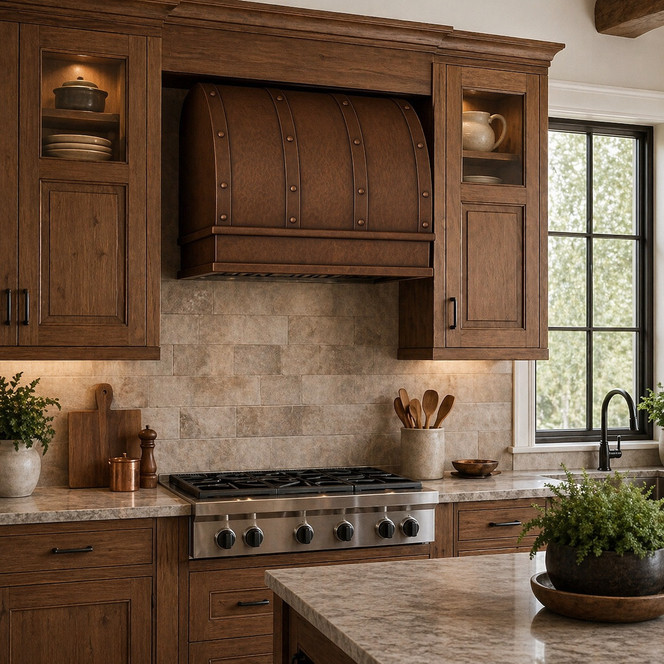
Copper Range Hoods Sale: Handmade Kitchen Hoods with Lasting Artisan Value
A copper range hood sale offers an opportunity to purchase a handcrafted kitchen centerpiece at a reduced price without giving up the warmth, durability, and architectural presence associated with artisan metalwork. Whether the hood is a ready-made closeout model, a returned piece restored for resale, or a discounted design available in limited dimensions, copper remains one of the most distinctive materials for kitchen ventilation. Homeowners comparing copper range hoods for sale should review the exact size, mounting type, finish, ventilation compatibility, and condition before ordering so the appliance fits both the kitchen and the selected insert.
Blog Summary
- Product: Copper range hoods on sale
- Best For: Kitchen remodeling projects
- Mounting: Wall or island models
- Important: Verify size and insert fit
- Craft: Handmade in Mexico
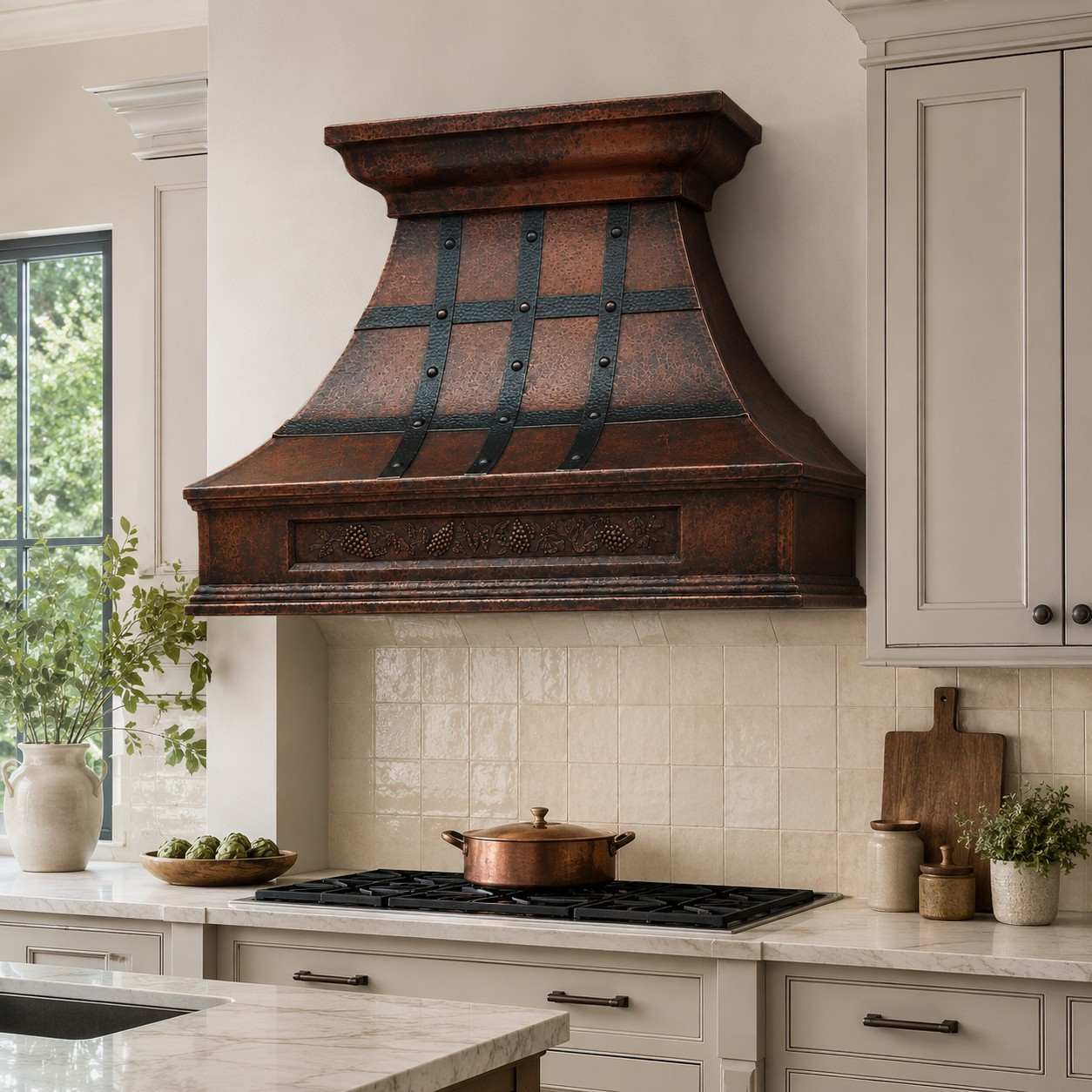
Why Shop for a Copper Hood on Sale?
A sale or closeout hood can reduce the cost of adding a handcrafted metal feature to the kitchen. These products may come from canceled orders, discontinued designs, showroom inventory, warehouse stock, or pieces returned and prepared for resale.
The primary advantage is immediate value. Instead of ordering a fully customized hood at regular pricing, the buyer may purchase an existing artisan piece in fixed dimensions and finish.
Understand What “Sale” Means
Not every discounted copper hood is offered for the same reason. Some are new pieces from canceled projects, while others may have been returned, repaired, or stored as ready-to-ship inventory.
The product listing should explain the exact condition, measurements, finish, mounting type, included equipment, and any visible variation before purchase.
Common Sale Categories
- Canceled Order: Previously commissioned hood
- Closeout: Discontinued or limited design
- Warehouse Stock: Ready-made inventory
- Returned Item: Inspected for resale
- Display Model: Previously shown piece
Why Copper Is Worth Considering
Copper combines visual warmth with lasting architectural character. Its reddish and brown tones soften white cabinetry, stone countertops, plaster walls, and cool stainless steel appliances.
Because copper develops natural tonal variation over time, small changes in color often enhance rather than diminish its handmade appearance.
Handcrafted Character
Rustica House copper hoods are formed and finished by artisans using traditional metalworking techniques. Sheets of copper are cut, shaped, hammered, joined, and patinated by hand.
This production method creates subtle differences in hammering, tone, seams, rivets, and finish that distinguish the hood from a machine-stamped factory enclosure.
Artisan Features
- Hand Formed: Individually shaped metal
- Hand Hammered: Textured copper surface
- Hand Finished: Artisan patina
- Decorative Details: Aprons and straps
- Unique: Natural visual variation
Wall-Mounted Copper Hoods
Wall-mounted models are installed above ranges positioned against a wall. They are usually finished on the front and two sides, while the back remains open against the mounting surface.
These hoods integrate naturally with cabinetry, tile backsplashes, plaster walls, and architectural cooking alcoves.
Island Copper Hoods
Island hoods hang above cooktops located in the center of the kitchen. Because they remain visible from every direction, all four sides must be finished attractively.
Island installations also require ceiling support, carefully planned ductwork, and enough clearance around the hood to preserve open sightlines.
Mounting Types
- Wall Mount: Installed against wall
- Island Mount: Suspended from ceiling
- Under Cabinet: Compact integration
- Freestanding Feature: Open kitchen design
- Fixed Configuration: Confirm before purchase
Sale Hoods Usually Have Fixed Dimensions
A discounted hood is often already completed, which means the width, height, depth, finish, texture, and mounting style may not be changeable.
Before ordering, compare the exact hood dimensions with the range, ceiling height, cabinetry, backsplash, and available installation space.
Measure the Cooking Area Carefully
Measure the range width, available wall space, ceiling height, distance between cabinets, and planned mounting height. The hood should also provide appropriate coverage for the cooking surface.
Do not assume that a sale hood will fit simply because its width appears close to the range size.
Required Measurements
- Hood Width: Confirm exact dimension
- Hood Height: Compare with ceiling
- Hood Depth: Review projection
- Range Width: Verify cooking surface
- Cabinet Space: Measure full opening
Check the Ventilation Insert Opening
The decorative copper shell must accommodate a compatible ventilation insert. The interior opening, depth, mounting points, and duct location should be reviewed before purchase.
A sale hood may already be prepared for a specific insert size, so it may not support every blower or liner without modification.
Included Insert or Hood Shell Only
Some discounted hoods may include ventilation equipment, while others are sold as decorative shells prepared for a buyer-supplied insert.
The product description should identify whether the insert, fan, filters, lights, and controls are included.
Insert Questions
- Included: Is ventilation supplied?
- Opening: What insert size fits?
- Duct: Where is outlet located?
- Power: What electrical setup is needed?
- Service: Is access preserved?
Ducted Ventilation
A ducted hood moves cooking air outdoors through approved metal ductwork. This configuration is generally preferred when the kitchen allows exterior venting.
The contractor should confirm duct diameter, route, termination, elbows, and compatibility with the insert before installation.
Recirculating Ventilation
A recirculating system filters the air and returns it to the kitchen. This can be useful where exterior ductwork is unavailable, but the insert must be designed for recirculation.
The decorative hood may also require side or upper openings to release filtered air back into the room.
Ventilation Options
- Ducted: Exhausts air outdoors
- Recirculating: Returns filtered air
- Internal Blower: Motor inside hood
- External Blower: Remote motor location
- Insert Ready: Buyer supplies system
Decorative Aprons
The lower apron is one of the most visible parts of a copper hood. It may remain simple or include hand-embossed ornament, raised borders, rivets, scrollwork, or geometric detail.
A decorative apron can give a compact sale hood the presence of a custom architectural feature.
Straps and Rivets
Metal straps divide the hood surface into organized sections and can emphasize height or width. Rivets reinforce the handcrafted visual language and may be placed along straps, aprons, crowns, or seams.
These accents may match the copper body or use contrasting iron, brass, or zinc.
Decorative Features
- Apron: Ornamental lower band
- Straps: Vertical or horizontal
- Rivets: Handcrafted metal detail
- Crown: Finished upper molding
- Embossing: Decorative hammered motif
Hammered Copper Finish
Hammered copper reflects light across a textured surface and reinforces the artisan character of the hood. The small impressions also help the finish feel varied and visually forgiving.
This texture works especially well in farmhouse, Spanish Colonial, Mediterranean, rustic, and transitional kitchens.
Smooth Copper Finish
A smooth hood creates a cleaner architectural appearance and places more emphasis on the silhouette, straps, apron, and patina.
Smoother surfaces suit transitional and contemporary kitchens but may show fingerprints or tonal changes more clearly.
Surface Options
- Hammered: Traditional artisan texture
- Smooth: Refined metal surface
- Light Hammering: Subtle movement
- Deep Hammering: Strong rustic character
- Fixed Finish: Confirm sale condition
Copper Patina Options
Natural copper appears brighter and more reddish, while antique and coffee patinas create deeper brown tones. Darker finishes often provide strong contrast against white or cream cabinetry.
A sale hood typically comes in the finish already applied, so buyers should evaluate whether the color works with the planned kitchen materials.
Common Patinas
- Natural: Reddish copper warmth
- Antique: Traditional aged tone
- Honey: Lighter golden appearance
- Coffee: Rich brown finish
- Dark Coffee: Dramatic depth
Natural Patina Development
Copper is a living material that responds to air, moisture, oils, cleaning products, and kitchen use. The surface may darken or develop additional tonal variation over time.
This gradual change is normal and contributes to the authenticity of genuine copper.
Farmhouse Kitchens
A copper hood adds warmth above a farmhouse range and pairs naturally with shaker cabinets, apron-front sinks, wood shelves, stone counters, and handmade tile.
Hammered texture and an aged patina can make the appliance feel established within the room.
Spanish Colonial Kitchens
Spanish Colonial interiors often combine copper with carved wood, wrought iron, Talavera tile, plaster, and Cantera stone. A decorative hood reinforces the architectural character of the cooking wall.
Straps, rivets, aprons, and darker finishes strengthen the Old World appearance.
Traditional Pairings
- Talavera Tile: Colorful backsplash
- Wood Cabinets: Warm material balance
- Iron Lighting: Strong visual contrast
- Stone Counters: Architectural depth
- Plaster Walls: Soft neutral backdrop
Transitional Kitchens
In transitional interiors, copper bridges traditional materials with cleaner contemporary forms. A simple sale hood can add warmth without making the kitchen feel heavily rustic.
Natural or coffee-toned copper works especially well with white, gray, walnut, oak, and quartz.
Contemporary Kitchens
A copper hood can become the single handcrafted focal point in a minimalist kitchen. Flat cabinetry and restrained surfaces allow the metal to stand out without additional ornament.
Smoother finishes and simpler silhouettes generally work best in contemporary spaces.
Compatible Styles
- Farmhouse: Handcrafted warmth
- Spanish Colonial: Historic detail
- Mediterranean: Old World character
- Transitional: Balanced material contrast
- Contemporary: Sculptural focal point
Pairing with Cabinetry
White and cream cabinets make copper appear brighter and more prominent. Dark wood creates a richer traditional environment, while light oak and walnut support transitional design.
The hood finish should also coordinate with hardware, lighting, faucets, and the range without requiring every metal to match exactly.
Pairing with Backsplashes
Talavera tile produces a colorful Hacienda appearance, while stone, plaster, brick, and neutral ceramic create quieter backgrounds.
If the hood includes a detailed apron or straps, a simpler backsplash may prevent the cooking wall from feeling visually crowded.
Backsplash Options
- Talavera: Mexican artisan color
- Stone: Timeless natural texture
- Plaster: Soft architectural surface
- Brick: Rustic material depth
- Neutral Tile: Restrained backdrop
Copper and Mixed Metals
Copper works well with brass, iron, zinc, bronze, and stainless steel. A sale hood with contrasting straps or rivets can help connect several finishes already present in the kitchen.
Repeating each metal in another location, such as lighting or cabinet hardware, makes the combination feel intentional.
Inspect the Product Condition
Review all available photographs and written condition details before purchasing a discounted hood. Ask whether the piece has scratches, repaired dents, finish variation, storage marks, or other visible characteristics.
Handmade variation should be distinguished from damage so the buyer understands exactly what will be delivered.
Condition Checklist
- Surface: Review scratches and dents
- Patina: Confirm tonal variation
- Structure: Check seams and frame
- Insert Area: Verify interior opening
- Photos: Review current condition
Sale Items May Be Final or Limited
Closeout inventory is often available in only one size, finish, and quantity. Once sold, the same discounted model may not be offered again.
Return terms may also differ from standard made-to-order products, so buyers should review the applicable policy before purchase.
Customization May Not Be Available
A finished sale hood usually cannot be significantly resized or reconfigured without additional fabrication. Changing the width, height, mounting style, or insert opening may not be practical.
Minor adjustments should never be assumed unless confirmed in writing before the order is placed.
Production and Delivery Timing
Ready-made sale hoods may ship sooner than custom pieces, although packing, freight coordination, export processing, and delivery still require planning.
If the hood needs repair, modification, or additional preparation, the delivery schedule may be longer than standard warehouse inventory.
Shipping a Copper Range Hood
Metal hoods require protective crating and freight delivery because of their size and weight. The receiving team should be prepared for curbside delivery unless another service level is arranged.
Inspect the crate and hood promptly after arrival and document any visible freight damage according to the seller’s claim procedure.
Delivery Planning
- Crate: Confirm dimensions
- Freight: Review delivery method
- Access: Measure doors and pathways
- Inspection: Check upon arrival
- Storage: Protect before installation
Professional Installation
A copper hood should be installed by a qualified contractor familiar with structural support, electrical connections, ductwork, ventilation inserts, and appliance clearances.
The installer should review the hood and insert specifications before the kitchen cabinets and duct system are finalized.
Installation Checklist
- Support: Prepare wall or ceiling
- Insert: Confirm compatibility
- Duct: Verify route and diameter
- Electrical: Plan power location
- Clearance: Follow appliance guidance
Cleaning the Copper Hood
Use mild soap, warm water, and a soft cloth to remove dust or cooking residue. Dry the surface gently after cleaning.
Avoid abrasive pads, bleach, ammonia, acids, and aggressive metal polish that could alter the existing patina.
Maintaining the Ventilation System
Grease filters, lights, blowers, and controls should be maintained according to the insert manufacturer’s instructions. Clean filters help preserve airflow and reduce grease buildup inside the hood.
The mechanical insert and decorative copper shell may require different cleaning methods.
Care Tips
- Surface: Clean gently
- Dry: Use soft cloth
- Avoid: Harsh chemicals
- Filters: Maintain regularly
- Patina: Expect natural change
A Brief History of Copper in Kitchens
Copper has been used for cookware, sinks, vessels, and architectural details for centuries. Its warmth, workability, and distinctive appearance made it valuable in European, Mediterranean, and Mexican interiors.
Today, copper range hoods continue that tradition by combining modern ventilation with visible artisan craftsmanship.
Why Sale Copper Hoods Offer Strong Value
A discounted handmade hood may provide the visual and material quality of a custom appliance at a lower price when its fixed specifications fit the project.
The best value comes from careful verification rather than price alone. Size, condition, insert compatibility, mounting, and shipping must all work together.
How to Choose the Right Hood
Review the complete copper range hood buying guide before purchasing. Compare the hood to the range, available wall space, ceiling height, ventilation system, cabinetry, and desired kitchen style.
Also confirm whether the hood is ready to ship, requires an insert, or includes any restrictions associated with sale inventory.
Where to Buy Copper Range Hoods on Sale
Rustica House offers handcrafted copper hoods through its regular collection and limited closeout inventory. Each available piece should be evaluated according to its actual measurements, finish, mounting configuration, and condition.
Explore Rustica House copper range hoods for sale and review additional home improvement ideas before finalizing your kitchen project.
Conclusion
A copper range hood sale can provide access to a handcrafted architectural centerpiece at a reduced price when the available hood fits the project correctly. Buyers should verify dimensions, mounting type, patina, condition, ventilation insert requirements, shipping, and return terms before ordering. With careful planning and professional installation, a discounted copper hood can deliver the same warmth, artisan texture, and lasting visual impact that make custom metal ventilation one of the most distinctive features in kitchen design.