 US Dollar
 Euro
Euro
 Australian Dollar
 Canadian Dollar
 Polish Zloty
 British Pound

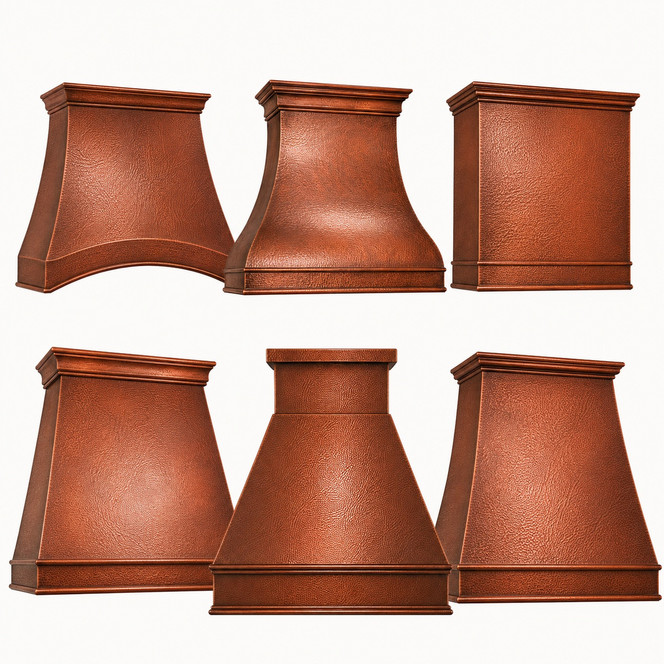
Copper range hood guide explains why handcrafted copper ventilation covers are valued for warmth, durability, patina, and kitchen design impact. A copper hood can remove smoke, grease, steam, and cooking odors while becoming the main decorative feature above the range. Unlike stainless steel or aluminum, copper develops natural color variation over time, giving the surface deeper character. When choosing a copper range hood, consider hood size, mounting type, ventilation insert, patina finish, texture, and how the design will coordinate with cabinetry, backsplash, counters, flooring, and lighting.
Blog Summary
- Design: Copper hood focal point
- Material: Durable artisan copper
- Patina: Finish evolves over time
- Ventilation: Removes smoke and odors
- Care: Clean with mild soap
Why Copper Hoods Matter
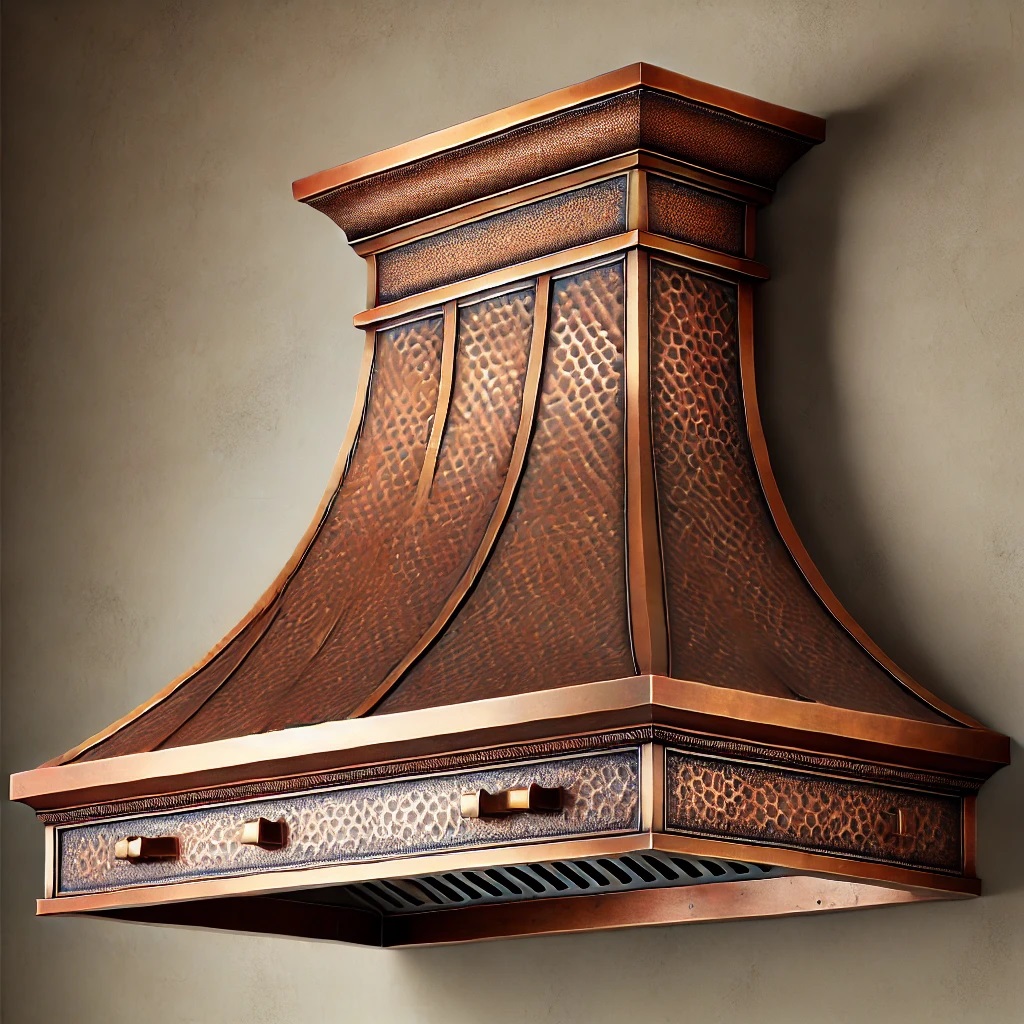
A copper range hood is both a practical kitchen appliance cover and a long-term design investment. It helps organize the cooking wall, improves ventilation planning, and adds a warm metal focal point that can define the entire room. Copper is especially valued because it does not remain visually flat. As light moves across the surface, hammered marks, patina tones, and handcrafted details create depth. This makes copper useful in kitchens that need warmth, texture, and individuality. Whether the room is rustic, transitional, Mediterranean, farmhouse, Spanish Colonial, or modern, the hood can be customized to support the larger kitchen design.
Natural Copper Patina
One of the main reasons homeowners choose copper is its natural patina. Over time, copper reacts with air, moisture, heat, and touch, developing richer tones and surface variation. This aging process can create antique, coffee, honey, reddish-brown, or darker rustic effects depending on the original finish and kitchen environment. Some homeowners prefer polished copper, while others enjoy a more aged appearance. Patina should be understood as part of the material’s character rather than a flaw. A well-maintained copper hood can become more distinctive with use, especially when cleaned gently and protected from harsh chemicals.
Patina Advantages
- Color: Adds warm variation
- Depth: Creates aged character
- Texture: Highlights hammering
- Style: Supports rustic rooms
- Value: Looks handcrafted
Hand-Hammered Texture
Hand-hammered copper gives a range hood a surface that feels artisan-made instead of factory smooth. Each hammer mark catches light differently, producing a varied appearance that changes between morning, afternoon, and evening. This texture works well with wood cabinetry, stone counters, handmade tile, plaster walls, and iron hardware. In modern kitchens, hammered copper softens clean lines and prevents the room from feeling too cold. In rustic kitchens, it naturally complements aged finishes and organic materials. Hammering can also make minor tonal changes less noticeable because the surface already contains intentional variation and depth.
Ventilation Benefits
Beyond its decorative value, a copper range hood supports kitchen air quality. A properly planned hood and insert can help remove smoke, steam, grease particles, heat, and cooking odors from the range area. This is especially important in kitchens used for frying, sautéing, grilling, or frequent family cooking. The copper exterior provides the visual design, while the insert performs the ventilation work. Airflow, filter access, duct direction, and fan power should be reviewed before ordering. A beautiful hood should also be practical, easy to service, and sized correctly for the range or cooktop below it.
Ventilation Functions
- Smoke: Helps remove fumes
- Grease: Captures airborne oils
- Steam: Reduces moisture buildup
- Odor: Improves kitchen freshness
- Heat: Supports cooking comfort
Choosing the Right Size
Size is one of the most important decisions when selecting a copper hood. The hood should relate to the width of the range, the height of the ceiling, the depth of the cooking surface, and the surrounding cabinetry. A hood that is too small may look weak and may not provide enough capture area. A hood that is too large can overwhelm the room or crowd nearby cabinets. Custom copper hoods are useful because they can be built around the actual kitchen layout. Width, height, depth, chimney length, apron size, and insert compatibility should all be reviewed before production begins.
Mounting Options
Copper range hoods are available in several installation formats. Wall-mounted hoods are installed above a range placed against a wall and often work with a backsplash and upper chimney. Island hoods hang above an island cooktop and are visible from multiple sides, so symmetry and ceiling support become especially important. Under-cabinet hoods fit beneath upper cabinets or built-in enclosures, making them useful in compact kitchens or remodels where storage must remain. Each mounting type affects ducting, dimensions, sightlines, and visual impact. The correct choice depends on the kitchen layout and how the cooking zone is used.
Mounting Types
- Wall: Classic range layout
- Island: Open kitchen use
- Cabinet: Compact installation
- Custom: Built for the room
- Insert: Planned for airflow
Design Style Options
Copper hoods can be shaped to match many kitchen styles. A bell hood feels traditional and sculptural. A barrel hood adds curved Old World character. A pyramidal hood creates strong geometry. A box hood looks cleaner and more architectural. Straps, rivets, crown molding, smooth surfaces, hammered texture, and decorative aprons can change the personality of the same material. For a Spanish Colonial kitchen, darker patina and iron accents may work well. For a farmhouse kitchen, hammered copper with white cabinetry creates contrast. For a transitional kitchen, a cleaner copper silhouette can provide warmth without excessive ornament.
Kitchen Décor Pairings
A copper hood should coordinate with the rest of the kitchen rather than appear isolated. Wood cabinets bring natural warmth, while white cabinets create strong contrast. Stone backsplashes can make the copper feel grounded, and handmade tile can add color. Black iron lighting supports rustic and Spanish styles, while brass or bronze hardware can create a softer warm-metal palette. Stainless steel appliances can still work if the room includes wood, tile, or stone to balance their cooler tone. For broader decorating ideas, see the Rustica House kitchen décor guide.
Best Pairings
- Wood: Adds natural warmth
- Stone: Grounds the range wall
- Tile: Adds color and pattern
- Iron: Creates dark contrast
- Brass: Softens warm metals
Installation Planning
Proper installation is essential for both performance and appearance. Before ordering a copper hood, confirm the range width, ceiling height, cabinet spacing, duct path, electrical access, and insert specifications. Ducted systems should be planned to move air outdoors when possible. The hood should be mounted at a comfortable height above the cooking surface while still allowing effective capture. Large or heavy hoods may need additional wall or ceiling support. Island hoods require especially careful planning because they are suspended and visible from multiple angles. Installation should be coordinated with the cabinet maker, contractor, and ventilation requirements.
Maintenance Basics
Copper range hood maintenance should be gentle and consistent. For routine cleaning, use warm water, mild dish soap, and a soft microfiber cloth. Wipe the surface carefully, then rinse with a clean damp cloth and dry immediately. Avoid abrasive pads, steel wool, bleach, ammonia, harsh degreasers, and aggressive polishing products. These can scratch copper or damage the patina. If the hood has a rustic or aged finish, frequent polishing is usually not recommended. For more detailed information, review the copper hood advantages guide.
Care Guidelines
- Soap: Use mild cleaner
- Cloth: Choose microfiber
- Dry: Prevent water spots
- Avoid: No abrasive pads
- Patina: Do not over-polish
Filter Care
The insert filters should be cleaned regularly so the hood can continue performing efficiently. Grease filters collect airborne oils and residue from cooking, so they need more attention in kitchens used frequently. Remove filters according to the insert manufacturer’s instructions. Soak them in warm water with mild dish soap, rinse thoroughly, and allow them to dry completely before reinstalling. If the filters are dishwasher safe, follow the insert instructions. Clean filters improve airflow, reduce odors, and help keep grease from building up inside the hood. Surface cleaning and filter care should be treated as separate but equally important tasks.
Customization Options
Customization allows a copper hood to match both functional needs and interior style. Homeowners can select width, height, depth, mounting type, texture, patina, apron shape, straps, rivets, crown details, and insert compatibility. This flexibility is one reason copper hoods are useful in custom kitchens. A tall ceiling may require a longer chimney, while a compact kitchen may need a lower-profile hood. A formal kitchen may support decorative molding, while a modern room may need a simpler body. Custom planning helps the hood look integrated with the cabinetry and architecture instead of appearing like an afterthought.
Copper Hood Summary
A copper range hood offers more than decorative warmth. It can improve kitchen ventilation, define the range wall, and add long-lasting handcrafted character. Copper’s natural patina allows the hood to develop depth over time, while hammered texture brings movement and artisan detail to the surface. The best hood should be sized correctly, installed properly, cleaned gently, and coordinated with surrounding materials. Whether the kitchen is rustic, farmhouse, Mediterranean, Spanish Colonial, traditional, or transitional, copper can become the main design feature when paired with thoughtful cabinetry, backsplash, lighting, and ventilation planning.
Final Buying Guidance
Copper range hood guide planning should begin with the kitchen layout and end with finish selection. Decide whether the hood will be wall-mounted, island-mounted, or installed under cabinetry. Confirm the ventilation insert, duct path, dimensions, and support needs before finalizing the design. Choose a patina and texture that complement cabinets, counters, tile, and lighting. Clean the hood gently to preserve its surface and allow the metal to age naturally. With proper planning and care, a copper range hood can remain a beautiful, functional, and valuable focal point in the kitchen for many years.