 US Dollar
 Euro
Euro
 Australian Dollar
 Canadian Dollar
 Polish Zloty
 British Pound

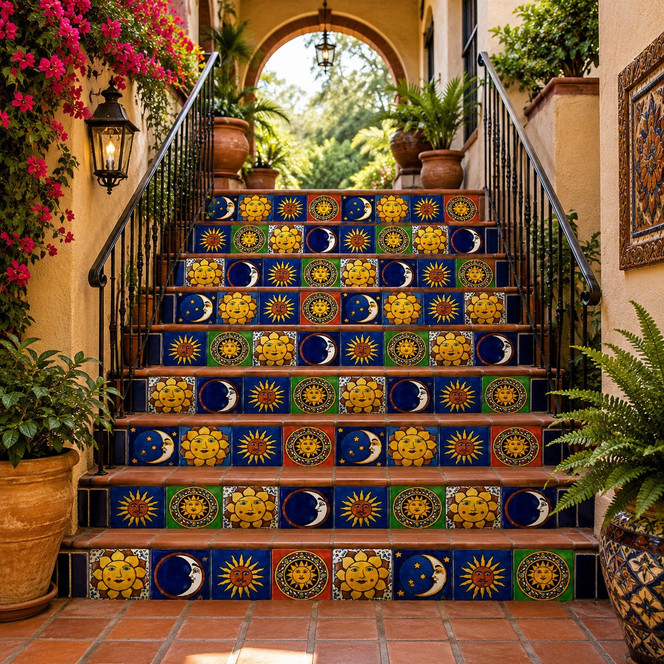
Unique Mexican Ceramic Tiles: Handcrafted Color and Character for Every Space
Unique Mexican ceramic tiles offer an expressive alternative to neutral, mass-produced interiors. Handmade by skilled artisans, these colorful tiles combine traditional Talavera techniques, intricate patterns, and subtle variations that give every installation an authentic character. Whether used as a kitchen backsplash, bathroom accent, stair-riser detail, patio feature, or decorative wall panel, unique Mexican ceramic tiles bring warmth, personality, and cultural richness into both traditional and contemporary homes.
Blog Summary
- Product: Mexican ceramic tiles
- Style: Colorful artisan design
- Best For: Walls and decorative accents
- Applications: Kitchens, baths, stairs, patios
- Craft: Handmade in Mexico
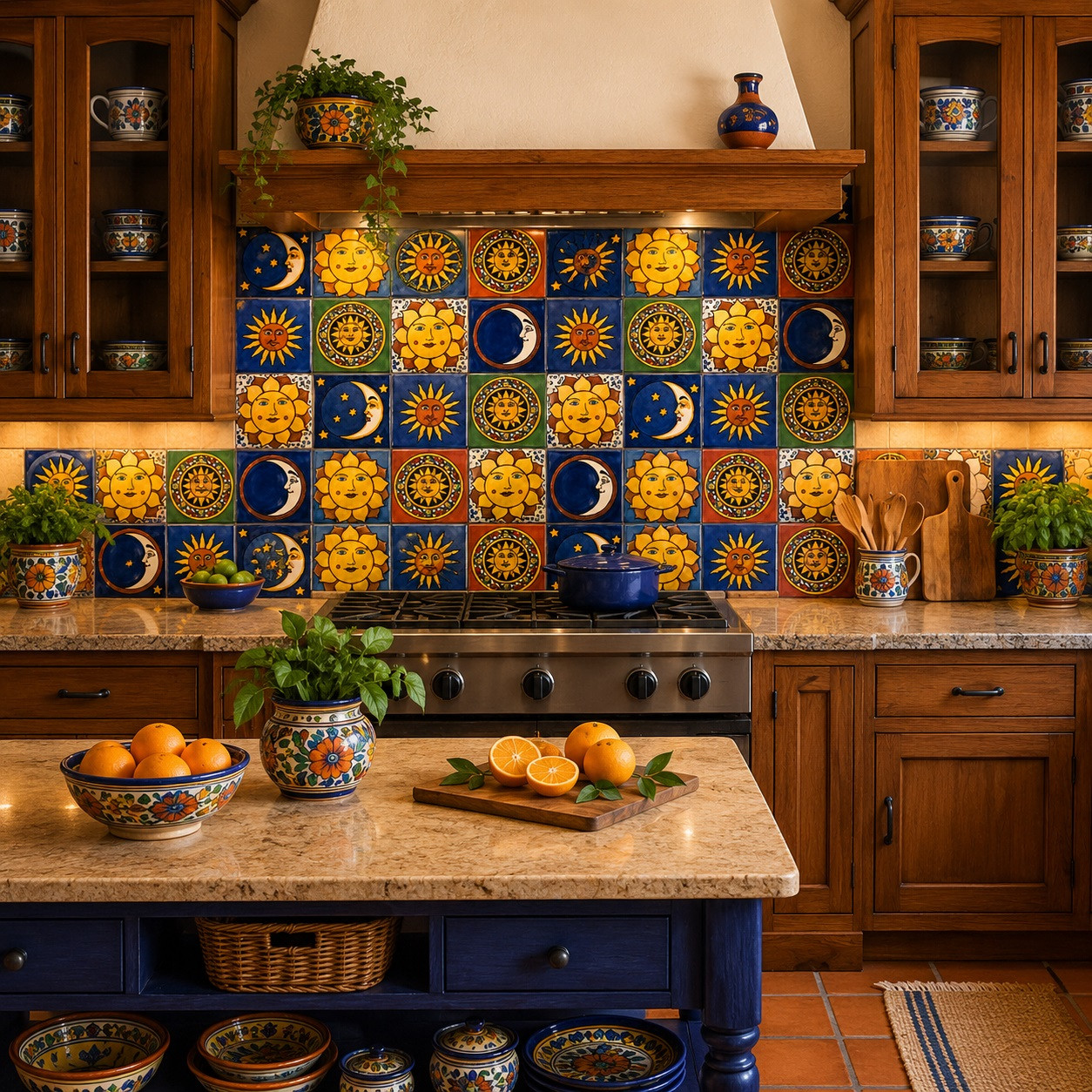
Why Mexican Ceramic Tiles Feel So Distinctive
Mexican ceramic tiles are immediately recognizable because of their expressive color, visible brushwork, and rich decorative patterns. Unlike machine-printed tile, each piece carries slight differences in tone, line, glaze, and dimensions that reveal its handmade origin.
These variations create surfaces with movement and personality rather than the perfectly uniform appearance associated with industrial ceramic production.
Handcrafted Talavera Tradition
Traditional Talavera production combines hand-formed clay, individually painted decoration, glazing, and kiln firing. Each stage requires experience and close attention, particularly when several colors and detailed motifs are used within one design.
Because the tiles are painted and finished by hand, the completed surface reflects both the established pattern and the individual touch of the artisan who created it.
Artisan Characteristics
- Hand Painted: Individual brushwork
- Glazed Surface: Vibrant ceramic color
- Handmade Variation: Authentic character
- Traditional Patterns: Mexican design heritage
- Artisan Production: Crafted in Mexico
Color as a Form of Personal Expression
Home interiors should reflect the personality of the people who live in them. Mexican tile makes it possible to introduce color in a way that feels intentional, artistic, and connected to traditional craftsmanship.
Deep cobalt blue, terracotta, green, yellow, white, turquoise, and red can be combined through floral, geometric, celestial, Moorish, or folk-inspired motifs. The result may be bold and energetic or carefully restrained depending on how the tile is used.
You Do Not Need to Tile an Entire Room
Adding Mexican character does not require covering every wall with pattern. Small installations can have just as much visual impact when positioned strategically.
A narrow backsplash band, framed feature panel, decorative niche, stair-riser sequence, or tile border can introduce artisan detail without overwhelming the surrounding design.
Subtle Accent Ideas
- Backsplash Band: Small colorful section
- Wall Niche: Framed artisan detail
- Stair Risers: Patterned accents
- Mirror Border: Decorative ceramic frame
- Doorway Trim: Welcoming tile detail
Kitchen Backsplashes
The kitchen backsplash remains one of the most popular applications for Mexican ceramic tile. The glazed surface helps protect the wall while adding color behind a cooktop, sink, or preparation area.
Mixed-pattern tile creates an eclectic artisan composition, while a repeating design provides a more structured appearance. Solid-color borders can be used to frame the installation and create separation from surrounding cabinetry.
Bathroom Walls and Vanities
Bathrooms offer many opportunities to feature handcrafted tile. Mexican ceramic patterns can be installed behind a vanity, around a mirror, inside a wall niche, or along a decorative wainscot.
The combination of colorful tile with white plaster, natural stone, wood vanities, or copper sinks creates a warm bathroom that feels personal rather than generic.
Bathroom Applications
- Vanity Backsplash: Colorful focal point
- Mirror Surround: Decorative frame
- Wall Niche: Artisan inset
- Tub Wall: Patterned accent
- Wainscot: Traditional ceramic detail
Stair Risers with Mexican Character
Stair risers are ideal for displaying mixed Mexican patterns because each step can feature a different design while remaining connected through a shared color palette. This creates a decorative sequence that becomes more visible as people move through the space.
For a quieter appearance, one pattern may be repeated across all risers or alternated with solid-color ceramic tile.
Entryways, Doors, and Windows
Mexican architecture often uses decorative tile around entrances, door frames, windows, and exterior thresholds. These accents create a welcoming first impression while adding color to stucco, stone, brick, or plaster surfaces.
Even a narrow border around a doorway can introduce a clear Hacienda or Spanish Colonial influence.
Patios and Covered Outdoor Areas
Handcrafted tile can add color to covered patios, outdoor kitchens, sheltered garden walls, and veranda dining areas. It pairs naturally with terracotta flooring, Cantera stone, iron furniture, and colorful pottery.
Exterior applications should be evaluated according to climate, exposure, substrate conditions, and freeze-thaw risk. A qualified installer can determine whether a selected tile and installation system are appropriate for the project.
High Relief Tiles for Added Dimension
For surfaces that require more texture, high relief tiles introduce raised patterns that catch light and cast shadows. These dimensional tiles work particularly well on kitchen backsplashes, stair risers, fireplace surrounds, and decorative feature walls.
Relief tiles may be mixed with flatter Talavera patterns to create contrast between painted detail and sculptural surface texture.
Relief Tile Applications
- Kitchen: Sculptural backsplash
- Fireplace: Decorative surround
- Stairs: Raised pattern detail
- Bathroom: Vanity wall accent
- Entry: Dimensional tile panel
Hand-Painted Tile Murals
A tile mural creates the effect of permanent ceramic artwork integrated directly into the architecture. Landscapes, flowers, animals, kitchens, cultural scenes, and traditional motifs can all become focal points within a larger tiled area.
Explore additional design possibilities through hand-painted Mexican tile murals for kitchens, bathrooms, patios, and outdoor cooking spaces.
Mixing Patterns Successfully
Mixed patterns create energy and visual interest, but the layout should still feel balanced. A successful composition often repeats a small group of colors across different designs so the overall surface remains connected.
Before installation, dry-lay the tiles and distribute similar patterns throughout the layout. This prevents one color or motif from becoming concentrated in a single area.
Pattern Planning Tips
- Dry Lay: Arrange before installation
- Balance Colors: Distribute evenly
- Rotate Motifs: Avoid repetition clusters
- Use Borders: Frame busy patterns
- Add Solids: Create visual rest
Using Solid Color Tiles
Solid-color Talavera tile provides a useful visual break between more detailed patterns. Cobalt, terracotta, yellow, green, white, and turquoise can be used as borders, field tiles, or transition bands.
This approach makes it possible to enjoy vivid Mexican patterns while keeping the overall design balanced and easy to read.
Modern Interiors with Vintage Ceramic Accents
Mexican tile is not limited to rustic or traditional interiors. In contemporary homes, a handcrafted tile installation can soften sleek cabinetry, polished stone, concrete, glass, and stainless steel.
The contrast between perfectly smooth modern materials and visible artisan brushwork creates a layered interior that feels warmer and more individual.
Creating a Complete Mexican-Inspired Interior
For a stronger Hacienda or Mexican Colonial appearance, combine ceramic tile with natural and handcrafted materials. Iron lighting, carved wood furniture, woven textiles, copper sinks, and hand-hammered range hoods all reinforce the artisan character of the room.
A handmade copper range hood pairs especially well with colorful Talavera tile because the warm metal balances the cooler blues, greens, and whites often used in Mexican ceramic design.
Complementary Materials
- Copper: Warm handcrafted contrast
- Wrought Iron: Spanish Colonial character
- Wood: Natural rustic balance
- Terracotta: Traditional flooring
- Textiles: Added color and softness
Eclectic Global Design
Mexican tile can also become part of an eclectic interior that combines objects and materials from different cultures. Moorish textiles, Moroccan lighting, Mediterranean pottery, and Mexican ceramics share an appreciation for color, geometry, and artisan production.
The key is to repeat selected colors or materials throughout the room so the combination feels intentional rather than unrelated.
Grout Color and Visual Effect
Grout changes the way a tile installation is perceived. Light grout softens the boundaries between pieces and keeps the surface bright. Dark grout defines each individual tile and gives the pattern stronger visual structure.
Grout Choices
- White: Bright traditional contrast
- Cream: Warm and understated
- Light Gray: Balanced contemporary look
- Charcoal: Strong tile definition
- Terracotta: Earthy rustic effect
Installation Considerations
Handmade ceramic tile may vary slightly in size, thickness, edge shape, and surface. These characteristics should be considered during layout and installation rather than treated as defects.
A qualified installer can adjust grout spacing and tile placement to create a balanced finished surface. Dry laying is strongly recommended before applying mortar.
Installation Guidelines
- Substrate: Clean and stable
- Layout: Dry-fit first
- Spacing: Allow handmade variation
- Mortar: Use ceramic-rated adhesive
- Installer: Professional recommended
Cleaning and Maintenance
Glazed Mexican ceramic tile is generally easy to maintain. Clean the surface with mild soap, warm water, and a soft cloth or sponge. Avoid abrasive pads and harsh acidic products that may affect the glaze or grout.
Depending on the installation area, grout may benefit from periodic sealing. The glazed tile face usually does not require additional sealant.
Care Tips
- Clean: Mild soap and water
- Avoid: Abrasive products
- Wipe: Remove splashes promptly
- Grout: Seal when appropriate
- Protect: Prevent heavy impacts
Why Choose Handmade Mexican Tiles?
Machine-made tile can reproduce a color or pattern, but it cannot fully replicate the character of a hand-painted ceramic surface. Small differences in brushwork, glaze movement, and dimensions create an installation that feels alive and connected to the person who made it.
Mexican tiles also allow homeowners to design spaces that feel personal rather than standardized, whether through a single accent, a mixed backsplash, or a full ceramic feature wall.
Ordering and Project Planning
Calculate the required quantity according to the installation area and include additional material for cuts, pattern placement, and future repairs. Mixed-pattern projects may require extra planning to achieve the desired balance of colors and motifs.
Browse the unique Mexican ceramic tile collection to compare available designs, colors, and pattern mixes before finalizing your project.
Conclusion
Unique Mexican ceramic tiles bring handcrafted color, cultural heritage, and artistic individuality into kitchens, bathrooms, stairways, entryways, and covered outdoor spaces. They can be used boldly across a full surface or introduced through subtle accents that add personality without overwhelming the room. With thoughtful pattern planning, complementary materials, and proper installation, Mexican Talavera tile transforms ordinary architecture into a warm and expressive reflection of authentic artisan design.