 US Dollar
 Euro
Euro
 Australian Dollar
 Canadian Dollar
 Polish Zloty
 British Pound


The kitchen is often the heart of the home, where daily function meets personal style. Many homeowners want features that do real work and still feel like design statements. A well-chosen vent hood can do both. If you want warmth, depth, and artisan presence, wall copper kitchen hoods are a standout choice that pairs beauty with practical ventilation. Within this category, Mexican copper hoods are especially popular because the craftsmanship and hand-finished character create a timeless focal point above the range.
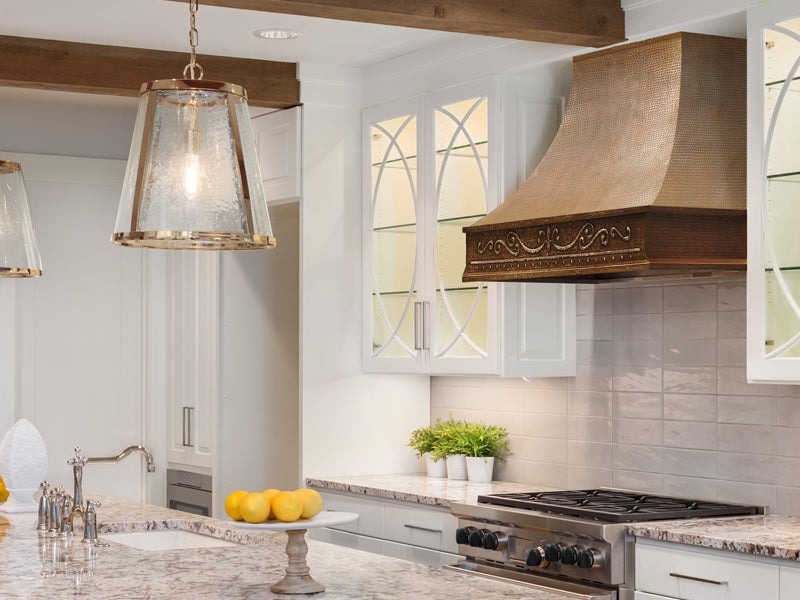
Why wall copper range hoods change the feel of a kitchen
In most kitchens, the cooking wall is the visual center. Cabinets, counters, and backsplash create the setting, but the hood becomes the anchor. That is why a copper hood can have such a dramatic effect. Copper brings warmth to stone, wood, plaster, and painted cabinetry. It also adds an artisan note that makes the kitchen feel curated rather than generic.
Wall hoods also create a natural vertical element that helps a room feel taller and more architectural. The chimney line draws the eye upward and adds structure, especially when the cabinetry is simple and the backsplash is calm. When copper is used, the surface adds depth without relying on loud color. It reads rich, not busy.
The performance side that most people forget
A hood is not only visual. It should also protect the room. Cooking creates steam, heat, grease, and odors. Without strong ventilation, that moisture can cling to cabinets, walls, and ceiling paint. Over time, kitchens without good capture can feel sticky or stale. A wall-mounted hood positions ventilation right where it is needed, above the cooking surface and close to the main plume of rising air.
That is one reason wall copper range hoods remain a practical upgrade. The design can be beautiful, but the day-to-day benefit is comfort. Less lingering odor. Less grease film. Less humidity trapped in the room. When the hood is properly sized and mounted at the right height, it becomes one of the most functional “design pieces” in the kitchen.
Why Mexican copper hoods feel different from mass-produced metal
Many metal hoods look flat in real rooms. The seams are uniform. The surfaces feel machine-perfect. Mexican copper hoods stand apart because they show the artisan hand. Texture, hammering, and hand-finished edges create subtle variation that makes the hood feel alive. Even when two hoods share the same silhouette, the surface details make each one distinct.
This is also why many people describe Mexican copper as timeless rather than trendy. The finish develops character instead of looking worn. The material does not feel disposable. It feels like a piece that belongs in a home for a long time, even as cabinets, lighting, or hardware are updated around it.
How patina makes copper feel warmer over time
Copper is a living metal. It changes gradually in response to air, moisture, heat, and everyday use. That change is part of the charm. A new hood can start brighter, then deepen toward warmer browns. Some finishes are designed to look aged from day one, which gives instant Old World presence. The result is a surface that feels more grounded as the kitchen evolves.
Patina also helps copper blend across styles. In a rustic kitchen, deeper tone reinforces natural materials like wood and stone. In a modern kitchen, copper can add warmth to a clean palette of white, gray, or black. The hood becomes the balancing element, softening hard surfaces without needing extra decor.
When polished copper vent hoods make the most sense
Some kitchens need brighter reflectivity. If your room is darker, or you want a more refined look, a polished direction can be the right choice. Polished copper reads crisp and luminous, and it can make a cooking wall feel more upscale. It can also work beautifully in transitional interiors where you want artisan warmth but still prefer cleaner, tailored lines.
If you are comparing shine levels and finish behavior, Mexican vent hoods in polished finishes show how copper can move from rustic toward refined while still keeping a handcrafted identity. The key is to pair the finish with the rest of the kitchen. Polished copper tends to look best when the surrounding surfaces are calm, so the hood can be the highlight without competing against heavy pattern.
Design styles that pair well with wall copper kitchen hoods
Copper is versatile, but it shines most when the room has a clear design direction. In Spanish, Mediterranean, and Tuscan-inspired kitchens, copper feels natural because it echoes terracotta tones and warm stone. In farmhouse kitchens, it adds depth against shaker cabinetry and wood beams. In modern rustic spaces, it can balance black hardware and matte finishes with a warmer focal point.
Even in contemporary kitchens, copper can work when used thoughtfully. A simpler hood silhouette with controlled texture can create a clean statement. In that setting, copper feels like the “one artisan element” that keeps the room from feeling too sterile. The hood becomes the centerpiece, while everything else stays quiet and functional.
Why custom copper extractors are worth considering
Kitchens are not identical. Ceiling heights vary. Cabinet runs differ. Some ranges are wider. Some have high output burners that produce more heat and smoke. That is why custom sizing matters. A hood that fits your space well looks intentional and performs better. It also avoids awkward gaps or mismatched proportions that can make an expensive kitchen look unfinished.
This is where handmade copper extractors make a difference. A custom approach lets you tailor width, chimney height, and finish details so the hood fits the wall correctly. It also allows you to coordinate straps, rivets, or apron details with nearby metals and cabinetry lines. When a hood is custom-fit, it becomes part of the architecture instead of a separate appliance.
Size and proportion planning that keeps the wall balanced
Proportion is the detail people notice without realizing it. A hood that is too narrow can look weak, even if it performs well. A hood that is too wide can dominate and make the wall feel heavy. Custom sizing helps you land in the sweet spot where the hood looks centered, aligned, and proportional to the range and the cabinet mass on each side.
Chimney height matters too. A taller chimney can look elegant in rooms with higher ceilings, while a shorter one can feel more balanced in standard ceiling kitchens. The goal is a hood that supports the room’s vertical scale rather than fighting it. This is one reason custom copper hoods feel more premium. They look like they belong.
How ventilation planning affects the final result
Even the most beautiful hood will disappoint if ventilation is poorly planned. Performance depends on proper sizing, mounting height, and correct venting. Duct path matters because long runs and sharp elbows reduce airflow. Insert choice matters because blower power and filter style affect capture and noise. A well-planned hood looks calm, but it works hard behind the scenes.
The good news is that custom-made copper hoods can be built around many common ventilation setups. When you plan early, the insert can be integrated cleanly so the exterior stays beautiful and the interior works efficiently. That is how you get the best of both worlds: artisan presence and real cooking comfort.
Why a 48 inch copper range hood is a popular decision
Many homeowners choose wider hoods because they want better capture and stronger visual presence. A wider hood can also feel more architectural, especially in kitchens with larger ranges or broader cabinet runs. It creates a stronger focal point and helps the cooking wall feel complete. That is one reason the 48-inch category stays popular in both traditional and modern kitchens.
If you are considering that size range, custom-made copper range hood planning can help you understand why width affects both style and function. Wider capture can reduce side drift of steam and smoke. Visually, it can help the hood feel proportional over a larger cooktop and create a more confident “hearth” presence.
Simple care habits that keep copper looking its best
Copper is easy to live with when you keep cleaning gentle and consistent. Wipe the exterior with mild soap and water using a soft cloth. Avoid harsh chemicals and abrasive pads, which can damage finishes or create uneven bright areas. In high-use kitchens, wipe splatter sooner rather than later. That prevents grease film from building and helps the hood maintain a cleaner, richer tone.
Over time, patina will shift. That is normal. Some buyers love the living finish and let it evolve naturally. Others prefer to keep a more consistent look and follow a protective routine. Either approach can work. The key is to avoid aggressive cleaning habits that strip surface character. Copper looks best when the finish is treated with respect and allowed to develop depth.
Conclusion
Wall copper kitchen hoods are one of the most effective ways to blend function and design in a kitchen. They remove smoke and odors while adding warmth, texture, and artisan presence to the main cooking wall. Mexican copper hoods stand out because handcrafted texture and finish variation make each piece feel personal and timeless. If you want a hood that fits your space perfectly, handmade copper extractors offer sizing and finish control that can elevate the entire kitchen. With smart planning and gentle care, a copper hood becomes more than ventilation. It becomes the defining focal point that makes the kitchen feel complete.