 US Dollar
 Euro
Euro
 Australian Dollar
 Canadian Dollar
 Polish Zloty
 British Pound

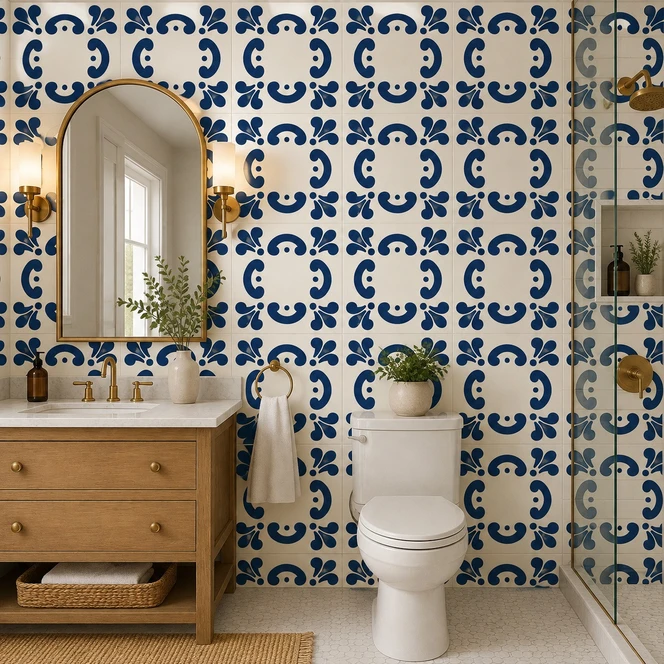
Unique Ceramic Mexican Tiles: Handcrafted Color, Pattern, and Relief for Distinctive Interiors
Unique ceramic Mexican tiles bring hand-painted color, sculptural texture, and traditional artisan character into kitchens, bathrooms, staircases, fireplaces, patios, and commercial interiors. Produced from Mexican clay and decorated individually, these tiles offer floral, geometric, folk, solid-color, and high-relief designs that can transform an ordinary surface into a memorable architectural feature. Their vivid glazes work equally well in Spanish Colonial and Hacienda interiors or as expressive accents within modern and transitional spaces. Whether arranged as a controlled repeating field, an eclectic patchwork, or a dimensional backsplash, unique ceramic Mexican tiles provide a flexible way to introduce craftsmanship, cultural depth, and enduring color into a design.
Blog Summary
- Product: Ceramic Mexican tiles
- Styles: Patterned, solid, and relief
- Best For: Walls and accent surfaces
- Design: Traditional or contemporary
- Craft: Handmade and hand-painted

Why Mexican Ceramic Tile Feels Distinctive
Mexican ceramic tile combines color, pattern, glaze, and visible handwork in a way that differs from factory-printed surfaces. Small differences in brushwork, shape, glaze, and tone allow every installation to feel more varied and personal.
Instead of creating a perfectly uniform wall, handmade tile produces a surface with rhythm, visual movement, and evidence of the artisan process.
Traditional Craft in Contemporary Rooms
Although the designs are rooted in Mexican and Spanish Colonial traditions, they can be used successfully in modern interiors. A limited tile panel may soften clean cabinetry, concrete, glass, steel, or simple stone without changing the entire architectural style.
The contrast between handcrafted ceramic and contemporary materials gives the room warmth and individuality.
Distinctive Tile Qualities
- Color: Saturated hand-painted pigments
- Pattern: Floral and geometric motifs
- Texture: Flat or raised surfaces
- Variation: Individual artisan character
- Versatility: Traditional or modern use
The Talavera Tile Tradition
Talavera tiles reflect a ceramic tradition shaped by Spanish, Moorish, and Mexican influences. Artisans adapted European glazing and decorative techniques through local clay, color palettes, botanical imagery, and regional motifs.
The result is a recognizable ceramic language associated with Mexican courtyards, kitchens, fountains, churches, restaurants, and historic homes.
Made from Mexican Clay
The tile body is formed from clay before drying, firing, glazing, painting, and final kiln firing. Each stage influences the finished color, thickness, edge shape, and glaze surface.
Because the process is manual, these tiles should not be expected to match the exact dimensional consistency of industrial porcelain.
Hand-Painted Surface Decoration
Patterns are applied by hand rather than mechanically printed. Fine outlines define flowers, scrolls, medallions, leaves, stars, and geometric forms, while colored glazes fill the surrounding areas.
Brush placement and pigment density vary slightly from tile to tile, giving the completed installation greater depth.
Production Characteristics
- Clay Body: Traditional ceramic base
- Glaze: Glossy protective surface
- Painting: Applied by hand
- Firing: Develops color and finish
- Variation: Natural handmade differences
Why Bold Color Remains Popular
Colorful tile provides an alternative to interiors dominated by white, gray, and neutral surfaces. A strong backsplash or stair-riser installation can energize the room without requiring brightly painted cabinetry or patterned furniture.
Homeowners can introduce as much or as little color as the project requires, from one accent panel to a fully tiled wall.
Patchwork Tile Layouts
Patchwork installations combine several patterns within one shared color palette. Floral, geometric, folk, and medallion designs are arranged together to create an eclectic surface that feels collected rather than repeated.
Successful patchwork layouts distribute similar colors throughout the wall so the various motifs remain visually connected.
Repeating Pattern Layouts
A single repeated pattern creates a more formal and controlled appearance. Radial medallions, daisies, stars, and geometric motifs can form a steady rhythm across a backsplash or feature wall.
This arrangement is often easier to integrate into transitional, Mediterranean, and traditional rooms.
Pattern Approaches
- Patchwork: Mixed artisan designs
- Repeating: Consistent visual rhythm
- Centered Panel: Defined focal feature
- Accent Band: Limited horizontal detail
- Solid Field: Calmer ceramic surface
Choosing Full Coverage or Accent Use
The scale of the installation has a major effect on how the tile influences the room. A full wall becomes a permanent visual background, while a smaller accent zone concentrates color and pattern in one architectural location.
Consider the room size, natural light, cabinetry, furnishings, and surrounding finishes before determining how much tile to use.
Full-Wall Applications
When ceramic tile covers a large area, controlled patterns and related colors help the surface remain comfortable to live with. Solid-color fields, blue-and-white designs, or gentle repeated motifs create handmade warmth without constant visual competition.
Large installations should be reviewed from a distance because the overall pattern matters as much as the detail of each tile.
Accent Zones
A smaller accent area can support stronger color, mixed motifs, or dimensional relief. Common locations include the wall behind a range, a shower niche, a vanity backsplash, a stairway, or the center of a fireplace surround.
Accent use allows homeowners to enjoy decorative tile without covering every available surface.
Coverage Options
- Full Backsplash: Continuous ceramic field
- Range Panel: Focused kitchen feature
- Wall Accent: Limited decorative zone
- Border: Framed color detail
- Niche: Compact pattern application
Solid-Color Mexican Tiles
Solid-color tiles provide visual rest between highly decorative motifs. Cobalt, yellow, green, terracotta, white, turquoise, and other traditional tones may be used as a complete field or as borders around patterned pieces.
They preserve the irregular glaze and handmade character of Talavera while creating a calmer overall surface.
Using Solid Tile with Patterns
A solid color selected from the decorative motif can frame a patterned panel or separate several mixed designs. This makes large installations easier to read and prevents every tile from competing equally for attention.
Solid fields can also make decorative relief pieces appear more sculptural.
Traditional Solid Colors
- Cobalt Blue: Deep classic accent
- Yellow: Bright warm contrast
- Green: Natural regional tone
- Terracotta: Earthy clay color
- White: Light neutral balance
High-Relief Mexican Tiles
Mexican high-relief tiles feature ornament raised above the ceramic background. Their dimensional surfaces create deeper shadows and stronger texture than standard flat tile.
Relief designs may include flowers, stars, medallions, scrolls, leaves, crosses, and geometric compositions.
Daisy Relief Tile Patterns
Daisy motifs create a cheerful botanical feature with petals radiating around a central point. When formed in relief, the design catches light along the raised edges and develops greater visual depth.
This type of pattern works especially well in farmhouse, Spanish Revival, Mediterranean, and eclectic kitchen backsplashes.
Where Relief Tile Works Best
Because the surface is dimensional, relief tile is generally most practical on walls, backsplashes, stair risers, niches, fireplace surrounds, and decorative panels. It may be less suitable for worktops or areas requiring frequent wiping across a completely flat surface.
Raised tiles should also be positioned where they are protected from regular impact.
Relief Tile Applications
- Backsplashes: Sculptural kitchen detail
- Stair Risers: Raised decorative pattern
- Fireplaces: Textured architectural frame
- Niches: Small dimensional feature
- Accent Walls: Strong visual relief
Kitchen Backsplashes
The kitchen backsplash remains one of the most popular locations for Mexican ceramic tile. It protects the wall while connecting cabinets, counters, sinks, ranges, and decorative hoods through color and pattern.
The backsplash may cover the entire wall or concentrate its strongest design behind the cooking area.
Creating a Focal Point Behind the Range
A centered pattern or high-relief panel behind the range helps organize the cooking wall. Borders and solid-color tiles can frame the design and distinguish it from the surrounding backsplash.
The scale of the pattern should coordinate with the range hood rather than compete with highly ornate metalwork.
Pairing Tiles with Copper Range Hoods
Copper and Talavera create a strong Mexican and Spanish Colonial material combination. Cool cobalt, green, and white glazes contrast with reddish, honey, brown, and antique copper finishes.
A detailed copper hood often works best with a controlled tile field, while a simple hood silhouette can support a more complex backsplash.
Kitchen Pairings
- Copper Hoods: Warm metallic contrast
- Wood Cabinets: Natural material balance
- White Cabinets: Bright pattern backdrop
- Stone Counters: Neutral architectural base
- Iron Lighting: Strong dark accent
Tiles in Eat-In Kitchens
An eat-in kitchen combines cooking, dining, and family activity within one shared room. Decorative tile can help define the cooking area while coordinating with nearby tables, chairs, lighting, and textiles.
Repeating one or two tile colors elsewhere in the room creates visual continuity between the kitchen and dining zones.
Bathroom Wall Applications
Mexican ceramic tile can be used around bathroom vanities, mirrors, tubs, selected shower walls, niches, and powder-room accent areas. The painted surface introduces color into rooms that often depend heavily on white porcelain and neutral stone.
Wet applications require proper waterproofing beneath the ceramic.
Vanity Backsplashes
A narrow backsplash behind a sink provides a practical location for decorative tile without covering the complete room. It can coordinate with a Talavera sink, copper basin, iron mirror, or wood vanity.
Border tile may be used to create a finished upper edge.
Shower Accent Walls
A selected shower wall or niche can display a pattern while surrounding surfaces remain calmer. Blue-and-white, floral, and geometric motifs can create a strong feature within a neutral enclosure.
The installer must use materials appropriate for constant moisture exposure.
Bathroom Applications
- Vanity: Decorative ceramic backsplash
- Shower: Selected accent wall
- Niche: Compact pattern feature
- Tub Surround: Artisan border detail
- Powder Room: Statement wall
Stair-Riser Installations
Mexican tile is traditionally used on stair risers where every step can display a separate pattern or one repeated design. The vertical placement protects the decorative surface from direct foot traffic.
A shared color palette allows mixed motifs to remain visually connected from the bottom to the top of the staircase.
Planning a Stair-Riser Mix
Measure every riser individually because stair dimensions may vary. Dry-lay the tiles before installation to distribute repeated motifs and prevent similar designs from appearing directly beside one another.
Trim pieces or cut tiles may be required to complete the full width.
Stair Design Options
- Mixed Patterns: Eclectic stair sequence
- Repeated Design: Formal visual rhythm
- Solid Colors: Controlled alternation
- Relief Tiles: Dimensional riser accents
- Borders: Finished edge treatment
Fireplace Surrounds
Decorative ceramic tile can frame a fireplace opening, cover the face, or form a patterned band beside plaster, brick, or stone. The installation emphasizes the fireplace as an architectural focal point.
Materials, adhesives, and clearances must be suitable for the temperature conditions around the firebox.
Entryways and Foyers
A tile panel, doorway border, staircase, or niche can establish Mexican or Spanish Colonial character immediately upon entering the home. The ceramic pairs naturally with carved wood doors, plaster walls, wrought iron lighting, and terracotta flooring.
High-traffic entry floors require tile specifically appropriate for floor use and the expected wear.
Patios and Covered Outdoor Areas
Covered patios, verandas, and outdoor kitchens can support decorative Mexican tile where it remains protected from severe weather and freezing conditions. Tile may be installed around counters, sinks, fountains, fireplaces, stairs, and dining areas.
Exterior suitability depends on climate, moisture exposure, substrate preparation, and installation materials.
Architectural Applications
- Fireplaces: Decorative ceramic frame
- Entryways: Welcoming patterned detail
- Door Borders: Traditional architectural accent
- Patios: Sheltered outdoor color
- Outdoor Kitchens: Artisan backsplash surface
Fountains and Water Features
Mexican tile is frequently used inside fountain basins, along rims, on wall fountain backplates, and across surrounding courtyard surfaces. Water and reflected light make the colors appear especially vivid.
Tile and grout alone do not waterproof a fountain. A complete waterproofing system must be installed beneath the ceramic.
Restaurants and Bars
Restaurants, bars, cafés, and hotels use Mexican tile to establish a memorable atmosphere and reinforce a regional or artisan identity. Backsplashes, bar fronts, restroom walls, stair risers, and entry panels can become recognizable design features.
Commercial installations should balance decorative impact with cleaning requirements and surface durability.
Hospitality Design
In hotels, inns, resorts, and vacation properties, tile can differentiate guest bathrooms, patios, courtyards, kitchens, and common areas. Handmade variation gives the interiors a more individual and collected appearance.
Repeated color palettes can connect several rooms without using the same pattern everywhere.
Commercial Applications
- Restaurants: Distinctive dining atmosphere
- Bars: Decorative counter surfaces
- Hotels: Artisan guest interiors
- Cafés: Colorful backsplash details
- Retail: Memorable branded environment
Mexican Tile in Modern Interiors
Modern rooms can use traditional tile without becoming historically themed. The most effective approach is often to limit the tile to one defined location and surround it with simple materials.
Flat cabinetry, concrete, glass, steel, and neutral stone allow the handcrafted ceramic to become the room’s expressive feature.
Geometric Patterns for Contemporary Rooms
Geometric tiles generally integrate easily with modern architecture because their repeated lines and symmetry relate to clean cabinetry and structural grids. Blue-and-white or limited-color designs create a particularly controlled appearance.
A small backsplash or wall panel may provide enough character.
Relief Tile in Minimalist Spaces
A single-color or limited-palette relief design can add shadow and depth without introducing many competing colors. The raised surface becomes the primary decorative element.
Directional lighting can emphasize the relief pattern after installation.
Modern Design Strategies
- Limit Coverage: Use one defined zone
- Control Color: Select a narrow palette
- Choose Geometry: Support clean architecture
- Add Relief: Create texture through shadow
- Keep Surroundings Simple: Preserve balance
Mexican Tile in Traditional Interiors
Traditional, Hacienda, Spanish Colonial, Mediterranean, and Southwestern interiors can support broader tile coverage and more complex patterns. The ceramic works naturally with plaster, copper, iron, terracotta, carved wood, and stone.
Mixed-pattern walls and colorful stair risers reinforce the layered, handcrafted atmosphere associated with these styles.
Farmhouse Interiors
Floral tiles, daisy motifs, and lightly distressed colors can add warmth to farmhouse kitchens and bathrooms. White cabinets, wood shelving, apron-front sinks, and copper fixtures provide an effective surrounding palette.
Using tile in one focal location keeps the design relaxed rather than overly decorative.
Spanish Revival Interiors
Spanish Revival rooms commonly use patterned tile around kitchens, stairs, fireplaces, fountains, courtyards, and entryways. Cobalt, green, terracotta, yellow, and white reinforce the traditional architectural character.
Relief tiles add another layer of ornament beside plaster walls and iron details.
Compatible Styles
- Spanish Colonial: Historic ceramic color
- Hacienda: Mexican artisan character
- Farmhouse: Warm floral detail
- Mediterranean: Patterned Old World surface
- Contemporary: Controlled artisan contrast
Understanding Handmade Variation
Handmade ceramic tiles may differ slightly in color, brushwork, glaze, thickness, dimensions, and edge shape. The installer should expect and plan for these differences.
Mixing pieces from several boxes before installation distributes the variation evenly across the surface.
Dimensional Differences
Hand-cut tiles are not rectified to identical measurements. Visible grout joints allow each piece to be adjusted so the completed wall appears balanced.
Installing the tiles tightly against one another can make uneven edges and size variation more noticeable.
Glaze Variation
The glaze may show movement, pooling, fine surface differences, or subtle tonal shifts. These characteristics give the tile its traditional appearance.
Samples represent the general design and color direction but cannot guarantee exact repetition in the finished order.
Expected Variations
- Color: Slight tonal differences
- Brushwork: Individual painted lines
- Size: Minor dimensional variation
- Glaze: Natural surface movement
- Edges: Handmade irregularity
Understanding Glaze Crazing
Traditional glazed tile may develop fine lines known as crazing. These small lines can contribute to the antique appearance associated with Talavera ceramic.
Their visibility may be influenced by the grout color, moisture, lighting, and age of the installation.
Choosing Grout Color
A grout tone close to the tile background creates a softer, more unified surface. Contrasting grout outlines each tile and emphasizes the handmade grid.
Dark grout can strengthen an aged or rustic appearance, while cream, white, and light gray generally feel quieter.
Grout Joint Width
Wider grout joints often accommodate handmade size and edge variation more successfully than extremely tight spacing. The exact width should be selected with an installer familiar with Talavera tile.
Sanded grout may be appropriate for wider joints, depending on the product and application.
Grout Considerations
- Matching Grout: Softer overall surface
- Contrasting Grout: Emphasizes tile edges
- Wider Joints: Accommodate variation
- Sanded Grout: Supports wider spacing
- Testing: Confirm appearance first
Preparing the Installation Surface
The substrate must be stable, clean, level, and appropriate for ceramic tile. Wet areas require a full waterproofing system before the tile is installed.
Cracked, flexible, or poorly prepared surfaces can cause tile and grout failure regardless of the ceramic quality.
Dry-Laying the Tile
Dry-laying allows the installer to review pattern distribution, repeated motifs, color variation, border placement, and cuts before adhesive is applied.
This step is especially important for patchwork mixes and centered decorative panels.
Cutting Handmade Tile
Glazed ceramic can be cut with suitable tile tools, although the clay body and painted surface require careful handling. Cut edges should be placed beneath trim, cabinets, grout, or adjoining finishes when possible.
Order extra pieces to account for cuts, breakage, pattern selection, and future repairs.
Installation Checklist
- Substrate: Stable and properly prepared
- Waterproofing: Required in wet areas
- Layout: Dry-lay before setting
- Spacing: Allow handmade variation
- Installer: Familiar with Talavera
Ordering the Correct Quantity
Measure the full installation area and include additional tile for cuts, breakage, handmade variation, pattern placement, and future repairs. Complex layouts generally require a larger allowance.
Keep several unused pieces after installation in case plumbing, electrical, or construction work later affects the tiled surface.
Cleaning Ceramic Mexican Tiles
Use mild soap, warm water, and a soft cloth or sponge for routine cleaning. Remove grease, soap residue, and dirt before buildup becomes difficult to manage.
Avoid abrasive pads, aggressive acids, and harsh chemicals that could dull the glaze or damage the grout.
Maintaining Grout
Inspect grout periodically for cracks, staining, or separation, particularly in kitchens, showers, fountains, and exterior areas. Repair small problems promptly to protect the substrate beneath the tile.
Seal grout only when recommended for the selected product and application.
Tile Care Tips
- Clean: Mild soap and water
- Use: Soft cloth or sponge
- Avoid: Abrasive chemical cleaners
- Rinse: Remove cleaner residue
- Inspect: Maintain grout joints
Why Handmade Tile Is an Investment
Handmade Mexican tile offers more than surface coverage. It contributes visible craftsmanship, cultural reference, and material variation that can define the complete character of a room.
A carefully planned installation can remain relevant even when paint, furniture, lighting, and accessories change around it.
Ordering and Project Planning
Before ordering, confirm the tile style, size, quantity, pattern, color palette, relief depth, installation area, grout width, waterproofing requirements, trim, climate exposure, and installer experience.
Review more decorative Talavera tile ideas, explore ways of decorating with Mexican ceramic tiles, and compare traditional 6x6 Mexican tile formats before finalizing the layout.
Conclusion
Unique ceramic Mexican tiles combine hand-painted color, glazed clay, traditional motifs, sculptural relief, and natural artisan variation in surfaces suited to kitchens, bathrooms, stair risers, fireplaces, fountains, patios, restaurants, hotels, and contemporary interiors. They may be used as a complete patterned field, a controlled repeating design, a colorful patchwork, or a dimensional accent surrounded by solid tile. With thoughtful pattern selection, appropriate grout spacing, proper waterproofing, experienced installation, and gentle cleaning, Mexican ceramic tile becomes a lasting architectural feature that adds warmth, cultural character, and unmistakable handmade beauty.