 US Dollar
 Euro
Euro
 Australian Dollar
 Canadian Dollar
 Polish Zloty
 British Pound

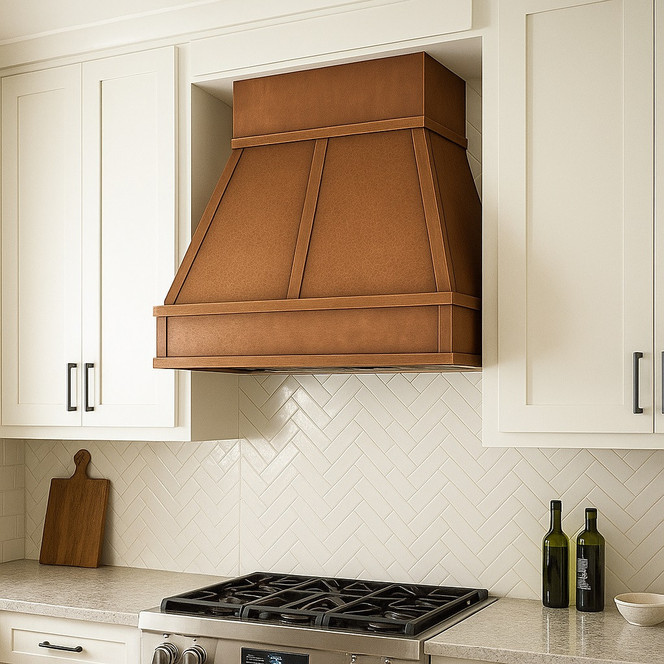
Copper Bathtub Benefits Guide explains why homeowners choose copper for a bathroom centerpiece that combines warmth, durability, artisan character, and long-term value. Copper brings many of the same handcrafted qualities seen in custom metal kitchen pieces, including the under-cabinet copper range hood cover, but it adapts those qualities to bathing comfort and bathroom design. A copper bathtub can retain heat, develop a living patina, support sustainable material choices, and turn daily bathing into a more sensory experience. Because authentic copper tubs are handmade, small hammering differences, finish movement, seams, and artisan irregularities should be expected. No two pieces are identical, and those natural variations add beauty rather than defects. Read our under-cabinet copper hood guide for design details, customization, ventilation planning, and installation considerations.
Blog Summary
- Material: Handmade copper
- Comfort: Excellent heat retention
- Finish: Living natural patina
- Care: Simple gentle cleaning
- Value: Long-lasting investment
- Style: Rustic to modern bathrooms
Copper Bathtub Overview
A copper bathtub is more than a plumbing fixture. It is a handcrafted focal point that brings material depth, visual warmth, and long-term performance into the bathroom. Unlike acrylic, fiberglass, or standard porcelain tubs, copper has a living surface that changes with age, humidity, water chemistry, and use. This natural evolution gives each bathtub a personal character over time. The surface may deepen, soften, darken, or develop subtle tonal shifts, depending on how it is cleaned and maintained. For homeowners who appreciate natural materials, copper offers a rare combination of comfort, durability, and individuality.
Heat Retention
One of the strongest practical advantages of a copper bathtub is its ability to hold warmth. Copper responds quickly when filled with hot water, allowing the tub surface to absorb heat and create a more comfortable soaking environment. Instead of feeling cold at first contact, the metal gradually warms and helps maintain the bathing temperature. This makes copper especially appealing for long, quiet baths where comfort matters as much as appearance.
Heat retention can also reduce the need to keep adding hot water during a bath. While every bathroom and water system is different, many homeowners choose copper because it supports a more relaxed soaking experience. The benefit is not only physical comfort. It also changes the emotional quality of the bathroom. A copper tub feels substantial, warm, and inviting, especially when paired with stone floors, plaster walls, wood vanities, soft lighting, or handmade tile.
Handcrafted Artistry
Authentic copper bathtubs are valued because they show the hand of the maker. Sheets of copper are shaped, hammered, joined, and finished by skilled artisans rather than produced as anonymous molded fixtures. This process creates subtle differences in texture, rim shape, surface depth, and patina movement. Those small variations make the bathtub feel personal and permanent.
Hand-hammered texture is especially important because it gives the copper surface movement. Tiny impressions catch light at different angles, making the tub glow softly instead of looking flat. A smooth copper bathtub creates a cleaner appearance, while a hammered tub feels more rustic, traditional, and sculptural. Both options can be beautiful, but the handmade process remains central. The finished piece should not look perfectly identical to another tub, and that individuality is part of its value.
Sustainable Material
Copper supports sustainable design because it is long-lasting, recyclable, and often made with recycled material. A well-made copper bathtub can remain useful for decades with proper care, reducing the replacement cycle associated with cheaper synthetic materials. Instead of being replaced when its surface ages, copper develops more character. Small marks and finish changes usually blend into the patina rather than ruining the appearance.
This long lifespan gives copper a responsible place in bathroom design. A tub that lasts for generations can be a better investment than one that needs replacement after years of discoloration, cracking, or surface failure. Copper is also recyclable at the end of its use, which supports a circular material life. For homeowners interested in natural materials, sustainable interiors, and fewer disposable finishes, copper offers both beauty and practical responsibility.
Living Patina
The living patina is one of copper’s most distinctive features. Over time, the surface reacts naturally with air, water, handling, and cleaning habits. The finish may deepen into brown, amber, coffee, honey, or darker aged tones. In some environments, copper can also develop greenish oxidized effects. These changes are not defects. They are part of copper’s natural aging process.
Some homeowners prefer to let the patina evolve freely. Others use copper-safe wax or gentle maintenance routines to slow visible changes. Both approaches can work, depending on the desired appearance. A natural living finish is ideal for rustic, hacienda, farmhouse, Mediterranean, and old-world bathrooms. A more controlled surface may be preferred in transitional, contemporary, spa-style, or refined traditional rooms. The important point is to understand that copper is not meant to remain visually frozen. Its changing surface is part of the experience.
Bathroom Atmosphere
Copper has a rare ability to make a bathroom feel warmer and more personal. Its reddish, brown, honey, or antique tones create a visual softness that many white tubs cannot achieve. In a large bathroom, a copper tub can become the main focal point. In a smaller bathroom, it can introduce a strong material statement without needing excessive decoration. The glow of copper works beautifully with candlelight, wall sconces, skylights, and warm interior lighting.
The material also pairs well with many surfaces. Copper looks natural beside marble, limestone, travertine, plaster, reclaimed wood, walnut, white oak, clay tile, zellige, brick, and concrete. It can feel rustic or refined depending on the room around it. Matte black fixtures make copper feel modern and dramatic. Aged brass or bronze fixtures create a softer historic look. Stone and plaster make the tub feel like part of a spa retreat.
Long-Term Value
A copper bathtub is often chosen as a long-term investment. The initial cost can be higher than standard tub materials, but copper offers lasting visual and practical value. Its surface does not depend on a thin coating that peels away. The material itself provides the color, depth, and character. When small scratches happen, they usually settle into the patina over time rather than standing out permanently.
This makes copper especially appealing for homeowners designing a primary bathroom, custom home, luxury remodel, or retreat-style space. The tub can remain relevant even when surrounding paint colors, tile choices, or fixtures change. Because the material has historical roots and natural warmth, it does not feel tied to a short design trend. A well-planned copper tub can become an heirloom feature in the home.
Simple Care
Copper bathtubs are easier to maintain than many people expect. Routine care usually requires rinsing after use and wiping the surface with a soft cloth. Mild soap and warm water are generally enough for cleaning. Harsh chemicals, acidic cleaners, abrasive pads, bleach, ammonia, and steel wool should be avoided because they can disturb the finish or scratch the surface. Gentle care is the best way to preserve the character of the metal.
If the owner wants to slow patina development, a copper-safe wax may be used according to the maker’s care instructions. If the goal is to let the surface age naturally, less intervention may be preferred. Either way, the tub should be dried after use when possible, especially in areas with hard water. The goal is not to make copper look factory-new forever. The goal is to keep it clean, comfortable, and beautiful while allowing the material to age gracefully.
Design Flexibility
Copper bathtubs are available in many forms, which makes them adaptable to different bathroom layouts. Freestanding tubs are popular because they allow the copper to be visible from all sides. Single-slipper tubs create a comfortable reclining shape at one end. Double-slipper tubs create symmetry and work well in larger bathrooms. Drop-in copper tubs can be built into stone, tile, or wood surrounds. Pedestal and base options can also change the tub’s appearance.
Finish selection adds another layer of customization. Natural copper feels warm and classic. Antique patina gives the tub a deeper aged appearance. Coffee and darker patinas feel dramatic and formal. Hammered copper adds artisan texture, while smooth copper feels cleaner and more contemporary. Rolled rims, rivet details, iron bases, and custom dimensions can help the bathtub coordinate with the rest of the bathroom.
Best Bathroom Styles
Rustic Spa
A copper bathtub works beautifully in a rustic spa bathroom with stone floors, plaster walls, warm wood, linen textiles, and soft lighting. The living patina adds depth, while the tub’s warmth keeps the space from feeling cold or overly polished.
Modern Hacienda
Modern hacienda bathrooms benefit from copper’s connection to handmade metalwork, clay tile, dark wood, iron lighting, and warm plaster. A hammered copper tub can become the main feature while still feeling natural within the architecture.
Transitional Luxury
In a transitional luxury bathroom, copper can soften marble, quartzite, painted vanities, and polished fixtures. A smooth or lightly hammered tub works well when the room needs warmth without becoming heavily rustic.
Farmhouse Retreat
Farmhouse bathrooms can use copper to add character beside painted wood, brick, vintage-style lighting, simple tile, and black or bronze fixtures. The tub feels practical, warm, and handcrafted without needing excessive decoration.
Planning Tips
- Measure: Confirm room and tub clearance
- Weight: Review floor support needs
- Drain: Plan plumbing before ordering
- Finish: Choose living or sealed look
- Fixtures: Coordinate metal tones
- Care: Avoid harsh cleaners
- Style: Match tub shape to room scale
Common Questions
What makes a copper bathtub unique?
A copper bathtub combines natural heat retention, handmade construction, living patina, strong material durability, and visual warmth in one bathroom centerpiece.
Will a copper bathtub change color?
Yes. Copper naturally develops patina over time. The surface may deepen, darken, soften, or shift depending on water, humidity, handling, and cleaning habits.
Is a copper bathtub hard to clean?
No. Routine care is usually simple. Use mild soap, warm water, and a soft cloth. Avoid abrasive pads, acids, bleach, ammonia, and harsh cleaners.
Does hammered copper hide wear well?
Yes. Hammered copper can help small marks and tonal changes blend naturally into the surface. The texture also adds depth and handcrafted character.
What bathroom styles work with copper tubs?
Copper tubs work well in rustic spa, hacienda, farmhouse, Mediterranean, transitional, traditional, industrial, and organic modern bathrooms.
Closing Thoughts
A copper bathtub is a strong choice for homeowners who want comfort, craftsmanship, and a material that becomes more personal with age. It retains heat, supports long soaking, develops a living patina, offers long-term durability, and works across many bathroom styles. Its surface is not meant to look identical forever. Instead, it records use, care, and environment through natural finish movement. Whether the bathroom is rustic, transitional, farmhouse, hacienda, or modern spa-inspired, copper can add warmth and authenticity that standard materials often lack.
Related Resources
Disclaimer: Product dimensions, finish colors, patina movement, hammered texture, handcrafted details, and lifestyle appearance may vary due to artisan production, lighting, photography, and custom specifications. Images are for design inspiration. All product images are protected by copyright and may not be used, reproduced, copied, distributed, or published without prior written permission from Rustica House.