 US Dollar
 Euro
Euro
 Australian Dollar
 Canadian Dollar
 Polish Zloty
 British Pound

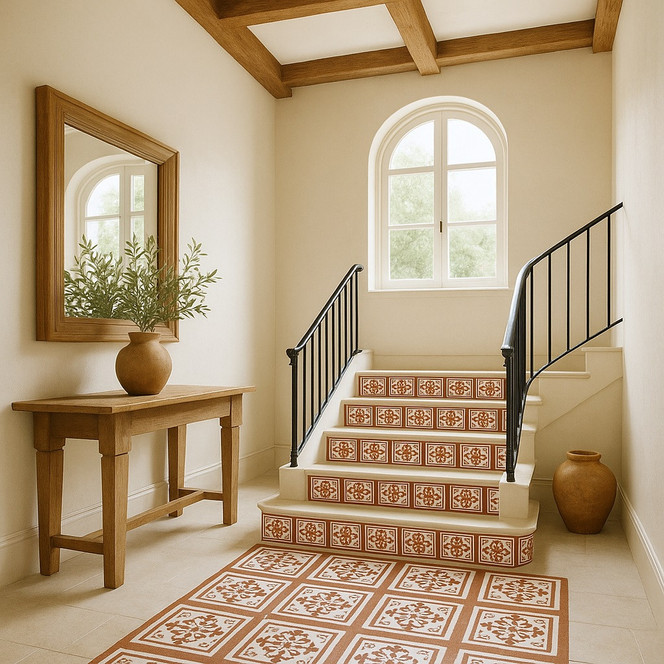
Talavera tile brings color, craftsmanship, and Mexican heritage into kitchens, bathrooms, patios, stair risers, fountains, and decorative walls. Known for its hand-painted patterns, glazed surface, and bold artistic identity, Talavera remains one of the most recognizable ceramic traditions in the world. Whether used as a kitchen backsplash, bathroom accent, courtyard detail, or decorative mural, Talavera tile adds warmth, texture, and timeless artisan character to the home.
Blog Summary
- Topic: Talavera tile design
- Style: Mexican ceramic art
- Use: Kitchens and bathrooms
- Colors: Cobalt and terracotta
- Craft: Hand-painted tiles

Why Talavera Tile Remains Timeless
Talavera tile has remained popular for centuries because it combines beauty with practical function. Each tile is shaped, glazed, and painted by hand, giving the finished surface a warmth that factory-made tile cannot reproduce. The small variations in color, brushwork, and glaze are part of the appeal. They show the hand of the artisan and make every installation feel personal.
Homeowners often choose Talavera tile for kitchen walls, bathroom backsplashes, patio details, and stair risers because it creates instant visual impact. A few tiles can add color to a neutral room, while a full wall can become the main design feature of the space.
The Cultural Roots of Talavera Tile
Talavera tile reflects a blend of Spanish, Moorish, Mediterranean, and indigenous Mexican traditions. During the Colonial period, Spanish potters brought glazed ceramic methods from regions such as Talavera de la Reina, Seville, and Toledo. These traditions were already influenced by Arabic geometric design, intricate pattern work, and strong color contrast.
When Spanish craftsmen arrived in central Mexico, they found rich clay deposits and local artisans with their own visual language. Mexican ceramic makers adapted European glazing methods and combined them with native clay-working techniques, floral symbolism, animal motifs, and regional color preferences.
The result became one of Mexico’s most important decorative arts. Talavera tile still carries this multicultural history through its colors, patterns, and handmade production.
What Makes Authentic Talavera Tile Unique?
Authentic Talavera tile is valued because it is not simply printed or stamped. It is made through a detailed artisan process that includes clay preparation, shaping, drying, glazing, hand painting, and kiln firing.
Clay Preparation
The process begins with carefully prepared clay. Artisans work the material until it has the right consistency for shaping. This step helps create a strong ceramic body that can hold glaze and withstand firing.
Hand Shaping
Each tile is shaped using molds or simple frames. After forming, the tile must dry slowly before firing. This gives the clay stability and helps prevent cracking during the kiln process.
Glazing
A white glaze is applied to create the bright background associated with traditional Talavera. This surface allows cobalt blue, terracotta, green, yellow, black, and other pigments to stand out clearly.
Hand Painting
Artisans paint each tile by hand using mineral-based pigments. Brushwork varies slightly from tile to tile, creating the handmade character that collectors and designers appreciate.
Final Firing
The final kiln firing fuses glaze and pigment into the ceramic surface. This process creates the glossy finish and durable color that make Talavera useful for walls, backsplashes, and decorative architectural details.
Signature Talavera Colors
Color is one of the strongest reasons Talavera tile remains so beloved. Traditional palettes often include cobalt blue, mustard yellow, terracotta red, green, black, and white. These colors can be used in bold combinations or softer arrangements depending on the desired style.
- Cobalt blue: Classic Talavera identity
- Terracotta red: Warm rustic depth
- Mustard yellow: Bright sunny contrast
- Green: Natural garden influence
- Black: Strong pattern outlines
- White: Clean glazed background
These colors work beautifully with copper, wrought iron, natural wood, stone, plaster, and terracotta floors. In kitchens, cobalt and terracotta tiles can warm up white cabinetry. In bathrooms, blue and white patterns can create a crisp Mediterranean feeling.
Popular Talavera Patterns
Talavera tile offers a wide range of motifs, from simple geometric patterns to highly decorative floral and folk-art designs. This variety allows homeowners to create traditional, rustic, modern, or eclectic installations.
Floral Designs
Flowers, vines, petals, rosettes, and sunburst shapes are common in Mexican ceramic decoration. These patterns bring softness and movement to backsplashes, stair risers, and wall accents.
Geometric Motifs
Diamonds, arches, quatrefoils, lattice patterns, and repeating borders reflect Moorish influence. These designs are excellent for kitchens, bathrooms, and architectural frames because they create rhythm and structure.
Colonial Details
Scrolls, crests, crosses, and shield-like patterns reflect Spanish Colonial and Baroque design. They work beautifully in Hacienda-style interiors and traditional homes.
Animal and Folk Art Tiles
Birds, rabbits, lizards, butterflies, suns, moons, and folk motifs bring playful character. These tiles are ideal for accent walls, patios, stair risers, and children’s spaces.
Border Tiles
Border tiles frame backsplashes, windows, mirrors, doorways, counters, and murals. They help organize the layout and give the installation a finished architectural edge.
Regional Talavera Styles in Mexico
Different ceramic regions in Mexico bring different personalities to Talavera design. Understanding these differences helps homeowners and designers choose the right tile for each project.
Puebla
Puebla is strongly associated with formal Talavera tradition. Its tiles often feature cobalt blue, white backgrounds, refined linework, and historic patterns influenced by Spanish and Moorish design.
Dolores Hidalgo
Dolores Hidalgo is known for broader color variety, folk-inspired designs, playful motifs, and accessible decorative styles. Many colorful Mexican tiles used in kitchens, bathrooms, and patios come from this important ceramic region.
Guanajuato and San Miguel de Allende
These areas are known for artistic experimentation, contemporary palettes, and designs that mix traditional influence with modern taste. Tiles from this region often appeal to homeowners seeking a more eclectic or updated rustic look.
Where to Use Talavera Tile Throughout the Home
One of the reasons Talavera has remained popular for generations is its versatility. While many people immediately associate it with colorful kitchen backsplashes, handcrafted Mexican tile works beautifully throughout the home, both indoors and outdoors. Its glazed surface provides durability, while its artistic patterns transform ordinary walls into architectural features.
Kitchen Design
The kitchen remains one of the most popular spaces for Talavera tile for kitchen walls. Whether installed behind the cooktop, sink, or across an entire backsplash, Talavera introduces warmth, texture, and handcrafted beauty. Pair colorful tiles with white cabinetry, reclaimed wood shelving, copper accents, or natural stone countertops for a timeless Mexican-inspired kitchen.
- Backsplashes: Colorful focal points
- Accent strips: Decorative borders
- Feature walls: Artistic statement
- Cabinet inserts: Added personality
Bathrooms
Bathrooms benefit from Talavera's moisture-resistant glazed finish. Decorative tile can surround mirrors, frame showers, highlight niches, or become a full vanity backsplash. Combined with handcrafted sinks, copper fixtures, or natural stone, Talavera creates an inviting spa-like atmosphere full of artisan charm.
Outdoor Living Spaces
Talavera is equally attractive outdoors. Courtyard fountains, patios, outdoor kitchens, stair risers, garden walls, and decorative columns all benefit from vibrant ceramic accents that withstand changing weather while maintaining their rich colors.
Architectural Details
Talavera can also highlight fireplaces, niches, archways, windows, stair risers, entryways, and decorative columns. Even small installations add handcrafted character without overwhelming the space.
Design Tips for Decorating with Talavera Tile
Although Talavera is colorful, thoughtful planning helps maintain balance throughout the room. Rather than competing with every surface, handcrafted tiles often look best when paired with quieter materials that allow the artwork to stand out naturally.
Balance Bold Colors
Neutral plaster walls, natural wood cabinetry, limestone, concrete, and white countertops provide the perfect backdrop for colorful Talavera patterns.
Mix Patterns Carefully
Instead of combining numerous busy designs, choose one dominant pattern and support it with simpler complementary motifs. This creates harmony while preserving visual interest.
Create Cohesive Color Schemes
Select two or three recurring colors throughout the room. Repeating cobalt blue, terracotta, or mustard yellow in accessories, textiles, and cabinetry creates a unified appearance.
Pair with Natural Materials
Talavera looks exceptional alongside handcrafted copper, wrought iron, reclaimed wood, cantera stone, terracotta flooring, and natural limestone. These materials share an artisan quality that complements handmade ceramics.
Talavera Tile in Contemporary Interior Design
Although Talavera dates back centuries, today's designers continue discovering new ways to incorporate it into modern interiors. Rather than limiting the material to traditional Mexican homes, contemporary projects often combine handcrafted tile with clean architectural lines and minimalist furnishings.
Modern Kitchens
Large white kitchens gain warmth and personality through colorful Talavera backsplashes. Even a single decorative strip behind the range can completely transform an otherwise minimalist design.
Transitional Bathrooms
Neutral bathrooms become more inviting with handcrafted borders surrounding mirrors or shower niches. The contrast between simple fixtures and artisan ceramics creates visual balance.
Statement Walls
Instead of covering an entire room, many homeowners now use Talavera as an accent wall behind a dining table, fireplace, or entry console, allowing the handcrafted artwork to become the room's centerpiece.
Custom Murals
Hand-painted tile murals depicting flowers, birds, landscapes, or traditional Mexican scenes continue growing in popularity for kitchens, courtyards, restaurants, and commercial spaces.
Maintaining Talavera Tile
Talavera tile requires very little maintenance. With proper care, its glossy finish and vibrant colors can remain beautiful for decades.
- Cleaning: Mild soap and water
- Tools: Soft microfiber cloth
- Avoid: Abrasive cleaners
- Grout: Seal when needed
- Outdoor: Inspect annually
Unlike many manufactured finishes, the slight variations found in handcrafted Talavera are part of its authenticity. Minor differences in glaze, brushwork, and color should be celebrated rather than viewed as imperfections.
Supporting Traditional Mexican Craftsmanship
Every handcrafted Talavera tile represents generations of artisan knowledge. Purchasing authentic Mexican ceramics supports family-owned workshops that continue preserving centuries-old techniques instead of relying on mass production.
Each handmade tile carries the signature of its maker through subtle brushstrokes, glazing variations, and unique artistic expression. This human touch gives Talavera an emotional value that factory-produced materials simply cannot replicate.
Conclusion
Talavera tile continues to inspire homeowners, designers, and architects because it combines artistic beauty with practical durability. Whether you're creating a colorful kitchen backsplash, designing a welcoming bathroom, decorating an outdoor patio, or installing a custom mural, handcrafted Talavera brings warmth, history, and authentic Mexican craftsmanship into every project.
Its rich colors, timeless patterns, and artisan production ensure that every installation becomes unique. More than decorative ceramic, Talavera represents centuries of cultural heritage that continue to enrich homes around the world.
Browse the complete collection of handcrafted Mexican Talavera tiles and discover how authentic artisan ceramics can transform your next interior or exterior design project.