 US Dollar
 Euro
Euro
 Australian Dollar
 Canadian Dollar
 Polish Zloty
 British Pound

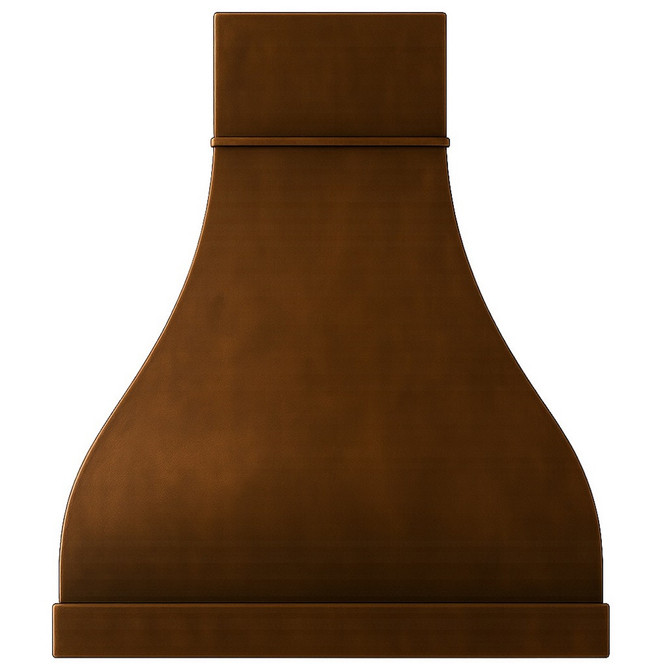
The rustic copper range hood combines a softly flared handcrafted canopy, hammered copper texture, substantial lower apron, and warm artisan patina into a versatile focal point for traditional and relaxed contemporary kitchens. Its architecture works especially well with natural materials such as stone, plaster, reclaimed timber, handmade tile, and forged iron, yet the same hood can introduce warmth into cleaner modern or transitional interiors. Made-to-order construction allows buyers to coordinate the hood width, height, depth, mounting configuration, surface texture, patina, decorative details, and ventilation preparation with the kitchen. This guide expands on the product by explaining its rustic architecture, handcrafted copper surface, finish options, sizing, ventilation planning, installation, care, and use across classic, farmhouse, rustic, modern, and transitional kitchens. Additional silhouettes can be compared in the custom copper range hood collection.
Blog Summary
- Style: Rustic handcrafted character
- Shape: Softly flared canopy
- Texture: Hand-hammered copper
- Finish: Warm artisan patinas
- Mounting: Wall or kitchen island
- Sizing: Made to order
- Ventilation: Insert-ready construction
- Use: Traditional to transitional
Rustic Hood Architecture
A rustic copper hood depends more on proportion and material character than excessive ornament. The softly flared body widens toward the cooking surface, creating a substantial lower capture area while maintaining a narrower upper section. This geometry gives the hood enough visual presence to balance a large range without requiring elaborate scrollwork or embossed decoration.
The apron provides a strong horizontal base beneath the canopy and visually anchors the hood against cabinetry and backsplash materials. Depending on the configuration, the upper section may transition toward a short chimney, crown, or ceiling connection. These architectural elements can be adjusted to suit ceiling height and surrounding millwork.
Hand-Hammered Copper
Hammered texture is one of the defining characteristics of rustic copper. Individual hammer impressions break reflected light into smaller highlights and shadows, producing a surface that changes throughout the day. The effect becomes especially visible near windows, pendant lighting, and under-cabinet illumination.
Hand hammering also reinforces the connection between the hood and other natural materials. Rough stone, aged timber, terracotta, handmade ceramic tile, and iron all contain irregularities that prevent a room from appearing overly manufactured. The copper surface contributes the same kind of variation.
No two handcrafted hoods will display identical hammer marks. Differences in spacing, depth, seam treatment, edges, and patina are expected and contribute to the individuality of each finished piece.
Copper Patina Options
Patina strongly influences whether the hood feels light, warm, dark, aged, or dramatic. Natural copper emphasizes reddish and amber tones, while Honey finishes introduce lighter golden-brown color. Antique patinas create established medium-brown variation, and Coffee finishes move toward deeper brown and bronze.
| Finish | Appearance | Recommended Setting |
|---|---|---|
| Natural | Warm reddish copper | Transitional and rustic |
| Honey | Golden brown warmth | Farmhouse kitchens |
| Antique | Aged medium brown | Traditional interiors |
| Coffee | Deep brown and bronze | Rustic and lodge kitchens |
Because artisan finishes are applied by hand, tonal differences should be expected across broad surfaces, hammered recesses, seams, edges, and apron details. A small sample provides useful guidance but cannot reproduce every variation that will appear across a full-size hood.
Classic Kitchen Style

In a classic kitchen, the hammered copper hood adds material depth beside traditional cabinetry, stone countertops, and understated backsplash surfaces. The flared shape creates enough curvature to soften rectangular cabinet doors while the warm patina connects naturally with wood and bronze hardware.
Modern Kitchen Style

Rustic copper can provide effective contrast in a modern room. Flat cabinetry, broad stone slabs, simple hardware, and restrained colors create a quiet background for the irregular hammered surface. Keeping the hood architecture relatively simple allows the copper texture to become the principal decorative element without conflicting with modern lines.
Farmhouse Kitchen Style

Farmhouse kitchens are particularly compatible with handcrafted copper because both emphasize practical materials and visible workmanship. Shaker cabinetry, wood floors, apron-front sinks, open shelving, handmade tile, and warm metal finishes can all relate naturally to the hood. Honey or Antique copper often provides enough warmth without making the room too dark.
Rustic Kitchen Style

A fully rustic kitchen allows the deepest expression of the hood's handcrafted character. Reclaimed beams, rough stone, iron hardware, textured plaster, and darker wood support stronger hammering and richer patina. Coffee or deep Antique finishes can give the copper an established appearance that coordinates with substantial architectural materials.
Transitional Kitchen Style

Transitional kitchens benefit from copper when the hood provides warmth without excessive decoration. A flared hammered canopy can soften simple Shaker cabinetry, quartzite, pale wood, and contemporary lighting. Using fewer decorative straps or a quieter apron helps the hood bridge traditional craftsmanship and cleaner modern surfaces.
Custom Size Planning
The hood should be sized around the cooking appliance, ceiling height, cabinet layout, backsplash thickness, and ventilation equipment. Width should generally equal or exceed the cooking surface, with additional side coverage considered where space allows.
Height determines how gracefully the flared body transitions from the apron toward the upper section. A hood that is too short for its width may appear compressed, while excessive height can make the canopy seem narrow. Depth also influences capture performance, particularly above front burners.
Final dimensions should be approved before fabrication so the hood, insert, duct, cabinetry, and structural support work together rather than being adjusted independently at the jobsite.
Wall and Island Mounting
A wall-mounted rustic copper hood has a flat rear surface and attaches to structural support within the cooking wall. It can be installed between cabinets or displayed against plaster, stone, brick, or tile. Wall framing, blocking, electrical service, duct routing, and finished backsplash thickness should be confirmed before installation.
An island version must be finished on every side because it remains visible from adjoining spaces. It requires reinforced ceiling framing and normally uses vertical ducting. The canopy should be centered on the cooking appliance rather than simply aligned with the island countertop.
Ventilation Insert Planning
The copper shell provides the exterior architecture, while the insert handles airflow, filters, lighting, controls, and ducting. Rustica House can supply the optional 200 CFM two-speed insert with lights and filters for lighter residential cooking.
The hood may also be prepared for buyer-supplied internal inserts up to 1,260 CFM or external blower systems up to 1,500 CFM when complete technical specifications are provided before fabrication. Insert information should include the manufacturer, model, dimensions, mounting flange, cutout, duct outlet, controls, lighting, and filter access.
Selecting ventilation equipment before production is important because changing inserts later may require modifications to the liner opening, internal structure, apron, or duct location.
Cleaning and Maintenance
Clean the copper with mild soap, warm water, and a soft cloth. Avoid abrasive pads, steel wool, bleach, ammonia, acidic cleaners, aggressive degreasers, and polishing compounds on patinated finishes. These products can scratch the metal or change the artisan surface.
Natural and hand-applied patinas may continue to develop with heat, humidity, air exposure, and handling. This gradual evolution is part of genuine copper. Filters should be cleaned or replaced according to the ventilation insert manufacturer's recommendations.
FAQ - Rustic Copper Range Hood
A: The combination of a softly flared silhouette, hand-hammered copper, warm patina, substantial proportions, and visible artisan variation creates its rustic character.
A: Yes. Handmade hammering naturally produces slight differences in texture, spacing, depth, and surface movement between individual hoods.
A: Yes. Width, height, depth, apron proportions, finish, texture, mounting type, and ventilation preparation can be coordinated before production.
A: Antique and Coffee finishes provide deeper aged character, while Natural and Honey copper create a lighter rustic appearance.
A: Yes. The hammered copper provides warmth and texture against slab cabinetry, simple stone, restrained hardware, and other contemporary surfaces.
A: Yes. An island version can be finished on all four sides and prepared for reinforced ceiling mounting and vertical ducting.
A: Yes. Buyer-supplied internal inserts up to 1,260 CFM and external blower systems up to 1,500 CFM can be accommodated when full specifications are provided before fabrication.
A: Yes. An optional 200 CFM two-speed insert with lights and filters is available for lighter residential ventilation requirements.
A: Use mild soap, warm water, and a soft cloth. Avoid abrasive cleaners and aggressive chemicals that may damage the patina.
A: Natural and artisan copper finishes may develop additional tonal variation through normal exposure to air, heat, humidity, and handling.
Choose a Rustic Copper Hood
A rustic copper range hood can become the architectural center of a kitchen while remaining adaptable enough for classic, farmhouse, rustic, transitional, and modern interiors. Its flared shape provides a strong silhouette, while hand hammering and artisan patina create the irregular depth associated with genuine metal craftsmanship.
Plan the hood together with the cooking appliance, cabinetry, backsplash, ceiling height, structural support, insert, and duct route. Once the functional requirements are established, choose the texture, patina, apron, and decorative details that best reinforce the room's character. A properly proportioned handcrafted copper hood provides both effective ventilation preparation and lasting visual presence above the range.