 US Dollar
 Euro
Euro
 Australian Dollar
 Canadian Dollar
 Polish Zloty
 British Pound

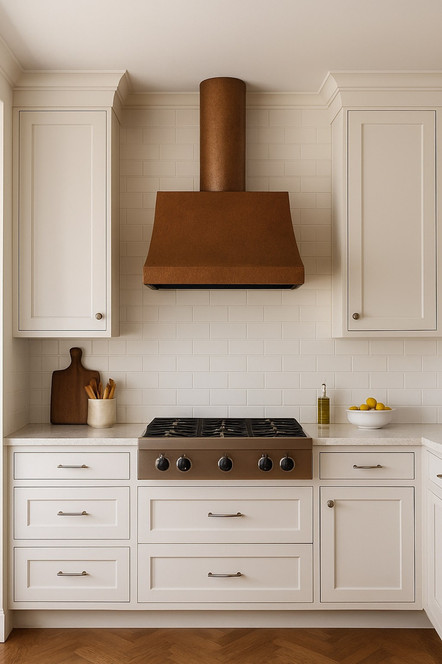
Old-World Copper Range Hood with Cylindrical Chimney Guide explains how a handcrafted copper hood with a curved body and round chimney can bring historic character, warm patina, and artisan metalwork into rustic, Tuscan, Mediterranean, Spanish Colonial, farmhouse, and transitional kitchens. This design stands apart from standard chimney hoods because the cylindrical chimney adds a softer architectural profile above the sculpted copper body. Its Old-World appearance works well with stone, plaster, dark wood, handmade tile, iron lighting, and warm neutral finishes. Explore the cylindrical chimney copper hood to review its shape, patina, custom sizing, and ventilation planning options.
Blog Summary
- Design: Old-World copper hood
- Chimney: Cylindrical upper form
- Shape: Curved copper body
- Style: Tuscan to farmhouse
- Planning: Custom size and insert
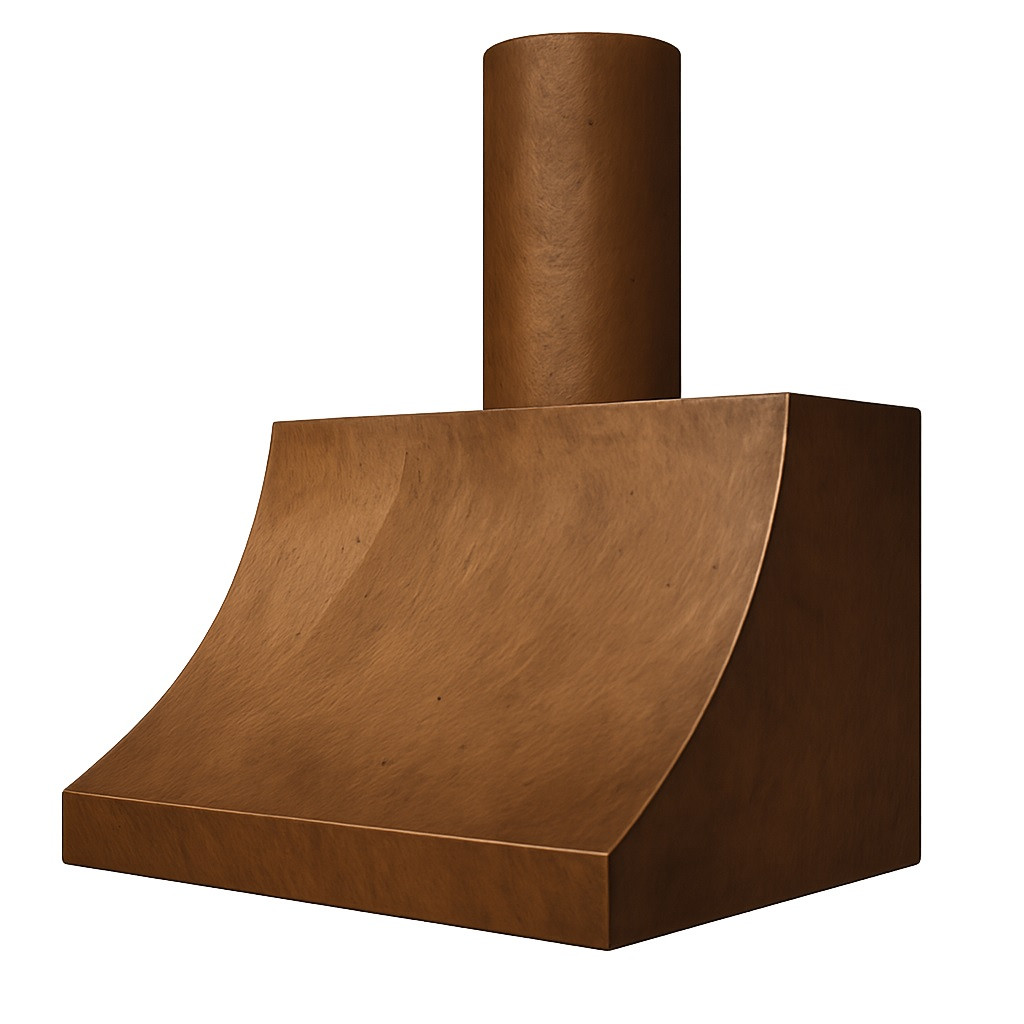
Design Guide Overview
An Old-World copper range hood with a cylindrical chimney is designed for kitchens that need a handcrafted focal point with softer architectural movement. The curved copper body creates warmth above the range, while the round chimney adds a distinctive profile that feels different from rectangular or tapered chimney designs. This combination works well in kitchens with historic influence, natural materials, and artisan finishes. The hood can complement stone backsplashes, plaster walls, wood beams, dark cabinetry, handmade tile, and forged metal lighting. For broader material and shape comparisons, browse custom metal range hoods.
Cylindrical Chimney Shape
The cylindrical chimney is the feature that gives this hood its most recognizable identity. Instead of a flat-sided chimney, the round form creates a softer vertical line above the cooking area. This shape feels especially appropriate in Old-World, Tuscan, Mediterranean, and Spanish-style kitchens where curves, arches, and handcrafted forms are common. The chimney also contrasts beautifully with straight cabinet rails, rectangular tile, and stone counters. Because it is visually distinctive, the round chimney should be proportioned carefully with the hood body and ceiling height. When sized well, it gives the range wall a custom architectural presence.
Chimney Benefits
- Shape: Round vertical profile
- Style: Old-World character
- Balance: Softens straight lines
- Focus: Draws the eye upward
- Use: Fits custom kitchens
Curved Copper Body
The curved copper body gives the hood warmth, depth, and sculptural movement. Unlike a plain box hood, the rounded surface catches light gradually and makes the range wall feel more dynamic. This shape works well with rustic stone, carved wood, arched openings, plaster walls, and handmade tile because it supports the same sense of craftsmanship. The angled product view shows how the hood projects from the wall and how the body transitions into the chimney. This side and angle visibility matters in open kitchens where the hood is seen from several directions, not only from the front.
Old-World Design
Old-World kitchen design depends on materials that feel natural, substantial, and handcrafted. Copper is an ideal choice because it develops patina, shows surface variation, and blends easily with stone, wood, plaster, iron, bronze, and tile. The cylindrical chimney hood supports this style through its curved silhouette and historic metal character. It does not look like a standard appliance cover. Instead, it appears as a custom architectural feature built into the cooking wall. For a deeper look at historic influence and artisan styling, read the historic artisan hood design guide.
Old-World Elements
- Material: Warm natural copper
- Texture: Artisan surface depth
- Shape: Curved hood profile
- Accent: Round chimney detail
- Room: Stone and wood setting
Copper Patina Character
Patina gives the copper surface its aged and layered appearance. Instead of a bright polished look, Old-World copper often uses warm brown, antique, coffee, natural fired, or darker patina tones. These finishes help the hood coordinate with rustic cabinetry, bronze hardware, iron lighting, stone counters, and earth-tone tile. Patina also makes the curved body feel richer because light moves differently across raised, recessed, and rounded areas. Over time, copper may continue to develop additional depth depending on use and care. This evolving surface is one reason copper remains popular in historic and artisan-inspired kitchens.
Hammered or Smooth Effects
The hood surface can feel different depending on whether the copper is hammered, smoother, or lightly textured. Hammering creates small facets that scatter light and add handmade movement. A smoother surface emphasizes the silhouette, patina, and chimney shape. For a design with a cylindrical chimney, both approaches can work. Hammered copper makes the hood feel more rustic and traditional, while smoother copper can feel more refined and architectural. The choice should reflect the kitchen’s surrounding materials. Heavily textured rooms often need balance, while cleaner kitchens may benefit from more visible artisan hammering.
Surface Choices
- Hammered: More artisan texture
- Smooth: Cleaner copper body
- Patina: Adds aged depth
- Light: Changes surface mood
- Style: Match room texture
Tuscan Kitchen Use
Tuscan kitchens often use warm stone, plaster walls, terracotta floors, aged wood, and dark metal accents. A copper hood with a cylindrical chimney works beautifully in this setting because its curved profile feels historic and substantial. The warm patina can coordinate with travertine, limestone, golden stone, and wood cabinetry. The round chimney also pairs well with arched openings and other curved architectural forms. To avoid a heavy appearance, balance the copper with lighter wall finishes or stone surfaces. The hood should feel like a permanent part of the kitchen, not a decorative object placed above the range.
Mediterranean Kitchen Use
Mediterranean kitchens are known for plaster, stone, warm metals, handmade tile, arched details, and natural light. The cylindrical chimney supports this style because its rounded form echoes the softer architecture often found in Mediterranean interiors. Copper patina works well with terracotta, cream plaster, bronze fixtures, dark wood, and muted patterned tile. If the backsplash includes color, choose tones that relate to the hood’s copper finish rather than competing with it. The curved copper body can become the central feature above the range while the surrounding materials create a layered, relaxed, and handcrafted atmosphere.
Spanish Colonial Style
Spanish Colonial kitchens often combine dark wood, plaster walls, wrought iron, handmade tile, clay flooring, and warm metal accents. A cylindrical chimney copper hood fits naturally because the round profile and aged patina feel connected to historic architecture and artisan craft. The hood can pair with Talavera tile, iron chandeliers, carved cabinetry, bronze hardware, and limestone or stone counters. If the kitchen uses decorative tile, keep the hood’s surrounding wall area balanced so the range wall does not become visually crowded. Let the copper hood remain the main architectural anchor above the cooking surface.
Style Pairings
- Tuscan: Stone and aged wood
- Mediterranean: Plaster and tile
- Spanish: Iron and clay tones
- Farmhouse: Cream cabinets
- Rustic: Beams and stone
Farmhouse Kitchen Use
In farmhouse kitchens, the Old-World copper hood adds warmth and a handcrafted focal point above the range. Cream or white shaker cabinets, wood shelves, stone counters, apron-front sinks, and simple ceramic accents can all coordinate with the copper finish. The cylindrical chimney adds a unique design feature without requiring heavy ornament. A darker patina can create contrast against lighter cabinets, while a warmer natural copper tone can soften rustic wood. To keep the farmhouse kitchen balanced, repeat warmth through wood, aged hardware, baskets, pottery, or simple bronze lighting rather than adding too many competing decorative details.
Transitional Kitchen Use
A cylindrical chimney copper hood can also work in transitional kitchens when surrounding materials are kept clean. Simple cabinetry, restrained backsplashes, stone counters, and balanced hardware allow the hood to provide warmth and shape without making the room feel overly rustic. The curved body introduces softness, while the round chimney creates a custom focal point. Smooth or lightly hammered copper can be especially useful in this setting because it feels refined but still handcrafted. The hood should be the main expressive feature, while cabinets, counters, lighting, and tile remain calm enough to support it.
Copper Hood Category
This hood belongs to a larger family of copper range hoods that includes bell, barrel, box, pyramid, curved-front, under-cabinet, and decorative apron designs. The cylindrical chimney version is especially distinctive because it changes the upper profile of the hood. Many copper hoods rely on rectangular chimneys, but this round chimney gives the design a softer and more historic appearance. Homeowners comparing shapes should consider cabinet lines, ceiling height, range width, backsplash style, and desired room character. To review other copper silhouettes and finish options, explore the copper range hoods collection.
Copper Hood Options
- Bell: Soft classic profile
- Box: Clean geometric form
- Barrel: Curved Old-World look
- Pyramid: Strong angled body
- Custom: Size and finish choice
Backsplash Coordination
The backsplash should support the copper hood without competing against the cylindrical chimney and curved body. Stone slab, limestone, travertine, plaster, brick, handmade ceramic, and muted patterned tile can all work depending on the kitchen style. If the hood has a strong patina or hammered texture, a quieter backsplash often creates better balance. If the hood surface is smoother, a more decorative tile may add interest behind the range. In Spanish and Mediterranean kitchens, hand-painted tile can work well when its colors repeat the copper, cabinet finish, flooring, or nearby metal accents.
Cabinet Coordination
Cabinet color changes the mood of the hood. Dark wood cabinets create a rich Old-World appearance, especially when paired with stone counters and iron hardware. Cream, ivory, or warm white cabinets create contrast and allow the copper hood to stand out more clearly. Green, blue-gray, or taupe cabinetry can also work if the patina has enough warmth. Because the cylindrical chimney is visually distinctive, the cabinet design should not be overly busy. Clean cabinet lines or traditional framed doors usually work best. The goal is to let the copper hood define the range wall.
Cabinet Pairings
- Dark wood: Rich historic look
- Cream: Warm contrast
- White: Bright copper focus
- Green: Earthy design tone
- Taupe: Soft neutral balance
Lighting and Hardware
Lighting helps reveal the depth of copper patina. Warm bulbs can bring out amber, brown, chestnut, and reddish undertones, while cool lighting may make the finish look flatter. Wrought iron chandeliers, bronze pendants, antique brass sconces, or aged copper accents can all support the hood’s Old-World appearance. Cabinet hardware should relate to the metal palette instead of introducing too many unrelated finishes. Stainless steel appliances can remain in the kitchen if wood, stone, tile, and warm lighting balance their cooler appearance. Copper should remain the main metal feature above the range.
Custom Sizing
Custom sizing is important because the cylindrical chimney and curved body must feel proportionate to the room. Width should relate to the range or cooktop below. Height should fit the ceiling and available wall space. Depth should support capture area while remaining comfortable for cooking. The round chimney must also be scaled correctly so it does not look too narrow, too tall, or too heavy for the hood body. Custom production allows the hood to be adapted to the actual kitchen layout, including wall or island mounting, chimney length, finish choice, and insert preparation.
Custom Planning
- Width: Match range scale
- Height: Fit wall space
- Depth: Support capture area
- Chimney: Scale round profile
- Finish: Match kitchen tone
Installation Planning
Installation should be planned before production, especially when the hood includes a custom chimney shape. Confirm wall or island configuration, ceiling height, duct route, structural support, backsplash timing, and electrical access. A wall-mounted hood should align with the range and surrounding cabinetry. An island hood must look balanced from several viewing angles and may require more complex ceiling support. Heavy metal hoods should be installed by qualified professionals when structural mounting, hardwiring, masonry drilling, or roof venting is involved. Proper installation protects both safety and long-term performance.
Ventilation Planning
The copper shell provides the exterior design, but the insert provides smoke, steam, grease, and odor removal. Rustica House can supply the 200 CFM insert only. Any other insert must be supplied by the buyer, and Rustica House can prepare the hood for that buyer-supplied insert when exact details are provided before production. Those details should include make, model, dimensions, cutout requirements, duct size, controls, and lighting placement. Ventilation planning should also consider cooking habits, appliance output, duct route length, and local code requirements so the hood performs as well as it looks.
Insert Planning
- Rustica: 200 CFM insert only
- Buyer: Supplies other inserts
- Model: Provide exact details
- Duct: Confirm route early
- Use: Match cooking needs
Care and Cleaning
Copper should be cleaned gently to preserve the patina and surface character. Use mild soap, warm water, and a soft cloth for regular cleaning. Avoid abrasive pads, steel wool, bleach, ammonia, acidic cleaners, and harsh degreasers because they can scratch the copper or disturb the finish. If the surface is hammered, wipe carefully so residue does not collect in low points. Dry the hood after cleaning to reduce water spots. Some homeowners allow copper to age naturally, while others apply wax to slow patina changes. Both approaches can work when done consistently.
Design Summary
An Old-World copper range hood with cylindrical chimney is ideal for kitchens that need a distinctive handcrafted focal point with warm patina and soft architectural movement. The round chimney separates it from standard chimney hoods, while the curved copper body gives the cooking wall depth and presence. It works especially well in Tuscan, Mediterranean, Spanish Colonial, rustic, farmhouse, and transitional kitchens. Stone, plaster, wood, tile, iron, bronze, and warm lighting all support the design. Proper sizing, installation planning, insert coordination, and gentle maintenance help the hood remain beautiful and functional over time.
Final Design Guidance
Old-World Copper Range Hood with Cylindrical Chimney Guide shows how a round chimney, curved body, copper patina, and custom proportions work together. Choose this hood when the kitchen needs a softer alternative to boxy chimney designs and a stronger historic presence than a plain metal hood. Pair it with stone, plaster, handmade tile, dark wood, warm lighting, iron accents, or bronze hardware. Confirm dimensions, duct route, insert details, installation type, and chimney height before production. When planned carefully, this Rustica House copper hood adds artisan character and lasting architectural focus above the range.