 US Dollar
 Euro
Euro
 Australian Dollar
 Canadian Dollar
 Polish Zloty
 British Pound

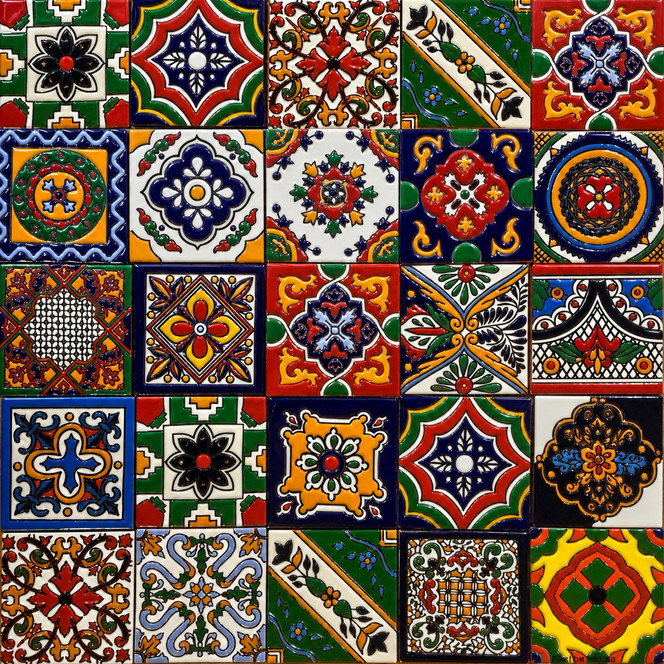
Mexican Relief Tile Mix: Handcrafted High-Relief Ceramic Tiles with Artisan Character
The Mexican Relief Tile Mix brings together sculptural texture, traditional color, and handcrafted ceramic artistry in a versatile collection designed for expressive interiors. Produced by skilled Mexican artisans, each tile features raised patterns that interact with light throughout the day, creating highlights along sculpted edges and soft shadows inside recessed areas. The collection combines several complementary motifs, allowing homeowners and designers to create backsplashes, accent walls, fireplace surrounds, stair risers, and decorative panels with a layered, collected appearance. Whether used in a rustic Hacienda kitchen, a Spanish Revival bathroom, a transitional interior, or a contemporary space seeking handcrafted contrast, the Mexican Relief Tile Mix turns an ordinary wall into a textured architectural feature.
Blog Summary
- Product: Mexican relief tile mix
- Format: 4 × 4-inch ceramic tiles
- Surface: Sculpted high-relief patterns
- Style: Mixed decorative motifs
- Use: Backsplashes and accent walls
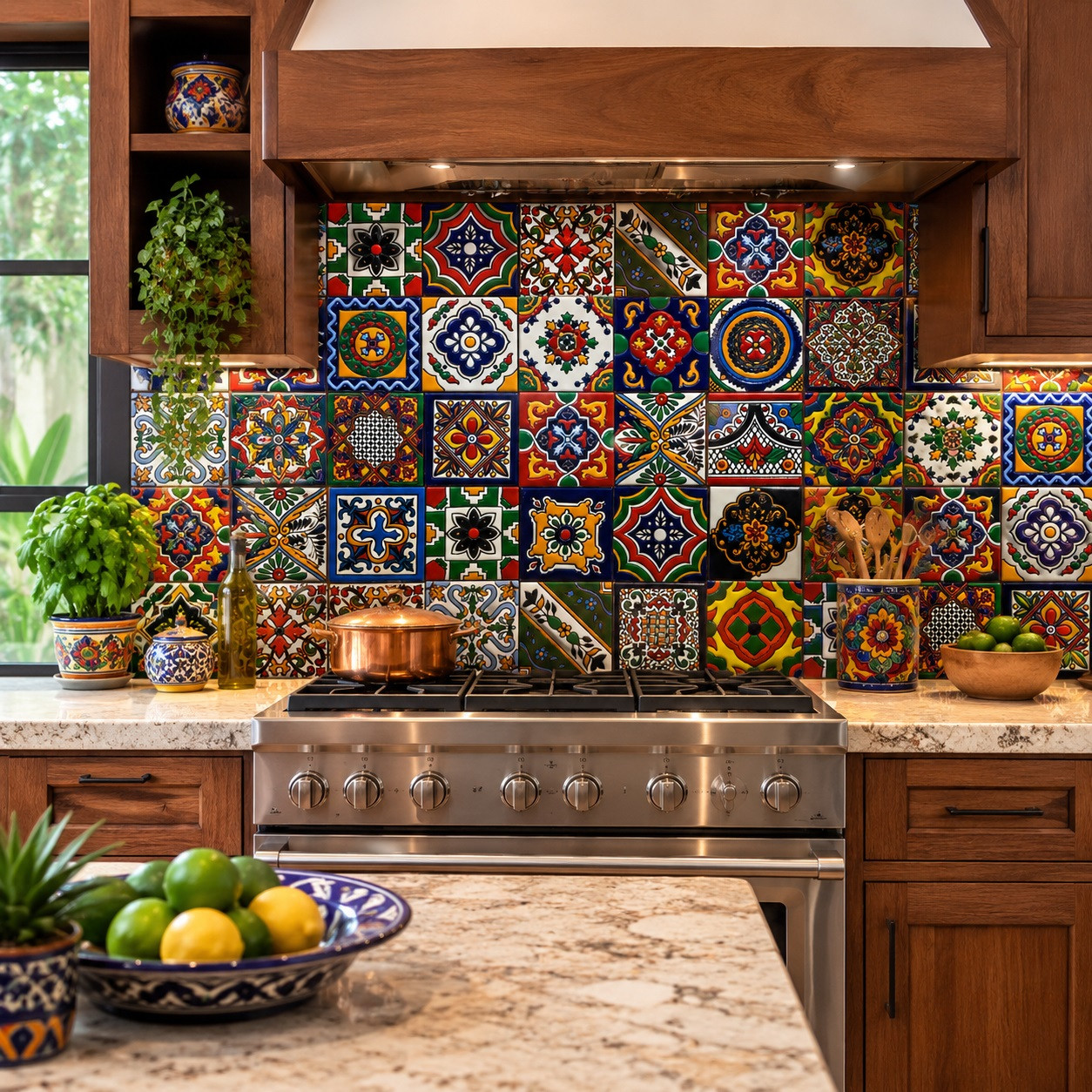
A Mix Designed for Visual Movement
Unlike a backsplash built from one repeating motif, a relief tile mix creates variety across the wall. Floral forms, arches, medallions, scrolls, and geometric elements can appear side by side while remaining connected through shared colors and craftsmanship.
The variation makes the surface feel collected and artisanal rather than mechanically repeated.
Why Mixed Patterns Work
Several different motifs can coexist successfully when they share similar scale, glaze tones, and relief depth. Repeating colors across the installation helps the eye move naturally from one design to another.
The result is expressive without feeling random when the layout is planned carefully.
Mix Characteristics
- Variety: Multiple relief patterns
- Scale: Coordinated tile dimensions
- Texture: Raised ceramic surfaces
- Color: Complementary glaze palette
- Layout: Random or organized arrangement
Handcrafted High-Relief Ceramic
Each tile begins with a clay body formed into a mold that creates the raised design. The sculpted pattern produces ridges, recesses, curves, and geometric divisions across the ceramic surface.
After drying and firing, colored glazes are applied to individual sections before the tile returns to the kiln.
How Relief Creates Depth
The raised surface gives every motif a physical dimension that flat printed ceramic cannot reproduce. Edges catch direct light while lower areas remain darker, allowing the design to change visually depending on illumination and viewing angle.
This makes relief tile especially effective beneath under-cabinet lighting or directional wall fixtures.
Handmade Variation
Small differences in relief depth, edge shape, glaze placement, dimensions, and color are natural characteristics of artisan production. These variations add movement to the final installation.
Exact uniformity should not be expected between individual tiles or production batches.
Expected Artisan Features
- Relief: Slight depth differences
- Glaze: Natural tonal variation
- Edges: Handmade irregularity
- Dimensions: Minor size differences
- Pattern: Individual artisan character
Mexican Ceramic Heritage
Decorative ceramic in Mexico developed through centuries of interaction between indigenous pottery traditions and European glazing methods introduced during the Colonial period. Local artisans adapted imported techniques using regional clays, colors, forms, and symbolism.
Relief tile became one of the many ways these influences could be translated into architectural decoration.
Pre-Hispanic Relief Traditions
Before European contact, Mesoamerican artisans already produced molded and carved clay objects featuring geometric, botanical, animal, and symbolic imagery. Relief offered a way to communicate patterns through both form and shadow.
These sculptural traditions later interacted with glazed ceramic techniques brought from Europe.
Spanish and Moorish Influence
Spanish decorative tile introduced geometric repetition, floral ornament, and glazed surfaces influenced by Moorish architecture. Stars, arches, scrolls, quatrefoils, and radial medallions became part of the visual vocabulary carried into New Spain.
Mexican workshops gradually transformed these influences into distinctive regional interpretations.
Historic Influences
- Indigenous: Molded and carved clay traditions
- Moorish: Repeating geometric designs
- Spanish: Glazed architectural ceramics
- Colonial: Decorative wall applications
- Mexican: Regional color and symbolism
Dolores Hidalgo Ceramic Tradition
Dolores Hidalgo, in Guanajuato, is widely associated with colorful Mexican pottery and decorative ceramic. Artisan workshops produce tiles, sinks, vessels, plates, and architectural pieces using clay preparation, molding, glazing, hand-painting, and kiln firing.
Family-based production allows many patterns and techniques to remain connected to local craft traditions.
Creating the Relief Mold
Relief tile begins with a mold that establishes the decorative pattern. Depending on the design, the surface may include flowers, interlocking geometry, curved scrolls, radiating medallions, or woven-inspired lines.
The mold allows the same motif to be reproduced while still retaining handmade variation during forming and finishing.
Glazing the Raised Surface
Colored glaze is applied to separated sections of the relief. Raised borders help control the transition between neighboring colors and strengthen the visual definition of the motif.
Once fired, the glaze develops a glossy surface that emphasizes both color and dimension.
Production Process
- Clay: Prepared for molding
- Mold: Creates sculpted pattern
- Drying: Stabilizes ceramic body
- Glazing: Adds decorative color
- Firing: Develops final finish
Sunburst and Medallion Patterns
Radiating designs create a natural focal point by directing the eye toward the center of the tile. Petals, points, and concentric forms can resemble flowers, stars, suns, or carved architectural medallions.
These motifs work especially well behind ranges, sinks, or within centered wall panels.
Quatrefoil Patterns
Quatrefoils use four rounded lobes to create a balanced shape associated with historic architectural ornament. When repeated, the pattern forms interlocking curves across the wall.
The design works naturally in Spanish Colonial, Mediterranean, traditional, and transitional interiors.
Arch and Geometric Patterns
Arches and repeating angular forms create stronger directional movement. They can visually widen a backsplash when aligned horizontally or increase vertical emphasis when rotated.
Geometric motifs also help traditional relief tile integrate into contemporary kitchens.
Floral Rosettes
Floral relief provides a softer contrast to the harder lines of stars, arches, and chevrons. Petals and circular blossoms introduce organic movement within the overall mix.
These motifs coordinate particularly well with farmhouse, Hacienda, and Mediterranean settings.
Scrollwork Patterns
Curving scrolls reference carved wood, wrought iron, and Colonial architectural ornament. Their flowing lines can connect visually with iron range hood straps, chandeliers, railings, and decorative furniture.
They also provide contrast against more rigid geometric tiles.
Chevron and Linear Relief
Chevron designs introduce directional movement through repeated angled lines. Their structure feels familiar in contemporary design while remaining connected to traditional woven and architectural patterns.
Mixing them with floral and medallion motifs prevents the overall layout from feeling overly formal.
Pattern Families
- Medallions: Centered radial motifs
- Quatrefoils: Curved repeating geometry
- Arches: Directional architectural patterns
- Florals: Organic sculptural forms
- Scrolls: Old World decorative movement
- Chevrons: Structured linear rhythm
Random Mixed Layouts
A random arrangement creates the most eclectic appearance. Different motifs are distributed across the wall without following a strict repeating sequence.
The installer should still balance colors and avoid placing too many identical patterns next to each other.
Organized Pattern Groups
Identical designs can be grouped into small blocks or medallions within the larger mix. This creates areas of repetition surrounded by more varied tile.
The technique offers a compromise between a patchwork wall and a completely uniform field.
Diagonal Arrangements
Rotating square relief tiles introduces stronger visual movement and may create diamond-shaped compositions. This approach requires more cuts around cabinets, walls, and trim.
Dry-laying the design first is especially important for diagonal installations.
Layout Strategies
- Random Mix: Eclectic artisan surface
- Grouped Motifs: Controlled pattern repetition
- Diagonal: Dynamic directional movement
- Framed Panel: Defined decorative feature
- Gallery Strip: Horizontal relief accent
Contemporary Kitchen Backsplashes
Relief tile can bring tactile warmth to modern kitchens containing flat cabinetry, quartz, stainless steel, glass, and clean architectural lines. The handcrafted surface introduces contrast without requiring additional decorative furniture.
A controlled grout color allows the relief rather than the joint pattern to remain the focal point.
Using Light to Emphasize Relief
Under-cabinet lighting is particularly effective because it grazes the raised tile surface from above. Small ridges cast shadows beneath them, making the backsplash appear deeper after sunset.
Warm LEDs reinforce cream, terracotta, brown, and warm glaze tones.
Minimal Surrounding Materials
When the relief mix already includes several patterns, simple cabinetry and countertops help maintain visual balance. White, cream, charcoal, natural wood, and quiet stone provide effective backgrounds.
Avoid adding several competing patterned surfaces in the same visual field.
Contemporary Pairings
- White Cabinets: Bright neutral contrast
- Quartz: Controlled countertop surface
- Black Hardware: Strong graphic detail
- Natural Wood: Adds warmth
- LED Lighting: Reveals dimensional relief
Mission Revival Kitchen Warmth
Mission Revival interiors combine dark wood, iron hardware, plaster walls, warm ceramic, and handcrafted architectural detail. Relief tiles fit naturally within this material vocabulary.
Floral rosettes, arches, and geometric motifs can reinforce the historic character without requiring an exact reproduction of antique tile.
Pairing with Wood Cabinets
Walnut, oak, cherry, and darker stains create a warm background for cream, terracotta, blue, green, and earth-tone relief tiles. The grain of the wood provides a softer texture beside the glazed ceramic.
Wrought iron cabinet hardware helps connect the cabinetry to the traditional patterns.
Farmhouse Sink Backsplashes
A relief backsplash behind a farmhouse sink adds depth to the washing area and creates a decorative connection with rustic cabinetry and natural stone counters.
Floral motifs work especially well when the room already includes botanical or traditional references.
Mission-Style Pairings
- Dark Wood: Historic warmth
- Iron Hardware: Architectural contrast
- Plaster Walls: Soft Old World background
- Farmhouse Sink: Traditional focal fixture
- Warm Lighting: Enhances relief shadows
Rustic Accent Walls
A concentrated relief tile wall can provide a textured backdrop behind open shelving, pottery, copper cookware, or a freestanding cabinet. The varied motifs create interest without requiring additional wall art.
Natural wood beams and stone surfaces reinforce the handcrafted character.
Open Shelving
Floating wood shelves allow sections of the relief pattern to remain visible around everyday objects. Ceramic bowls, copper vessels, glass jars, and greenery can create a layered composition.
Avoid overfilling the shelves so the tile remains part of the visual design.
Botanical Accents
Small herbs, succulents, or trailing plants soften geometric relief and add living texture. Terracotta or simple stoneware planters complement the ceramic surface naturally.
Protect the tile and grout from standing water beneath containers.
Rustic Pairings
- Reclaimed Wood: Natural aged texture
- Stone: Neutral architectural base
- Copper: Warm metallic contrast
- Pottery: Reinforces artisan character
- Greenery: Adds organic softness
Southern-Inspired Backsplashes
Soft blue, cream, ivory, and sandy tones can give relief tile a lighter character suited to Southern, coastal, and transitional interiors. Beadboard, marble, painted cabinetry, and vintage-inspired fixtures provide complementary materials.
The texture introduces visual warmth even when the palette remains restrained.
Using Neutral Grout
Cream or light-gray grout produces a softer appearance and allows neighboring patterns to flow together. This approach works well when the tile colors are already varied.
Contrasting grout should be used carefully because it emphasizes every joint and may make a mixed layout appear busier.
Traditional Range Hood Surrounds
Relief tiles can frame the wall behind and around a decorative range hood. The pattern should be planned according to the hood width, apron, cabinet openings, and centerline of the range.
A symmetrical layout directly behind the cooking surface can create a more formal traditional appearance.
Pairing Relief Tile with Copper Hoods
Copper introduces warm metallic tones that coordinate easily with cream, rust, brown, green, and blue ceramic. Hammered copper and relief tile also share a visible handmade texture.
If both surfaces are highly decorative, keep surrounding cabinetry and stone relatively restrained.
Range Wall Pairings
- Copper Hood: Warm artisan focal point
- Iron Hood: Strong Old World contrast
- Wood Cabinetry: Natural traditional frame
- Stone Counters: Quiet neutral surface
- Relief Panel: Adds sculptural depth
Transitional Gallery Strips
A narrow horizontal band of relief tile can be inserted between rows of plain ceramic, stone, or subway tile. This introduces texture without covering the entire wall in decorative pattern.
The gallery-strip approach works particularly well in transitional kitchens and bathrooms.
Combining Relief with Subway Tile
Simple subway tile acts as a visual pause around the more detailed relief pieces. The two surfaces can share the same glaze color or use contrasting tones.
Align grout joints carefully so the transition feels intentional.
Floating Shelves Above Relief Tile
A decorative strip beneath open shelving can frame cookbooks, pottery, glassware, or small artwork. Lighting mounted under the shelf emphasizes the raised pattern directly below.
This technique makes the relief tile function almost like an architectural molding.
Bathroom Vanity Applications
The tile mix can be used behind a vanity to introduce texture around a mirror, sink, and faucet. A compact panel may be enough to define the entire area.
Neutral stone counters and simple mirrors allow the relief patterns to remain visible.
Shower Niches
A niche offers a smaller location where several mixed relief patterns can be used without covering the complete shower. The raised surface creates pronounced shadow inside the recessed space.
Wet-area waterproofing must be completed beneath the ceramic.
Powder Room Accent Walls
Powder rooms can support stronger pattern because they contain fewer large surfaces. A full relief wall behind the vanity can become the primary decorative feature.
Simple lighting and plumbing fixtures help balance the texture.
Bathroom Uses
- Vanity Wall: Decorative sink backdrop
- Shower Niche: Compact relief feature
- Accent Strip: Horizontal tile detail
- Tub Wall: Sculptural ceramic backdrop
- Powder Room: Full statement surface
Fireplace Surrounds
A mix of relief motifs can frame a fireplace opening and create a layered decorative border. Floral, geometric, and scroll patterns work naturally beside wood mantels, stone hearths, and iron screens.
Installation materials and clearances must be appropriate for the temperature conditions around the firebox.
Stair-Riser Design
Relief tile may be used on vertical stair risers where it remains protected from direct foot traffic. Different patterns can alternate from step to step for an eclectic handcrafted effect.
Measure every riser because stair dimensions may vary slightly.
Covered Patio Walls
In sheltered outdoor spaces, relief tile can decorate outdoor kitchens, bar backs, fountain walls, planters, and architectural niches. Natural sunlight enhances the depth and color of the raised surface.
Exterior suitability depends on climate, moisture exposure, freeze-thaw conditions, and installation materials.
Architectural Applications
- Fireplaces: Decorative ceramic frame
- Stair Risers: Mixed vertical patterns
- Patios: Sheltered accent walls
- Niches: Sculptural focal details
- Outdoor Kitchens: Artisan backsplash surface
Spanish Colonial Interiors
Spanish Colonial rooms can support broad relief coverage because the style already embraces textured plaster, iron, carved wood, stone, copper, and decorative ceramic.
Mixed patterns contribute the layered, collected quality associated with historic architecture.
Mexican Hacienda Interiors
Hacienda design combines handmade materials, strong color, substantial furniture, and artisan ornament. Relief tile provides an architectural surface that works beside Talavera pottery, terracotta, copper, iron, and dark wood.
Pattern mixing feels especially natural within this decorative language.
Mediterranean Interiors
Floral medallions, arches, scrolls, and geometric patterns connect easily with Mediterranean design. Limestone, cream plaster, oak, olive tones, blue ceramics, and aged brass provide effective complementary materials.
A more limited glaze palette can keep the installation refined.
Compatible Styles
- Spanish Colonial: Layered architectural ornament
- Hacienda: Rich Mexican craftsmanship
- Mediterranean: Old World pattern and color
- Mission Revival: Historic handcrafted texture
- Transitional: Artisan contrast with clean lines
Contemporary Design with Traditional Tile
A relief tile mix can work in contemporary interiors when the surrounding architecture remains simple. Flat cabinetry, large-format stone, concrete, glass, and restrained hardware create a quiet background for the sculptural ceramic.
The result feels collected and artistic rather than themed.
Using Monochromatic Relief
If several patterns feel visually busy, choosing a narrow color palette allows texture to become the dominant design element. Cream, white, gray, or blue relief tiles can create depth without overwhelming the room.
Directional lighting then becomes especially important.
Commercial and Hospitality Interiors
Restaurants, hotels, bars, cafés, spas, and boutique properties can use relief tile mixes to create memorable walls and backsplashes. Mixed patterns provide enough variation to make large installations feel custom.
Commercial projects should consider cleaning frequency, replacement tile, grout maintenance, and impact protection.
Restaurant Backsplashes
Behind a bar, service counter, or open kitchen, relief tile can create a distinctive visual identity while protecting the wall. Lighting can be positioned to emphasize texture during evening service.
Grease and food residue should be removed regularly from the raised surface.
Boutique Hotel Applications
Hotels may use the mix in guest bathrooms, lobby niches, courtyard bars, fireplace surrounds, and restaurant areas. The varied patterns create the impression of a collected artisan installation.
Repeating the same general palette across several locations can establish continuity throughout the property.
Commercial Uses
- Restaurants: Textured backsplash walls
- Hotels: Artisan guest interiors
- Bars: Distinctive service-area features
- Spas: Sculptural wall accents
- Retail: Memorable decorative surfaces
Tile Size and Format
The tiles are approximately 4 × 4 inches, a versatile size for backsplashes, decorative panels, stair risers, niches, and mixed-pattern fields. Smaller tiles allow several different motifs to appear within a relatively compact area.
The supplied material describes a thickness of approximately 10 mm.
Planning the Pattern Before Installation
Arrange all tiles on a clean surface before setting them permanently. This makes it easier to distribute colors, identify repeated motifs, plan border cuts, and establish the most balanced composition.
Take a photograph of the final dry layout so the installer has a reference during setting.
Avoiding Repetitive Clusters
Unless repetition is intentional, avoid placing the same motif directly beside itself several times. Similar colors should also be distributed across the complete wall rather than concentrated in one corner.
The final pattern should feel varied but visually balanced.
Layout Planning
- Dry Lay: Arrange before installation
- Distribute: Balance repeated motifs
- Rotate: Change pattern orientation
- Center: Position key tiles carefully
- Photograph: Preserve planned layout
Preparing the Installation Surface
The substrate must be stable, flat, clean, and suitable for ceramic tile. Cement board, properly prepared masonry, or another approved tile substrate may be used depending on the application.
Wet areas require complete waterproofing beneath the decorative surface.
Choosing the Setting Material
A polymer-modified thin-set mortar suitable for ceramic tile can provide secure attachment. Relief tile may require back-buttering to achieve adequate contact across an uneven backside or thicker profile.
The installer should follow the mortar manufacturer’s instructions.
Maintaining a Consistent Plane
The raised decorative surface should not be confused with uneven installation. Tile bodies still need to be set consistently so adjoining pieces align correctly.
Shims or controlled mortar thickness may be required when handmade dimensional variation is present.
Surface Preparation
- Substrate: Stable and clean
- Waterproofing: Required in wet areas
- Mortar: Suitable polymer-modified thinset
- Back-Butter: Improve tile contact
- Alignment: Maintain consistent tile plane
Grout Joint Planning
The original installation guidance suggests approximately 1/8-inch spacing, although handmade variation may require adjustment depending on the actual batch. A professional installer should review the tiles before final spacing is selected.
Visible grout joints help accommodate small dimensional differences.
Choosing Grout Color
Cream and light gray create a softer field and allow relief texture to dominate. Charcoal and other contrasting colors emphasize the outline of every tile and make the patchwork grid more visible.
Test grout color beside several tile patterns before installation.
Cleaning Grout from Raised Patterns
Relief surfaces require careful cleanup because grout may collect around ridges and recessed decoration. Work in small areas and remove residue before it hardens.
A soft sponge and detailed hand cleaning around deeper contours may be necessary.
Grout Options
- Cream: Soft traditional appearance
- Light Gray: Neutral modern balance
- Charcoal: Strong pattern definition
- Epoxy: Selected high-use applications
- Cementitious: Traditional grout option
Sealing the Installation
The glazed ceramic surface generally does not require the same penetrating sealer used on porous stone. Grout may require sealing depending on the selected product and installation conditions.
Always verify compatibility before applying sealers near decorative glaze.
Cleaning Relief Tiles
Use warm water, mild pH-neutral cleaner, and a soft cloth or sponge for routine cleaning. A soft nylon brush can help reach recessed areas without damaging the glaze.
Frequent gentle cleaning prevents grease, soap, or mineral buildup from settling into the relief.
Avoiding Harsh Chemicals
Abrasive pads, strong acids, bleach, and aggressive cleaners may dull decorative glaze or damage grout. Use products specifically compatible with glazed ceramic.
Test unfamiliar cleaners in an inconspicuous area first.
Maintenance Tips
- Clean: Mild pH-neutral detergent
- Brush: Use soft nylon bristles
- Rinse: Remove cleaner residue
- Avoid: Harsh acids and abrasives
- Inspect: Maintain grout regularly
Ordering Extra Tile
Additional material should be included for cuts, breakage, pattern selection, handmade variation, and future repairs. The original guidance recommends approximately 10 percent overage.
More complex layouts or diagonal installations may require additional material.
Keeping Replacement Tiles
Store several unused pieces after the project is complete. Future production batches may differ slightly in glaze, relief depth, or color, making original extras useful for repairs.
Keep them labeled and protected from impact.
Ordering and Availability
The supplied content describes sets of 40 tiles. Before ordering, confirm the current quantity, pattern assortment, coverage, dimensions, and production information shown on the product page.
Handcrafted ceramic requires time for forming, drying, glazing, firing, inspection, packing, and transportation.
Why Choose a Relief Tile Mix?
A mixed set provides immediate access to several complementary motifs without requiring each design to be sourced separately. The consistent format allows the tiles to work together while the changing patterns create visual depth.
It is particularly effective for projects where homeowners want a handmade appearance that feels curated rather than repetitive.
Supporting Mexican Artisan Craft
Choosing relief tile supports workshops that continue practicing clay preparation, mold-making, glazing, hand-finishing, and kiln firing. These skills remain central to decorative ceramic production in Mexico.
The resulting wall becomes both a practical architectural surface and a visible expression of living craft tradition.
Ordering and Project Planning
Before ordering, confirm the installation area, tile quantity, pattern arrangement, color palette, relief depth, grout spacing, grout color, trim, substrate, waterproofing, cleaning requirements, and installer experience.
Visit the Mexican Relief Tile Mix product page for current ordering details, or contact Rustica House for assistance with quantity, layout, or project planning.
Conclusion
The Mexican Relief Tile Mix combines several handcrafted motifs, sculpted ceramic depth, artisan glaze variation, and traditional Mexican design into a flexible decorative collection for kitchen backsplashes, bathroom walls, shower niches, stair risers, fireplaces, covered patios, restaurants, hotels, and contemporary interiors. Floral forms, medallions, arches, scrolls, quatrefoils, and geometric relief can be arranged randomly, grouped into focal compositions, or incorporated as decorative strips within simpler tile fields. With careful layout planning, proper substrate preparation, suitable grout spacing, experienced installation, regular cleaning, and extra material reserved for future repairs, this mixed relief collection creates a lasting architectural surface rich in texture, shadow, craftsmanship, and cultural character.