 US Dollar
 Euro
Euro
 Australian Dollar
 Canadian Dollar
 Polish Zloty
 British Pound

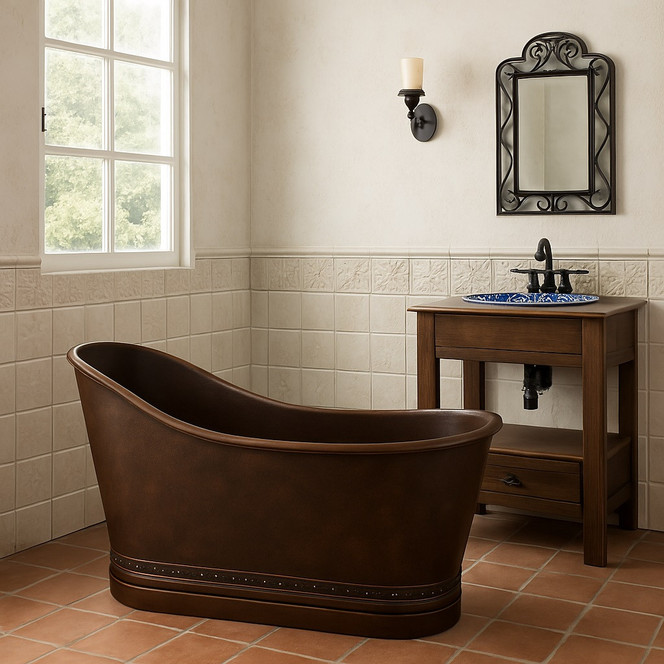
Copper Bathtub Cleaning and Care Guide explains how to clean, protect, and maintain a handmade copper bathtub without damaging its finish, patina, hammered texture, or artisan character. A copper tub is more than a bathroom upgrade. It is a handcrafted fixture with natural warmth, visual depth, and a living surface that can change over time. Proper care helps preserve its beauty while allowing the copper to age gracefully. This guide covers daily rinsing, weekly cleaning, drying, spot care, patina expectations, protective wax, polishing decisions, and common mistakes to avoid. Because every handmade copper bathtub has natural tone movement, hammering variation, rim shaping, patina depth, seam detail, and small artisan irregularities, no two tubs will look exactly alike. Those differences are part of the material’s authenticity, not defects.
Blog Summary
- Material: Handmade copper tub
- Care: Mild soap and soft cloth
- Avoid: Abrasives and harsh acids
- Finish: Natural patina movement
- Routine: Rinse and dry often
- Goal: Preserve copper character
Copper Tub Care Basics
A copper bathtub should be treated as a living metal surface. Unlike acrylic, porcelain, or stainless steel, copper develops character through contact with water, air, soap, minerals, and daily use. Some homeowners want to preserve a brighter glow, while others prefer a deeper aged patina. The right care routine depends on that preference. The safest starting point is always gentle cleaning. Warm water, mild soap, and a soft cloth are enough for most routine care. Homeowners comparing handmade tub styles can also browse hammered copper bathtubs to understand how texture and finish affect maintenance.
Why Copper Needs Gentle Cleaning
Copper is durable, but its surface finish can be affected by aggressive cleaning. Harsh chemicals, abrasive powders, acidic cleaners, steel wool, and rough pads can scratch the surface or remove intentional patina. This is especially important on hammered copper because raised points and textured areas catch more light. If those areas are scrubbed too aggressively, they may brighten unevenly. Gentle cleaning protects the metal while keeping the tub ready for regular bathing.
Copper Bathtub Care Specifications
- Routine cleaner: Mild liquid soap
- Cleaning cloth: Soft microfiber cloth
- Best habit: Rinse after use
- Drying: Soft towel recommended
- Avoid: Bleach and ammonia
- Avoid: Steel wool and abrasives
- Patina: May change naturally
- Protection: Copper-safe wax if desired
- Spot care: Test first
- Finish goal: Choose shine or aging
Daily Cleaning Routine
Daily care is simple. After bathing, rinse the tub with warm water to remove soap residue, oils, bath products, and minerals. Wipe the surface with a soft damp cloth, then dry it with a clean towel when possible. Drying helps reduce water spots and slows uneven mineral buildup. This step matters most in bathrooms with hard water. A quick rinse and dry routine can prevent many problems before they become visible.
Weekly Cleaning Routine
For weekly cleaning, use warm water with a small amount of mild liquid soap. Wipe the interior and exterior surfaces with a soft microfiber cloth. Pay attention to the rim, drain area, lower walls, and hammered depressions where residue can collect. Rinse thoroughly after cleaning so soap does not remain on the copper. Dry the tub completely with a soft towel. This routine is usually enough to maintain a clean surface without disturbing the patina.
Recommended Cleaning Products
The safest cleaner for a copper bathtub is mild soap diluted in warm water. A pH-neutral cleaner designed for delicate surfaces may also be appropriate when used carefully. Avoid powdered cleansers, scouring creams, abrasive sponges, strong degreasers, bleach, ammonia, and acidic bathroom cleaners. Many products marketed for general bathroom cleaning are too strong for copper patina. When using any new cleaner, test a small hidden area first and wait to see how the finish responds.
How to Handle Water Spots
Water spots usually come from minerals left behind after water evaporates. The best prevention is drying the tub after use. If spots appear, start with a soft damp cloth and mild soap. Do not immediately reach for acidic cleaners. Gentle repeated wiping is safer than aggressive scrubbing. If the tub has a polished finish, water spots may be more visible. If the tub has a darker patina, spots may blend more naturally but should still be cleaned before buildup becomes stubborn.
Deep Cleaning Stubborn Areas
Stubborn stains, soap buildup, or mineral deposits should be handled carefully. Start with warm water, mild soap, and a soft cloth. Let the damp cloth rest on the affected area for a short time to soften residue, then wipe gently. If stronger spot treatment is needed, test first in an inconspicuous area. Avoid leaving any cleaning solution on copper for long periods. Always rinse thoroughly and dry immediately after spot cleaning. Preserving the finish is more important than forcing instant brightness.
Vinegar and Acid Caution
Vinegar, lemon juice, and other acidic cleaners can brighten copper, but they can also strip or unevenly alter patina. They should not be used as routine cleaners on a finished copper bathtub. If an acidic spot treatment is ever used, it should be diluted, brief, tested first, rinsed thoroughly, and followed by complete drying. Homeowners who value an aged finish should be especially cautious because acids can create bright patches that do not match the surrounding copper.
Preventing Tarnish and Oxidation
Copper naturally oxidizes over time. This process creates the patina that many homeowners appreciate. To slow uneven tarnish, keep the tub clean, dry standing water, maintain bathroom ventilation, and avoid leaving soap bottles, metal cans, wet towels, jewelry, or bath accessories directly on the surface. If the bathroom has high humidity, ventilation becomes especially important. The goal is not always to stop patina completely. In many copper tubs, controlled aging is part of the desired appearance.
Polished Copper Care
A polished copper bathtub needs more frequent care than a darker patina finish because shine makes fingerprints, water spots, and tonal changes easier to see. Wipe the surface after use and dry it regularly. If the homeowner wants to maintain a brighter reflective look, a copper-safe wax or polish may be used according to the product instructions. Always test first. Avoid over-polishing because it can remove the natural softness that gives handmade copper its character.
Patina Finish Care
A patina finish should be cleaned gently and left to age naturally unless the homeowner specifically wants a brighter surface. Do not scrub patinated areas with abrasive tools. Do not use acids to remove color changes. A dark copper tub may develop lighter highlights on raised hammered areas, the rim, or spots that are touched often. This is normal. Patina care is about preserving balance, not forcing every surface to look identical.
Protective Wax Options
Some homeowners apply a thin coat of copper-safe wax to help protect the finish and slow oxidation. Wax can be useful on polished copper or on tubs where the owner wants more control over surface change. Apply only a thin, even coat, follow the product instructions, and buff gently with a soft cloth. Do not apply wax over residue, soap film, or damp areas. The tub should be clean and dry before any protective product is used.
Ventilation and Moisture Control
Bathroom ventilation affects copper care. Moisture left in the room can encourage water spots, mineral marks, and uneven surface changes. Use an exhaust fan when bathing and allow the room to dry afterward. Open windows when appropriate. Keep towels, bath mats, and accessories from sitting against the copper for long periods. A well-ventilated bathroom helps the tub age more evenly and reduces the need for heavy cleaning.
Routine Maintenance Checklist
- After use: Rinse with warm water
- Daily: Wipe visible residue
- Often: Dry with a soft towel
- Weekly: Clean with mild soap
- Monthly: Inspect water spots
- Seasonally: Review finish goals
- Always: Avoid harsh chemicals
- Never: Scrub with steel wool
Common Care Mistakes
The most common copper bathtub care mistakes come from treating copper like ordinary bathroom tile or porcelain. Bleach, ammonia, acidic sprays, gritty powders, abrasive pads, and steel wool can damage the finish. Letting cleaners sit too long can also create uneven areas. Leaving standing water, bath salts, soap residue, metal containers, or wet accessories on the tub may cause marks. A copper tub is durable, but the finish should be respected.
Bath Products to Watch
Bath oils, salts, bath bombs, colored soaps, and strong fragrances may affect copper depending on their ingredients. Some products can leave residue or react with the finish. Rinse the tub after using bath products, then wipe and dry the surface. If a product is new, test carefully and watch for any change in the copper. This is especially important with polished or intentionally patinated tubs.
Small Scratches and Marks
Small marks can happen with normal use. Before trying to buff them out, decide whether the tub is polished, patinated, waxed, or intentionally aged. A scratch on polished copper may be reduced with careful finish care, but a scratch in a dark patina may become more obvious if polished aggressively. When in doubt, keep cleaning gentle and contact the seller or a qualified metal finisher before attempting major correction.
Craftsman Perspective
A handmade copper bathtub is shaped, hammered, and finished by hand, so the care routine should protect the artisan surface rather than erase it. Hammer marks are not flaws. Tone movement is not a defect. Patina shifts are part of the material. The best care approach respects the copper’s natural behavior while keeping the tub clean and comfortable for bathing. This is why soft cloths, mild soap, careful drying, and restrained polishing are better than aggressive restoration methods.
Choosing a Copper Tub Finish
Care expectations should influence the finish decision before purchase. A polished copper tub can look bright and dramatic, but it may need more wiping and finish maintenance. A darker patina can feel more forgiving and aged, but it should still be cleaned gently. A hammered surface can hide minor water marks better than a mirror-smooth surface because the texture breaks up reflection. Buyers considering different handmade finishes can review hammered copper bathtubs for texture and style comparison.
Measurements Before Ordering
Care is easier when the tub is installed with enough access around it. Before ordering, confirm bathroom floor space, tub length, tub width, tub height, drain location, faucet location, floor support, doorway clearance, and cleaning access. A freestanding tub placed too close to walls or fixed cabinets may be harder to wipe and dry. Planning enough room around the tub helps preserve both appearance and usability.
Common Questions
How do you clean a copper bathtub?
Use warm water, mild soap, and a soft cloth. Rinse thoroughly and dry the tub after cleaning whenever possible.
Can I use vinegar on a copper bathtub?
Use caution. Vinegar can strip or brighten patina, so it should not be used as a routine cleaner on copper tubs.
What cleaners should be avoided?
Avoid bleach, ammonia, acidic cleaners, abrasive powders, steel wool, gritty brushes, and harsh chemical bathroom sprays.
How often should I clean a copper tub?
Rinse after use, wipe residue as needed, and clean weekly with mild soap and a soft cloth.
Should I dry my copper bathtub?
Yes. Drying helps prevent water spots, mineral marks, and uneven residue buildup, especially in hard-water bathrooms.
Will copper patina over time?
Yes. Copper naturally develops tonal variation and patina through water exposure, air, handling, cleaning habits, and light.
Can I keep my copper tub shiny?
Yes, but a bright finish needs more regular drying, gentle polishing, and copper-safe protective care.
Should I wax a copper bathtub?
A copper-safe wax may help slow oxidation, but it should be applied only to a clean, dry surface and tested first.
Are scratches normal on copper?
Minor marks can occur with use. Handle them gently and avoid aggressive polishing unless the finish is meant to be bright.
Will every copper bathtub age the same?
No. Patina, water marks, hammering, tone movement, and surface highlights vary with use, care, water quality, and finish type.
Final Design Guidance
Copper Bathtub Cleaning and Care Guide shows how mild soap, soft cloths, regular rinsing, drying, careful spot treatment, moisture control, and realistic patina expectations help preserve a handmade copper tub. Choose gentle maintenance over harsh cleaning, and decide whether the goal is to keep a brighter polished look or allow a deeper aged patina to develop naturally. Avoid abrasives, bleach, ammonia, strong acids, steel wool, and aggressive scrubbing. Keep the bathroom ventilated, rinse after bath products, and dry standing water when possible. To explore handmade tub options, visit Rustica House or browse hammered copper bathtubs for a distinctive bathroom centerpiece.