 US Dollar
 Euro
Euro
 Australian Dollar
 Canadian Dollar
 Polish Zloty
 British Pound

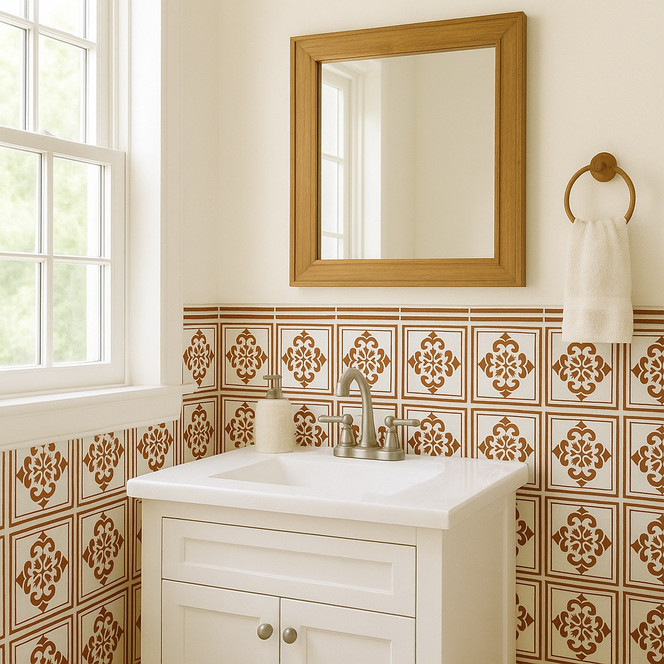
Decorative ceramic tiles from Mexico bring color, tradition, and handmade charm into kitchens, bathrooms, stair risers, patios, fountains, and accent walls. Known for their vivid Talavera patterns, durable glazed surfaces, and rustic artisan character, these tiles offer endless design possibilities for both interior and outdoor spaces. Whether used as a full backsplash or a small decorative accent, decorative Mexican tiles add warmth, personality, and timeless beauty to any remodeling project.
Blog Summary
- Product: Decorative ceramic tiles
- Style: Mexican Talavera design
- Use: Walls and backsplashes
- Benefit: Colorful rustic charm
- Craft: Hand-painted ceramic

Why Choose Decorative Ceramic Tiles?
Decorative ceramic tiles are loved because they combine beauty with everyday practicality. Their glazed surface is easy to clean, their colors stay visually rich, and their patterns can completely transform a plain wall or surface.
Mexican Talavera tiles are especially valuable for homeowners who want a design element that feels artistic, warm, and full of character. Instead of using neutral tile only for function, Talavera turns the surface into a decorative feature.
Hand-Painted Mexican Tradition
Decorative ceramic tiles are deeply connected to Mexican architectural tradition. In cities such as San Miguel de Allende, Puebla, and Dolores Hidalgo, hand-painted tiles appear on fountains, stairways, kitchens, bathrooms, courtyards, churches, and entryways.
This tradition inspires today’s tile designs, where local artisans continue using colorful patterns, hand-applied brushwork, and kiln-fired glazes to create ceramic pieces with authentic rustic charm.
Color and Pattern Possibilities
One of the greatest strengths of Mexican ceramic tiles is the wide range of colors and patterns available. Cobalt blue, terracotta, yellow, green, white, black, and turquoise can be combined into floral, geometric, folk-art, colonial, and relief designs.
Popular Designs
- Floral: Soft traditional detail
- Geometric: Strong pattern rhythm
- Relief: Raised ceramic texture
- Solid: Simple color fields
- Mixed: Eclectic mosaic layouts
These options make decorative tiles suitable for bold full-wall installations or smaller accent areas where only a touch of color is needed.
Where to Use Decorative Ceramic Tiles
Decorative ceramic tiles can be installed in many areas of the home. Kitchens and bathrooms are the most popular choices, but they also work beautifully in dining rooms, hallways, stair risers, verandas, fireplaces, fountains, and covered outdoor patios.
In kitchens, they can be used as a kitchen backsplash, countertop border, or accent behind a range hood. In bathrooms, they can frame mirrors, decorate vanity walls, or add color around showers and sinks.
Best Applications
- Kitchen: Backsplash accent
- Bathroom: Vanity or shower wall
- Stairs: Decorative risers
- Patio: Covered outdoor color
- Fountain: Rustic water feature
Rustic Character and Handmade Variation
The rustic feel of Talavera tile comes from more than the painted pattern. It also comes from handmade production. Slight variations in size, shape, glaze, and brushwork are expected and give the installation an authentic artisan appearance.
Because of these handmade variations, tile spacing and grout selection are important. Wider grout joints can help accommodate slight differences in tile size and create a traditional rustic look.
Grout and Layout Tips
When installing decorative ceramic tiles, consider using a grout joint that allows for natural variation. A light grout color can soften the handmade irregularities, while a contrasting grout can emphasize the vintage, handcrafted character of the tiles.
Mixed-pattern layouts create a lively mosaic effect. Solid-color tiles can calm the design and give the eye a place to rest. Many designers combine patterned tiles with plain field tiles to create balance.
Layout Ideas
- Mixed: Colorful patchwork wall
- Border: Framed tile detail
- Accent: Small focal area
- Field: Full patterned surface
- Trim: Finished tile edge
Pairing Tiles with Other Materials
Decorative Mexican tiles look beautiful with natural and handcrafted materials. Wood cabinets, copper sinks, wrought iron lighting, stone counters, plaster walls, and clay floors all support the warmth of Talavera tile.
For a rustic kitchen, pair colorful tile with copper appliances and wood cabinetry. For a bathroom, combine the tile with a Talavera sink, iron mirror frame, or natural stone vanity.
Planning Your Tile Project
Before choosing a pattern, think about the size of the room, the color of existing cabinets or counters, and how much visual energy you want in the space. A small backsplash can handle bold pattern easily. A large wall may need a simpler design or a mix of solids and accents.
If the space already includes strong colors, choose tiles that repeat or complement those tones. If the room is neutral, decorative ceramic tiles can become the main source of color and personality.
Care and Maintenance
Decorative ceramic tiles are easy to maintain with gentle cleaning. Use mild soap, warm water, and a soft cloth or sponge. Avoid abrasive pads, acidic cleaners, and harsh chemicals that may dull the glaze or affect grout lines.
Care Guidelines
- Clean: Mild soap and water
- Avoid: Harsh chemicals
- Use: Soft sponge or cloth
- Protect: Maintain grout lines
- Inspect: Check outdoor areas
Conclusion
Decorative Ceramic Tiles offer one of the most beautiful ways to add Mexican color, rustic charm, and handcrafted detail to the home. From kitchens and bathrooms to stair risers, patios, fountains, and accent walls, these hand-painted tiles create lasting visual impact. Whether used as a bold backsplash or a subtle decorative Mexican accent, Talavera ceramic tile brings warmth, creativity, and timeless artisan beauty to every space.