 US Dollar
 Euro
 Australian Dollar
 Canadian Dollar
 Polish Zloty
 British Pound

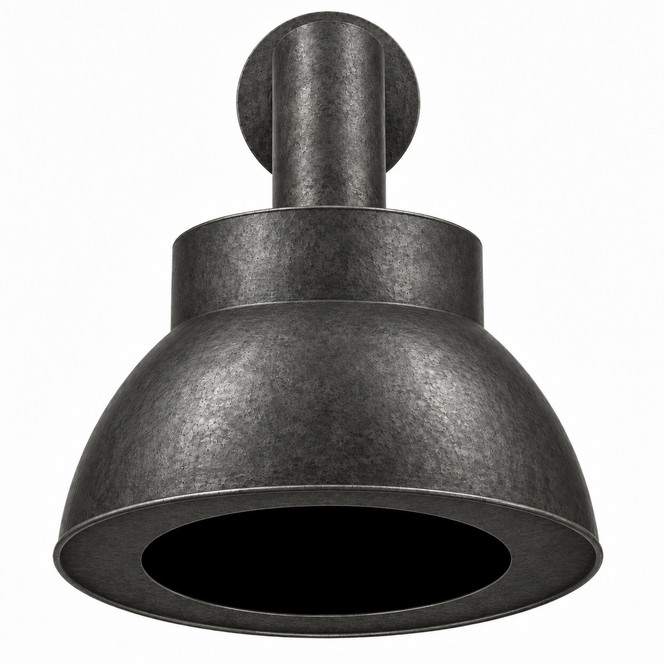
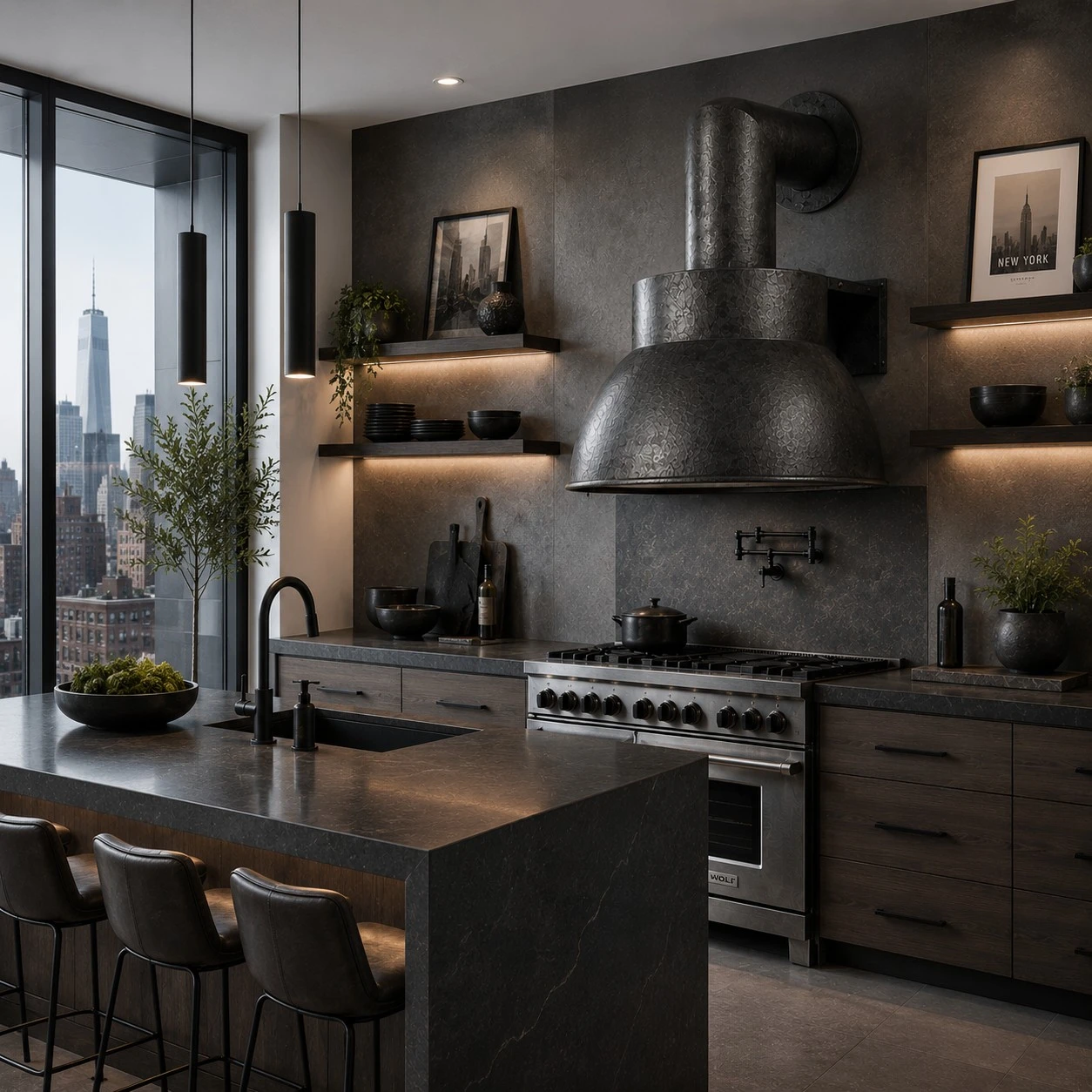
The Dark Zinc Industrial Range Hood with Exposed Elbow Vent brings the character of early industrial ventilation into contemporary kitchen design. Its rounded bell canopy, cylindrical upper collar, and exposed elbow duct create a distinctive architectural silhouette, while the dark hammered zinc finish introduces charcoal-gray depth and subtle metallic variation. Unlike conventional rectangular range hoods with concealed chimneys, this design celebrates visible mechanical forms and curved metalwork. These four kitchen images demonstrate how the same handcrafted hood complements an industrial loft kitchen, a modern farmhouse, a New York loft, and an urban contemporary interior. Each setting establishes a different relationship between the dark zinc, cabinetry, brick, concrete, wood, and architectural finishes. Explore four kitchen design ideas featuring a dark zinc industrial range hood and discover how its exposed ventilation architecture can define a cooking space.
Blog Summary
- Featured hood: Dark hammered zinc industrial range hood
- Canopy: Large rounded bell silhouette
- Upper section: Cylindrical collar with exposed elbow vent
- Finish: Charcoal-gray hammered zinc
- Industrial loft: Exposed materials and utilitarian details
- Modern farmhouse: Painted cabinetry and natural wood
- New York loft: Brick, steel, and urban architecture
- Urban contemporary: Streamlined cabinetry and material contrast
- Technical guide: Dark Zinc Industrial Range Hood with Exposed Elbow Vent Guide
Four Kitchen Designs with a Dark Zinc Industrial Range Hood
The defining feature of this range hood is its unconventional ventilation-inspired silhouette. Instead of a rectangular chimney extending directly upward, the hood combines a broad rounded canopy with a cylindrical collar and an exposed elbow that turns toward the wall. This arrangement gives the cooking area a mechanical character associated with traditional industrial equipment.
The dark hammered zinc finish reinforces that appearance. Its graphite and charcoal undertones create a subdued metallic surface, while the hammered texture introduces irregular reflections that distinguish the handcrafted shell from smooth manufactured ductwork.
The four interiors demonstrate how this industrial form can work with different kitchen styles. Exposed brick emphasizes its mechanical heritage, farmhouse cabinetry softens its appearance, New York loft architecture reinforces its urban character, and contemporary finishes establish a more refined contrast.
Industrial Loft Kitchen with Dark Zinc Range Hood
An industrial loft kitchen provides a natural architectural setting for a rounded dark zinc hood with exposed ductwork. Concrete surfaces, brick walls, metal shelving, and substantial windows establish a functional atmosphere that complements the hood's visible mechanical elements.
The rounded canopy becomes a strong focal point above the cooking range. Its curved silhouette contrasts with the straight lines of industrial cabinetry, while the exposed elbow reinforces the utilitarian character of the room.

Concrete, Brick, and Metal
Concrete countertops and cement-look floors provide a restrained background for the dark hammered zinc. Exposed brick adds warmth and irregular texture, while steel-framed windows or dark cabinet hardware establish a visual connection with the hood's mechanical form.
The combination works because each material has a distinct character. Concrete is comparatively uniform, brick introduces natural variation, and hammered zinc provides a dark metallic surface with small reflective highlights.
Celebrating Exposed Ventilation
The exposed elbow is an important part of the hood's appearance. Rather than hiding the upper ventilation route behind decorative cabinetry, the design incorporates the duct-inspired form into the kitchen composition.
In an industrial loft, this feature can coordinate with visible structural beams, metal fixtures, and other architectural elements. The final duct connection and ventilation configuration should be coordinated with the approved installation plan.
Modern Farmhouse Kitchen with Industrial Zinc Hood
A modern farmhouse kitchen creates an interesting contrast for this dark zinc range hood. Painted cabinets, natural wood, stone countertops, and traditional kitchen proportions provide a softer setting for the rounded industrial canopy.
The charcoal-gray finish becomes a strong visual anchor above the range, while the curved bell shape introduces a familiar traditional form. The exposed elbow adds an unexpected mechanical detail that distinguishes the kitchen from more conventional farmhouse interiors.

Painted Cabinetry and Natural Wood
Warm white, cream, and soft gray cabinets provide contrast against the dark zinc. Shaker-style doors reinforce the farmhouse character, while simpler hardware keeps the overall design contemporary.
Natural oak beams, wood islands, or open shelving can introduce warmth and help balance the hood's charcoal finish. These materials create a connection between the handcrafted metalwork and the organic textures associated with farmhouse interiors.
Balancing Industrial and Farmhouse Details
The hood already introduces a substantial industrial element through its rounded canopy and exposed elbow. Surrounding cabinetry and accessories can therefore remain relatively restrained.
Simple stone backsplashes, wood accents, and understated lighting allow the hood to become the principal architectural feature without overwhelming the room. This balance is especially important when the kitchen includes traditional cabinetry or decorative farmhouse elements.
New York Loft Kitchen with Exposed Elbow Vent
A New York loft kitchen is one of the most characteristic settings for this range hood. Historic urban lofts are often associated with exposed brick, large windows, substantial ceiling heights, and visible building infrastructure. The dark zinc hood draws on that industrial vocabulary through its rounded metal canopy and prominent elbow-shaped upper section.
Unlike a concealed chimney hood, the exposed ventilation-inspired form becomes part of the room's architectural identity. Its dark hammered surface complements brick and steel while providing a distinctive curved element among the straight lines of the surrounding kitchen.

Urban Architectural Character
Brick walls, dark metal window frames, exposed beams, and concrete surfaces provide a strong architectural foundation. The hood's cylindrical collar and elbow create a visual relationship with the exposed mechanical features commonly found in loft-style interiors.
The broad rounded canopy introduces a different geometry from the rectangular windows, cabinets, and structural elements. This contrast helps distinguish the cooking area within an open-plan loft.
Proportion and Placement
In an open loft, the hood should remain proportionate to the cooking range and surrounding cabinetry. Its round canopy and exposed elbow already provide significant visual interest, so increasing its apparent scale unnecessarily can make the cooking wall feel crowded.
The featured model's nominal dimensions are approximately 25 inches in diameter and 36 inches in height. The exact hood dimensions, duct arrangement, and required clearances should be confirmed before installation.
Urban Contemporary Kitchen with Dark Zinc Hood
An urban contemporary kitchen offers a more refined interpretation of industrial design. Flat-panel cabinetry, smooth stone countertops, neutral colors, and controlled lighting create a streamlined setting in which the rounded zinc hood becomes the main expressive architectural feature.
The dark hammered finish contrasts with smooth cabinetry, while the exposed elbow introduces a deliberate mechanical detail. This combination gives the kitchen personality without requiring extensive industrial decoration elsewhere.
Streamlined Cabinetry and Dark Metal
Flat-front cabinets in warm white, gray, taupe, or natural wood create a quiet background for the hood. The dark zinc can become a contrasting focal point against lighter cabinetry or coordinate with charcoal and black architectural details.
Because the hood has a highly recognizable silhouette, cabinet hardware and lighting can remain understated. This allows the exposed elbow and rounded canopy to define the cooking wall.
Contemporary Material Contrast
Smooth stone, porcelain, and polished concrete emphasize the hammered zinc texture. Natural wood can soften the composition, while dark metal accents reinforce the hood's industrial character.
Large uninterrupted surfaces are particularly effective because they provide visual space around the curved canopy and exposed elbow.
Comparing the Four Kitchen Styles
| Kitchen Style | Main Materials | Hood Effect |
|---|---|---|
| Industrial loft | Concrete, brick, steel | Authentic industrial character |
| Modern farmhouse | Painted cabinetry, wood, stone | Mechanical contrast with farmhouse warmth |
| New York loft | Exposed brick, steel windows, concrete | Urban ventilation-inspired focal point |
| Urban contemporary | Flat-panel cabinets, smooth stone | Sculptural industrial contrast |
Choosing Cabinet Colors for Dark Zinc
The charcoal-gray hammered finish makes this range hood adaptable to several cabinet palettes. Light cabinetry emphasizes the dark silhouette, while deeper finishes create a more integrated industrial composition.
- Warm white: Bright contrast for modern farmhouse kitchens
- Light gray: Restrained contemporary coordination
- Natural oak: Warm balance against charcoal zinc
- Walnut: Rich wood and dark metal contrast
- Charcoal: Cohesive industrial appearance
- Greige: Soft urban contemporary palette
The most effective choice depends on the surrounding walls, countertops, and lighting. A lighter backsplash can help define the hood's rounded silhouette, especially when adjacent cabinets are dark.
Backsplash Ideas for a Rounded Industrial Hood
The rounded canopy creates a different architectural relationship with the backsplash than a conventional rectangular range hood. Its broad curved lower section establishes a focal point above the cooking range, while the exposed elbow draws attention upward and toward the wall.
Industrial loft kitchens can use brick or concrete-look surfaces to reinforce the utilitarian character. Modern farmhouse interiors benefit from simple ceramic tile or natural stone, while urban contemporary kitchens can use large-format porcelain or understated stone slabs.
For New York loft interiors, exposed brick provides a traditional architectural backdrop. Where brick is located near the cooking area, the selected surface and installation must satisfy the applicable cleaning, heat-resistance, and safety requirements.
Lighting the Dark Hammered Zinc Surface
Dark hammered zinc responds differently to light than polished metal. Its charcoal surface produces relatively restrained reflections, while the irregular hammer marks create subtle highlights that change with viewing angle and illumination.
Natural daylight can reveal graphite undertones across the rounded canopy. Warm artificial lighting can emphasize the texture and soften the overall appearance, particularly when the kitchen includes wood or brick.
In darker industrial interiors, adequate ambient and task lighting is important so the hood's curved silhouette remains visible. Lighting should support the cooking area without creating excessive glare on surrounding surfaces.
Styling Around an Exposed Elbow Vent
The exposed elbow is already a distinctive architectural element, so surrounding decoration should remain carefully controlled. In an industrial loft, simple metal shelving, brick, and concrete provide enough visual character without additional ornamental accessories.
Modern farmhouse kitchens can introduce wood cutting boards, ceramic pottery, and natural textures. New York loft interiors may emphasize architectural features such as steel-framed windows and exposed brick, while urban contemporary kitchens benefit from uncluttered countertops and restrained lighting.
The goal is to preserve a clear visual relationship between the rounded canopy, cylindrical collar, elbow, and surrounding wall.
Why the Industrial Bell Silhouette Works
This range hood combines three distinct architectural forms. The broad rounded bell canopy creates the lower focal point. The cylindrical collar establishes a vertical transition, while the exposed elbow introduces a directional mechanical element.
These forms create a recognizable industrial composition without relying on decorative straps, rivets, or elaborate crown molding. The dark hammered zinc finish reinforces the design through texture and subdued metallic color.
Unlike traditional wall-mounted hoods with rectangular chimneys, the exposed elbow requires particular attention to its orientation and wall connection. The duct routing must be coordinated with the approved ventilation system and installation requirements.
Interior Design Perspective
The four lifestyle images demonstrate how a dark zinc industrial range hood can work beyond strictly industrial interiors. In a loft kitchen, its exposed mechanical architecture reinforces the surrounding materials. In a modern farmhouse, the dark metal contrasts with painted cabinetry and natural wood.
A New York loft highlights the hood's historic industrial inspiration, while an urban contemporary kitchen uses its rounded canopy and elbow as a sculptural focal point against streamlined cabinetry.
For detailed information about the hood's dimensions, construction, ventilation planning, exposed elbow configuration, and installation considerations, read the Dark Zinc Industrial Range Hood with Exposed Elbow Vent Guide.
Explore the Dark Zinc Industrial Range Hood
These four kitchen images show how a compact rounded industrial hood can establish a distinctive architectural identity. Its dark hammered zinc surface, bell-shaped canopy, cylindrical collar, and exposed elbow create a consistent visual character, while cabinetry, wall finishes, lighting, and surrounding materials determine the atmosphere of each kitchen.
Whether used in an industrial loft, a modern farmhouse, a New York apartment, or an urban contemporary home, the hood introduces handcrafted metalwork and visible ventilation-inspired geometry. Explore the Dark Zinc Industrial Range Hood to review its design, proportions, and configuration options.