 US Dollar
 Euro
Euro
 Australian Dollar
 Canadian Dollar
 Polish Zloty
 British Pound

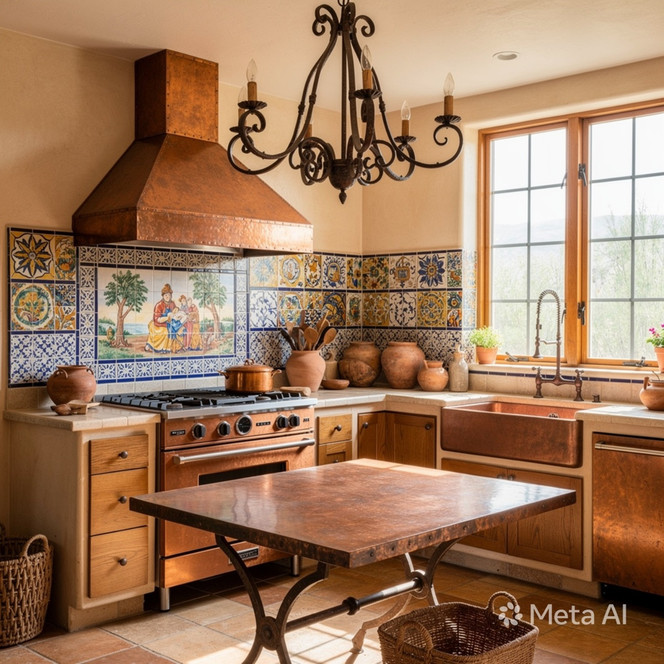
Create Mexican Style with Rustica House by combining handcrafted color, natural materials, artisan metalwork, and architectural details throughout your home. Mexican-inspired interiors can feel rustic, refined, colorful, or understated depending on the accents you choose. Talavera sinks and tiles, copper tables, metal range hoods, iron lighting, Cantera stone, and hand-painted ceramic plates can transform kitchens, bathrooms, dining rooms, patios, and gardens. Talavera plates are especially versatile because they can serve as tableware, decorative wall art, or memorable handcrafted gifts. Begin with a distinctive rectangular Talavera vessel sink, then coordinate the room around its painted colors and traditional ceramic character.
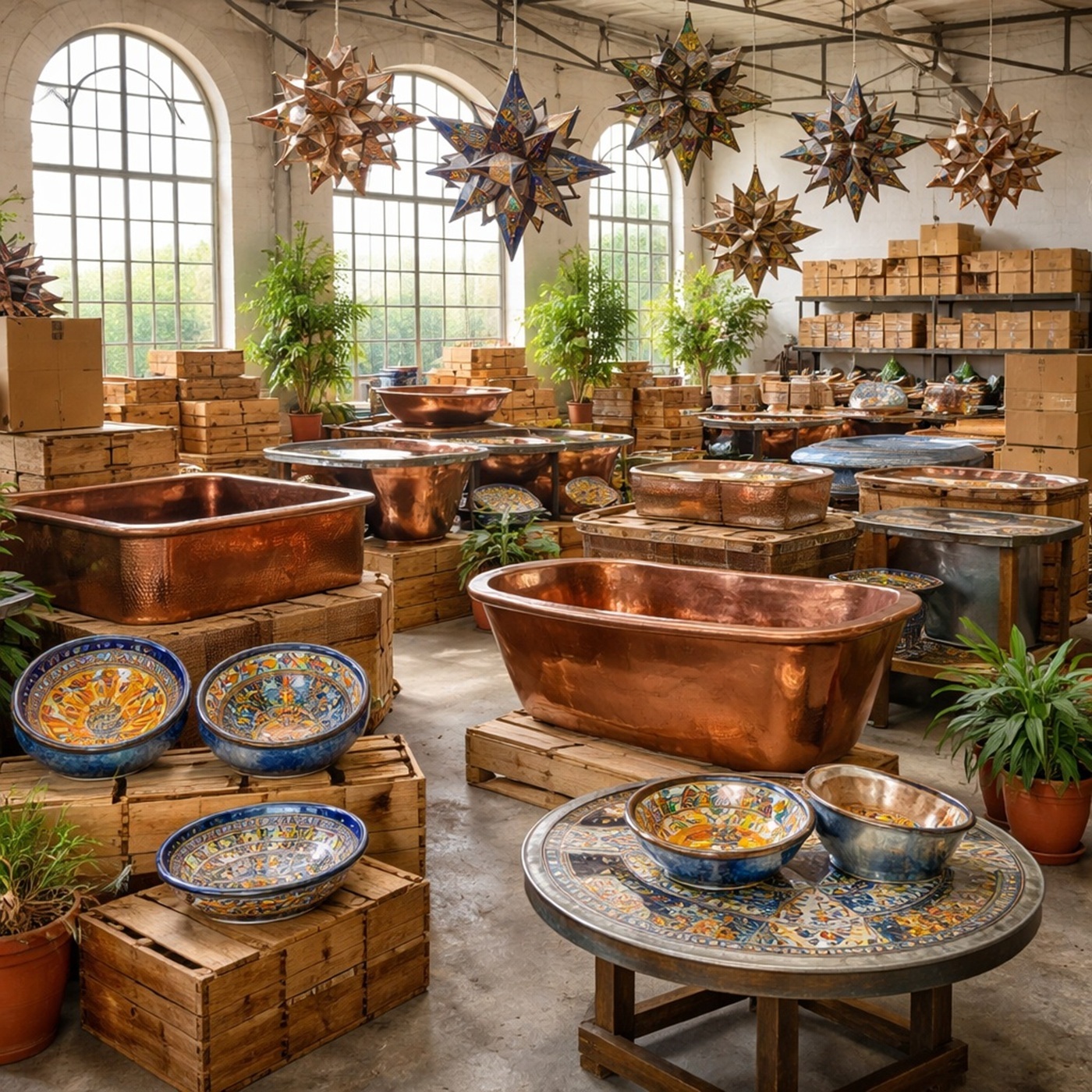
Mexican Style Overview
Mexican-style decorating brings together color, texture, craftsmanship, and materials with visible character. It does not require filling every room with vivid patterns or heavy rustic furniture. A successful interior often begins with one or two strong artisan features supported by calmer surfaces. Talavera ceramics may provide the color, copper can add warmth, and wrought iron contributes dark structure. Wood, stone, plaster, and woven textiles complete the composition. The room should feel welcoming, functional, and collected rather than overly coordinated. By balancing decorative objects with open wall space and neutral materials, homeowners can celebrate Mexican design without making the interior feel crowded.
Choosing a Focal Point
Every room benefits from one feature that establishes its character. In a bathroom, that may be a hand-painted Talavera sink. In a kitchen, the focal point could be a copper range hood, ceramic backsplash, or handcrafted dining table. A dining room may center around a wall arrangement of Talavera plates, while a patio can be organized around a Cantera fountain or large iron lantern. Select the dominant feature before adding smaller decorations. Its colors, materials, and proportions can guide the rest of the room. This approach creates visual order and helps every additional accent feel intentional.
Strong Focal Points
- Hand-painted Talavera sink
- Custom copper range hood
- Talavera plate wall
- Forged iron chandelier
- Cantera stone fountain
Talavera Bathroom Style
Talavera sinks introduce color and traditional ceramic detail into bathrooms without requiring a fully tiled room. A rectangular vessel sink can sit above a wood, copper, stone, or plaster vanity and become the main decorative feature. Choose surrounding materials that allow the painted pattern to remain visible. Neutral walls, simple counters, and understated faucets create balance. Colors from the sink can be repeated through towels, pottery, small tiles, or wall accents. Wrought iron mirrors and warm lighting reinforce the rustic character, while natural stone and wood provide a calm foundation for the vivid ceramic design.
Mexican Tile Accents
Mexican tiles are useful for adding pattern in controlled areas. They can cover a backsplash, bathroom counter, stair risers, fireplace surround, or decorative niche. Solid color tiles provide quieter backgrounds, while painted patterns create stronger movement. A full patterned wall can work in a large room, but smaller interiors often benefit from limited accents framed by plain tile. Review Old World Talavera tiles for ideas on combining traditional motifs with rustic architecture. Careful color planning allows the ceramic design to support the room instead of dominating it.
Tile Application Ideas
- Kitchen backsplash walls
- Bathroom vanity counters
- Decorative stair risers
- Fireplace accent areas
- Outdoor kitchen surfaces
Talavera Plates as Décor
Hand-painted Talavera plates provide one of the easiest ways to introduce Mexican color into a room. Their floral, geometric, and folkloric patterns can decorate dining rooms, kitchens, breakfast areas, entryways, and covered patios. One large plate can become a simple wall focal point, while several smaller plates can create a balanced gallery. Because every plate contains hand-painted variation, the display feels collected and artisan-made. Arrange the plates on the floor before hanging them so the spacing and color distribution can be reviewed. Use secure plate hangers and leave enough wall space around each piece.
Talavera Plates as Tableware
Talavera plates are not limited to wall decoration. They can also be used as colorful tableware for family meals, holiday gatherings, outdoor dining, and special occasions. Their painted surfaces bring pattern to a wood, copper, or stone table without requiring elaborate centerpieces. Mix decorative plates with plain linens, clear glassware, and simple serving pieces so the ceramics remain the focus. A coordinated set creates a traditional presentation, while mixed patterns can produce a more relaxed and collected appearance. Explore hand-painted Talavera tableware for plates, bowls, and serving pieces.
Talavera Table Ideas
- Mix patterns by color
- Use plain table linens
- Pair plates with glassware
- Add ceramic serving bowls
- Display platters between meals
Talavera Plates as Gifts
A hand-painted Talavera plate also makes a meaningful gift because it combines practical use with artisan craftsmanship. Decorative plates can be given for weddings, housewarmings, birthdays, anniversaries, holidays, or hostess occasions. A recipient may use the plate as tableware, display it on a shelf, or hang it as wall decoration. Choose a pattern that reflects the recipient’s colors, interests, or decorating style. Floral designs feel versatile, while stronger geometric patterns suit bold interiors. Because handmade painting creates slight differences between pieces, the gift feels more personal than factory-produced dinnerware or generic wall décor.
Plate Wall Planning
A plate wall should feel balanced rather than perfectly uniform. Begin with the largest plate near the center, then place smaller designs around it. Symmetrical arrangements work well above sideboards and dining tables, while irregular layouts suit eclectic kitchens and casual breakfast areas. Repeat two or three colors across the display so different patterns still feel connected. Talavera plates may also be combined with copper mirrors, small relief tiles, framed art, or carved wood accents. Avoid filling the entire wall. Open space allows the circular shapes, painted borders, and individual motifs to remain easy to see.
Plate Display Tips
- Start with one large plate
- Repeat two main colors
- Mix sizes with balance
- Use secure wall hangers
- Leave open wall space
Copper Dining Tables
Copper tabletops introduce warmth, reflection, and handcrafted texture into dining rooms and eat-in kitchens. Their metal surfaces work beautifully with forged iron bases, wood seating, plaster walls, and stone flooring. Round tables encourage conversation and suit breakfast areas, while square and rectangular versions create stronger architectural structure. Copper develops subtle tonal variation that gives the table more character over time. For placement and styling inspiration, explore copper dining table ideas. Talavera plates provide an especially attractive contrast against the warm metal surface.
Dining Room Coordination
A copper table does not require every nearby fixture to use the same metal. Black iron lighting, antique brass hardware, wood cabinets, and ceramic tableware can all coordinate with copper. The goal is to repeat warmth rather than create an exact match. Talavera dinner plates bring painted color to the table, while decorative platters can be displayed on nearby walls or sideboards. Woven runners and neutral upholstery soften the metal surface. A chandelier centered over the table defines the dining area and provides vertical balance. Keep surrounding walls calm when both the table and ceramics contain strong visual texture.
Dining Material Pairings
- Copper and forged iron
- Talavera and natural wood
- Stone and warm plaster
- Leather and woven textiles
- Clay pottery and glass
Mexican Kitchen Character
Kitchens provide many opportunities to introduce Mexican-inspired materials. A copper or brass range hood can anchor the cooking wall, while Talavera tile adds pattern behind the stove or sink. Wood cabinetry brings warmth, and forged iron hardware creates definition. Open shelves can display Talavera plates, bowls, and serving dishes when they are not in use. The kitchen does not need every feature to be rustic. Transitional cabinets and simple stone counters can make artisan metalwork and painted ceramics appear more refined. Use one dominant material and allow the remaining accents to provide supporting color and texture.
Metal Range Hood Design
Copper and brass range hoods combine ventilation with sculptural metalwork. Their silhouettes may be curved, bell-shaped, pyramidal, rectangular, or highly tailored. Copper patinas range from natural and honey tones to antique, coffee, and oxidized finishes. Brass introduces a brighter golden quality and works well in more formal interiors. A custom hood can be sized around the range, ceiling height, cabinet layout, and ventilation insert. Straps, rivets, moldings, and apron details can strengthen Spanish Colonial or Hacienda influence. A Talavera backsplash can add color below the hood when its pattern and scale remain carefully controlled.
Hood Planning Details
- Confirm the range width
- Review ceiling height
- Select the insert early
- Choose wall or island use
- Coordinate the backsplash
Iron Lighting Accents
Wrought iron lighting contributes structure and Old World character to Mexican-style interiors. Chandeliers work above dining tables and islands, while pendant lamps suit smaller spaces. Wall lanterns can frame entries, patios, and outdoor seating areas. Iron is especially effective against plaster, stone, terracotta, and warm wood because its dark surface creates contrast. The fixture should be scaled to the room and furniture below it. Large rooms can support elaborate chandeliers, while compact rooms benefit from simpler silhouettes. Warm bulbs soften the iron and make Talavera glaze, copper patina, and carved stone appear more inviting.
Outdoor Iron Lanterns
Exterior lanterns help extend Mexican-style design into patios, gardens, balconies, and courtyards. Their forged frames pair naturally with Cantera stone, stucco walls, wood doors, clay planters, and tiled floors. Lanterns may be installed beside doors, along pathways, near outdoor kitchens, or on covered walls. They provide practical illumination while adding architectural detail during the day. Explore outdoor iron lantern ideas before choosing size and placement. Repeating the iron finish through furniture or table bases helps connect the lighting with the broader patio design.
Lantern Placement Ideas
- Beside exterior doors
- Along covered patios
- Near garden pathways
- Above outdoor counters
- Around courtyard walls
Cantera Stone Features
Cantera stone introduces architectural weight and natural texture to gardens, patios, entries, and interior spaces. It is commonly carved into fountains, columns, fireplace surrounds, benches, and decorative elements. Its soft earth tones coordinate with terracotta, Talavera, copper, iron, and stucco. A fountain can become the main focal point of a courtyard, while columns may frame an entrance or support a covered patio. For additional inspiration, review Mexican Cantera stone fountains. Their carved surfaces bring traditional character while remaining compatible with many landscape designs.
Patio Design Planning
A Mexican-style patio should feel connected to the home while responding to outdoor conditions. Begin with durable materials such as stone, terracotta, iron, and glazed ceramic. Use a fountain, dining table, or seating group as the central feature. Talavera planters and plates can introduce color around covered walls and dining areas. Decorative plates work especially well on protected patio walls where their painted designs can coordinate with tableware used for outdoor meals. Lanterns provide evening illumination, while woven textiles and rustic wood soften hard surfaces. Keep fragile ceramics protected from direct weather and accidental impact.
Patio Design Elements
- Cantera stone centerpiece
- Forged iron lighting
- Talavera ceramic accents
- Rustic outdoor furniture
- Warm textured flooring
Rustic Furniture Choices
Furniture should support the room’s function before contributing style. Heavy carved wood works well in dining rooms and larger living spaces, while simpler pieces prevent smaller interiors from feeling crowded. Iron bases can support copper, zinc, wood, or stone tabletops. Leather and woven seating add texture without introducing excessive pattern. Use artisan furniture as a focal feature rather than filling every room with equally strong pieces. One copper table, carved console, or equipal chair may provide enough character. Talavera plates and pottery can then add color without increasing the visual weight of the furniture.
Mixing Rustic and Modern
Mexican style can work in contemporary homes when artisan materials are used selectively. A modern kitchen may pair slab cabinetry with a hammered copper hood and a small Talavera plate display. A minimalist bathroom can use one painted vessel sink against neutral walls. A clean dining room may feature a copper table, simple iron chandelier, and hand-painted Talavera tableware. This contrast keeps traditional craftsmanship visible without making the interior feel historical. Repeat colors and finishes in small amounts, but avoid matching every object. Modern geometry and handmade variation can create a personal and balanced interior.
Creating Color Balance
Mexican interiors are often associated with strong color, but successful rooms also use neutral surfaces. White, cream, beige, terracotta, brown, gray, and natural wood provide backgrounds for cobalt, yellow, green, orange, and red. Begin with a neutral foundation, then add painted ceramics, textiles, or tile. Talavera plates can supply several accent colors at once, so surrounding décor should remain controlled. Select two dominant hues from the plate patterns and repeat them in textiles, pottery, or small accessories. Open wall space helps the decorative ceramics remain vibrant without making the room visually exhausting.
Color Planning Tips
- Start with neutral walls
- Repeat two accent colors
- Balance patterns with solids
- Use natural wood tones
- Leave visual breathing room
Decorating with Textiles
Textiles soften copper, iron, stone, tile, and wood. Woven rugs can define seating areas, while cushions and throws introduce seasonal color. Table runners create contrast below hand-painted Talavera plates, and simple napkins allow patterned tableware to remain the focus. Choose fabrics that support ceramic colors rather than compete with them. If the room contains highly detailed tile or plate displays, use quieter textiles in related tones. Natural fibers and visible weaving work especially well in rustic interiors. Textiles can also be changed easily, allowing the room to evolve without replacing permanent artisan features.
Handcrafted Gifts
Rustica House products can also be selected as meaningful gifts for people who appreciate handcrafted home décor. Talavera plates are practical choices because they may be used for serving, displayed on walls, placed on stands, or incorporated into a ceramic collection. Copper mirrors, pottery, lamps, and decorative tiles can also mark weddings, housewarmings, anniversaries, and holidays. When choosing a gift, consider the recipient’s preferred colors, home style, available space, and likely use. A versatile artisan object gives the recipient freedom to enjoy it as functional tableware or as permanent decorative art.
Rustica House Craftsmanship
Handcrafted furnishings and architectural accents make interiors feel individual because they show small variations in texture, color, and construction. Copper hammering, ceramic brushwork, forged iron marks, and carved stone surfaces reveal how each product was made. Rustica House focuses on products that support Mexican-inspired kitchens, bathrooms, dining rooms, patios, and gardens. Learn more through the Rustica House business story. Artisan variation should be expected because it distinguishes handmade ceramics, furniture, and metalwork from mechanically uniform home products.
Avoiding Decorative Clutter
Mexican-style decorating does not require covering every wall and surface. Too many bold patterns, metals, and carved objects can make a room feel smaller and less functional. Group related accents instead of scattering them. One wall may feature Talavera plates, while another remains plain. A copper hood can anchor the kitchen without adding several other large metal pieces. Decorative plates used as tableware can be stored or displayed on shelves instead of filling every available wall. A clear hierarchy allows handcrafted details to feel valuable rather than becoming lost among competing patterns and objects.
Mexican Style Summary
Begin with one focal feature that reflects the room’s purpose. A Talavera sink can define a bathroom, a copper table can anchor a dining room, and a metal range hood can shape the kitchen. Hand-painted Talavera plates can move easily between table settings, open shelving, and wall displays. They also make distinctive artisan gifts for weddings, housewarmings, holidays, and special occasions. Outdoors, Cantera fountains and iron lanterns establish a courtyard atmosphere. Coordinate these pieces through repeated colors, warm materials, and neutral backgrounds that allow every handcrafted object to remain visible.
Final Design Guidance
Create Mexican Style with Rustica House by combining artisan craftsmanship with thoughtful room planning. Talavera ceramics provide hand-painted color, copper furnishings add warmth, iron lighting creates structure, and Cantera stone introduces architectural texture. Talavera plates are particularly adaptable because they can serve as everyday or special-occasion tableware, decorate kitchen and dining room walls, or become meaningful handcrafted gifts. Select one dominant feature, repeat its colors in smaller details, and leave enough open space for every artisan piece to remain visible. With balanced materials and practical placement, your home can feel welcoming, distinctive, and connected to Mexican design traditions.