 US Dollar
 Euro
Euro
 Australian Dollar
 Canadian Dollar
 Polish Zloty
 British Pound

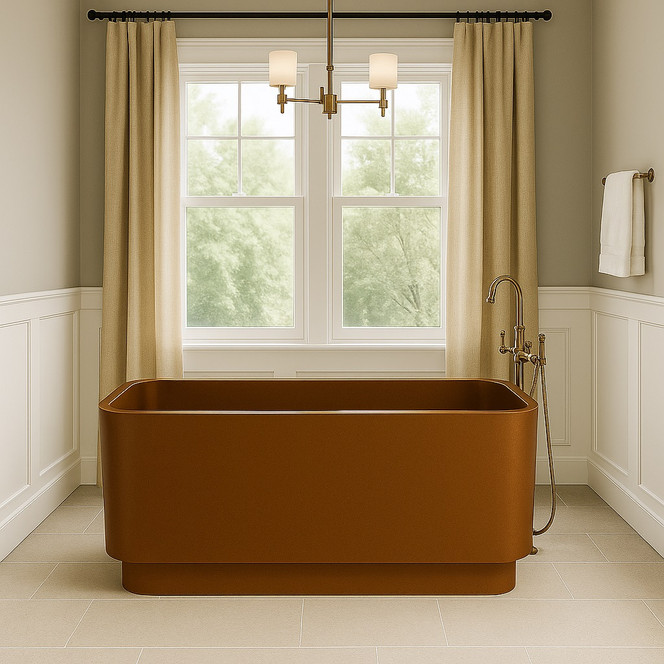
Copper Bathtub Sizes Guide explains how to choose a handmade copper tub that fits your bathroom layout, soaking needs, plumbing plan, and design style. Size affects more than appearance. It changes comfort, water use, floor support, delivery access, faucet placement, drain location, cleaning clearance, and the overall balance of the room. Small copper tubs can work in compact bathrooms, standard sizes suit many primary suites, and large tubs create a luxury spa-like focal point. Before ordering, measure the bathroom, doorway path, tub footprint, rim height, soaking depth, and surrounding clearance. Because each handmade copper bathtub may show tone movement, hammering variation, rim shaping, patina depth, seam detail, and small artisan irregularities, no two tubs are identical. These details are part of the handcrafted character, not defects.
Blog Summary
- Focus: Copper tub sizing
- Sizes: Small to oversized tubs
- Planning: Layout and clearance
- Comfort: Length, width, and depth
- Install: Drain and faucet fit
- Care: Room around the tub
Copper Tub Size Planning
Choosing a copper bathtub size should begin with the room, not the product photo. A tub that looks perfect online may feel too large in a narrow bathroom or too small in a spacious primary suite. Measure the bathroom floor area, doorway width, hallway turns, stair access, plumbing location, window placement, vanity clearance, and shower-door swing before selecting a size. It also helps to compare shapes in the main copper bathtubs category and review related freestanding copper bathtubs when the tub will be visible from several angles.
Why Tub Size Matters
Bathtub size affects daily use. A compact tub may save water and floor space, but it may not provide the reclining comfort a taller user wants. A large copper tub can feel luxurious, but it may require more water, more floor space, stronger delivery planning, and possible floor support review. The right size should balance comfort with proportion. A well-sized copper tub looks intentional in the room, supports the user’s bathing posture, and leaves enough space for entry, cleaning, and faucet access.
Custom Tub Specifications
- Material: Handmade copper
- Small sizes: 48 to 58 inches
- Standard sizes: 60 to 68 inches
- Large sizes: 70 to 82 inches
- Common width: 30 to 34 inches
- Depth: Varies by tub shape
- Texture: Smooth or hammered copper
- Finish: Patina or polished copper
- Install: Freestanding or built-in
- Care: Gentle routine cleaning
Size Categories
Most copper bathtubs can be grouped into small, standard, and large length categories. Small tubs from 48 to 58 inches are useful in guest bathrooms, narrow bathrooms, and compact retreats. Standard tubs from 60 to 68 inches work for many homes because they provide comfortable soaking without overwhelming the room. Large tubs from 70 to 82 inches are best for spacious bathrooms, luxury suites, and shared soaking. These ranges are starting points, not strict rules. Shape, width, depth, and rim height can make two tubs of the same length feel very different.
Small Copper Bathtubs
Small copper bathtubs are usually between 48 and 58 inches long. They are useful when the bathroom has limited floor space or when the tub is intended as a compact soaking feature rather than a large lounging vessel. A small oval tub can soften a narrow room, while a deeper Japanese-style copper tub can provide upright soaking without requiring much length. Small tubs may also be easier to deliver through tight doorways and staircases. However, they may not be comfortable for taller users or shared bathing.
Best Small Tub Uses
- Guest baths: Compact soaking feature
- Condos: Smaller room layouts
- Apartments: Limited floor space
- Powder suites: Decorative tub focus
- Vintage rooms: Shorter classic profile
Standard Copper Bathtubs
Standard copper bathtubs usually fall between 60 and 68 inches long. This is often the most practical range for primary bathrooms because it balances soaking comfort with manageable room fit. A 60-inch tub may suit many standard layouts, while a 66- or 68-inch model can add extra comfort without moving into oversized territory. Standard tubs are available in oval, slipper, double-ended, double slipper, and rectangular shapes. They can work well for one person and may support shared use when width and depth are planned carefully.
Best Standard Tub Uses
- Primary baths: Balanced comfort
- Remodels: Practical size range
- One bather: Comfortable soaking
- Shared use: Shape-dependent fit
- Most homes: Flexible planning
Large Copper Bathtubs
Large copper bathtubs generally measure from 70 to 82 inches long. These tubs create strong visual presence and offer more room for reclining, taller users, and shared soaking. They are best suited to spacious primary bathrooms, spa-style suites, Hacienda bathrooms, Mediterranean interiors, and luxury rustic retreats. A large tub should never be selected by length alone. Confirm the room can support the tub visually and structurally. Large tubs require more water, more floor space, more cleaning clearance, and careful delivery access.
Best Large Tub Uses
- Luxury suites: Large focal point
- Shared soaking: More interior room
- Tall users: Better body support
- Spa baths: Dramatic centerpiece
- Open layouts: Strong proportion
Width and Depth
Length receives the most attention, but width and depth matter just as much. Many copper bathtubs measure around 30 to 34 inches wide, although some rectangular, double-wall, or oversized models may be wider. Soaking depth affects how immersive the bath feels. A tub with more vertical depth may feel more luxurious even if it is not extremely long. Raised ends on slipper and double slipper tubs can add comfort without changing the center depth. Always compare exterior dimensions with interior bathing space because thick rims and curved walls can affect usable room.
Shape and Size
Shape changes how a bathtub size feels once installed. A 66-inch slipper tub can feel more comfortable for reclining than a 66-inch rectangular tub because the raised end supports the back. A double slipper tub may need more length if two people will use it. An oval tub can feel visually lighter than a rectangular tub of the same length. A Japanese soaking tub may be shorter but deeper, making it useful for upright bathing. For handmade texture comparisons, review hammered copper bathtubs before choosing a shape and size together.
Popular Size Table
| Size Range | Best Use | Suggested Styles |
|---|---|---|
| 48 to 58 inches | Small bathrooms and guest suites | Oval or Japanese soaking tubs |
| 60 to 68 inches | Most primary bathrooms | Slipper, oval, or double-ended tubs |
| 70 to 82 inches | Luxury suites and shared soaking | Double slipper or rectangular tubs |
Bathroom Clearance
Clearance helps determine whether a tub size will work in real life. A freestanding copper tub should have enough space around it for entry, cleaning, and visual balance. Even a few inches between the tub and nearby walls can make maintenance easier. If the tub sits near a vanity, shower, toilet, or door, confirm that movement through the room remains comfortable. Built-in tubs need a different kind of clearance, including deck dimensions, framing space, waterproofing, access panels, and service areas for plumbing.
How to Measure
Start by marking the proposed tub footprint on the bathroom floor with painter’s tape or cardboard. Include the full exterior length and width, not only the interior basin size. Then mark the faucet location, drain position, and space needed for entry. Check sightlines from the bathroom door and main walking path. Measure the delivery path from the exterior entrance to the bathroom, including stairs, turns, hallways, and doorways. A tub that fits the bathroom must also fit through the home.
Drain Location
Drain location should match both the tub shape and the plumbing plan. Center drains often work well for double-ended or double slipper tubs because both ends may be used for reclining. End drains can work well for slipper tubs or layouts where one side is the main bathing position. Moving a drain can add cost during a remodel, so confirm existing plumbing conditions early. The drain should support comfort, installation practicality, and the final placement of the tub.
Faucet Placement
Faucet placement changes how much space the tub needs. Floor-mounted faucets require clearance beside the tub and a proper supply-line path through the floor. Wall-mounted faucets require the tub to sit close enough to the wall for correct spout reach. Deck-mounted faucets need a suitable rim or a surrounding platform. Confirm spout reach, handle clearance, overflow needs, water supply location, and service access before ordering the bathtub. Faucet planning should happen at the same time as tub sizing.
Floor Support
Large copper tubs, upper-floor bathrooms, stone floors, and oversized soaking designs should be reviewed for support. The weight of the empty tub is only part of the load. Water weight, user weight, surrounding materials, and the floor structure all matter. Copper may be lighter than cast iron, but a filled large tub can still be heavy. A qualified contractor or structural professional should review second-floor installations and unusually large tubs before final installation.
Delivery Access
Delivery access is an important part of size planning. Measure exterior doors, interior doors, hallway width, stair width, stair turns, landings, ceiling height, and bathroom entry. Packaging can add size, and raised tub ends can make maneuvering harder. Doors may need to be removed, and walls or floors may need protection during delivery. Planning this before ordering can prevent delays and damage. Oversized tubs should be evaluated especially carefully.
Small Bathroom Styles
Small copper tubs can work in compact rustic bathrooms, guest suites, vintage-inspired rooms, or narrow layouts where a full-size tub would overwhelm the space. Use lighter walls, simple tile, and clean fixtures to keep the room from feeling crowded. A small oval copper tub can soften a compact room, while a deeper soaking tub can add comfort without using as much floor length. The goal is to create warmth without blocking circulation.
Primary Bathroom Styles
Standard copper tubs work well in primary bathrooms because they provide comfort while staying manageable for most floor plans. An oval, slipper, or double-ended tub can sit near a window, beside a stone wall, or within a defined bathing area. The tub can be paired with marble, limestone, plaster, handmade tile, white oak, painted vanities, aged brass, bronze, or black iron. Standard size ranges are often the easiest to balance with daily use and visual presence.
Luxury Bathroom Styles
Large copper tubs are best for luxury bathrooms with generous floor space. They can anchor spa-inspired suites, Hacienda bathrooms, Tuscan retreats, Mediterranean bathrooms, and rustic lodge interiors. A double slipper or rectangular copper tub can create a strong focal point when surrounded by stone, plaster, wood, and soft lighting. Large tubs should be placed where their scale feels intentional. They should not crowd vanities, doors, showers, or circulation paths.
Other Compatible Bathroom Styles
- Spanish Colonial bathrooms
- Modern spa bathrooms
- Rustic farmhouse bathrooms
- Organic modern bathrooms
Smooth or Hammered?
Texture can influence how large or small a tub appears. Smooth copper can make a tub feel cleaner and more refined, especially in modern or transitional bathrooms. Hammered copper creates more visual movement and can make a large tub feel more handmade and less plain. Hammering can also help minor marks and water spots blend into the surface. The choice depends on whether the bathroom needs a quiet sculptural form or stronger artisan texture.
Finish and Size
Finish affects visual weight. A polished copper tub can feel brighter and more reflective, which may help a large tub feel luminous rather than heavy. Antique or coffee patina creates a deeper tone that can ground a large bathroom or add rustic warmth. Natural copper offers visible aging and tone movement. Green oxidized finishes create dramatic old-world character. When selecting size, consider how the finish will look against surrounding floors, walls, cabinetry, and lighting.
Care Access
A tub that is difficult to reach will be harder to maintain. Leave enough room to wipe the rim, exterior walls, base, drain area, and surrounding floor. Freestanding tubs need cleaning access on all visible sides. Built-in tubs need access around the rim, deck, and plumbing panels. Copper should be cleaned with mild soap, warm water, and a soft cloth. Avoid abrasives, bleach, ammonia, acidic cleaners, and steel wool. For detailed maintenance, use the copper bathtub care guide.
Measurements Before Ordering
Before ordering, confirm tub length, width, height, soaking depth, rim shape, drain location, faucet type, water supply location, floor support, doorway clearance, stair access, hallway turns, bathroom placement, cleaning clearance, and finish expectations. For built-in tubs, confirm deck size, framing, waterproofing, service access, and surrounding material thickness. Photos of the bathroom can help determine whether the tub should be compact, standard, oversized, freestanding, built-in, smooth, hammered, polished, or patinated.
Common Questions
What is the most popular copper tub size?
Many buyers choose tubs in the 60 to 68 inch range because they fit many primary bathrooms and provide comfortable soaking.
Is a 48-inch copper tub useful?
Yes. A 48-inch tub can work in compact bathrooms, guest suites, and upright soaking layouts when floor space is limited.
When should I choose a large tub?
Choose a large tub when the bathroom has generous floor space, strong support, enough water capacity, and room for cleaning access.
How wide are copper bathtubs?
Many copper tubs are about 30 to 34 inches wide, although rectangular or oversized models may be wider.
What soaking depth is best?
The best soaking depth depends on posture. Reclining tubs and upright soaking tubs create different bathing experiences.
Can copper tubs be customized?
Yes. Size, shape, finish, texture, drain location, rim style, and other details may often be customized.
Does shape affect size?
Yes. Slipper, oval, rectangular, double slipper, and Japanese soaking tubs can feel different even at similar lengths.
Do large tubs need floor review?
Yes. Large tubs, upper-floor installations, and heavy surrounding materials should be reviewed for filled weight and support.
How do I measure delivery access?
Measure doors, halls, stairs, landings, turns, bathroom entry, ceiling height, and packaging clearance before ordering.
What styles fit copper bathtubs?
Copper tubs work well in rustic, traditional, Spanish Colonial, modern spa, farmhouse, Mediterranean, and organic modern bathrooms.
Final Design Guidance
Copper Bathtub Sizes Guide shows how length, width, depth, shape, faucet placement, drain location, room clearance, delivery access, and floor support affect the final choice. Small tubs save space, standard tubs balance comfort and practicality, and large tubs create luxury soaking experiences in generous bathrooms. Choose a tub size that fits the room physically and visually. Confirm measurements before ordering, and consider how the copper finish will coordinate with stone, tile, wood, plaster, lighting, and fixtures. Explore handmade copper bathtubs, compare freestanding copper tubs, and review the copper bathtub care guide before final selection.