 US Dollar
 Euro
Euro
 Australian Dollar
 Canadian Dollar
 Polish Zloty
 British Pound

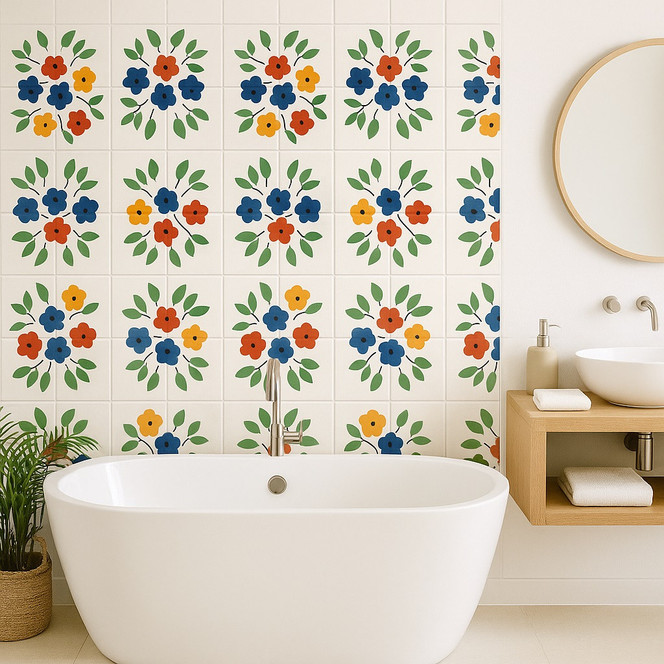
Mexican ceramic tiles have been bringing color, artistry, and architectural character to homes for centuries. Whether you are planning a complete renovation or simply looking for an easy way to refresh a room, handcrafted ceramic tiles offer one of the most versatile decorating solutions available. Their vibrant colors, intricate patterns, and artisan-made quality make them ideal for kitchens, bathrooms, staircases, patios, and countless decorative applications throughout the home. Inspired by Spanish Colonial traditions and Mexican craftsmanship, these tiles provide a timeless way to introduce personality and warmth into both traditional and contemporary interiors.

Why Mexican Ceramic Tiles Remain So Popular
Homeowners, designers, and renovators continue to choose ceramic tiles because they combine beauty, durability, and flexibility. Unlike many modern decorative materials, handcrafted Mexican tiles offer authentic character that cannot be duplicated by mass-produced alternatives.
Available in a variety of sizes including 1x1, 2x2, 4x4, and 6x6, Mexican tiles can be incorporated into projects both large and small. Their hand-painted designs and rich color palettes allow homeowners to create spaces that feel warm, inviting, and distinctive.
One of the greatest advantages of Mexican ceramic tiles is their ability to complement a wide range of architectural styles. They work beautifully in Spanish Colonial homes, Mediterranean residences, rustic farmhouses, Southwestern interiors, and even modern spaces seeking colorful accents.
Because each tile is individually crafted, subtle variations contribute to the authenticity and charm that have made Talavera and Mexican ceramic tiles admired throughout the world.
Benefits of Mexican Ceramic Tiles
- Color: Vibrant hand-painted designs
- Character: Artisan-made appeal
- Versatility: Many applications
- Authenticity: Traditional craftsmanship
- Style: Timeless decorative value
Best Places to Use Mexican Ceramic Tiles
One reason Mexican ceramic tiles remain so popular is the variety of spaces where they can be installed. Their decorative appeal makes them ideal for both functional surfaces and artistic accents throughout the home.
The most common applications include kitchen backsplashes, countertops, bathroom walls, shower surrounds, stair risers, and decorative accent walls. These areas allow homeowners to showcase the colorful patterns and handcrafted nature of the tiles while creating visually striking focal points.
Many designers also incorporate tiles into custom niches, fireplace surrounds, bar areas, and outdoor entertaining spaces. Even a small installation can dramatically enhance a room by introducing texture, color, and cultural character.
For flooring applications, ceramic tiles are often used as decorative insert tile accents between larger floor materials such as Saltillo tile or red clay pavers. This approach creates visual interest while maintaining durability in high-traffic areas.
Popular Installation Areas
- Backsplashes: Kitchen focal points
- Bathrooms: Decorative walls
- Counters: Colorful surfaces
- Stair Risers: Artistic accents
- Fireplaces: Architectural detail
- Patios: Decorative applications
Understanding Where Ceramic Tiles Work Best
While Mexican ceramic tiles are extremely versatile, understanding their ideal applications helps ensure long-term success. Handmade clay tiles are generally softer than porcelain or quarry tile, making them best suited for walls, backsplashes, countertops, and decorative surfaces.
In areas exposed to freezing conditions, homeowners should take precautions to prevent water from remaining on the tile surface during winter months. The primary concern is not the cold itself but rather the expansion of ice when moisture freezes.
For this reason, ceramic tiles should be installed carefully in climates where repeated freeze-thaw cycles occur. When used properly, however, they can provide decades of beauty and performance.
Many homeowners appreciate that ceramic tile installations are also easier to repair than large slabs of stone. If a tile becomes damaged, replacing a single piece is often far simpler and more affordable than replacing an entire countertop or stone surface.
This is especially true when working with decorative talavera tile installations, where individual pieces can often be replaced without affecting the surrounding design.
The Artistic Influence of Mexican Tile Design
Mexican ceramic tiles are renowned for their bold colors and intricate patterns. These designs reflect centuries of artistic traditions influenced by indigenous cultures, Spanish Colonial architecture, and regional craftsmanship.
The color palettes commonly found in handcrafted Mexican tile feature vibrant blues, yellows, greens, reds, and terracotta tones. These colors create visual energy while maintaining a sense of authenticity rooted in traditional decorative arts.
Homeowners seeking inspiration often find that Mexican tile serves as the starting point for an entire room design. A colorful backsplash, decorative countertop, or accent wall can influence paint colors, furnishings, textiles, and decorative accessories throughout the space.
Many of these traditional artistic influences can be seen in handmade Mexican tile designs that continue to celebrate the rich cultural heritage of Mexico.
Design Characteristics
- Patterns: Traditional motifs
- Colors: Bold contrasts
- Craftsmanship: Hand-painted details
- Heritage: Cultural influences
- Originality: Unique combinations
Creative Decorating Ideas Beyond Backsplashes
Although backsplashes and bathroom walls remain the most common uses for ceramic tiles, their decorative potential extends far beyond these traditional applications.
The beauty of relief ceramic tiles makes them ideal for framing mirrors, decorating open shelving, accenting doorways, and creating custom wall art. Their dimensional textures introduce depth and visual interest while preserving the handcrafted aesthetic.
Handcrafted tile can also be incorporated into furniture design. Dining tables featuring ceramic mosaic tops remain popular in kitchens, breakfast areas, dining rooms, patios, and outdoor entertaining spaces. These surfaces are both practical and decorative, creating an immediate focal point wherever they are placed.
Outdoor areas benefit from ceramic accents as well. Tiles can be used around fountains, fireplaces, planters, garden walls, and courtyard entrances to create an inviting atmosphere inspired by traditional Mexican architecture.
Even small decorative installations can dramatically change the appearance of a space while requiring far less effort than a major renovation.
Pairing Mexican Tiles with Rustic Home Decor
Mexican ceramic tiles blend beautifully with many other rustic design elements. Their vibrant colors and handcrafted appearance complement natural materials such as wood, stone, iron, copper, and clay.
Homeowners interested in rustic decorating often combine ceramic tile installations with vintage furnishings, artisan lighting, decorative ironwork, and handcrafted accessories. These combinations create interiors that feel warm, authentic, and welcoming.
One particularly popular pairing is the combination of Talavera tile with handcrafted copper elements. A custom discount range hood can serve as the centerpiece of a kitchen while colorful ceramic tiles provide a striking backsplash or countertop surface.
In bathrooms, Mexican ceramic tiles pair beautifully with a hand hammered copper bathtub, creating a luxurious retreat inspired by traditional Hacienda design.
Popular Material Combinations
- Copper: Warm metallic contrast
- Iron: Rustic character
- Wood: Natural warmth
- Stone: Architectural texture
- Clay: Traditional appeal
Using Tile as a Bold Statement or Subtle Accent
One of the greatest strengths of Mexican ceramic tile is its flexibility. Some homeowners choose to embrace vibrant color throughout an entire room, while others prefer to use decorative tile as a subtle accent.
A full backsplash, shower wall, or countertop installation creates a bold visual statement that immediately draws attention. Alternatively, narrow decorative borders, mirror frames, stair risers, and accent niches can introduce color without overwhelming the space.
Both approaches are equally effective. The choice ultimately depends on the desired aesthetic and the role the tile will play within the overall design.
Whether used extensively or sparingly, handcrafted Mexican ceramic tiles have the ability to transform ordinary spaces into environments filled with warmth, personality, and artistic character.
Conclusion
Decorating with Mexican ceramic tiles offers countless opportunities to enhance the beauty and individuality of a home. Their handcrafted nature, vibrant colors, and rich cultural heritage make them ideal for kitchens, bathrooms, staircases, patios, fireplaces, and decorative accents throughout the home. Whether incorporated into a large renovation or a simple decorative update, Mexican ceramic tiles provide a timeless way to introduce color, artistry, and architectural character. With so many patterns, styles, and installation possibilities available, it is easy to find the perfect tile design to complete your next home improvement project.