 US Dollar
 Euro
Euro
 Australian Dollar
 Canadian Dollar
 Polish Zloty
 British Pound

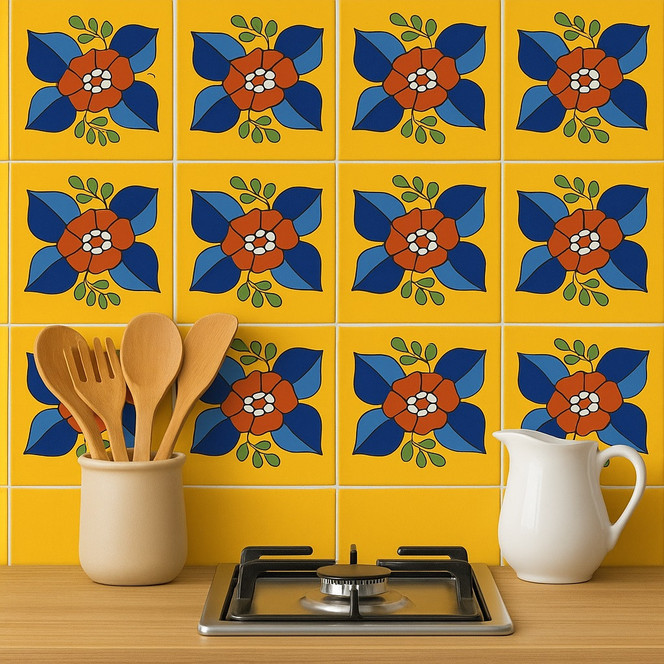
Mexican tiles have become one of the world's most recognizable decorative ceramics, admired for their vibrant colors, handcrafted quality, and remarkable versatility. While the term "Mexican tiles" refers broadly to ceramic tiles produced throughout Mexico, many homeowners associate them with the hand-painted Talavera tradition that combines Spanish artistic heritage with centuries of Mexican craftsmanship. Today, these artisan tiles are used to decorate kitchens, bathrooms, patios, stair risers, fireplaces, fountains, and countless architectural features. Their ability to bring warmth, personality, and authentic character to virtually any space has made Mexican tiles a favorite choice among homeowners, architects, and interior designers around the world.

What Makes Mexican Tiles Unique?
The phrase "Mexican tiles" includes a wide variety of handcrafted ceramic products made throughout Mexico. While production techniques and artistic styles differ from one region to another, many of the most recognizable designs are inspired by traditional talavera tiles, whose origins trace back to Spanish ceramic traditions introduced during the Colonial period.
Over generations, Mexican artisans transformed these European influences into a uniquely Mexican art form distinguished by vibrant colors, expressive brushwork, and distinctive decorative motifs. Today, authentic Mexican tiles continue to blend Old World craftsmanship with the bold creativity that defines Mexican culture.
Each handcrafted tile displays subtle variations in glaze, color, and painting, making every installation one of a kind.
Why Homeowners Love Mexican Tiles
- Craftsmanship: Handmade quality
- Color: Rich decorative palette
- Heritage: Centuries of tradition
- Versatility: Many applications
- Character: Every tile is unique
The Major Centers of Mexican Tile Production
Several regions of Mexico are known for ceramic production, but two cities have become especially important in the history of handcrafted decorative tile.
Puebla is internationally recognized as the birthplace of traditional Talavera ceramics. It was here that Spanish artisans introduced European glazing and painting techniques, creating finely detailed ceramic work that remains highly valued throughout the world. Puebla Talavera often features intricate brushwork and refined decoration, making it particularly desirable for collectors and luxury architectural projects.
Another major production center is Dolores Hidalgo in the state of Guanajuato. This city has developed a remarkable tradition of producing handcrafted ceramic products for both domestic and international markets. Local artisans create everything from decorative tiles and tableware to murals and architectural ceramics, offering exceptional craftsmanship at accessible prices.
Many of the rustic decorations exported throughout North America originate from this important ceramic region.
Recognizing Authentic Handmade Tiles
One of the easiest ways to identify genuine handcrafted Mexican tiles is by observing their individuality. Unlike factory-made ceramics that appear perfectly identical, handmade tiles naturally display small variations in brush strokes, glaze distribution, and surface texture.
These subtle differences are not flaws but evidence of artisan production. They give every wall, backsplash, fountain, or staircase a sense of authenticity that machine-made tiles cannot duplicate.
Authentic handcrafted tiles also feature rich, saturated colors produced through traditional glazing techniques and high-temperature kiln firing.
Their handcrafted appearance becomes one of the defining characteristics of rustic, Hacienda, Spanish Colonial, Mediterranean, and Mexican-inspired interiors.
Available Sizes for Every Project
Although 4x4-inch tiles remain the most widely recognized format, handcrafted Mexican tiles are available in several sizes to accommodate different architectural applications.
Small 1x1-inch and 2x2-inch pieces are popular among mosaic artists and decorative installations. Larger 6x6 Mexican tiles are frequently selected for backsplashes, feature walls, stair risers, fireplaces, patios, and architectural accents where their larger surface allows decorative patterns to stand out more prominently.
Different tile sizes may also be combined within the same project to create borders, framed designs, and custom decorative layouts.
Popular Tile Sizes
- 1x1: Mosaic projects
- 2x2: Decorative details
- 4x4: Classic Talavera size
- 6x6: Large decorative areas
- Custom: Special projects
Where Mexican Tiles Can Be Installed
One reason Mexican ceramic tiles remain so popular is their incredible versatility. Their glazed surface makes them suitable for a wide variety of decorative applications throughout both residential and commercial properties.
Kitchen backsplashes continue to be among the most common installations because colorful tile introduces warmth while protecting the wall behind cooking areas. Countertops, fireplace surrounds, stair risers, shower walls, bathroom vanities, and decorative niches also benefit from handcrafted ceramic.
In warm climates, Mexican tiles are frequently used to decorate patios, verandas, fountains, courtyards, and outdoor kitchens. Their durability allows them to perform well in many exterior vertical applications.
Many homeowners also use them around pools, water features, and architectural garden elements to introduce authentic Mexican character.
Popular Installation Areas
- Backsplashes: Kitchen walls
- Bathrooms: Shower surrounds
- Stair Risers: Decorative accents
- Fireplaces: Surround details
- Patios: Outdoor decoration
Four Major Decorative Categories
Handcrafted Mexican tiles generally fall into four broad decorative styles, each offering a distinct visual character.
The first category consists of solid-color ceramics available in both uniform and washed finishes. Washed finishes create subtle tonal variations that produce a naturally aged appearance ideal for rustic interiors.
The second category includes folk-art designs featuring flowers, suns, moons, birds, cactus, geckos, animals, trees, and other imagery inspired by Mexican culture.
Classic Colonial patterns form the third category, often using elegant geometric or floral motifs painted with a restrained color palette. Finally, richly decorated Talavera-inspired patterns combine Spanish decorative traditions with vibrant Mexican color, producing the timeless designs recognized throughout the world.
Many of these artistic styles are frequently incorporated into accenting Southern style interiors where handcrafted decoration plays a central role.
The Beauty of Traditional Color Palettes
Color has always been one of the defining features of Mexican ceramic art. Traditional palettes often combine cobalt blue, terracotta, green, yellow, white, black, and warm earth tones in carefully balanced compositions.
Some designs rely on strong geometric symmetry while others celebrate flowing floral arrangements inspired by nature. Together, these vibrant colors create interiors that feel welcoming, lively, and full of personality.
Even a relatively small installation can dramatically change the atmosphere of a room by introducing handcrafted warmth and artistic detail.
This expressive use of color remains one of the primary reasons homeowners continue to choose authentic Mexican ceramics.
Traditional Colors
- Cobalt Blue: Classic Talavera
- Terracotta: Rustic warmth
- Green: Natural balance
- Yellow: Bright highlights
- White: Elegant contrast
Perfect for Rustic and Spanish Colonial Design
Mexican ceramic tiles naturally complement a variety of architectural styles. Spanish Colonial, Hacienda, Mediterranean, farmhouse, and rustic interiors all benefit from the handcrafted quality and decorative richness these tiles provide.
They pair beautifully with natural wood beams, wrought iron lighting, handcrafted furniture, copper sinks, stone fireplaces, and plaster walls. Their versatility also allows them to serve as colorful accents inside contemporary homes where neutral backgrounds highlight artisan craftsmanship.
Whether covering an entire backsplash or framing a mirror with decorative borders, handcrafted tiles help create interiors that feel personal rather than manufactured.
The result is an environment filled with warmth, history, and timeless appeal.
Why Handmade Tiles Continue to Endure
Unlike rapidly changing decorating trends, handcrafted Mexican tiles have remained popular for centuries because they celebrate authentic craftsmanship rather than mass production. Their decorative beauty, exceptional versatility, and cultural heritage ensure they remain relevant across generations.
Each tile reflects the skill of experienced artisans who continue to preserve traditional ceramic techniques while creating products suitable for today's homes.
The combination of functionality, artistry, and durability explains why Mexican ceramic tiles continue to appear in homes, restaurants, hotels, courtyards, fountains, and architectural projects throughout the world.
True handcrafted quality never goes out of style.
Conclusion
Mexican Tiles represent one of the richest traditions in handcrafted ceramic art, combining Spanish influences with centuries of Mexican craftsmanship. Produced in renowned ceramic centers such as Puebla and Dolores Hidalgo, these artisan tiles are available in numerous sizes, colors, and decorative styles suitable for kitchens, bathrooms, stair risers, patios, fireplaces, fountains, and architectural accents. Their vibrant colors, handcrafted individuality, and remarkable versatility make authentic Mexican tiles a timeless choice for homeowners seeking warmth, character, and enduring beauty in every room.