 US Dollar
 Euro
Euro
 Australian Dollar
 Canadian Dollar
 Polish Zloty
 British Pound

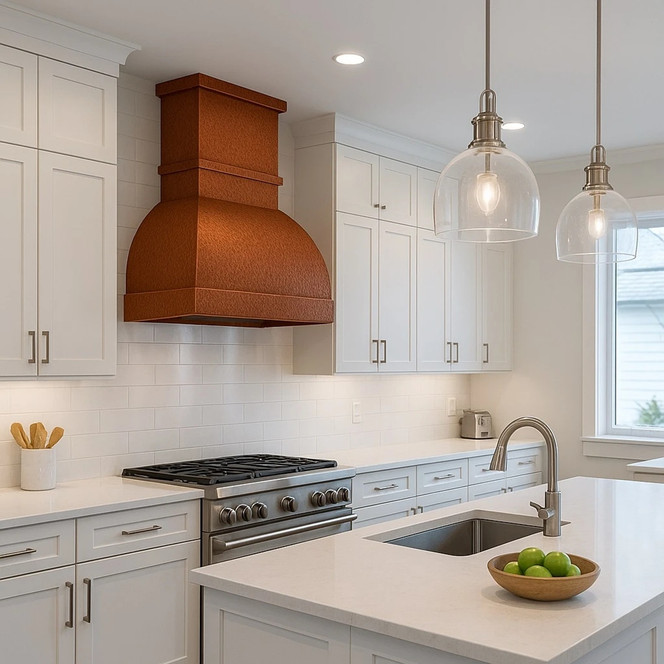
Modern Copper Range Hood with Tuscan Character brings warm metalwork, artisan patina, and old world kitchen influence into a design that feels both practical and decorative. A copper hood does more than ventilate the cooking area. It creates a focal point above the range while connecting cabinetry, stone counters, wood beams, tile backsplashes, and rustic architectural details. Tuscan inspired kitchens rely on earthy color, natural texture, and handcrafted surfaces, making copper a natural choice. With the right shape, finish, and ventilation insert, this range hood style can serve modern cooking needs while adding timeless Mediterranean warmth. Homeowners planning this look can explore a modern copper range hood when they want a cleaner shape with Tuscan warmth.
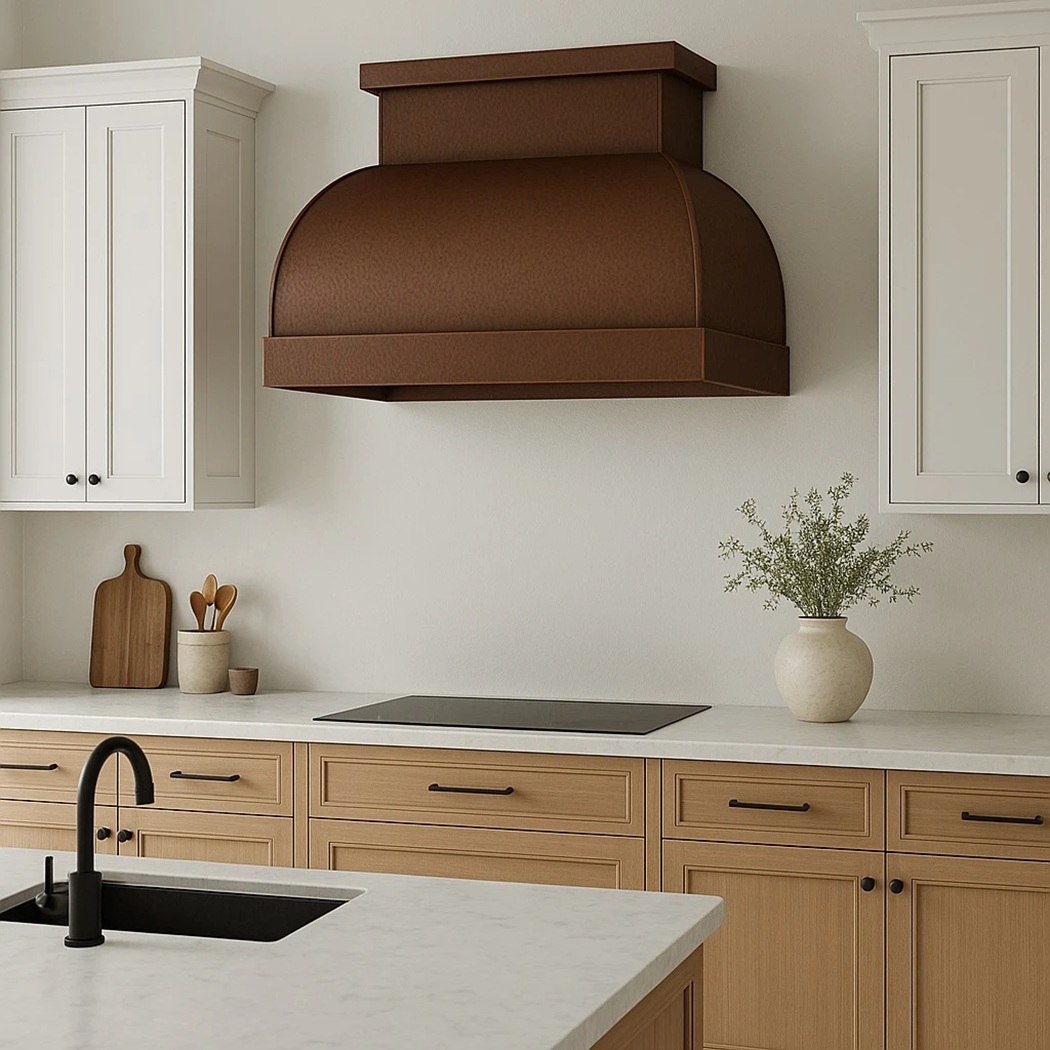
Tuscan Kitchen Character
Tuscan kitchen design is rooted in warmth, texture, and relaxed elegance. The style often includes terracotta tones, stone surfaces, wood cabinetry, plaster walls, wrought iron accents, and ceramic tile details. A copper hood fits naturally within this atmosphere because its surface carries depth and movement. The metal reflects light softly, while its patina adds the aged character associated with rustic villas and traditional cooking spaces. Instead of creating a cold appliance wall, copper introduces a handcrafted feature that feels architectural.
Copper as Centerpiece
Copper has a long history in kitchen design because it combines beauty, workability, and durability. As a range hood material, it offers strong visual impact without feeling artificial. The surface can be smooth, hammered, darkened, polished, or fire aged, allowing the hood to support many interior styles. In a Tuscan kitchen, copper becomes especially effective because it echoes the warmth of clay tile, aged wood, and natural stone. Over time, the finish develops subtle tonal variation, giving the hood a living appearance. This evolving quality helps the appliance feel less like a manufactured object and more like a permanent artisan fixture in the home.
Copper Design Benefits
- Warm artisan surface
- Natural patina movement
- Strong kitchen focal point
- Works with rustic stone
- Pairs with wood beams
Modern Functionality
A modern copper range hood must balance visual beauty with dependable kitchen performance. The hood body creates the decorative presence, while the ventilation insert handles smoke, steam, cooking odors, and airborne grease. Modern inserts can include variable fan speeds, lighting, removable filters, and quiet operation features. This allows the kitchen to remain comfortable without sacrificing the handmade look of the metal exterior. In open concept homes, efficient ventilation is especially important because cooking activity can affect nearby dining and living spaces. For broader planning, homeowners can compare custom metal range hoods before choosing the final hood material.
Shape and Proportion
The shape of the hood strongly affects how Tuscan or modern the kitchen feels. A sloped body creates a traditional canopy effect that works well above stone backsplashes and heavy ranges. A cleaner pyramidal or box inspired form can feel more contemporary while still retaining rustic warmth through copper patina. Crown moldings, lower aprons, riveted straps, and horizontal trim can make the hood more architectural. Simpler lines help the metal finish become the main design element. The best proportion depends on the cooktop width, ceiling height, cabinet placement, and desired visual weight. A well scaled hood should anchor the range wall without overpowering the room.
Common Hood Details
- Sloped copper body
- Simple crown molding
- Hammered metal texture
- Decorative apron trim
- Warm patina finish
Patina and Finish
Patina is one of the most important design choices for a copper range hood. A lighter natural finish creates brightness and highlights the metal surface. Coffee and antique finishes add depth, making the hood feel older and more rustic. Dark espresso tones work well in dramatic kitchens with stone, dark wood, and iron lighting. Polished copper feels brighter and more formal, while hammered copper brings stronger artisan texture. Tuscan kitchens often benefit from warm brown, reddish, and aged copper tones because they coordinate with terracotta, cream plaster, ochre walls, and carved wood. The finish should complement the full material palette rather than stand alone.
Tuscan Material Pairings
A copper hood with Tuscan character becomes more convincing when it is surrounded by compatible materials. Stone counters, travertine backsplashes, Saltillo floors, plaster walls, iron chandeliers, and wood beams all reinforce the regional atmosphere. Cabinetry in warm stains, cream paint, olive tones, or distressed finishes can soften the kitchen around the metal. Ceramic tile murals and patterned backsplashes also work beautifully because they add color and storytelling behind the range. A copper hood should not feel disconnected from these elements. Instead, it should create a bridge between the cooking zone, wall surface, cabinetry, and architectural features.
Ideal Pairings
- Travertine backsplash
- Warm wood cabinetry
- Iron kitchen lighting
- Terracotta floor tile
- Rustic plaster walls
Custom Fabrication
Custom fabrication allows the hood to match the exact needs of the kitchen. Width, height, depth, apron style, mounting type, texture, and finish can all be adjusted to suit the space. A kitchen with tall ceilings may need a longer chimney section, while a compact cooking wall may need a more restrained design. Island installations require different proportions than wall mounted hoods because the piece is visible from multiple sides. Handmade copper fabrication also allows details such as rivets, straps, trim bands, and patina variation to be coordinated with the home. For category comparisons, review copper range hoods in different shapes and finishes.
Historical Influence
Tuscan design draws from old villas, rural kitchens, and Mediterranean architecture where natural materials were valued for both beauty and function. Copper cookware, wrought iron hardware, stone hearths, and handmade tile all contributed to kitchens that felt layered and enduring. A modern copper hood can reference this history without copying it directly. Clean geometry, improved ventilation, and updated lighting bring the piece into today’s kitchen, while the copper surface preserves a sense of heritage. This combination creates a bridge between past and present. The hood becomes not only a working appliance but also a reminder of traditional craft and regional design.
Modern Tuscan Balance
The most successful kitchens avoid making Tuscan style feel overly heavy. A modern interpretation uses restraint, proportion, and selective details. Instead of filling the room with ornate surfaces, the design may rely on one strong copper hood, a warm backsplash, natural counters, and balanced cabinetry. This keeps the kitchen functional and comfortable while preserving its rustic personality. A cleaner hood silhouette can still feel Tuscan when the finish, texture, and surrounding materials are chosen carefully. For more visual direction, the Tuscan copper hood guide explains how copper warmth can work in updated kitchens.
Installation Planning
Installing a copper range hood requires planning before the final order is placed. The cooktop width, ceiling height, cabinet spacing, wall structure, duct route, and ventilation insert specifications should all be reviewed. Wall mounted hoods usually center above the range, while island hoods must align carefully with the cooking surface below. The installer should confirm proper mounting support and clearance above the cooktop. Lighting, filters, and duct connections also need access for maintenance. Because copper hoods are decorative as well as functional, careful installation protects the design investment. The finished piece should look centered, secure, and proportioned to the full kitchen wall.
Care and Maintenance
Copper should be cleaned gently to preserve its finish. A soft cloth and mild soap are usually enough for routine cleaning. Abrasive pads, harsh chemicals, and acidic cleaners should be avoided because they can damage or unevenly strip the patina. Grease should be removed regularly from the metal surface and ventilation filters. Some homeowners prefer to let copper age naturally, while others use wax to slow surface changes. Either approach can work as long as the care routine matches the desired look. Mechanical parts, including filters and fans, should also be maintained so the hood continues performing properly.
Care Guidelines
- Use mild soap only
- Avoid harsh cleaners
- Wipe grease promptly
- Maintain hood filters
- Protect the patina
Restaurant and Home Use
Modern copper range hoods with Tuscan character can work in residential kitchens, boutique restaurants, wine country homes, and hospitality interiors. In a private home, the hood adds warmth and identity to the cooking area. In a restaurant, it can reinforce a brand built around rustic food, Mediterranean menus, or artisan interiors. Copper is especially effective in open kitchens where the range wall is visible to guests. It communicates craft, quality, and permanence. A detailed design discussion in the modern copper hood design article shows how clean forms and patina can work together.
Final Design Guidance
Modern Copper Range Hood with Tuscan Character combines functional ventilation with the warmth of handcrafted metalwork. The design works best when the hood is scaled properly, finished in a compatible patina, and surrounded by materials that support its rustic Mediterranean influence. Stone, wood, plaster, iron, tile, and warm cabinetry can all help the copper feel integrated into the kitchen. Whether used in a traditional villa inspired space or a cleaner modern kitchen, the hood can become the defining feature above the range. With careful planning, it delivers performance, beauty, and lasting artisan character.