 US Dollar
 Euro
Euro
 Australian Dollar
 Canadian Dollar
 Polish Zloty
 British Pound

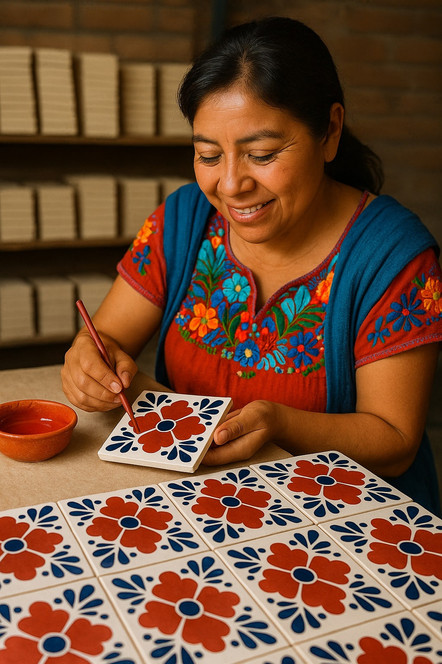
Mexican tile, Talavera tile, and Mexican Talavera tile all describe the same thing: hand painted tiles from Mexico made to bring color, heritage, and artisan character into everyday spaces. If you are planning a backsplash, an accent wall, a stair detail, or a bathroom refresh, start with our Mexican Talavera tiles collection and use this guide to understand the styles, the common terms, and the easiest ways to choose the right look for your home.
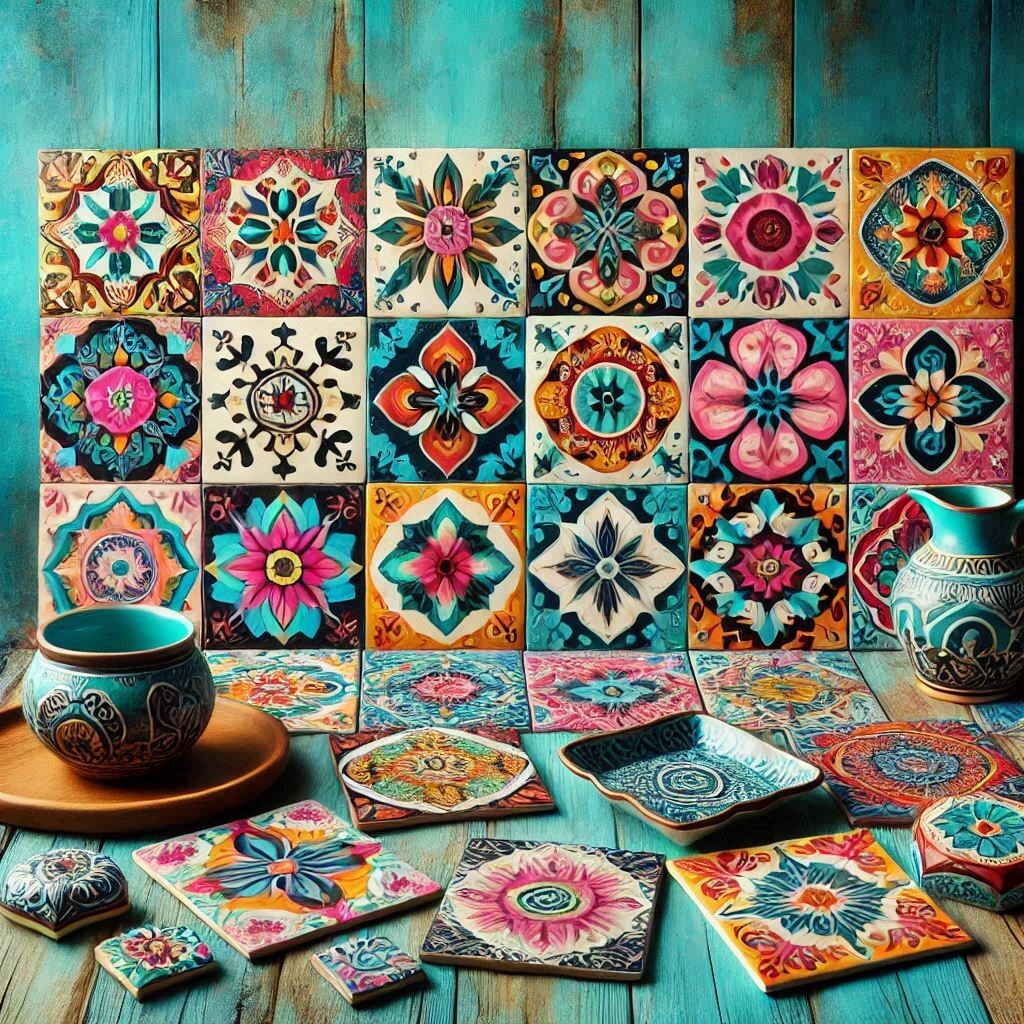
Mexican Tile, Talavera Tile, Mexican Talavera Tile
These names can feel confusing at first, but they point to one craft tradition: tiles shaped from clay, glazed, and painted by hand in Mexico. That is why people often use the terms interchangeably. You will see classic color palettes like cobalt blue, terracotta, sunny yellow, and rich green, along with floral motifs, geometric symmetry, and bold outlines that make each design read clearly from a distance. Because each tile is hand finished, you can expect small variations in brushwork and glaze movement, which is part of the charm and the reason these tiles look alive on the wall instead of printed and flat.
Why Hand Painted Mexican Tiles Feel Different
Hand painted Mexican tiles add warmth that manufactured surfaces struggle to match. The glaze has depth, the lines have personality, and the color fields often show gentle movement. In kitchens, that character makes backsplashes feel collected rather than installed. In bathrooms, it brings a spa like calm when paired with plaster, stone, or natural wood. The visual rhythm of repeated motifs also helps a space feel finished, even if the installation is a small band behind a sink or a short run above a stove. If you love interiors with soul, these tiles deliver it without needing excessive decoration.
Choosing Style by Room Mood
Before picking a specific pattern, decide what mood you want in the room. For bright, classic, and airy spaces, look for white background designs with crisp blue or blue and yellow accents. For rustic kitchens and warm bathrooms, terracotta and earthy greens feel grounded and old world. For modern homes, black and white motifs or restrained two color patterns can feel graphic and clean without losing the handmade identity. It also helps to choose one dominant pattern and then support it with simpler tiles, trims, or solid colors so the room feels curated rather than busy.
Mexican Relief Tiles for Texture
If you want dimension, sculptural shadows, and a more tactile look, explore Mexican relief tiles. Relief tiles add raised forms that catch light throughout the day, which makes them perfect for niche accents, decorative borders, and feature panels on an accent wall. They also work beautifully around fireplaces or as a framed insert over a cooktop, especially in Spanish Colonial, Mediterranean, or rustic farmhouse interiors. Use relief designs where you want a focal moment, then surround them with calmer field tile so the raised texture stays special.
Mexican Tile Patterns for Classic Repetition
Pattern tiles are the heart of many Mexican inspired interiors, and they are ideal for backsplashes, stair risers, and accent walls. Browse Mexican tile patterns when you want a repeatable motif that creates a strong rhythm across a surface. Pattern tiles can read playful, formal, or architectural depending on scale and palette. A tight geometric pattern feels structured and tailored, while floral scrolls feel romantic and traditional. If you are unsure, choose a pattern that looks good both up close and from across the room, because you will experience it from many angles.
Mexican Tile Murals for Storytelling
Murals turn tile into artwork. Instead of a repeating motif, mural tiles create a scene or a composed image that anchors a kitchen or bathroom like a framed painting. Explore Mexican tile murals if you want a centerpiece behind a range, above a bathtub, or as a statement wall in a courtyard kitchen. Murals pair well with simple surrounding materials like plaster, stone, or solid color tiles, because the scene should remain the hero. They also look great when framed with a trim molding to create a clean border between the art and the field tile.
Mexican Tile Mix Lots for Collected Charm
If you love the look of a space that feels curated over time, mixed tile lots are a perfect fit. Look at Mexican tile mix lots for a ready made variety of patterns that work together. These are especially popular for small backsplashes, powder rooms, and accent panels where you want a patchwork feel without having to design every pairing from scratch. A useful approach is to keep your surrounding surfaces calm, then let the mix become the visual energy. Pair it with warm wood shelves, simple grout lines, and understated hardware so the mix reads intentional.
Solid Color Mexican Tiles for Balance
Pattern is exciting, but balance is what makes a design feel finished. Use Mexican solid color tiles to support patterned areas and give the eye a place to rest. Solid tiles are ideal for large shower surrounds, wide wall fields, and kitchen walls where you want color without busy repetition. They also make it easier to integrate patterned borders or mural inserts. If you are building a palette, start with one or two core solids, then introduce pattern as an accent so the overall result feels cohesive.
Trims and Moldings for Finished Edges
The difference between a good installation and a great installation is often the edge detail. Use Mexican tile trims to frame backsplashes, cap half walls, outline mural scenes, and finish exposed edges cleanly. Trims help your tilework look architectural, not improvised. They also create a natural transition between tile and plaster, tile and paint, or tile and stone. If you want an old world look, choose trims that echo classic molding lines. If you want a simpler modern finish, use a restrained trim profile and let color do the work.
Mexican Tile Numbers for Addresses and Signs
Tile is not only for kitchens and bathrooms. It is also a beautiful way to add personality to entryways, courtyards, and exterior walls. See Mexican tile numbers for house numbers that feel handcrafted and welcoming. These are especially fitting for Spanish style homes, hacienda courtyards, and Mediterranean facades, but they also look great on modern homes that want one warm artisanal detail. Pair tile numbers with black iron hardware, stone walls, or painted plaster for a classic look that stands out without feeling loud.
Color Planning That Prevents Visual Clutter
Mexican Talavera tile is rich in color, so planning is your best tool. A simple rule is to limit your main palette to two or three dominant colors, then allow small accents to appear in thin outlines or tiny dots. If you are using a complex pattern, keep surrounding surfaces neutral, like warm white plaster, soft gray stone, or natural wood. If you want more color overall, consider solid color tiles on large areas and use patterns only for borders and highlights. Grout color matters too, because high contrast grout can make patterns look busier, while a closer match keeps the surface calmer.
Kitchen Ideas for Mexican Talavera Tile
In kitchens, these tiles shine as backsplashes, stove surrounds, and accent bands behind open shelves. A patterned backsplash can become the kitchen focal point, especially when paired with simple cabinet fronts and understated hardware. For a bolder look, frame a mural behind the range and surround it with solid color tiles that match one or two mural tones. If you want a softer result, use patterned tile only on the cooktop wall and keep other walls neutral. Mexican tile also pairs beautifully with copper accents, rustic wood beams, and wrought iron lighting, creating a layered, heritage inspired feel that still works in updated homes.
Bathroom Ideas for Mexican Talavera Tile
Bathrooms are perfect for Mexican tile because the room scale allows a strong pattern without overwhelming the home. Use a patterned backsplash behind the vanity mirror, create a border around a shower niche, or install a solid color field with patterned accents at eye level. For a spa like mood, pair soft blues and whites with natural stone floors and warm wood shelving. For a bold hacienda look, use terracotta and green patterns with plaster walls and iron hardware. If you prefer a modern edge, keep the installation minimal and let one striking pattern tile panel do all the talking.
Outdoor and Courtyard Uses
Mexican tile belongs outdoors too, especially in covered patios, courtyard kitchens, and garden walls. Consider tile accents around an outdoor sink, a bar front, or a fountain surround. For stairs and terraces, patterned tiles add life and color that feels authentic to Spanish Colonial and Mediterranean architecture. Because outdoor surfaces see more dirt and weather, choose designs that look even better with a bit of lived in character. Pair tile with stone, stucco, and iron for a cohesive exterior that feels handcrafted and welcoming.
Pattern Mixing Without Chaos
Mixing patterns can look incredible when done with restraint. If you are combining multiple patterns, keep one element consistent, such as a shared outline color or a repeated background tone. Another approach is to mix one complex motif with one simpler motif, then use solid color tiles between them to create breathing room. If you are using a mix lot, treat it like a gallery wall: keep the surrounding materials calm, and avoid adding competing textures like busy granite or heavily veined stone right next to the tile field.
Installation Notes That Matter
Good tilework starts with planning layout and edges. Decide early where patterns will land, how borders will align with cabinets or mirrors, and how trims will finish corners. Center key motifs where the eye naturally rests, like behind a faucet or in the middle of a cooktop wall. If you are framing a mural, confirm the finished dimensions and leave proper space for the border. For kitchens and wet areas, use quality setting materials and follow standard tile installation practices so the tile remains stable and beautiful over time.
Care and Maintenance Basics
Talavera style glazed tiles are generally easy to care for in daily life. Wipe with a soft cloth and mild soap, and avoid harsh abrasives that can dull the glaze over time. In kitchens, clean grease buildup before it becomes sticky, especially near the range. In showers, wipe water spots to keep the surface bright. For grout, use a gentle cleaner and consider sealing grout lines where staining is likely. With basic care, hand painted tiles keep their color and charm for many years, and the small variations in glaze continue to look intentional and artisan made.
How to Choose the Right Mexican Tile Style
Start with your room style and your tolerance for visual energy. If you love bold statement interiors, go for full pattern fields or a mural focal point. If you prefer calm spaces, choose solid colors with a small patterned band or a framed accent. If you want texture and shadow, relief tiles are the answer. If you want a collected look, use mix lots. If you want a polished architectural finish, plan trims and moldings from the start. The best choice is the one you will enjoy every day, because these tiles become part of your home story.
Conclusion
Mexican tile, Talavera tile, and Mexican Talavera tile all mean one thing: hand painted tiles from Mexico that bring color, heritage, and artisan personality into kitchens, bathrooms, and outdoor spaces. The links shared here represent different styles and forms of Mexican tiles, from relief tile textures and pattern tile designs to mural tile scenes, mix tile lots, solid color tiles, tile trim moldings, and tile house numbers. Choose the format that fits your space, then let the handmade character do what it does best: make the room feel alive.