 US Dollar
 Euro
Euro
 Australian Dollar
 Canadian Dollar
 Polish Zloty
 British Pound


Choosing an artisan range hood is not simply a matter of selecting an appliance—it is a decision about material, proportion, and long-term character. This artisan hammered copper hood reflects traditional metalworking techniques adapted for today’s kitchens, where performance and aesthetics must work together. A well-made copper hood balances visual weight, surface texture, and effective ventilation, becoming a functional centerpiece rather than a decorative afterthought. This guide explains how artisan hammered copper hoods are built, how they function, and how to integrate them thoughtfully into different kitchen styles.
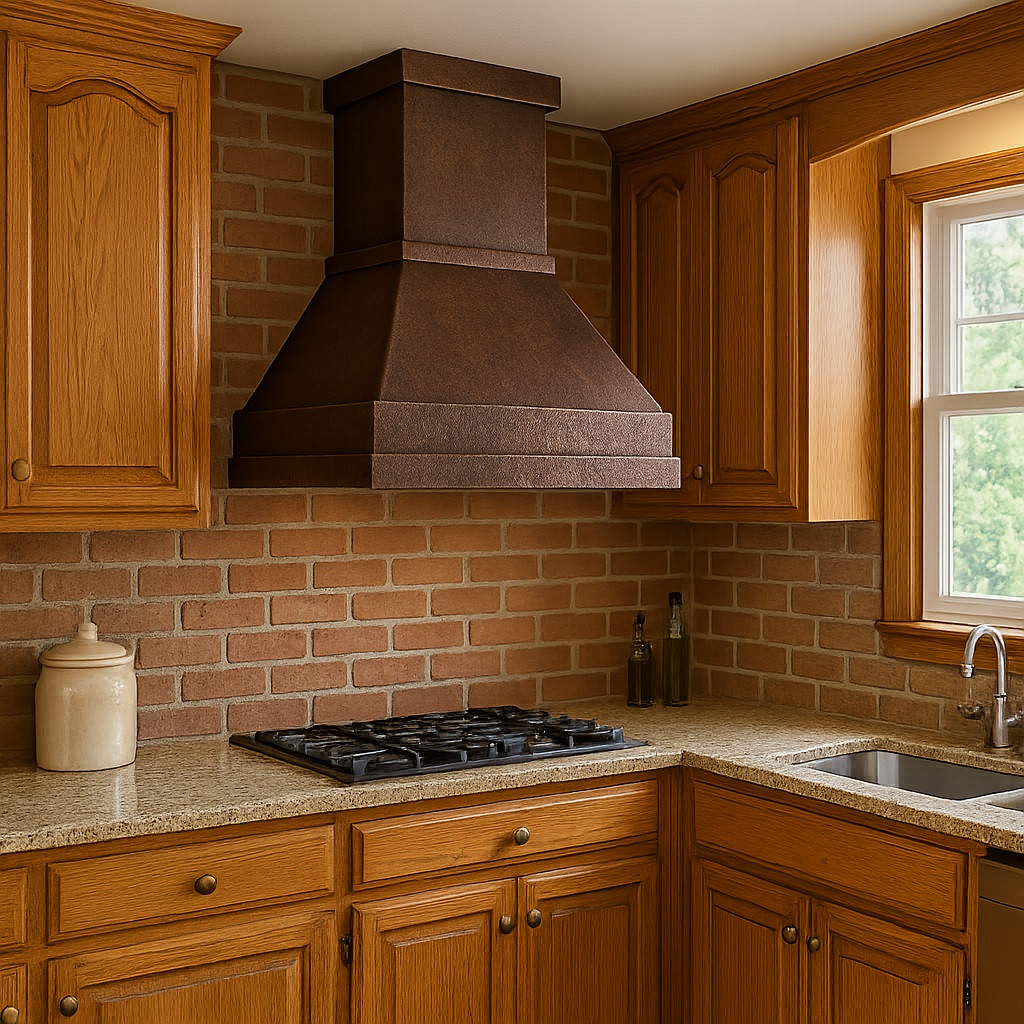
Artisan Craftsmanship
An authentic artisan copper hood begins with flat sheets of raw copper rather than pre-formed components. Skilled coppersmiths shape the metal by hand over solid forms, gradually building structure and strength through repeated hammering. Each hammer strike is deliberate, contributing both to durability and surface character. This process ensures that no two hoods are ever identical, preserving the individuality that defines true handcrafted work. Unlike factory-produced metals, artisan copper carries visible evidence of human skill, giving the finished hood depth that cannot be replicated mechanically.
The Role of Hammered Texture
Hammered copper changes how light interacts with the surface, creating a softer, warmer visual effect than smooth metal. Instead of reflecting light evenly, the small facets created by hammering scatter highlights across the hood, reducing glare and emphasizing texture. Over time, everyday contact blends naturally into this surface, making fingerprints and minor marks far less noticeable. Rather than showing wear, hammered copper develops character, allowing the hood to age gracefully as part of the kitchen environment.
Material Depth and Natural Aging
Copper is a living material that responds to air, heat, and moisture, slowly developing color variations that add richness rather than deterioration. Some homeowners prefer allowing copper to age naturally, embracing gradual shifts in tone and patina. Others choose stabilized finishes that maintain a more consistent appearance over time. Both approaches offer durability and visual interest, with the choice depending on how much natural evolution the owner wishes to see. Either way, copper gains depth as it ages, enhancing rather than diminishing its appeal.
Design Language Across Kitchen Styles
Artisan hammered copper hoods adapt easily to a wide range of kitchen designs without losing their identity. In traditional kitchens, curved silhouettes and textured surfaces reinforce classic materials such as wood and stone. Transitional spaces benefit from balanced proportions and restrained detailing, allowing copper to bridge traditional and contemporary elements. Rustic interiors welcome heavier textures and deeper patinas, while modern kitchens use copper as a contrasting focal point against clean lines and minimal surfaces. The material’s versatility lies in its ability to complement diverse settings while remaining unmistakably copper.
Silhouette and Architectural Presence
The silhouette of a range hood determines how it functions visually and practically within the kitchen. Bell-shaped designs feel soft and historic, often associated with traditional or European-inspired interiors. Tapered forms emphasize verticality and refinement, while straight-wall hoods convey a bold, modern presence. Each shape also affects how effectively the hood captures rising heat and steam. Proper depth and height are essential, ensuring the hood performs efficiently while maintaining balanced proportions within the room.
Proportion as a Mark of Custom Work
Careful proportion is what separates a truly custom hood from a generic installation. The hood should extend beyond the width of the cooktop to ensure adequate capture, while depth must cover the front burners fully. Chimney height should correspond to ceiling scale, preventing the hood from appearing undersized or overpowering. When proportions are planned correctly, airflow improves and the hood appears naturally integrated into the kitchen rather than added as an afterthought.
Ventilation Planning and Performance
While appearance draws attention first, effective ventilation defines long-term satisfaction. Copper handles sustained heat without warping or fatigue, making it well suited for high-use kitchens. Proper capture depth prevents lingering odors and reduces grease accumulation on surrounding surfaces. Successful ventilation depends on early planning, including airflow requirements, insert compatibility, and duct routing, rather than relying solely on powerful hardware to compensate for poor design.
Insert Compatibility and Internal Geometry
Vent inserts vary widely in size, control placement, and airflow capacity, all of which influence hood construction. Some inserts require front-facing controls, while others conceal controls internally. Insert depth directly affects the hood’s internal geometry, making early selection essential. Choosing an insert before fabrication prevents costly adjustments later and ensures that airflow paths remain efficient and unobstructed.
Ducted Ventilation Systems
Ducted systems exhaust air outdoors, removing heat, moisture, and odors most effectively. They are especially beneficial for kitchens that involve frequent or high-heat cooking. Straight duct paths maximize efficiency, while excessive bends reduce performance. Planning duct routes early allows the hood to be designed around real conditions rather than theoretical layouts, improving both function and installation ease.
Recirculating Ventilation Options
Recirculating systems filter air before returning it to the kitchen, making them suitable for spaces where exterior venting is not possible. These systems rely on charcoal filters to manage odors and grease filters for particulates, both of which require regular maintenance. While recirculating setups work well for light cooking patterns, expectations should remain realistic. Proper planning helps ensure that performance aligns with lifestyle needs.
Finish Selection and Patina Control
Artisan copper accepts a wide range of finishes, from bright polished surfaces to deep, aged patinas. Natural copper gradually darkens and softens with use, while antique finishes reduce contrast from the start. Dark patinas add architectural weight, and green patinas evoke historic character. Some finishes are chemically stabilized to limit change, while others are intentionally left untreated to evolve naturally. The best choice reflects both aesthetic preference and maintenance expectations.
Trim Elements and Visual Direction
Trim details play a significant role in defining the hood’s stylistic direction. Rivets emphasize handcrafted construction, while straps introduce vertical rhythm and structure. Flanges frame the canopy edges, adding definition, and crown moldings lend classical refinement. Minimal trim suits contemporary kitchens, while more ornate detailing complements traditional interiors. Selecting a restrained combination of elements prevents visual clutter and maintains coherence.
Mounting Styles and Structural Considerations
Wall-mounted hoods integrate easily with cabinetry and allow for strong vertical composition through the chimney. Island-mounted hoods, visible from all sides, require consistent finishing and additional structural support. Ceiling height plays a critical role in island installations, influencing both proportions and capture effectiveness. Choosing the appropriate mounting style early ensures structural integrity and visual balance.
Lighting Integration
Integrated lighting improves both functionality and ambiance. Warm-toned lighting complements copper’s natural hues, while thoughtful placement prevents glare on cooking surfaces. Task lighting should illuminate cooktop edges clearly, and controls must remain accessible. Addressing lighting during fabrication avoids retrofit challenges and ensures seamless integration.
Maintenance and Everyday Care
Copper requires surprisingly little maintenance. Regular cleaning with mild soap and water keeps the surface clean, while a soft cloth prevents scratching. Harsh chemicals should be avoided, as they can strip finishes or damage patina. Whether polished regularly or allowed to age naturally, copper rewards consistent care with longevity and character rather than demanding perfection.
Key Considerations at a Glance
- Hand-hammered copper creates depth and surface variation
- Proper proportions improve airflow and visual balance
- Early insert selection prevents fabrication conflicts
- Duct layout directly affects ventilation efficiency
- Finish choice influences aging behavior
- Trim elements define stylistic direction
- Mounting type affects structure and symmetry
Kitchen Styles and Copper Integration
Traditional Kitchens
Traditional kitchens benefit from curved forms and textured surfaces that echo classic materials. Hammered copper pairs naturally with wood cabinetry and stone counters, grounding the space visually. The hood becomes a focal anchor that reinforces timeless design rather than competing with it.
Transitional Kitchens
Transitional kitchens balance traditional warmth with modern restraint. Copper bridges these influences effectively when trim remains simple and texture is moderate. The result feels intentional and cohesive, allowing the hood to enhance the space without dominating it.
Rustic Interiors
Rustic kitchens welcome heavier textures and natural imperfections. Hammered copper complements reclaimed wood, exposed beams, and earthy materials, reinforcing craftsmanship as a design theme. In these spaces, patina feels authentic rather than styled, becoming part of the story.
Modern Contrast
In modern kitchens, copper serves as a deliberate contrast to clean lines and smooth surfaces. Minimal trim and clear geometry allow the hood to read as sculptural rather than decorative. Copper softens otherwise rigid interiors, adding warmth without sacrificing clarity.
Longevity and Value
Copper does not rust, peel, or chip, and surface wear contributes to patina rather than damage. A well-crafted copper hood ages alongside the home, eliminating the need for replacement. This longevity supports long-term value, making artisan copper an investment rather than a trend-driven choice.
Why Choose Artisan Construction
Artisan construction preserves material honesty and visible process. Each hood reflects individual craftsmanship, retaining human presence that mass production removes. This authenticity is central to copper’s appeal, offering character that cannot be replicated by factory methods.
Related Copper Hood Collections
To explore additional silhouettes and finishes, browse the broader copper range hoods collection. Limited availability options may also appear in the range hood sale section when offered.
Final Thoughts
An artisan hammered copper hood does more than ventilate—it defines the kitchen’s visual center. With proper planning, balanced proportions, and authentic materials, copper becomes timeless rather than trendy. When executed thoughtfully, an artisan hood integrates seamlessly into the home, delivering performance, character, and enduring presence.