 US Dollar
 Euro
Euro
 Australian Dollar
 Canadian Dollar
 Polish Zloty
 British Pound

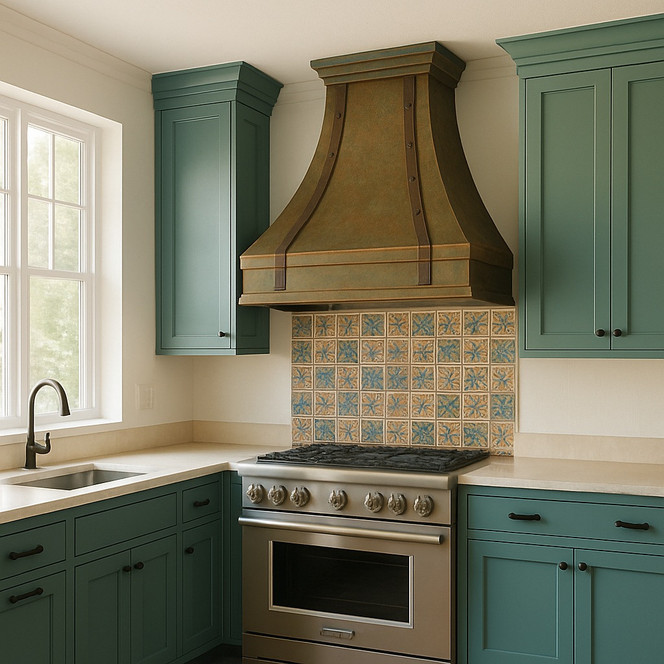
A handcrafted copper vent hood brings warmth, depth, and timeless character to a kitchen in ways few materials can match. The handcrafted aged copper vent hood reflects centuries of metalworking tradition while meeting the practical demands of modern cooking. Its rich patina, subtle surface variation, and solid construction make it both a functional ventilation solution and a defining architectural element within rustic, transitional, and old-world kitchens.

Unlike mass-produced stainless steel options, an aged copper hood evolves visually over time, developing depth and nuance as the surface interacts with light, air, and daily use. This guide explores how aged copper vent hoods are made, how they perform, and how to integrate them seamlessly into kitchen designs that value craftsmanship, authenticity, and long-term beauty.
The Appeal of Aged Copper in Kitchen Ventilation
Aged copper has an unmistakable visual language. Its softened tones, darkened highlights, and organic variation create a sense of permanence that polished metals cannot replicate. In kitchen ventilation, this quality is especially powerful because the range hood naturally becomes the focal point above the cooktop. An aged copper finish allows that focal point to feel intentional and grounded rather than flashy or overly modern.
The aged finish is not simply cosmetic. It is the result of controlled patination techniques that stabilize the copper surface while preserving its natural ability to mature gracefully. Over time, subtle shifts in tone enhance rather than detract from the original finish, making the hood feel more personal with age.
Handcrafting Techniques Behind an Aged Copper Vent Hood
True handcrafted copper vent hoods are formed using traditional metalworking methods that rely on skill rather than automation. Sheets of heavy-gauge copper are cut, shaped, and assembled by hand, allowing artisans to control proportions, seams, and structural integrity at every stage.
The aged patina is applied through a multi-step process that may include heat treatment, mineral solutions, and controlled oxidation. Each step is carefully monitored to ensure consistency while still allowing natural variation. This balance between control and organic outcome is what gives aged copper its distinctive character. Not sure which look fits your kitchen? Explore our copper patina finish options.
Why Aged Copper Works So Well Above the Cooktop
Kitchens are environments of heat, moisture, and movement. Copper performs exceptionally well under these conditions due to its natural resistance to corrosion and its ability to dissipate heat efficiently. When used in a vent hood, copper maintains structural stability while aging gracefully rather than deteriorating.
From a visual standpoint, aged copper softens the vertical mass of a hood. Instead of appearing bulky or industrial, the surface absorbs light and blends harmoniously with surrounding materials such as wood, stone, plaster, and tile.
Design Styles That Benefit from an Aged Copper Hood
Rustic and Farmhouse Kitchens
In rustic kitchens, aged copper reinforces the sense of authenticity. Paired with reclaimed wood beams, natural stone backsplashes, and handcrafted cabinetry, the hood feels like an integral part of the architecture rather than an added appliance.
Spanish Colonial and Mediterranean Interiors
Aged copper resonates deeply with Spanish Colonial and Mediterranean design traditions. The warm patina complements terracotta tile, plaster walls, and arched openings, echoing the materials historically used in haciendas and villas.
Transitional Kitchens
Transitional spaces benefit from aged copper’s ability to bridge traditional and contemporary elements. Clean cabinetry lines gain warmth and depth when anchored by a softly patinated copper hood.
Ventilation Performance and Functional Planning
While aesthetics often draw attention first, proper ventilation performance is essential. A handcrafted copper hood must be proportioned correctly to capture heat, steam, and grease effectively. Hood width typically matches or slightly exceeds the cooktop width, while depth influences capture efficiency.
The internal structure is designed to accommodate a wide range of blower inserts, allowing homeowners to select airflow capacity based on cooking habits. Whether the hood is ducted or configured for recirculation, proper planning ensures performance matches the hood’s visual presence.
Key Planning Considerations
- Cooktop width and heat output
- Hood depth for effective vapor capture
- Ducted versus recirculating ventilation
- Ceiling height and chimney proportions
- Insert compatibility and control placement
- Lighting integration beneath the hood
Patina Stability and Long-Term Aging
One of the most common questions about aged copper is how the finish changes over time. A professionally applied aged patina is stabilized to slow dramatic color shifts while still allowing subtle evolution. This means the hood retains its original character while gaining depth rather than developing uneven discoloration.
Unlike painted finishes, copper patina does not peel or chip. Minor surface marks blend naturally into the finish, enhancing rather than detracting from the overall appearance.
Maintenance and Daily Care
Maintaining an aged copper vent hood is straightforward. Routine care typically involves wiping the surface with a soft cloth and mild soap when needed. Abrasive cleaners should be avoided, as they can disrupt the patina.
Many homeowners choose to let the copper age naturally with minimal intervention, while others apply a light wax periodically to preserve the existing finish. Both approaches are valid and depend on personal preference.
Installation Considerations
Installation planning is critical for custom copper hoods. Measurements must account for cabinet clearances, duct alignment, and structural support. Due to the weight of solid copper construction, proper mounting is essential to ensure long-term stability.
Coordination between fabricator, installer, and ventilation supplier helps avoid adjustments during installation and protects the finished surface.
Why Handcrafted Copper Hoods Outperform Mass-Produced Alternatives
Mass-produced hoods prioritize uniformity and cost efficiency. Handcrafted copper hoods prioritize proportion, material integrity, and longevity. The difference becomes apparent not only in appearance but also in how the hood integrates into the kitchen as a lasting architectural element.
Aged copper does not follow trends. It matures alongside the home, making it a long-term investment rather than a short-term design choice.
Conclusion: Timeless Craftsmanship in Copper Ventilation
A handcrafted aged copper vent hood combines artistry, durability, and functional performance into a single centerpiece. It supports serious cooking while elevating the entire kitchen with warmth and depth that only real copper can provide.
For those exploring broader options, view the full metal range hood collection or browse the complete selection of copper range hoods to find the style, proportions, and finish that best suit your space.