 US Dollar
 Euro
Euro
 Australian Dollar
 Canadian Dollar
 Polish Zloty
 British Pound

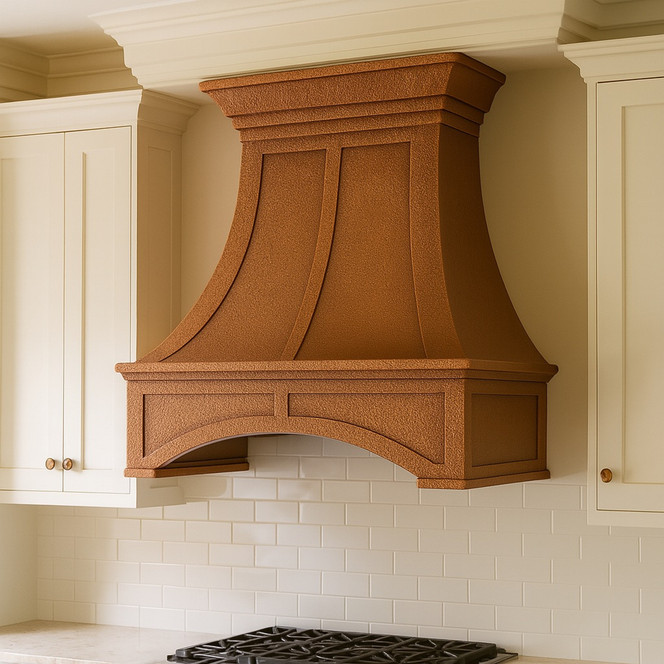
This hand-hammered bell copper range hood blends sculptural form with artisan texture, creating a centerpiece that elevates classic, rustic, and transitional kitchens. Its warm patina, soft curves, and detailed hammering show true craftsmanship rather than mass production. The hood balances graceful proportions with reliable function, making it ideal for design-focused homes. To explore specifications and purchase details, visit this hand hammered bell hood and discover how a crafted copper piece can define your kitchen.
Design Identity
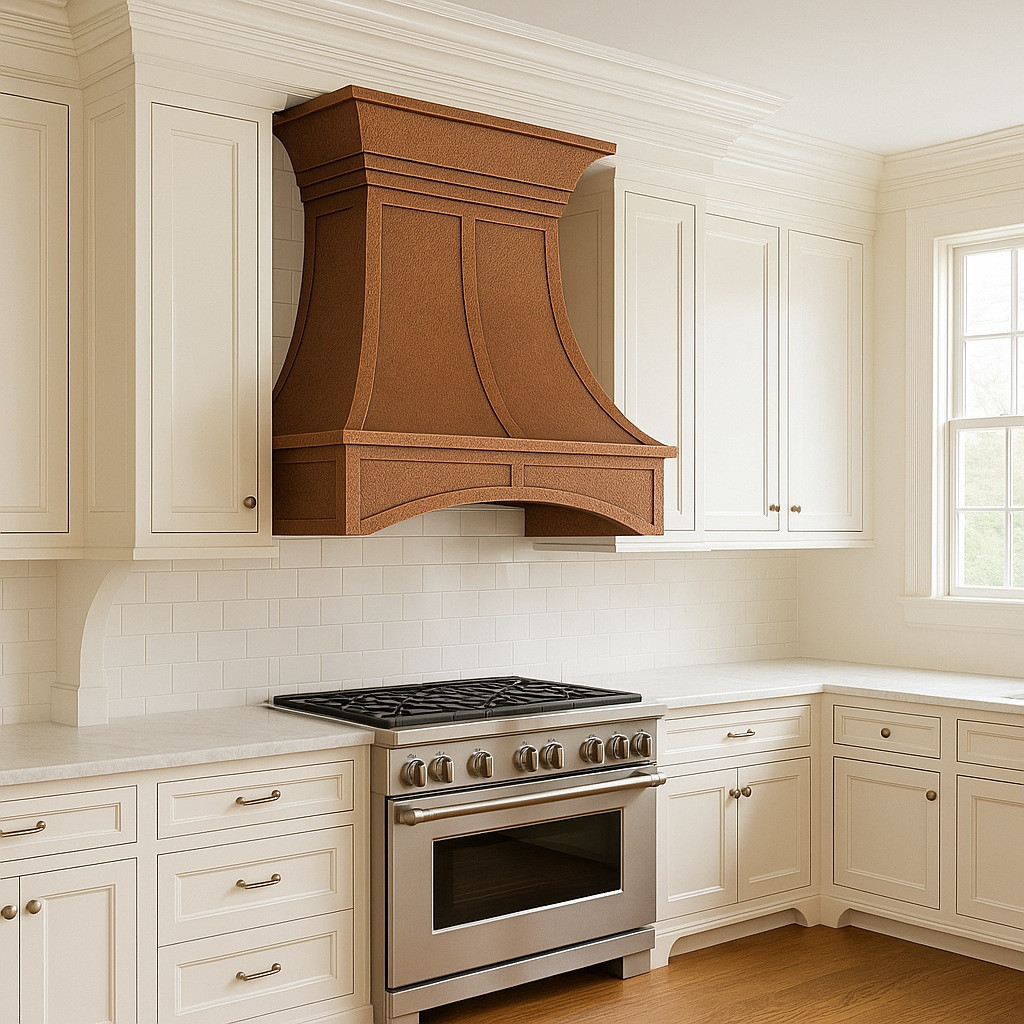
The bell-shaped copper hood carries a timeless profile recognized across Spanish Colonial, Tuscan, farmhouse, and early American kitchens. The shape widens at the base, curves upward in a soft arc, and narrows at the chimney. This silhouette draws the eye upward, creating an architectural lift that feels both historic and sculptural. The curvature has functional benefits too. The broad lower aperture improves air capture while the tapered rise directs smoke upward with smooth movement. This design remains one of the most iconic forms in decorative copper ventilation, admired for its balance, fluidity, and dimensional presence. Each hammered stroke adds character, enhancing the hood’s natural glow and deepening the patina's life through shifting light.
Artisan Hammering
The hand-hammered texture distinguishes this hood from machine-pressed alternatives. Every dimple is created individually, following a rhythmic pattern shaped by the artisan’s experience. Hammering not only enriches the aesthetic but also hides minor scratches, reflects light in subtle ways, and helps deepen the patina as it ages. Over time, the surface develops complexity, offering a soft interplay between highlights and shadows. True hammering is irregular by nature, giving each hood its own recognizable identity. Slight variations in pattern, texture, and coloration mark the hood as a handcrafted work rather than an industrial product. This bespoke quality aligns with authentic Colonial craftsmanship, where surface variation was part of the artistry rather than an imperfection.
Copper Patina
Copper’s natural patina is one of its most appealing qualities. With exposure to moisture, oils, and everyday kitchen activity, the surface slowly evolves. The hand-hammered bell hood typically begins with a medium to dark antique finish, showing warm chestnut undertones. As months pass, soft highlights emerge where light frequently hits the metal, while recessed areas deepen to create visual contrast. This living surface offers a dynamic presence impossible to replicate with painted finishes. Homeowners who prefer a stable patina can apply a thin coat of natural wax a few times per year. Those who enjoy copper’s natural transformation may let the patina develop freely, revealing a narrative of use and time. In both cases, the hood becomes increasingly beautiful as it ages.
Architectural Compatibility
The bell copper hood bridges multiple design categories with ease. In farmhouse kitchens, its warm tones complement reclaimed beams, soft whites, and rustic wood textures. In Mediterranean homes, the hood's curves echo arched doorways, stucco surfaces, and terracotta tiles. In Colonial settings, the hammered finish and antique patina provide a sense of lived history. Even in transitional or modern spaces, the smooth curvature brings organic relief to straight cabinetry lines. Copper naturally pairs with stone surfaces including marble, granite, quartzite, and soapstone. It also harmonizes with wood tones ranging from light oak to deep walnut. Its versatility gives designers freedom to integrate the hood within varied interior palettes, from warm neutrals to bold, dark contrasts.
Bullet Highlights
- Hand-hammered by artisans
- Classic curved bell shape
- Warm evolving patina finish
- Fits rustic or modern kitchens
- Ideal for large cooktops
- Custom widths available
Performance Strength
Behind its sculptural presence, the hood offers strong ventilation capacity when paired with the right insert. Most homeowners select blower units ranging from 600 to 1200 CFM depending on cooking habits and stove size. The bell design improves suction efficiency by directing air toward the center of the hood and preventing upward escape. Stainless steel baffle filters trap grease effectively, ensuring that the copper surface stays clean and protected. Good ventilation helps maintain indoor air quality by reducing smoke, airborne oils, and lingering odors. Proper installation height—typically 30 to 36 inches above the range—improves performance and maintains a balanced appearance. With its generous capture area, this hood is particularly effective over gas ranges, commercial-style ovens, and wide cooktops.
Customization Options
Every hand-hammered bell hood can be tailored to fit your kitchen dimensions, ceiling height, and design requirements. Widths commonly range from 30 to 72 inches, though larger custom sizes are available. Height adjustments can accommodate low, standard, or vaulted ceilings. Homeowners may choose from smooth or hammered textures, decorative bands, exposed rivets, or minimalist finishes. Patina options include natural fired, light antique, dark brown, or blackened copper. Each modification shifts the hood's personality—from rustic to refined, from ornate to understated. Decorative moldings, apron accents, and edge details further enhance the design. Whether the goal is a bold focal point or a harmonious element that blends into the layout, customization ensures the hood fits the room precisely.
Installation Considerations
Installing a bell copper range hood requires planning to ensure structural stability and optimal ventilation. Wall-mounted hoods must secure into studs or reinforced framing. Island models require a ceiling support structure that distributes weight safely. Ducting should run as directly as possible to the exterior to maintain efficient airflow. When direct ducting is impossible, recirculating systems with charcoal filters offer an alternative, though they provide different performance. Electric requirements depend on the chosen blower insert, and LED lighting options are often integrated to improve cooking visibility. Homeowners working with preexisting cabinetry must measure carefully to get the right fit. A professional installer is always recommended to protect the hood’s structure and ensure correct alignment.
Kitchen Styling With Copper
Designers often use copper as a unifying accent across kitchen elements. A bell copper hood pairs beautifully with matching copper sinks, pendants, cabinet hardware, or cookware. Even small copper details can create cohesion when thoughtfully arranged. For bold interiors, contrast copper with deep navy cabinetry, black fixtures, or charcoal stone. For softer palettes, layer it with creamy tones, warm woods, and textured fabrics. In modern kitchens, the hood’s curve softens geometric surfaces. In rustic or farmhouse layouts, the hammered texture reinforces an earthy, handcrafted theme. Copper adapts to nearly any lighting style—warm LEDs enhance its golden tones, while natural daylight reveals subtle patina variations throughout the day. Because copper ages naturally, its evolving finish adds depth to both old and new interiors.
Longevity and Care
Copper’s durability makes it ideal for kitchen environments. Its resistance to corrosion ensures that steam, humidity, and cooking oils do not degrade the metal. The hammered surface conceals imperfections and makes minor scratches nearly invisible. Regular care requires only mild soap, warm water, and a soft cloth. Avoid abrasive cleaners or scrub pads. A thin layer of beeswax, applied every few months, preserves the patina and enhances the metal's luster. If the homeowner prefers a darker aged look, wax slows patina change. If a brighter tone is desired, gentle polishing can lift the surface lightly. Copper’s low-maintenance nature contributes to its long lifespan, making it a practical investment as well as an aesthetic one.
Environmental Benefits
Copper is a sustainable material with a long recycling history. Many handcrafted copper hoods use recycled copper sheets, reducing environmental impact during production. Copper’s longevity means fewer replacements over time, which lowers resource consumption. Its antimicrobial properties also create a naturally cleaner environment, decreasing reliance on chemical disinfectants. When paired with energy-efficient LED lighting and a well-designed ventilation system, the hood contributes to a healthier and more environmentally mindful kitchen. As homeowners increasingly prioritize sustainability, copper remains a responsible and attractive choice for long-term design.
Why Choose a Bell Hood
The bell copper range hood blends the romance of Old World craftsmanship with the function required by modern cooking. It brings sculptural elegance to an everyday appliance, turning ventilation into a design feature. The shape is timeless yet adaptable, responding gracefully to rustic, transitional, and contemporary settings. The hand-hammered texture offers a tactile story of craftsmanship, while the evolving patina ensures the hood never looks flat or manufactured. This hood is not merely a functional tool but a signature architectural moment, changing the atmosphere of the kitchen with its presence. Homeowners choose it for its warmth, heirloom quality, and connection to real artisanship—qualities that elevate the kitchen beyond a utilitarian workspace.
Conclusion
The hand-hammered bell copper range hood merges sculptural beauty, artisan craftsmanship, and long-lasting performance into a kitchen centerpiece that grows richer with time. Its curve, patina, and handmade surface create warmth and movement while supporting serious cooking needs. Whether your kitchen reflects Colonial charm, farmhouse comfort, Mediterranean influence, or contemporary simplicity, this hood offers a tailored expression of copper’s character. Explore our broader selection of handcrafted designs at copper range hoods to find the style that complements your home.