 US Dollar
 Euro
Euro
 Australian Dollar
 Canadian Dollar
 Polish Zloty
 British Pound

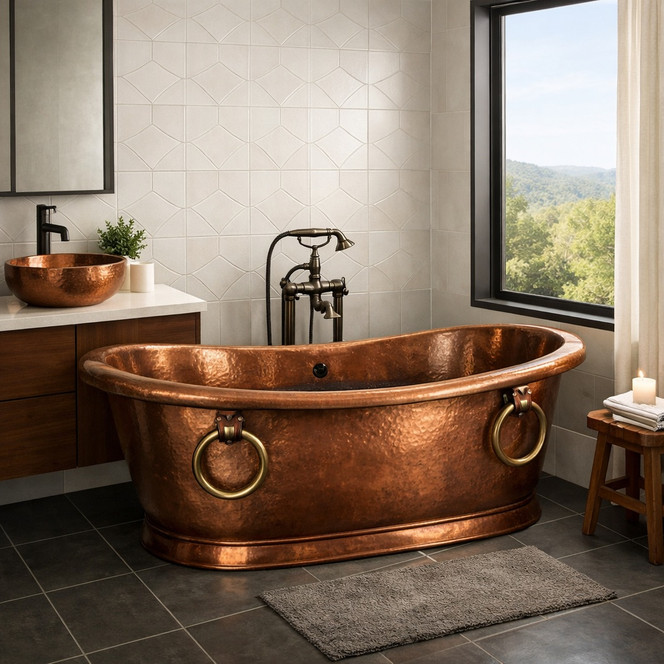
People often search for a “copper tub,” a “copper bathtub,” or a “copper bath tub” and wonder if the terms describe different products. The simple answer is that there is no real difference. These phrases refer to the same idea: a bathtub made from copper, typically crafted as a soaking tub and designed as a statement piece in a bathroom. The wording changes because people type what feels natural, retailers use different naming styles, and older terms sometimes stick in design magazines. This guide clears up the terminology, explains why the phrases vary, and helps you choose the right copper bathtub style for your space.
Why the three terms exist
All three phrases are used because English is flexible and shopping language is inconsistent. “Copper bathtub” is the most standard product term in the home fixture world. “Copper tub” is a shorter version that many designers and homeowners use in casual conversation. “Copper bath tub” is simply a spacing variation. Some people type “bath tub” as two words because that is how they learned it, and search engines still recognize it as the same concept.
Retailers also influence terminology. Product pages may use “copper bathtub” in headings but use “copper tub” in body text for variety. Blog posts and social media captions often shorten the phrase to “copper tub” because it reads faster. None of these choices change the product category. They are all describing a bathtub made of copper.
What a copper bathtub actually is
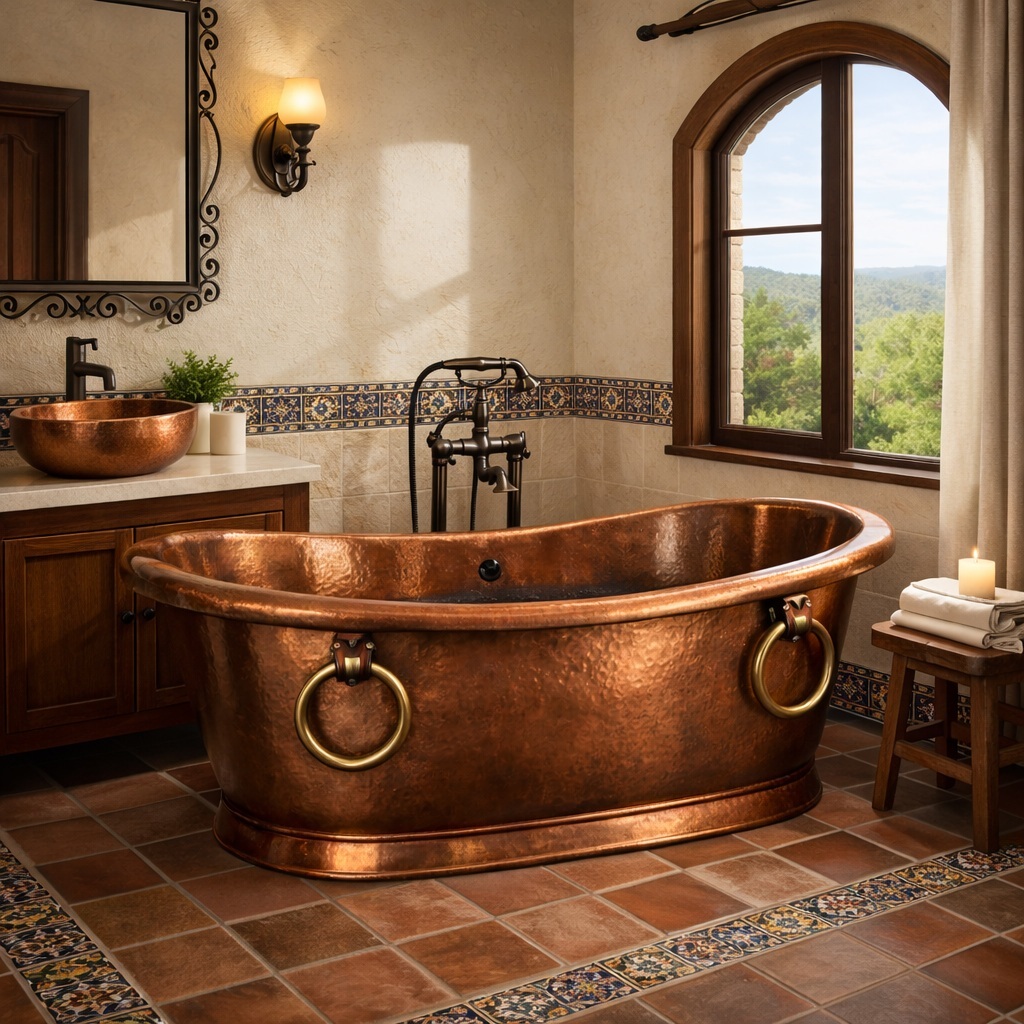
A copper bathtub is a bathing vessel fabricated from copper sheet, often hand-formed and finished with a chosen patina. Many copper tubs feature hammered texture, rolled rims, and artisan finishing that gives the surface depth and warmth. Copper can be finished in brighter tones, darker antique styles, or deeper coffee patinas depending on the look you want. The purpose is the same as any other bathtub, but the experience and visual impact are different because copper reads like a living material rather than a coated surface.
If you want to see the range of surface textures and silhouettes available, browse our hammered copper bathtub styles for a clear view of how finish and form change the mood of a bathroom.
When shoppers use “tub” versus “bathtub”
In everyday speech, “tub” is often used as shorthand. People say “tub” the same way they say “sink” or “range” without repeating the full category name. In product listings, “bathtub” is more precise because it separates the item from other copper products like wash tubs, planters, or basins. When you see “copper tub” on a bathroom-focused product page, it almost always means “copper bathtub.”
The phrase “copper bath tub” appears most often in casual typing, older catalogs, and some regional writing habits. Search engines typically treat it as a variant of “copper bathtub.” That is why you will see all three phrases show up in search suggestions and buyer questions.
Key styles are what matter, not the wording
Since the terms describe the same product category, the better question is which style fits your bathroom layout. Copper bathtubs generally fall into a few core installation types. Choosing the right type affects plumbing planning, floor space, and the overall look of the room far more than the name used in the search bar.
Freestanding copper bathtub
A freestanding copper bathtub is designed to be viewed from all angles. It is often placed as the visual centerpiece of the bathroom, either centered under a window, set near a feature wall, or positioned to highlight the silhouette. This style works best when the bathroom has enough open floor area to let the tub breathe. If you are exploring layouts and shapes, start with our freestanding copper bathtub collection to compare profiles and rim styles.
Drop-in copper bathtub
A drop-in copper bathtub is installed into a built surround or deck. Only the interior and rim are visible, while the outer body sits below the finished surface. This style is often chosen when you want a cleaner built-in look, when the bathroom design includes a tiled platform, or when you want the tub to integrate with stone and cabinetry details. For built-in planning and options, review our drop-in copper bathtub options.
Hammered versus smooth is a real difference
While the words “tub” and “bathtub” do not change the product, surface texture does. Hammered copper has a dimpled texture created through hand hammering or artisan forming. It breaks up reflections, adds depth, and tends to disguise minor water spots better than a perfectly smooth reflective surface. Smooth copper reads cleaner and more tailored, with larger areas of reflection that can feel more modern or more formal depending on the finish.
If you want a deeper breakdown of how texture impacts style and daily use, read our guide to hammered bathtubs. It helps you match texture to room style and maintenance preferences.
Why copper is called a “living metal”
Another point of confusion is how copper changes with time. Copper is often described as a living metal because it can develop tonal variation through use, humidity, and cleaning habits. Some buyers love that evolution because it makes the tub feel more personal. Others prefer a more consistent look and choose finishes that are sealed or maintained with gentle wax routines. Both approaches are normal. The important part is setting expectations. A copper bathtub is designed to have depth and character rather than the static look of mass-produced coated surfaces.
How to choose the right copper bathtub for your bathroom
Once you ignore the wording differences, selection becomes much clearer. Start with your bathroom size and the placement you want. Freestanding tubs need breathing room and clear sight lines. Drop-in tubs require a surround plan and deck material coordination. Then choose your texture and patina based on the mood you want to create. Darker finishes feel grounded and dramatic. Brighter copper tones feel warm and luminous. Hammered texture feels rustic and artisan. Smooth surfaces feel cleaner and more architectural.
Also think about the rest of the room. Copper pairs beautifully with natural stone, warm woods, plaster walls, and matte black or aged brass fixtures. In modern bathrooms with neutral palettes, copper becomes the statement piece. In rustic bathrooms with more texture, copper blends into the story while still holding its own.
Custom copper tubs are still copper bathtubs
Some shoppers wonder if “custom copper tub” means something different than “copper bathtub.” It does not. It simply means the bathtub is made to order, with choices in size, rim style, finish, and sometimes silhouette adjustments. Custom builds are useful when you have a unique layout, a specific soaking depth preference, or a particular patina you want to match to other metals in the room.
To see how customization works and what options are commonly requested, explore our article on custom hammered copper bathtubs.
How pricing categories influence searches
Sometimes buyers type different terms because they are shopping for price ranges. People searching “copper tub” may be browsing broadly, while “copper bathtub” can signal a more specific intent to buy a bathroom fixture. If you are looking for value options, sales pages are worth checking because copper bathtubs can appear in limited-quantity clearance listings depending on inventory cycles. For current deals, browse our copper bathtub clearance sale selection.
Common questions that cause confusion
Many buyers ask if “tub” refers only to freestanding models. It does not. A tub can be freestanding, drop-in, or another installation type. Others ask if “bath tub” refers to older clawfoot styles only. It does not. It is just a spelling variation. The real differences are shape, installation type, texture, and finish. Those are the factors that affect how the tub looks, installs, and feels in daily use.
Another confusion point is whether hammered means lower quality because it looks more rustic. In artisan copperwork, hammered texture is often a sign of hand finishing and surface depth, not a shortcut. It can also strengthen the surface through work hardening. What matters is good construction, correct sizing, and a finish choice that fits your lifestyle.
Conclusion
There is no difference between a copper tub, a copper bathtub, and a copper bath tub. They are simply different ways people say and search for the same product: a bathtub made from copper. Instead of focusing on wording, focus on the choices that actually matter. Decide whether you want a freestanding or drop-in installation. Choose hammered or smooth texture based on your style and maintenance preferences. Select a patina that fits your bathroom palette and the mood you want to create. When you choose based on those real factors, you will end up with a copper bathtub that feels intentional, beautiful, and built for long-term enjoyment.