 US Dollar
 Euro
Euro
 Australian Dollar
 Canadian Dollar
 Polish Zloty
 British Pound

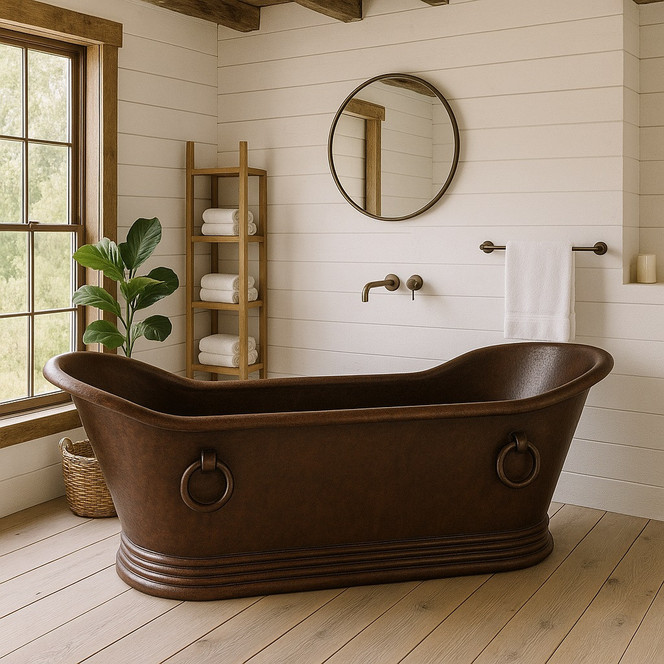
People often ask about the difference between a “copper tub” and a “copper bathtub.” The simple answer is that they are two terms for the same product. Both describe a bathtub made from copper, used for soaking and everyday bathing. The wording changes based on region, search habits, and how stores label categories. This guide explains why both terms exist and how to shop the right style in our hammered copper bathtubs collection.
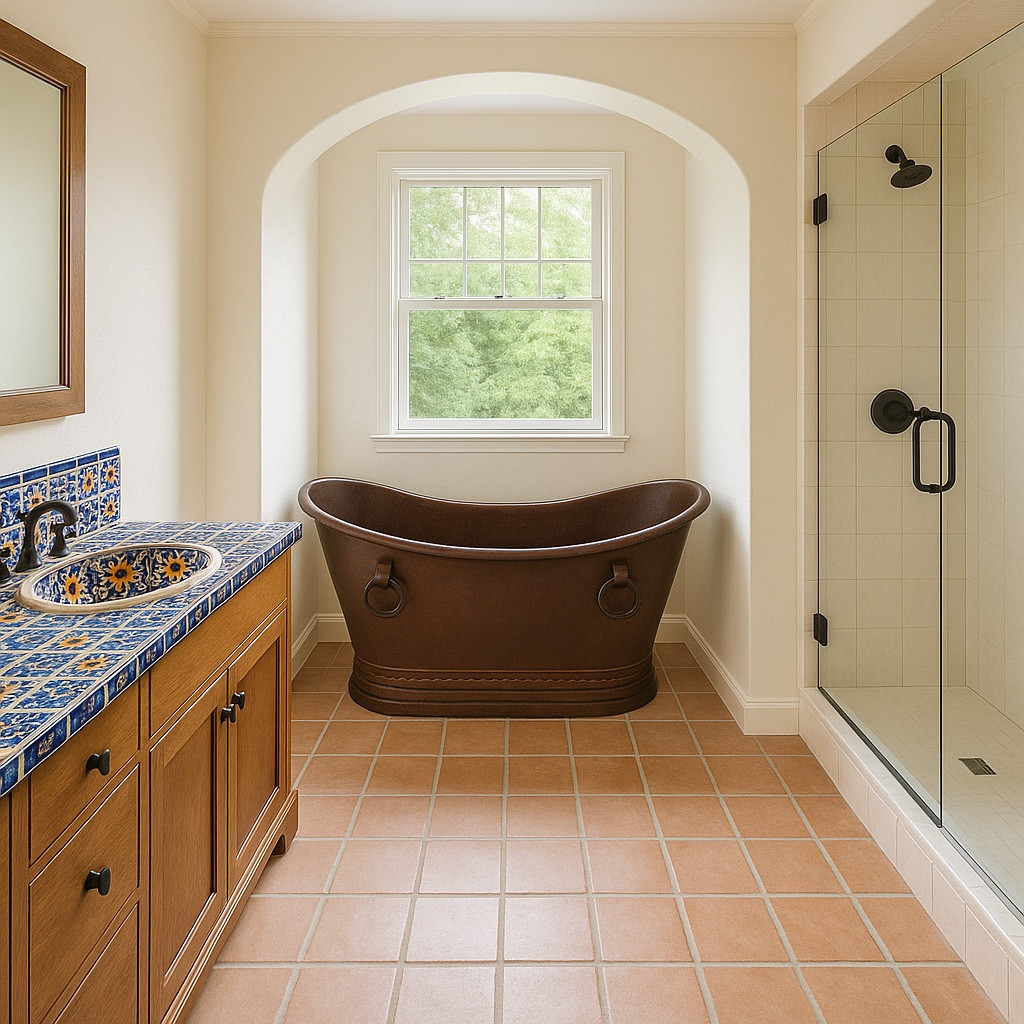
Copper tub and copper bathtub mean the same thing
A “tub” is simply a shortened form of “bathtub.” In everyday conversation, many people say “tub” because it is faster and feels informal. In product catalogs and remodeling plans, “bathtub” is used more often because it sounds formal and specific.
Why two terms exist in shopping and search
Most shoppers use the phrase they grew up hearing. Some regions say “bathtub” more often, especially in construction and renovation contexts. Others use “tub,” especially when describing a freestanding soaking piece or a rustic statement fixture.
Search behavior also plays a role. People type “copper tub” when browsing inspiration. They type “copper bathtub” when comparing sizes, installation requirements, and drain placement. Stores include both phrases because they refer to the same product but match different search intent.
When “copper tub” is used more often
“Copper tub” is common in design-focused searches. It often points to freestanding soaking styles, spa-like bathrooms, and visual mood boards. The word feels casual, which fits quick browsing and early stage planning.
When “copper bathtub” is used more often
“Copper bathtub” is used more in technical planning. Buyers use it when thinking about plumbing rough-ins, floor strength, and installation clearances. Contractors also prefer “bathtub” because it reads clearly in quotes and scope documents.
How to shop without getting confused by wording
Ignore the label and focus on the details that affect your install. Confirm dimensions, installation type, drain location, and how the finish looks in your lighting. Terminology will not change performance, but construction and planning choices will.
Why hammered copper is part of the appeal
Hammered copper adds texture that reads rich under light. It breaks reflections and adds depth, making the surface feel handcrafted instead of flat. Many homeowners also like hammered texture because it is visually forgiving in daily use.
Choose the right copper tub style for your bathroom
The biggest difference you will see across listings is not the wording. It is the installation style. Some copper bathtubs are designed to stand alone as a centerpiece. Others are made to be set into a platform or deck.
Freestanding copper tubs
A freestanding option is often what people picture when they say “copper tub.” It sits fully visible in the room, showing the hammered texture and patina from every angle. This style works best when you have space for clearance and want the tub to be the visual focal point.
To compare silhouettes and scale, start with freestanding copper bathtubs and focus on how each shape fits your bathroom footprint.
Drop-in copper bathtubs
Drop-in designs are set into a deck or platform, often finished in tile or stone. This creates a clean, built-in look that can feel very custom. It can also provide extra ledge space for bath items if you prefer a structured surround.
If you need a built-in approach, browse drop-in copper bathtubs and plan your deck dimensions before ordering.
Patina and aging: what to expect
Many buyers worry that patina means damage. In reality, patina is part of copper’s character. Subtle tonal shifts are normal and often desired, because they add depth and make the tub feel more dimensional over time.
How to compare value when shopping copper tubs
Since “copper tub” and “copper bathtub” mean the same thing, compare products by what you can verify. Look at size, installation type, silhouette balance, and finish style. A better decision comes from fit and planning, not from the label used on the page.
Finding deals without lowering your standards
A sale price should not change your checklist. Confirm installation type and size first, then confirm finish and layout. To browse discounted options while keeping quality in view, explore copper bathtubs sale and compare the same essentials before you commit.
Quick terminology checklist
- “Copper tub” equals “copper bathtub”
- Choose install style before finish decisions
- Freestanding shows copper on all sides
- Drop-in uses a built-in deck surround
- Hammered texture adds artisan depth
- Patina changes are normal over time
Conclusion
There is no product difference between a copper tub and a copper bathtub. They are the same fixture described with different wording. Shop by installation type, size, silhouette, and finish, and you will choose with confidence.
Start with your bathroom plan, compare styles in our hammered copper collection, then select the tub that fits your space and your daily routine. When you focus on details instead of labels, your copper bathtub will feel intentional from day one.