 US Dollar
 Euro
Euro
 Australian Dollar
 Canadian Dollar
 Polish Zloty
 British Pound

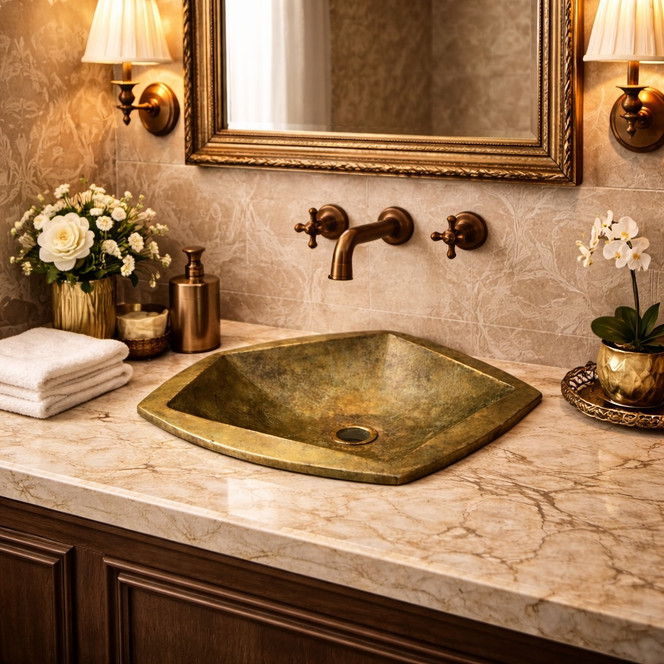
Bronze sinks bring depth, warmth, and artisan character to bathrooms. They also need the right install details and gentle care habits. This guide explains planning, sealing, plumbing checks, and patina maintenance for everyday use. It also explains what to avoid, so the finish ages evenly. Start by browsing our bronze bathroom sinks, then use the steps below before your installer arrives. You will reduce leaks and stress, protect the countertop, and keep the surface looking intentional.
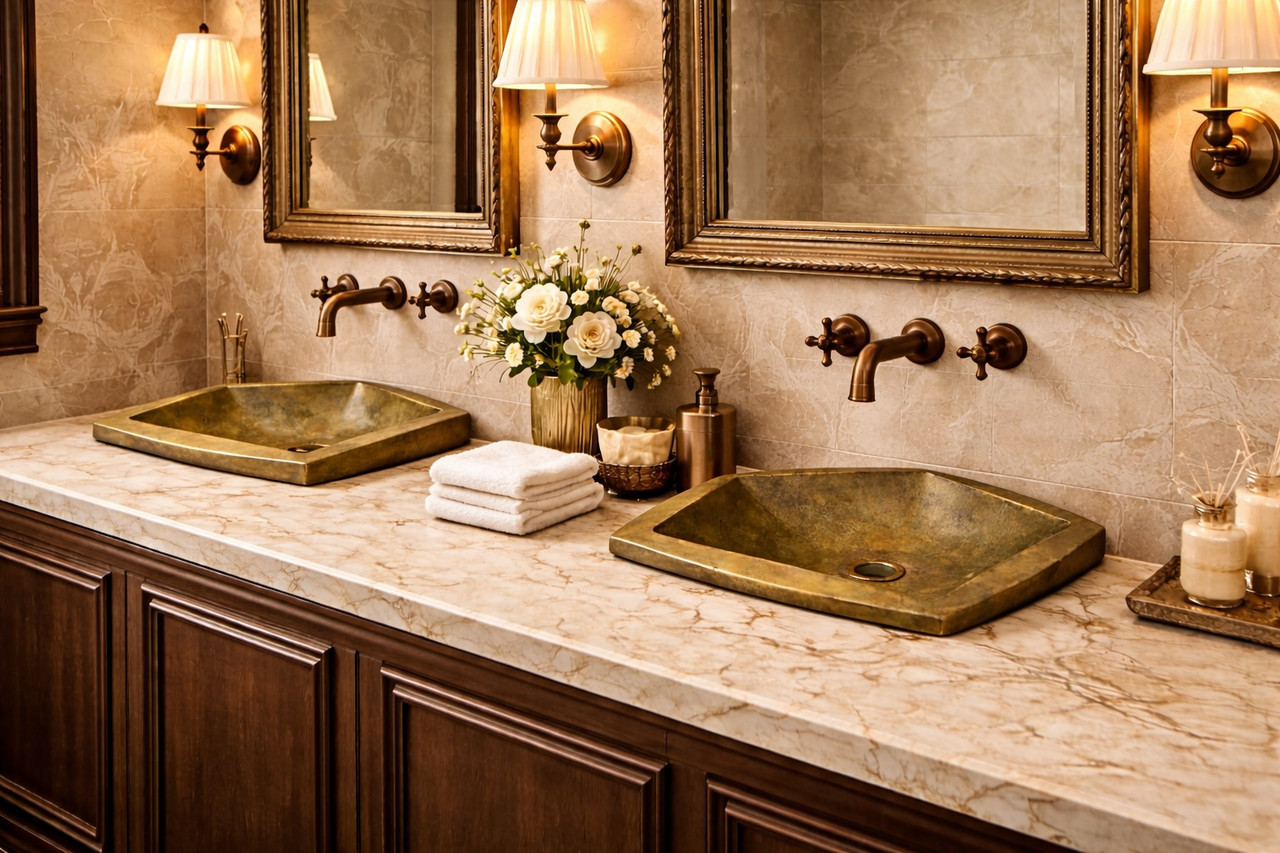
Know your bronze sink type before cutting or drilling
Bronze bathroom sinks come in vessel, drop in, and undermount styles, and each style changes the cutout shape, faucet placement, and sealing method, so confirm the install type and drain style first to avoid incorrect countertop work and last minute modifications.
Measure vanity and countertop space with real clearances
Start with vanity width and depth, then confirm landing space for soap and daily items, because bronze sinks look best when centered and balanced, and proper clearance also prevents crowding at the backsplash and keeps handwashing comfortable.
Plan faucet reach and handle clearance early
Choose faucet placement so water lands near the bowl center and handles clear the backsplash and mirror, and if you want a unified look, browse bronze bathroom faucets so the metal tone complements the sink patina instead of fighting it.
Dry fit everything before any sealant is applied
Set the sink in place without silicone, align it visually, and verify the rim sits flat, because a stable dry fit prevents rocking, protects the countertop edge, and makes the final seal line thinner, cleaner, and more reliable.
Confirm cabinet interior clearance for bowl depth
Open the vanity and confirm the bowl clears drawer boxes, shelves, and top rails, because deep bowls can reduce storage, and early clearance checks prevent cutting supports or shifting plumbing after the countertop is finished.
Use the correct sealing method for your sink style
Most bronze sinks benefit from a thin, continuous silicone bead at the rim contact point, because silicone prevents movement, blocks moisture, and stays flexible as materials expand and contract, which helps avoid slow leaks that stain stone or wood.
Keep the silicone line thin and controlled
Apply a small bead, seat the sink gently, and wipe squeeze out immediately, because thick silicone lines collect grime and look messy, while a thin, clean line seals well and keeps the sink edge looking crisp.
Set up the drain for sinks without an overflow
Many bronze vessel sinks use non overflow drains, so choose a compatible drain assembly and rely on the correct gasket stack, because mismatch issues can cause slow seepage at the flange and create cabinet moisture that is hard to spot early.
Leak test every joint before the bathroom is “done”
Run water for several minutes, then check the drain flange, trap joints, and shutoff valves with dry paper towels, because paper reveals tiny drips fast and prevents long term cabinet swelling, odor, and staining.
Protect the finish during installation and first use
During install, keep tools and abrasive surfaces away from the bronze, because small scratches can disrupt patina consistency, and the first weeks of use are when water habits form, which strongly influences how evenly the sink ages.
Daily care that keeps bronze looking intentional
For everyday maintenance, rinse away soap and toothpaste, then wipe dry with a soft cloth, because bronze shows mineral spotting more than ceramic, and a quick dry routine preserves the finish depth without constant scrubbing.
Weekly cleaning should stay mild and non abrasive
Use mild dish soap with warm water, then rinse and dry, because harsh bathroom sprays and abrasive pads can strip wax layers, dull high points, and create uneven bright spots that look accidental instead of naturally aged.
Waxing and patina care for long term beauty
Apply a thin coat of beeswax or mineral wax monthly and buff lightly, because wax adds a protective barrier, slows water contact, and helps the patina age more evenly, especially in high use bathrooms with frequent splashing.
Hard water routines prevent constant maintenance
If you have hard water, prioritize a rinse and dry habit and avoid leaving standing water in the bowl, because minerals build quickly on bronze and can tempt over scrubbing, which often damages the finish more than the water itself.
What to avoid if you want the patina to age well
Avoid bleach, acidic cleaners, abrasive powders, scouring pads, and long contact with wet sponges, because these can cause blotchy discoloration, dull patches, and sharp contrast marks that interrupt the natural, layered look of bronze.
How to handle small changes in color over time
Bronze patina naturally shifts with use, humidity, and touch, so treat gradual darkening as normal, maintain a steady gentle routine, and use wax for even tone if you prefer a more consistent finish across the rim and bowl.
Maintenance planning for a cohesive rustic bathroom
Bronze looks best when the whole room supports it, so if you are coordinating materials, explore rustic bathroom design ideas and align stone, wood tones, and hardware finishes to keep the sink area feeling intentional and visually calm.
Quick installation and maintenance checklist
- Confirm sink style before cutout work
- Plan faucet reach and handle clearance
- Dry fit sink to verify flat contact
- Seal with a thin silicone bead
- Use a compatible non overflow drain
- Leak test joints with paper towels
- Rinse and dry after daily use
- Clean weekly with mild soap only
- Wax monthly for patina support
Conclusion
Bronze sinks reward simple habits and correct installation. Measure and dry fit first, then seal cleanly and test plumbing carefully. For maintenance, rinse, dry, clean gently, and wax occasionally. Avoid harsh chemicals and abrasive tools. Follow this approach and your bronze sink will stay comfortable to use, easy to keep clean, and beautifully aged over time.