 US Dollar
 Euro
Euro
 Australian Dollar
 Canadian Dollar
 Polish Zloty
 British Pound

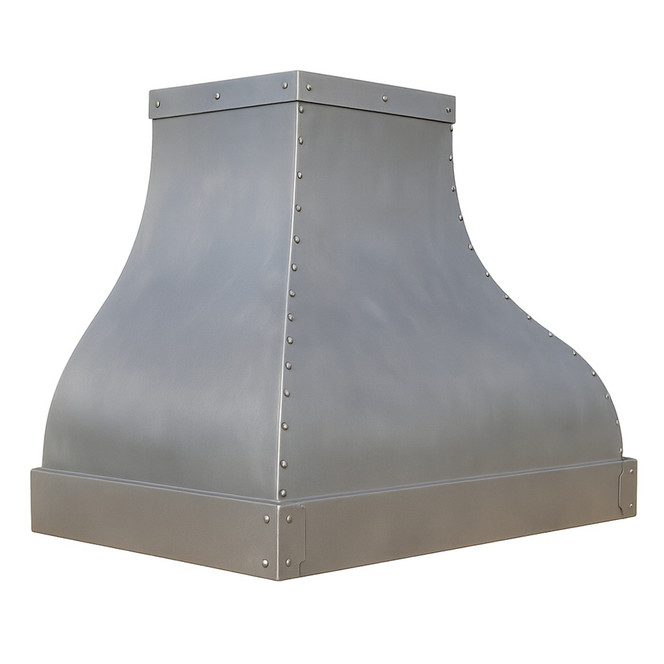
Zinc Range Hood – Curved Apron & Rivet Trim: Lifestyle Inspiration
A graceful curve, a line of rivets, and the quiet sheen of zinc—this range hood threads classic craft through today’s kitchens. Below, four styled scenes show how its silhouette, texture, and finishes can steer the mood from airy transitional to modern rustic, with a stop inside the workshop and a guide to choosing the right patina.
30-Inch Transitional Kitchen

Anchor a 30-inch cook zone with the Zinc Range Hood’s curved apron and rivet trim, then build a transitional look around its balanced lines. Keep cabinetry light—warm white or mushroom—so the metal’s charcoal undertones stay crisp. A walnut or white-oak counter adds grain that softens the hood’s industrial edge. Choose a brass bridge faucet and aged-bronze pulls to echo the rivets without crowding the sightline. Set a simple stacked-tile backsplash in matte white; the hood’s gentle arc becomes the focal sweep above a range in brushed steel. Under the apron, place a walnut butcher-block to warm the palette, and flank with open shelves for white stoneware and clear glass. Overhead, a pair of linen-shaded pendants cast a diffused glow that glides across hammered zinc, highlighting each dome of a rivet. Under-cabinet LEDs should graze rather than spot, revealing subtle texture in evening light. For everyday rhythm, corral oils and salts on a narrow oak tray; keep counters lean so the silhouette reads uninterrupted. A jute runner grounds the prep path, while rosemary in a clay pot adds a fresh green note. The effect is calm, hardworking, and composed—heritage metalwork tuned for modern cooking without sacrificing warmth or clarity at home.
36-Inch Modern Rustic Kitchen

Scale up to a 36-inch layout when the room calls for presence. Pair the curved apron and rivet trim with knotty oak cabinetry in a natural finish and a honed soapstone counter for earthy contrast. Blackened-steel hardware ties back to the rivets; a professional-style range in matte graphite keeps lines purposeful. Clad the wall in narrow vertical planks painted warm gray, letting subtle shadow lines complement the hood’s arc. Above the island, industrial pendants with metal shades concentrate light onto chopping and plating, while the hood’s face collects a soft lateral sheen. Open shelves float nearby for cast-iron, enamel Dutch ovens, and clay cazuelas—objects that look right against zinc. Introduce color with oven mitts, herb pots, and two framed prints; everything else stays restrained. Place a thick butcher-block at the range’s right for hot pans, and tuck a magnetic knife strip along the return so tools sit within reach. Underfoot, stone-look porcelain in large formats adds durability and a cool counterpoint to the hood’s patina. When dinner service winds down, dim pendants and let under-cabinet grazers take over; rivets wink, the curve reads sculptural, and the whole kitchen settles into an intimate glow that feels grounded and generous for evenings.
Inside the Workshop

Step into production to see why this profile feels both refined and hardy. Sheets of zinc are planished by hand, curving to meet a formed apron before seams are soldered and dressed. Rivet trim is measured twice, then set along bands to register the arc—decorative, yes, but also a tactile frame that protects edges. Templates guide every cutout for blowers and ducting so installation runs clean in the field. Finishes are built in layers: a natural gray base, optional deepening to dark, or a gentle polish that lifts highlights without gloss. Between steps the surface is neutralized and burnished, preserving the metal’s lived-in nuance. Under tall skylights, craftsmen test light across the face; shallow hammer marks must read as movement, not noise. Each hood is balanced for weight and stiffness, then dry-fit to collars before crating. The result is consistency where it matters—apron radius, rivet rhythm, flange depth—yet with subtle handwork that keeps two pieces from ever feeling identical. Knowing this process helps you style with confidence: keep backgrounds simple, let texture breathe, and allow light to slide over the curve so the hood communicates craftsmanship without shouting. It arrives ready, steady, and quietly heroic above everyday cooking and gatherings.
Finish Guide: Natural, Dark, Polished

Choosing finish shifts the mood without changing silhouette. Natural zinc reads soft gray with faint blue notes; it pairs easily with white oak, Carrara, or beadboard for coastal calm. Dark patina deepens to graphite, sharpening rivets and amplifying contrast against pale walls and brass accents. Polished zinc lifts the highlights so the apron gleams like moonlight—ideal when the room needs a quiet statement that still catches the eye. For warm palettes, add walnut, aged brass, terracotta, and creamy paints; the metal relaxes into the scheme. For cooler rooms, lean on soapstone, nickel, charcoal grout, and matte black to play up crispness. Lighting matters: broad diffusers create even wash, while narrow beams trace rivets and throw elegant shadows along the curve. If ceilings are low, keep surrounding tile small-scale so the hood reads lighter; with tall ceilings, enlarge tiles or paneling to hold proportion. Match or mix metals thoughtfully—zinc with nickel feels tailored, zinc with brass feels collected over time. Whichever path you take, treat the surface kindly: mild soap, soft cloth, no abrasives. Allow patina to evolve; the lived-in character is part of the appeal and turns daily cooking into an experience that feels considered and personal in every season.
Conclusion
When form, function, and quiet detail align, a curved apron and rivet trim can carry an entire kitchen’s mood. Options, sizes, and specs live on the Zinc Range Hood – Curved Apron & Rivet Trim page; project notes and drawings are welcome via the contact page.