 US Dollar
 Euro
Euro
 Australian Dollar
 Canadian Dollar
 Polish Zloty
 British Pound

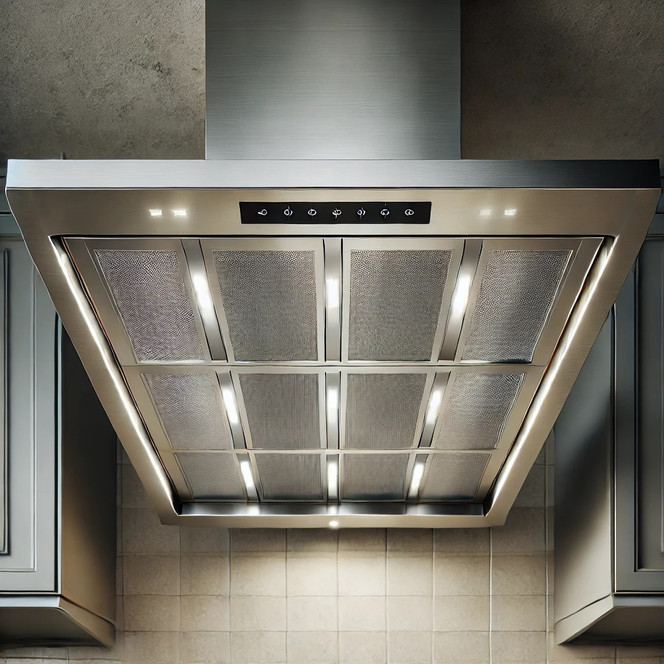
When it comes to selecting the perfect kitchen range hood, style and material are essential—but so is the functionality behind the design. One key decision homeowners face is whether to go with an optional 200 CFM (Cubic Feet per Minute) insert or choose a custom hood shell that accommodates a buyer’s own ventilation insert. While both options offer distinct advantages, understanding their differences can help you make the most informed decision for your cooking space.

In this guide, we’ll explore the pros and cons of 200 CFM insert systems and discuss why many homeowners prefer range hoods that are built to fit their own high-performance blower inserts. Whether you're planning a kitchen remodel or building from scratch, this blog will help you navigate your range hood insert options with confidence.
What Is a Range Hood Insert?
A range hood insert is the internal component of a range hood that contains the blower (fan), filter system, and sometimes lighting and controls. The insert does the real work of removing smoke, steam, and odors while the outer shell provides the visual design and support structure. Think of the insert as the engine and the hood shell as the chassis.
There are two main insert options when choosing a handcrafted or custom metal hood:
- Optional 200 CFM Insert: Built-in basic ventilation.
- Buyer’s Own Insert: Hood shell sized to your unit.
What Is a 200 CFM Insert?
A 200 CFM insert provides a basic ventilation system with a fan that can remove 200 cubic feet of air per minute. It is a popular option for standard cooking habits and smaller kitchens that don’t require heavy-duty ventilation.
Features of a 200 CFM Insert
- Moderate suction for light–medium cooking
- Compact design that is easy to install
- Includes lighting and washable basic filters
- Often offered as an optional factory add-on
Benefits
- All-in-one solution: No extra research required.
- Lower cost: More affordable than pro inserts.
- Good for small kitchens: Ideal for light use.
Limitations
- Lower power: Not ideal for heavy, greasy cooking.
- Fixed capacity: Cannot be upgraded for airflow.
- Noise: Basic motors can be noticeably louder.
Who Should Choose a 200 CFM Insert?
If your cooking routine involves boiling water, steaming vegetables, reheating meals, or light pan frying—and you’re working in a smaller or ventless kitchen—a 200 CFM insert may be all you need. It’s also an excellent option for secondary cooking areas such as a guest house, basement apartment, butler’s pantry, or outdoor bar with occasional use. For homeowners who prioritize simplicity, budget, and quick installation, this compact solution delivers adequate performance without overcomplicating the design or venting plan.
Custom Hoods Built to Fit Your Own Insert
For homeowners who demand higher performance, more flexibility, or a personalized touch, a custom hood built to fit your own insert is the superior choice. These hoods are handcrafted with precise measurements to house your pre-selected blower system, whether it’s a 600+ CFM unit for serious home chefs or a whisper-quiet insert with smart controls and baffle filters. You gain the freedom to choose the brand, airflow rating, filter type, and control panel that best match your cooking habits, without sacrificing the hood’s exterior style.
Advantages of Custom-Fit Range Hoods
- CFM options from 300 to 1200+
- Choose trusted brands you prefer
- Remote blowers for quieter kitchens
- Smart controls and multiple fan speeds
- Professional baffle filters and better capture
When to Go Custom
If you’re an avid cook who frequently sears steaks, stir-fries at high heat, grills indoors, or prepares aromatic dishes with strong spices, a high-powered insert (300+ CFM and often 600+ CFM) is essential. A custom-fit hood also makes sense if you want to control noise by using a remote blower, prefer baffle filters over mesh, or want features like dimmable LED lighting and automatic heat sensors. In premium kitchens, this approach ensures long-term satisfaction and room for future upgrades.
Designing a Range Hood Shell to Fit Your Insert
When ordering a custom hood to accommodate your own insert, you'll need to provide some critical details so the shell can be built precisely around the unit. That includes the insert brand and model, full dimensions, mounting style, and venting direction. With this information, artisans can size the internal chamber and cutouts so the blower, duct collar, and controls sit perfectly in place without gaps or awkward transitions, giving you a professional, integrated look.
- Insert brand and model number
- Full insert dimensions: width, depth, height
- Mount type: wall hood or island hood
- Venting direction: top or rear discharge
Skilled artisans can then build a handcrafted metal shell—made of copper, zinc, iron, brass, or tin—to fit your blower insert exactly. The result is a seamless integration of powerful performance and beautiful exterior design that feels tailored rather than generic.
Custom Hoods with Artistic Character
Choosing a shell that fits your own insert doesn’t mean compromising on style. Quite the opposite. You can still specify hand-hammered or smooth finishes, decorative molding, rivets, straps, and apron motifs, along with custom patina colors ranging from light antique to espresso or even green oxidized tones. Whether you opt for a bold copper statement piece or a minimalist pewter hood with quiet lines, your preferred blower system will hide inside a one-of-a-kind work of metal art.
- Hand-hammered or smooth metal textures
- Decorative moldings, straps, or rivet accents
- Custom patina colors and layered finishes
- Artisan craftsmanship with unique detailing
Optional 200 CFM Insert vs. Custom Fit: A Comparison
| Feature | Optional 200 CFM Insert | Custom Hood for Buyer’s Insert |
|---|---|---|
| Airflow power | 200 CFM (standard airflow) | 300–1200+ CFM (user-selected) |
| Noise control | Basic motor; moderate noise | High-end or remote blower options |
| Design flexibility | Limited to integrated features | Fully customizable with any insert |
| Smart features | Basic lighting and fan settings | Touchscreens, sensors, timers, and more |
| Ease of installation | Plug-and-play simplicity | Requires precise measurements |
| Best for | Light cooking; compact kitchens | Frequent cooking; premium kitchens |
Installation & Maintenance
Installing a 200 CFM Insert
A 200 CFM unit is usually pre-installed or designed to drop directly into the hood opening. Installation can often be completed by a general contractor or advanced DIYer following the manufacturer’s instructions. These inserts typically vent through top-ducted systems or can be configured for recirculating use with carbon filters when exterior venting is not possible, making them a flexible option for many existing kitchens.
Installing a Custom Insert
Installing a higher-end custom insert requires closer coordination between the buyer, the insert manufacturer, and the artisan building the hood shell. Installers must secure the insert inside the hood, align the duct collar with the home’s venting path, and connect wiring and controls safely. Because of the weight and power of these systems, professional installation is strongly recommended to ensure optimal performance and compliance with local building codes.
Maintenance Differences
- 200 CFM inserts: wipe housing and clean mesh filters monthly.
- Custom inserts: wash baffle filters every few weeks as needed.
In both cases, regular maintenance helps preserve airflow efficiency and extends the life of the motor. Keeping filters free of grease buildup also improves safety and reduces lingering cooking odors throughout the home.
Final Thoughts: Choose the Right Fit
At the heart of every great kitchen is a ventilation system that supports your cooking style without compromising design. Whether you’re drawn to the simplicity of an optional 200 CFM insert or prefer the tailored performance of a custom-fit blower, the key is selecting a hood that aligns with how you cook, how often you cook, and how you envision your space evolving.
Optional 200 CFM systems are straightforward, budget-friendly, and perfectly adequate for smaller kitchens or occasional use. Custom-fit hoods, on the other hand, give you the power, quiet operation, and advanced features expected in premium kitchens and serious culinary spaces. By weighing your priorities—budget, performance, noise, and aesthetics—you can confidently choose the insert strategy that truly fits your lifestyle.
Explore Custom-Ready Range Hoods
Looking for a hood that combines artisan craftsmanship with your own insert of choice? Browse our handcrafted collection of copper, zinc, and iron hoods—all customizable to fit your specific insert and kitchen layout. Prefer to keep things simple? Ask us about ready-to-use designs with optional 200 CFM inserts for a quick upgrade that still showcases beautiful metalwork and timeless style.
Your kitchen, your hood, your way.