 US Dollar
 Euro
Euro
 Australian Dollar
 Canadian Dollar
 Polish Zloty
 British Pound

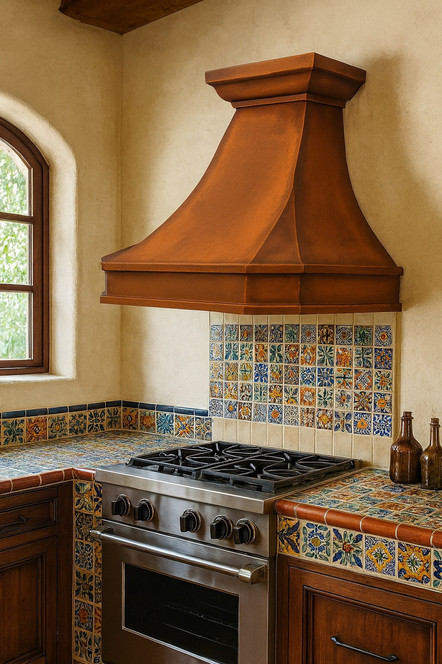
A hammered copper hood should feel architectural, not accidental. The textured hammered copper hood is designed to bring depth, warmth, and handcrafted character to the heart of your kitchen. This guide walks through the texture, proportions, finish direction, and ventilation planning that help a statement hood look intentional and work well every day. If you plan before you order, the hood becomes the anchor your room was missing.
Texture Matters
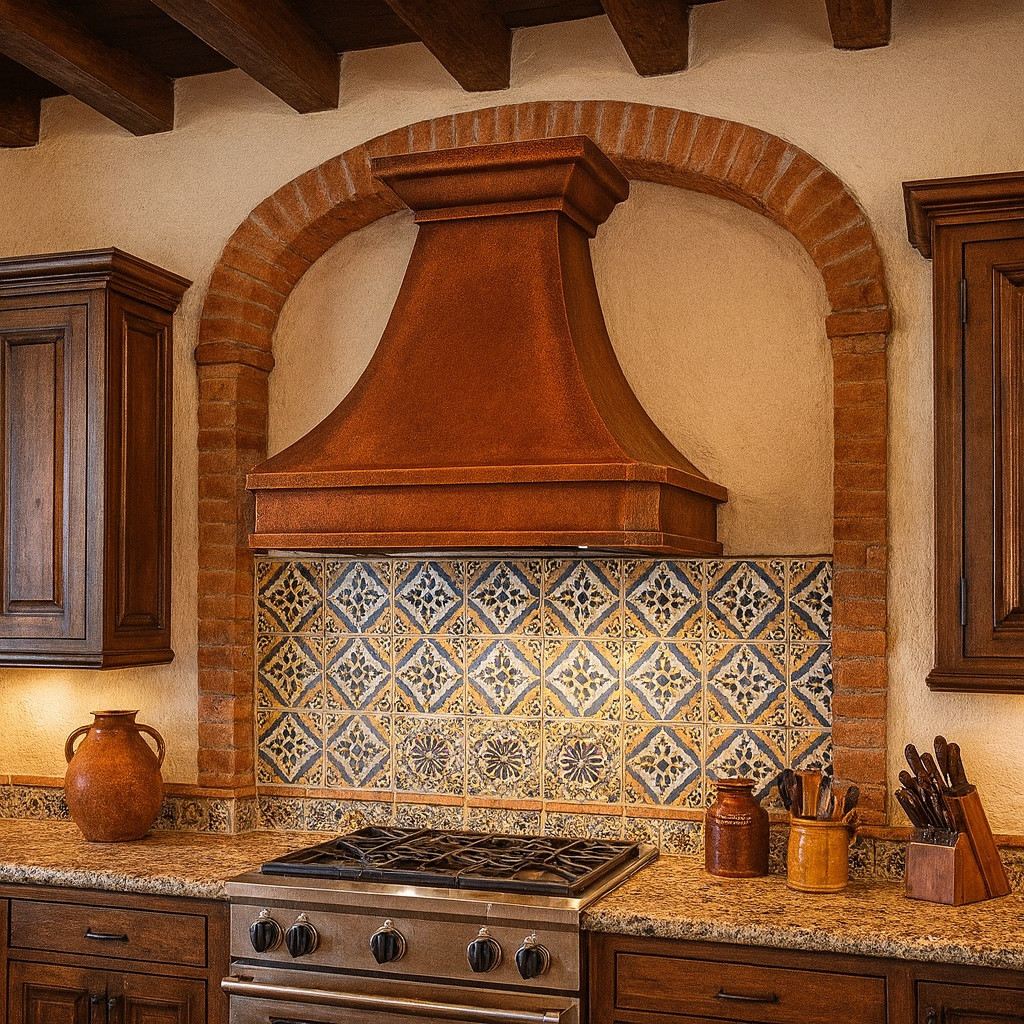
Texture is not decoration on copper. It is the surface language that makes the metal feel alive. A textured hammered pattern breaks up reflections and turns flat copper into a field of subtle highlights. Instead of one bright glare, you get many soft points of light. That change makes the hood feel warmer and more forgiving in real kitchens. Fingerprints read softer. Small scuffs blend instead of flashing. The finish looks better in morning light and in evening light, too.
Handwork Signals
A true hammered surface looks intentional up close. The pattern has rhythm, but it is not stamped uniform. You will notice tiny variations across the canopy and apron. Those shifts are the signature of hand shaping. In a kitchen, that human quality matters. It keeps the hood from feeling like a metal box. It reads as an object made for the room, not dropped into it. When copper carries visible handwork, it also pairs better with wood, stone, plaster, and tile.
Form And Presence
The silhouette sets the first impression. A hood can feel tall and elegant, or heavy and grounded. Textured copper tends to amplify presence, because the surface catches light from many angles. That means proportion becomes even more important. A hood that is slightly undersized can look lost. A hood that is oversized can dominate the cabinetry. The goal is a deliberate centerpiece that feels balanced from every entry point. Plan the form early, then refine the surface and trim.
Proportion Basics
Start with width, then depth, then height. Many kitchens look best when the hood is wider than the cooktop. That extra width adds authority and improves capture. Depth matters just as much. A shallow hood may look fine, but it can struggle with front burners. Height is the final tuning knob. In tall rooms, a short chimney can feel abrupt. In lower rooms, an overly tall chimney can feel crowded. Proportion is the difference between custom and generic.
Ventilation Planning
Copper is the shell. The insert is the engine. A great hood pairs both without compromise. Before you fall in love with details, confirm your ventilation path. If you can vent outdoors, ducting typically removes heat and odors more effectively. If you cannot, recirculation can still work with the right expectations and filter discipline. Either way, the hood should be planned around your cooktop, your cooking habits, and your room volume. A beautiful hood that cannot keep up will frustrate you.
Insert Fit Rules
Inserts vary more than most buyers expect. Depth, blower position, control location, and required clearances all change the shell design. Some inserts want front access to controls. Others tuck controls underneath. Some prefer specific spacing for airflow. Choose your insert early, not late. Early selection reduces surprises and prevents awkward compromises. When insert planning is done first, the shell can be built around it cleanly. That makes the finished piece look seamless.
Ducted Versus Filters
Ducted installations exhaust air outdoors. They often feel fresher during heavy cooking. They also reduce humidity and heat retention. But ducting has rules. Long runs, tight elbows, and complicated routes reduce performance. Straight and short is best. Recirculating installations return filtered air to the room. They are useful when exterior venting is not possible. They depend on grease filter cleaning and charcoal filter replacement. If you cook lightly, recirculation can be practical. If you cook heavily, ducting is usually the better goal.
Finish Direction
Copper does not stay frozen in time. It responds to air, heat, and kitchen life. Some owners love that evolution. Others want a more controlled look. A stabilized patina offers consistency, while a natural finish continues to shift. Texture affects how those shifts read. Hammered copper tends to make changes look richer and more gradual. Instead of a large flat area shifting unevenly, you get many small facets aging together. That can feel more organic and less blotchy over time.
Color And Mood
Copper can feel bright, warm, deep, or dramatic. A lighter copper tone can lift a darker kitchen. A deeper patina can anchor a bright, airy space. Texture influences mood, too. Heavier texture feels rustic and artisanal. Finer texture can feel refined and tailored. Think about your backsplash and counters. Busy stone may prefer a quieter hood finish. Simple plaster or simple tile can handle stronger hammering. Match intensity to the rest of the room so the hood looks confident, not chaotic.
Trim And Detail
Trim is how you steer style. Rivets add an honest, handcrafted rhythm. Straps add structure and vertical emphasis. Flanges frame edges and give a more architectural outline. A clean edge reads modern. A framed edge reads traditional. Textured copper already brings visual activity, so details should be chosen with restraint. Pick a few elements that support your cabinet style and hardware finish. Then let the texture do its work. Too many features can dilute the impact.
Hacienda Influence
The hacienda look is built on warmth and material honesty. Plaster walls, rustic beams, hand-painted tile, and forged iron hardware create a layered backdrop. Textured hammered copper fits naturally into that language. The surface echoes hand-applied finishes and artisan ceramics. In a hacienda kitchen, the hood becomes a hearth-like focal point above the range. It does not need to shout. It just needs to feel rooted. Copper brings that grounded warmth without feeling heavy or dark.
Traditional Kitchens
Traditional kitchens often include crown molding, framed doors, and classic stone counters. A textured hammered hood can look perfectly at home there, especially when the silhouette has soft transitions. The hammered finish adds depth without demanding ornate carving. If your kitchen already has decorative cabinetry, keep the hood trim simpler so it does not compete. The copper becomes the warm focal point that ties wood and stone together. The result feels curated rather than themed.
Transitional Spaces
Transitional rooms balance clean lines with warmth. They can feel calm, but still personal. Textured copper is a great bridge in that setting. It softens modern slab or shaker cabinets. It adds character without adding clutter. Choose a restrained silhouette and a medium hammering pattern. Let the hood feel tailored, not busy. The copper then becomes a quiet statement that works with both classic details and contemporary finishes. That balance is what makes transitional kitchens feel timeless.
Modern Contrast
Modern kitchens can still use hammered copper successfully. The trick is clarity. Keep the form simple. Limit trim. Let the surface do the talking. Copper brings warmth to cooler palettes like white, gray, black, and concrete. Hammering prevents the copper from reading too shiny or too jewelry-like. It turns the hood into a sculptural object. In modern rooms, copper should feel intentional and minimal. It should be the warm counterpoint to smooth cabinetry and crisp counters.
Island Installations
If your range is on an island, the hood is seen from every angle. That changes everything. The back side must be finished with the same care as the front. Symmetry matters more. Structure and mounting must be planned carefully. Island hoods also deal with open air movement, which can affect capture. That does not mean island hoods cannot perform well. It means you must plan depth, height, and blower selection realistically. In an open-plan room, a well-proportioned copper hood becomes the centerpiece that defines the whole kitchen zone.
Lighting Integration
Lighting under the hood is practical, but it is also visual. Warm light flatters copper. It deepens the metal and highlights the hammered texture. Placement matters. You want light on the cooktop surface, not glare in your eyes. Controls should remain easy to access. If your kitchen has layered lighting, the hood lighting should support the task zone without competing with pendants or recessed lights. Good lighting makes the hood look better at night and makes cooking easier every day.
Care And Reality
Copper maintenance is often simpler than people assume. For everyday cleaning, a soft cloth with mild soap and water is usually enough. Avoid abrasive pads and harsh chemicals. They can scratch and disrupt the finish. If you want a consistent look, follow the care approach recommended for your finish. If you want natural aging, do less and let time do the work. Hammered texture helps either way. It hides minor marks and keeps the surface looking intentional even with real use.
Ordering Checklist
Before ordering, gather the information your builder and installer will need. This keeps the project smooth and prevents last-minute changes. Use the list below as a quick guide. It helps you confirm proportions, insert fit, and venting decisions. It also helps your contractor plan the install path. Clear details now protect your finish later. A custom hood should feel easy when it arrives.
- Cooktop width and burner layout
- Preferred hood width and depth
- Ceiling height and cabinet height
- Insert brand, model, and dimensions
- Duct path, size, and exit location
- Wall or island mounting choice
- Desired finish and texture level
- Lighting and control access plan
Common Mistakes
The most common mistake is choosing size only by looks. Capture depth and width matter in real kitchens. Another mistake is delaying insert selection. Insert details affect the internal build. Duct planning is another frequent issue. Late duct changes can force design compromises. Some projects also forget about clearance to cabinets and trim. Those small conflicts can create expensive surprises during installation. Avoid the stress by planning the full system early. Your hood will look better and perform better.
Why Copper Endures
Copper is not a trend metal. It has been used for generations because it performs and because it ages with grace. It does not rust like iron. It does not peel like coated surfaces. Wear becomes part of the patina story. With a hammered texture, the story looks even richer. The hood becomes a piece that belongs to the home, not a disposable appliance. That is why copper hoods remain popular in both historic-inspired kitchens and fresh, contemporary spaces.
Collections To Browse
If you want to compare silhouettes and finishes, explore the broader copper hood collection. You can also check the range hood sale for limited opportunities when available. Seeing multiple forms side by side helps you decide what feels right for your kitchen. It also helps you refine the trim level you want. A great hood choice often becomes obvious once you compare a few strong options.
Final Thoughts
A textured hammered copper hood is a practical tool and a visual anchor. It brings warmth to the kitchen and depth to the room’s materials. The best results come from clear planning. Confirm your proportions, insert fit, and venting path early. Then choose the texture, finish, and trim that match your style direction. When those choices align, copper looks timeless rather than trendy. It feels crafted for the space, and it stays satisfying for years.