 US Dollar
 Euro
Euro
 Australian Dollar
 Canadian Dollar
 Polish Zloty
 British Pound

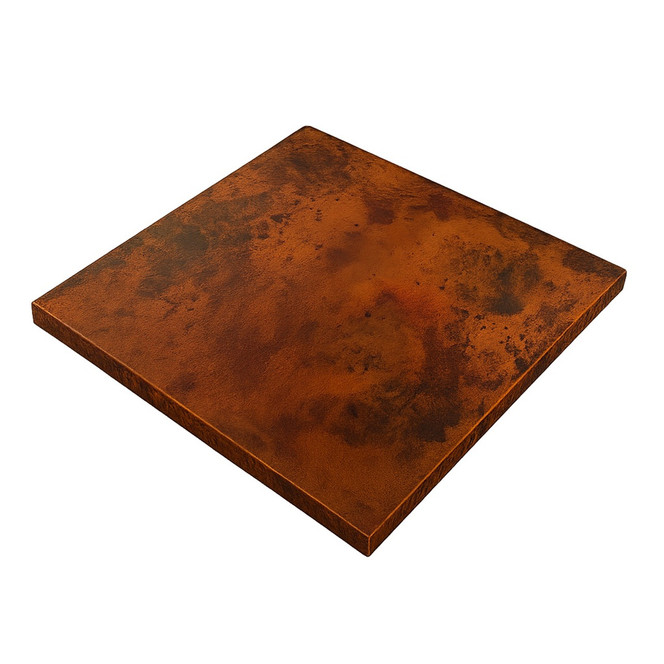
Square Copper Tabletop: Old-World Artistry Meets Modern Function
The handcrafted Square Copper Tabletop brings together centuries-old metalworking traditions and contemporary design needs. Meticulously forged from recycled copper by artisans in Santa Clara del Cobre, each top is hand-hammered to create subtle undulations and a richly varied matte texture. The natural aging process yields deep tonal variations—from warm burnt orange to dark chocolate brown—resulting in a fire-aged patina that feels both organic and sculptural. Whether used for a dining table, kitchen island, or accent piece, this copper top offers enduring visual richness, durability, and a unique tactile quality that elevates rustic, transitional, and Spanish-style interiors alike.
Little-Known Fact: In early colonial Mexico, copper cookware and tabletops were sometimes treated with a light coating of chile-infused oil to accelerate the development of a protective patina—an organic method rediscovered by modern artisans to replicate historical finishes.
Craftsmanship and Material Origins
Each square copper tabletop begins its life as a recycled sheet of pure copper, hand-sourced and refined in traditional workshops of Santa Clara del Cobre. Skilled coppersmiths use a series of wooden stakes and specialized mallets to forge and hammer the metal into a precise square form. This painstaking process not only imparts the characteristic dimpled texture but also work-hardens the metal, increasing its structural strength. After hammering, the surface is treated with proprietary natural fluxes and fired over open flames to bring out the full range of color in the copper. As it cools, the top is cleaned, buffed, and sealed—though many clients choose to let the finish evolve naturally over time, allowing subtle oxidation and wear patterns to develop under daily use.
Patina, Finish, and Aging
The beauty of a copper tabletop lies in its capacity to change and mature with use. Initially, the patina exhibits warm, glowing hues of orange and amber. Over weeks and months, high-contact areas develop deeper browns and near-black highlights, while untouched recesses retain their original fire-aged brilliance. This living finish balances glossy reflections on raised hammer marks with softer, matte valleys between dimples. To maintain the desired level of patina, some homeowners perform gentle periodic treatments with a food-safe wax or light polishing oil, while others embrace the full natural aging process. The result is a bespoke surface that tells the story of your home: its meals shared, gatherings hosted, and daily life etched into every variation of color and texture.
Durability, Care, and Longevity
Copper is renowned for its durability and inherent antimicrobial properties, making it an excellent choice for tabletops and work surfaces. A well-constructed copper top resists dents and punctures far better than softwoods or laminates, and its sealed patina prevents moisture penetration. Routine care requires only a soft cloth and mild, pH-neutral soap to remove spills and fingerprints. Avoid abrasive cleaners or pads that can strip the protective surface. If deep scratches or stains appear, a light re-polishing and re-waxing will restore the finish to its intended warmth. Properly cared for, a square copper tabletop can become a lifelong heirloom, gaining character and narrative depth with each passing year.
Design Applications and Styling Tips
-
Spanish Revival Dining Room
In a Spanish Revival dining room—characterized by arched windows, hand-troweled stucco walls, and antique terracotta floor tiles—the square copper tabletop becomes the heart of the space. Designers often begin by aligning the tabletop’s warm burnt-orange and dark-chocolate patina with the earth-toned palette of the room, melding seamlessly into surrounding plaster finishes and aged wood beams. Carved walnut or mahogany chairs, upholstered in richly textured fabrics—think hand-embroidered velvet or embroidered leather—frame the table, creating a layered interplay of materials that feels both historic and inviting. Overhead, a wrought-iron chandelier or lantern casts flickering light across the hammered dimples, producing ever-changing shadows that emphasize the hand-forged artistry. Accessorize with hand-thrown ceramic pitchers, woven textile runners, and clusters of dried florals to reinforce a sense of place and heritage. The tabletop’s square geometry complements the room’s arches and curved details, providing a counterbalance that grounds the dining area. From a functional perspective, the copper surface tolerates tableware wear and tear, while its natural antimicrobial qualities lend an element of hygiene. Ultimately, this design strategy transforms the dining room into a cohesive narrative of Old-World charm and artisanal authenticity, encouraging guests to linger and engage with the room’s rich textures and cultural echoes.
-
Rustic Lodge Kitchen
In a rustic lodge–style kitchen—where rough-hewn stone walls meet reclaimed wood beams—the square copper tabletop anchors the space with warmth and resilience. Interior designers capitalize on copper’s organic patina to complement the kitchen’s rugged materials: pairing the top with log-style stools or heavy iron-frame seating reinforces the cabin ethos. The table’s square form delineates a central gathering zone within an open-plan layout, creating an intimate enclave for meals and conversation. Above, exposed metal ductwork or oversized iron pendant lights bounce off the tabletop’s undulating surface, accentuating each hammered contour and encouraging tactile interaction. Designers often layer textures by adding hand-woven wool rugs beneath, knitted seat cushions in earth-toned hues, and natural stone countertops nearby to balance the copper’s glow. Functionally, the copper table tolerates hearty family cooking and meal prep, resisting heat and spills with minimal maintenance. In a design narrative that celebrates the outdoors, styling elements like antler accents, pinecone centerpieces, and leather-strapped barstools reference the surrounding forest. Soft, diffused daylight streaming through mullioned windows further enriches the patina, animating the metal with shifting highlights. This approach ensures the kitchen feels cozy, grounded, and alive—an authentic retreat that honors both craftsmanship and the natural environment.
-
Southwestern Breakfast Nook
A Southwestern breakfast nook—anchored by Saltillo tile floors and adobe-style built-in benches—provides an ideal setting for the square copper tabletop. Designers leverage copper’s orange-brown patina to mirror the warm tones of the terracotta floor, establishing a visual continuum from ground to tabletop. Cushioned seating upholstered in tribal-patterned textiles adds a layer of cultural reference, while hand-woven pillows in bold, contrasting colors punctuate the bench seating. The square shape maximizes seating capacity in tight corner spaces, creating a cozy enclave that feels both intimate and expansive. Morning sun streams through leaded-glass windows, casting soft reflections and glimmers across the copper surface—turning simple breakfast routines into sensory experiences. Functional elements, such as ceramic mug racks and wrought-iron pendant lights, echo the handcrafted ethos, reinforcing the nook’s authenticity. In terms of layout, interior designers often set the table offset from a stone accent wall or beneath exposed wooden rafters to highlight textural contrasts. Accessories like earthenware bowls, agave-leaf centerpieces, and hand-painted Mexican pottery further tie the design back to regional heritage. The copper tabletop’s durability ensures it stands up to daily spills and heat from coffee mugs, while its evolving patina develops character over time—making every morning ritual feel rooted in place and tradition.
-
Industrial Farmhouse Loft
In an industrial farmhouse loft—characterized by exposed brick walls, concrete floors, and large steel-frame windows—the square copper tabletop introduces artisanal warmth and handcrafted detail. Designers often mount the tabletop on an open-frame steel base or repurposed timber trestles, blending industrial minimalism with rustic charm. The copper’s patina provides a rich counterpoint to raw materials, softening the loft’s harder edges and creating a tactile focal point. Pair the table with mid-century industrial stools or vintage metal chairs to reinforce the loft’s eclectic character. Overhead, Edison-bulb pendant fixtures cast a warm glow that dances across the hammered undulations, emphasizing the human hand behind the craftsmanship. Area rugs in neutral jute or wool define the dining zone and absorb echo, enhancing acoustic comfort. Styling accessories—such as salvaged gear wheels, galvanized metal planters, and distressed leather accents—underscore the space’s narrative of reclaimed materials and artisanal narratives. Functionally, the durable copper surface withstands heavy use, from morning coffee rituals to evening cocktail hours, while developing a patina that tells the story of daily life. This design strategy elevates the loft into a curated environment where industrial and artisanal elements converge in balanced harmony.
My Opinion
In my view, the square copper tabletop stands out as one of the most versatile and enduring surfaces available to interior designers. Its combination of handcrafted texture, evolving patina, and robust durability bridges the gap between form and function. Whether integrated into a historic Spanish Revival dining room or a contemporary industrial loft, it lends each environment a sense of authenticity and warmth that few other materials can match. The tabletop’s square format is particularly appealing—it feels both geometric and intimate, inviting gatherings around its four equal sides.
Next Steps
To explore how a square copper tabletop can elevate your space, order a finish sample swatch to assess patina depth and tonal range alongside your existing materials. If you need guidance on base styles, seating layouts, or installation considerations, please contact us. Our design consultants are ready to provide personalized recommendations, custom sizing options, and installation support to ensure your tabletop becomes a cherished centerpiece in your home.
Conclusion
The square copper tabletop offers a unique fusion of traditional craftsmanship and modern practicality. Hand-hammered in Santa Clara del Cobre and finished to showcase a fire-aged patina, it serves as both a functional surface and a sculptural work of art. Durable enough for daily use and dynamic enough to age gracefully, this tabletop enriches any interior—from rustic kitchens and Southwestern nooks to industrial lofts and Spanish Revival dining rooms—with warmth, character, and an enduring narrative of artisanal skill.