 US Dollar
 Euro
Euro
 Australian Dollar
 Canadian Dollar
 Polish Zloty
 British Pound


Spanish Mission Style: A Timeless Blend of History, Architecture, and Design
Spanish Mission style is one of the most enduring architectural and decorative traditions in the Americas. Rooted in the Catholic missions built by Spanish colonizers during the 18th and 19th centuries, the style embodies rustic charm, cultural fusion, and timeless craftsmanship. From clay tile roofs to hand-forged wrought iron details, Mission style represents both an architectural legacy and a living design movement that continues to shape homes, furniture, and decorative arts across the world.
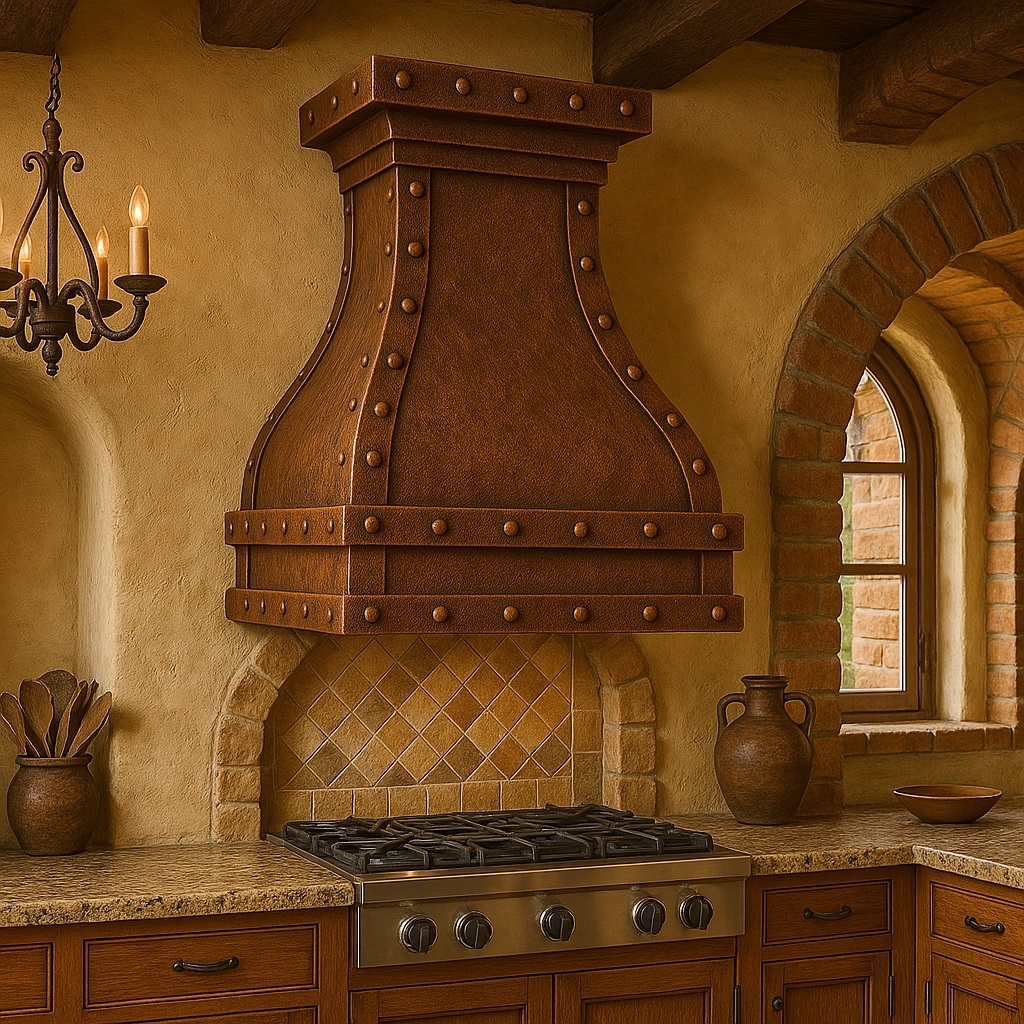
This article explores the origins, defining features, cultural impact, and modern applications of Spanish Mission style. Whether you’re a design enthusiast, homeowner, or history buff, you’ll discover how this aesthetic marries Old-World traditions with regional character to create something unique, warm, and deeply authentic.
Origins of Spanish Mission Style
The Spanish Mission style traces its roots to the early Catholic missions established in Mexico and what is now the southwestern United States—California, Arizona, Texas, and New Mexico. Spanish priests and settlers built churches, convents, and mission complexes that served as both religious centers and community hubs.
These structures drew inspiration from Spanish Colonial architecture, itself influenced by Roman, Moorish, and Mediterranean traditions. The practical constraints of frontier life also shaped the style: buildings needed to be durable, easy to construct with local materials, and suitable for hot, arid climates.
Key elements like adobe walls, clay tile roofs, and hand-hewn wooden beams reflected the fusion of European design with Indigenous building techniques. Over time, this architectural vocabulary became recognized as “Mission style” and later inspired revivals in the late 19th and early 20th centuries, particularly in California.
Defining Characteristics of Mission Architecture
Spanish Mission style is immediately recognizable thanks to its iconic details. While individual buildings and interiors vary, certain features consistently define the look:
- Stucco walls: White or earth-toned plastered walls provided insulation against heat while creating a smooth, elegant finish.
- Red clay tile roofs: Barrel-shaped terracotta tiles became synonymous with Mission buildings, adding warmth and durability.
- Arched openings: Rounded archways for windows, doors, and arcades reinforced the Romanesque roots of the style.
- Bell towers: Missions often featured campanarios—bell walls or towers that served both spiritual and community functions.
- Wooden beams: Exposed vigas or rafters created rustic character and structural strength.
- Courtyards: Central patios and cloisters emphasized community, shade, and outdoor living with stone fountains.
The simplicity and solidity of these elements made Mission style accessible, functional, and adaptable across regions.
Mission Style Interiors
Inside a Mission style home, the emphasis is on warmth, craftsmanship, and simplicity. Interiors avoid excessive ornamentation, instead celebrating honest materials and earthy tones.
- Flooring: Terracotta tiles, Saltillo pavers, or dark hardwood floors establish a grounding effect.
- Walls: White plaster or textured stucco walls offer a neutral backdrop for handcrafted furniture and art.
- Fireplaces: Large stucco or stone fireplaces with arched openings often serve as focal points.
- Ceilings: Exposed wooden beams emphasize rustic charm and architectural rhythm.
- Furniture: Mission furniture, often linked with the Arts and Crafts movement, is typically solid, rectilinear, and crafted from oak or walnut. Leather upholstery, hammered metal hardware, and hand-tooled accents are common.
Decorative Elements and Materials
Mission style décor extends beyond architecture into decorative arts. A few signature materials and motifs include:
- Wrought iron: Chandeliers and hacienda chandeliers, sconces, railings, and hardware often feature scrolling ironwork with a rustic matte finish.
- Ceramics: Hand-painted Talavera wall sconces and tiles adorn stair risers, fireplaces, and kitchen backsplashes.
- Textiles: Woven rugs, blankets, and cushions inspired by Indigenous and Spanish traditions add color and texture.
- Lighting: Rustic lanterns or rustic wall lighting cast warm, ambient light.
- Mirrors: Carved wood frames or wrought iron mirrors add depth and artisanal character.
Landscaping and Outdoor Living
Mission style extends naturally into landscaping and outdoor design. Courtyards, gardens, and verandas form integral parts of the lifestyle. Common features include:
- Fountains: Central cantera stone fountains provide both cooling and aesthetic appeal.
- Arched walkways: Cloister-like arcades create shaded circulation.
- Plantings: Olive trees, citrus groves, bougainvillea, and rosemary reflect Mediterranean influences.
- Outdoor furniture: Sturdy wooden benches, iron table stands, and terracotta pots reinforce rustic character.
Incorporating Mission Style Into Your Home
For homeowners inspired by the Mission look, incorporating elements does not require a full architectural transformation. Simple changes can capture its essence:
- Replace modern light fixtures with wrought iron chandeliers or hacienda chandeliers.
- Use Talavera tile or Talavera wall sconces as a backsplash or staircase accent.
- Incorporate terracotta planters and stone fountains outdoors.
- Choose Mission furniture pieces—like a solid oak dining table or carved wood mirrors—for timeless appeal.
- Install a kitchen centerpiece such as copper range hoods to add handcrafted warmth.
- Emphasize natural luxury with hammered copper bathtubs for spa-like bathrooms.
Conclusion
Spanish Mission style is more than just an architectural genre—it is a cultural bridge, a symbol of resilience, and a celebration of craftsmanship. From the adobe missions of California to the revival buildings of the early 20th century, its influence spans centuries. Today, Mission style remains beloved for its simplicity, authenticity, and timelessness.
Whether through architecture, furniture, or decorative accents, Mission design invites us to embrace natural materials, artisanal traditions, and spaces that feel both grounded and welcoming. In an era of fleeting trends, Spanish Mission style endures as a reminder that beauty often lies in simplicity, history, and connection to place.