 US Dollar
 Euro
Euro
 Australian Dollar
 Canadian Dollar
 Polish Zloty
 British Pound

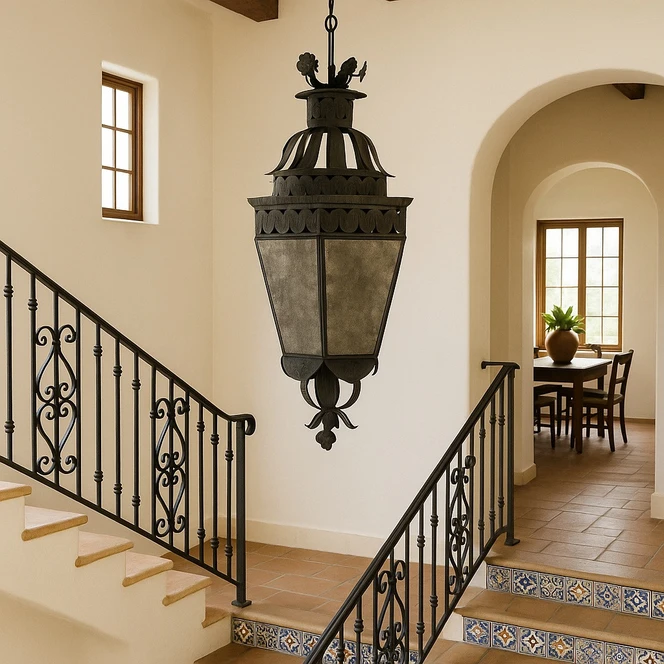
Rustic home decoration products bring warmth, authenticity, and timeless character into living spaces by celebrating natural materials, handcrafted details, and functional design. While many people associate rustic style with cabins and country homes, today's rustic interiors extend far beyond traditional settings. Rustic design can complement farmhouses, Mediterranean villas, urban lofts, Spanish Colonial homes, mountain retreats, and even contemporary residences. The key lies in selecting furnishings and decorative accents that emphasize craftsmanship, texture, and organic beauty. From artisan lighting and handcrafted furniture to copper accents and decorative ceramics, rustic home décor creates inviting spaces that feel comfortable, welcoming, and deeply connected to natural materials.

What Defines Rustic Home Decor?
Rustic design is often described as simple, natural, and unpretentious. Unlike highly polished or overly formal decorating styles, rustic interiors embrace imperfections and celebrate materials in their most authentic form.
The style relies heavily on natural textures such as wood, stone, clay, leather, and metal. These materials introduce warmth and visual depth while creating an atmosphere that feels relaxed and welcoming.
Modern interpretations of rustic design continue to evolve, incorporating influences from farmhouse, Mediterranean, industrial, Southwestern, and Hacienda-inspired interiors. Many homeowners begin exploring home improvement decoration products as a way to introduce handcrafted character into existing spaces.
Whether incorporated throughout an entire home or used selectively as decorative accents, rustic products help create interiors that feel genuine and lived-in.
Core Rustic Characteristics
- Natural Materials: Wood, stone, and metal
- Texture: Visible craftsmanship
- Simplicity: Uncomplicated design
- Warmth: Inviting atmosphere
- Authenticity: Handmade appeal
The Importance of Natural Materials
Natural materials form the foundation of rustic design. Wood with visible grain patterns, stone surfaces, forged metals, and handcrafted ceramics all contribute to the style's distinctive appearance.
Rather than hiding imperfections, rustic decorating embraces them. Reclaimed wood, weathered finishes, hand-forged iron, and naturally aged materials provide visual interest while emphasizing authenticity.
These same principles apply to outdoor spaces as well. Many homeowners incorporate veranda home decoration products that use stone, iron, wood, and handcrafted accents to extend rustic design beyond the interior.
The result is a cohesive aesthetic that feels connected to nature and traditional craftsmanship.
Handcrafted Decor and Artisan Craftsmanship
One of the defining qualities of rustic home decoration is the emphasis on handcrafted production. Artisan-made products bring individuality and character to a space while supporting traditional craftsmanship.
Handmade furniture, lighting, mirrors, pottery, and decorative accessories often feature subtle variations that make each piece unique. These differences contribute to the authenticity that many homeowners seek when creating rustic interiors.
Unlike mass-produced furnishings, handcrafted products tell a story through their materials, construction methods, and visible craftsmanship.
Even a few carefully selected artisan pieces can dramatically transform the atmosphere of a room.
Popular Handmade Elements
- Wood Furniture: Artisan craftsmanship
- Iron Decor: Forged details
- Ceramics: Hand-painted accents
- Lighting: Artisan fixtures
- Textiles: Woven textures
Rustic Lighting as a Design Feature
Lighting plays a major role in establishing the mood of a rustic interior. Decorative fixtures often serve as focal points while reinforcing the overall design theme.
Metal lanterns, wrought iron chandeliers, pendant lights, and handcrafted star lamps introduce warmth and architectural character. These fixtures work particularly well in dining rooms, living rooms, entryways, patios, and outdoor gathering spaces.
One popular example is the use of metal pendent lights, which combine handcrafted metalwork with decorative illumination to create an inviting atmosphere.
Lighting should complement surrounding materials while contributing to the layered, comfortable feeling that defines rustic interiors.
Creating Comfortable Living Spaces
Comfort is a fundamental aspect of rustic design. While aesthetics are important, rustic interiors are intended to feel welcoming and functional rather than formal or overly decorative.
Large dining tables, oversized sofas, comfortable chairs, and generous gathering spaces encourage relaxation and social interaction. The furniture often features natural materials and durable construction that reinforce the handcrafted character of the room.
Fireplaces frequently become central design elements because they introduce warmth, texture, and visual balance. Combined with wood beams, stone walls, and artisan furnishings, they help establish the inviting atmosphere associated with rustic living.
Every decorative choice should contribute to the overall sense of comfort and authenticity.
Essential Rustic Furnishings
- Dining Tables: Large gathering spaces
- Sofas: Comfortable seating
- Fireplaces: Architectural focal points
- Cabinets: Natural wood finishes
- Benches: Casual functionality
Using Copper in Rustic Interiors
Few materials capture the essence of rustic design as effectively as copper. Its warm tones, natural patina, and handcrafted appearance make it an ideal addition to kitchens, bathrooms, and living spaces.
Copper range hoods, sinks, bathtubs, and decorative accents introduce richness and depth while complementing wood, stone, and iron elements throughout the home.
The evolving character of copper allows it to age gracefully, reinforcing the rustic appreciation for materials that improve with time.
Many homeowners consider handcrafted copper fixtures among the most impactful investments they can make when creating a rustic interior.
Rustic Bathroom Design Ideas
Bathrooms provide excellent opportunities to incorporate handcrafted materials and decorative accents. Rustic bathrooms often combine natural stone, artisan ceramics, wrought iron, and warm metal finishes to create spa-like environments.
Adding a vintage mirror instantly introduces character while helping reflect light throughout the space. Decorative iron fixtures, handcrafted sinks, and artisan lighting further reinforce the design theme.
For homeowners seeking a dramatic focal point, a copper bathtub with clawfoot base offers exceptional visual impact and timeless elegance.
These elements work together to create bathrooms that feel luxurious while remaining rooted in traditional craftsmanship.
Rustic Bathroom Features
- Copper Tubs: Timeless elegance
- Vintage Mirrors: Decorative character
- Iron Fixtures: Artisan details
- Handmade Tile: Color and texture
- Wood Vanities: Natural warmth
Textiles and Decorative Accessories
While furniture and architectural elements establish the structure of a rustic interior, textiles and accessories provide softness and personality.
Woven baskets, handcrafted rugs, decorative pottery, linen fabrics, and artisan-made accessories introduce layers of texture while reinforcing the natural character of the space.
Many homeowners incorporate pieces sourced from local markets and artisan workshops to add individuality and cultural authenticity.
These smaller details often have a significant impact on the overall atmosphere while helping tie different design elements together.
Rustic Decor in Modern Homes
Rustic decorating is no longer limited to country homes and mountain cabins. Modern interiors increasingly incorporate handcrafted materials as a way to balance clean architectural lines with warmth and personality.
An urban loft, contemporary apartment, or newly constructed residence can benefit from carefully selected rustic accents. Handmade lighting, reclaimed wood furniture, artisan ceramics, and decorative metalwork help soften modern environments while adding visual depth.
Many homeowners successfully blend contemporary and rustic styles by introducing only a few carefully chosen statement pieces rather than fully committing to a traditional rustic design.
This approach creates interiors that feel both sophisticated and welcoming.
Entryways and First Impressions
Entryways set the tone for the rest of the home and provide an excellent opportunity to introduce rustic character. Decorative mirrors, handcrafted lighting, artisan furniture, and natural materials help create a welcoming first impression.
Thoughtfully selected decoration products for entry areas can establish the design direction immediately while creating a sense of warmth and hospitality.
Because entryways are often smaller spaces, even a few handcrafted elements can make a significant impact without overwhelming the area.
Simple, authentic materials remain the key to achieving a successful rustic aesthetic.
Conclusion
Rustic home decoration products offer a timeless way to create interiors that feel warm, authentic, and inviting. Through the use of natural materials, handcrafted furnishings, artisan lighting, copper accents, decorative ceramics, and comfortable furniture, homeowners can design spaces that celebrate craftsmanship while maintaining everyday functionality. Whether incorporated into a farmhouse, Mediterranean villa, urban loft, or contemporary residence, rustic décor brings character and individuality to every room. By focusing on authenticity, texture, and handmade beauty, rustic decorating creates homes that feel welcoming, comfortable, and enduringly stylish.