 US Dollar
 Euro
Euro
 Australian Dollar
 Canadian Dollar
 Polish Zloty
 British Pound


Rustic Handcrafted Lighting: Warmth and Charm in Inviting Spaces
Lighting is one of the most powerful elements for transforming an environment. Discover handcrafted rustic lighting with Rustic Illumination from Rustica House—artisanal fixtures that go beyond function to bring character, warmth, and visual delight to every corner.
Our collection spans hand-forged iron chandeliers, punched tin pendants, reclaimed wood sconces, and copper lanterns—each piece meticulously crafted by Mexican artisans who blend traditional techniques with modern sensibilities. Whether you’re designing a cozy reading nook, a grand dining hall, an alfresco patio, or an architecturally driven lobby, these fixtures infuse each space with a sense of history, texture, and hospitality.
With lead times of six to eight weeks, every fixture is made to order, allowing for size, finish, and detail customizations. This investment in artisanal quality ensures not only a unique aesthetic but also the durability to withstand daily life and the test of time.
Artisanal Craftsmanship & Materials
The Beauty of Handmade
The essence of rustic lighting lies in its aesthetic imperfection: the subtle variations in texture, color, and form that only the artisan’s hand can achieve. Unlike mass-produced pieces, these fixtures feature:
- Authentic textures. Every hammer blow and weld seam on hand-forged iron tells the story of its creation.
- Natural patinas. Copper and brass age elegantly, acquiring amber, verdigris, or soft bronze hues over time.
- Unique designs. From grand multi-tiered chandeliers to delicate wall sconces, each piece is the result of hours—sometimes days—of manual work and attention to detail.
These calculated imperfections lend a human touch, creating a cozy, enveloping atmosphere that invites long conversations, relaxed dining, and lingering evenings by lamplight.
Quality Materials
Rustica House sources premium materials to ensure both durability and visual appeal:
- Hand-Forged Iron – Crafted from wrought-iron bars heated to red-hot, bent into scrolls, and fused with traditional forge techniques, then treated with anti-rust sealers.
- Punched Tin – Sheets of tin are individually hand-punched with nails or punches to create intricate light patterns; finished with clear protective coatings for longevity.
- Reclaimed Wood – Salvaged beams or barn wood are planed, sanded, and treated to accentuate natural grain and knots, adding warmth and authenticity.
- Copper & Brass – Sheets of copper or brass are formed and aged in patina baths, then sealed, resulting in dynamic, rich surfaces that evolve with time.
- Artisanal Glass – Mouth-blown or hand-cut glass pendants and shades offer variations in thickness and bubbles, producing a soft, organic glow.
Historical Journey of Forged Iron in Decorative Lighting
Long before modern electricity, ancient civilizations used metal to craft lighting fixtures that combined function and artistry. In Egypt and Mesopotamia, simple bronze lamps wielded by priests in temple rites evolved into ornate metal standards, hinting at lighting’s spiritual and societal importance. The use of metal—particularly iron—and the aesthetic potential of its erosive patina planted the seeds for decorative lighting traditions across cultures.
During the Roman Empire, iron and brass lanterns became common fixtures in public forums and villas. Craftsmen introduced glass inserts to protect flames and began experimenting with repoussé and chasing, techniques that added relief patterns to surfaces. These innovations influenced Byzantine and early Medieval workshops, where bells, lanterns, and candle holders were fashioned for churches and monasteries, establishing lighting as a focal point in sacred spaces.
The Middle Ages saw the rise of the great Gothic cathedrals of France and England. Wrought-iron chandeliers—often circular or polygonal—hung in naves, suspending large clusters of candles. Blacksmiths forged intricate tracery reminiscent of window designs, marrying structural necessity with architectural resonance. These fixtures symbolized heavenly light, guiding worshippers’ eyes upward and setting a template for metal lighting as both functional and symbolic.
In the Renaissance and Baroque periods, decorative ironwork expanded in complexity. Italian and Spanish artisans developed grand chandeliers with branching arms and ornate finials, reflecting the opulence of palaces and churches. Iron, now alloyed for greater strength, allowed more daring designs—spirals, flutes, and acanthus leaves became standard motifs. Lighting fixtures became centerpieces at court banquets, theatrical performances, and public ceremonies.
When Spanish colonists arrived in the Americas, they brought these lighting traditions to New Spain. In Puebla and Michoacán, local artisans blended Moorish geometric patterns with Baroque ornamentation. Mission churches and haciendas incorporated iron sconces and chandeliers forged in communal workshops, featuring punched tin shades and simple but evocative scrolls—a precursor to Rustica House’s modern designs.
The 19th-century Arts and Crafts movement in England and the United States revived hand-forged lighting as a reaction to industrialization. Figures like William Morris championed craftsmanship over mass production. Blacksmiths and metalworkers created fixtures with visible hammer marks and honest materials—principles that resonate deeply in Rustic Illumination’s approach.
By the early 20th century, the rise of Art Nouveau and later Art Deco introduced new materials and styles. Steel and aluminum allowed sleeker profiles, while glass and enamel contrasted with dark metal. Although these trends moved lighting toward more polished aesthetics, the underlying appreciation for metal’s malleability endured.
The mid-century modern period briefly shifted lighting toward plastics and minimalist forms, but by the late 20th century, a rustic revival emerged. Designers and homeowners sought warmth and authenticity, rediscovering wrought iron, reclaimed wood, and artisanal glass. This revival laid the groundwork for today’s handcrafted lighting resurgence.
In the 21st century, a global appreciation for heritage techniques has propelled Rustic Illumination’s mission. Combining centuries-old forging methods with sustainable sourcing, Rustica House fixtures honor metalwork’s lineage while adapting to contemporary tastes—whether in an industrial loft, a farmhouse kitchen, or a Mediterranean courtyard.
Today, hand-forged iron lighting not only illuminates spaces but also connects us to a lineage of craftsmen stretching back millennia. Each fixture carries echoes of ancient temples, medieval cathedrals, colonial missions, and modern design studios, reminding us that light—like metal—can be both functional and deeply poetic.
Applications & Styling Tips
Kitchen & Dining
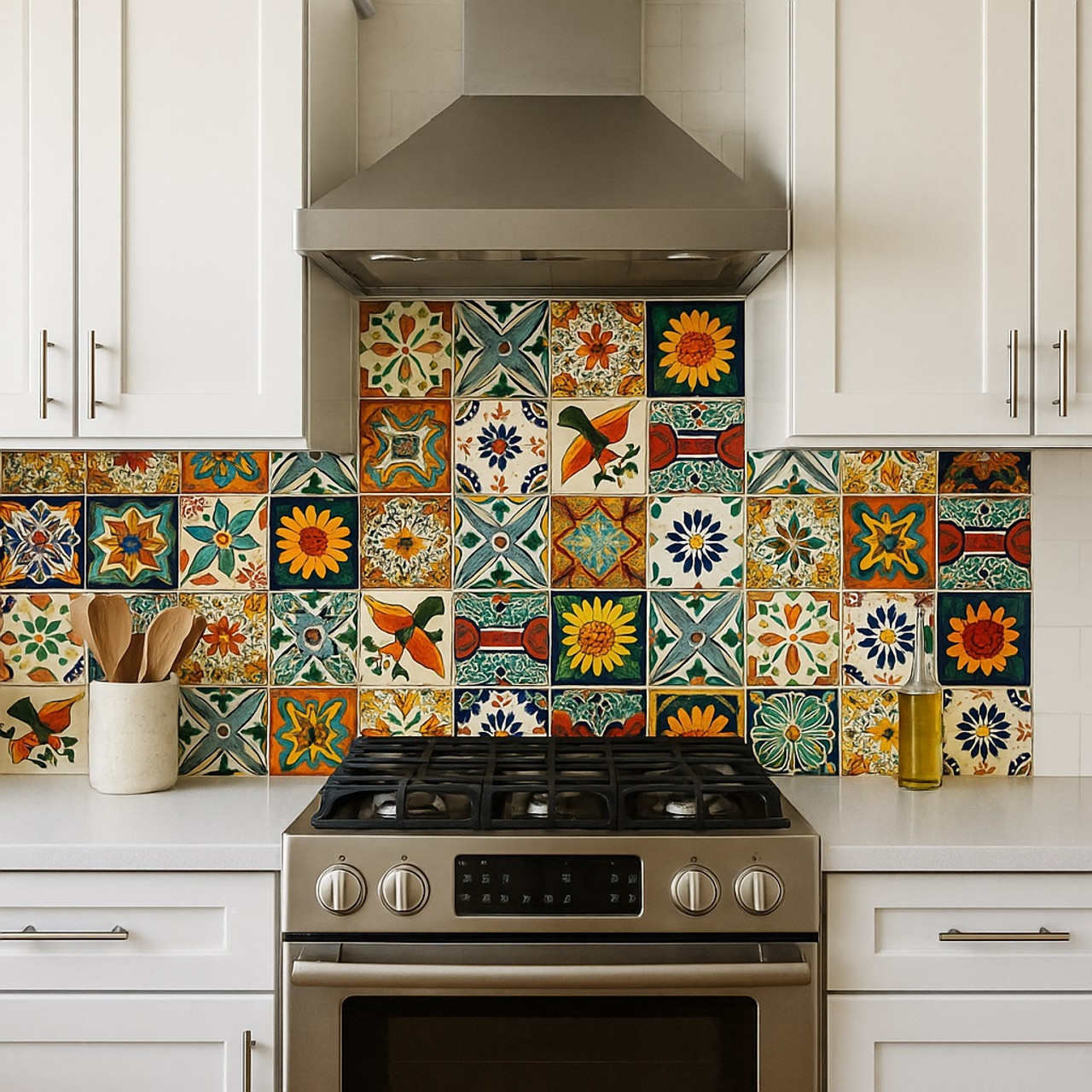
Pendant lights in punched tin or Talavera glass illuminate islands and tables, enhancing dish colors and creating an intimate ambiance. Adjust cords so that the lowest point hangs 70–90 cm above the surface, focusing light where needed without glare. Combine with under-cabinet LEDs to balance task and ambient lighting.
For large kitchen islands, consider clustering three pendants spaced evenly. Use mixed finishes—one copper, one brass, one tin—for an eclectic look that still feels cohesive through material harmony.
Living & Entryway

A wrought-iron chandelier with sweeping arms and ornamental motifs becomes the focal point of a foyer or living room. Select a diameter proportional to the room—typically one inch of fixture diameter for each foot of room width—and hang so the bottom is at least 7 ft above the floor. Pair with natural-fiber rugs, wooden coffee tables, and warm-toned leathers to complete a balanced, inviting scheme.
In loft spaces, a darker patina finish can anchor high ceilings, while lighter aged-white patinas work well in cozy, low-ceilinged dens. Dimmer switches add versatility for both task lighting and mood setting.
Bathroom & Vanity

Punched tin sconces on either side of a bathroom mirror cast delicate patterns of light and shadow. Install at eye level (about 1.6 m from the floor) to minimize glare. The interplay of light enhances artisanal tile backsplashes—consider textured or matte tile for contrast—and creates a rustic, spa-like retreat.
For humidity-prone bathrooms, choose fixtures with sealed fittings and brass components to resist corrosion. Pair with warm-white LED bulbs (2700–3000K) for flattering skin tones.
Patio & Garden

Weather-resistant outdoor lanterns with clear or patterned glass offer a gentle glow—ideal along walkways or on terrace tables for magical evenings. Choose fixtures with IP44 or higher ratings, and use LED filament bulbs for energy efficiency. Group lanterns in odd numbers to create visual rhythm, or suspend them at varying heights for a layered effect.
In pergolas, string small lanterns overhead to complement larger pendant fixtures. Incorporate motion sensors for added safety and convenience during late-night gatherings.
Commercial Spaces

In restaurants or event venues, a grand chandelier frames bars or halls with timeless elegance and functionality. Position centrally above seating areas or bars, ensuring adequate clearance (at least 2.1 m from floor). Combine with wall sconces to highlight architectural details and maintain balanced illumination throughout the space.
For commercial installations, consider coordinating finishes across multiple fixtures—pendants, sconces, and chandeliers—to reinforce brand identity and create a cohesive atmosphere.
The Art Behind Each Piece
- Initial Design. Hand-drawn sketches define shape, size, decorative motifs, and electrical requirements.
- Material Selection. Choice of metals, woods, and glass—often reclaimed to minimize environmental impact.
- Forging & Shaping. Iron bars are heated to red-hot and bent; tin sheets are hand-cut and individually punched; wood is planed and joined.
- Assembly & Finishing. Components are riveted or welded; glass shades and textile cords are installed; anti-rust sealers and varnishes applied.
- Electrical Testing. Each fixture is wired, socket tested, and grounded to meet safety standards before packaging.
This artisanal journey takes six to eight weeks, depending on design complexity, material availability, and custom requests.
Customization & Delivery
- Finishes: Patinas in rust, bronze, aged white, or natural tones.
- Sizes: From compact 25 cm pendants to grand chandeliers over 1 m wide.
- Colors: Talavera glass in vibrant hues or neutral laminates for minimalist spaces.
- Accessories: Decorative chains, textile cords, vintage-style sockets, and glass diffusers.
Lead Time: Handcrafted in Mexico; 6–8 weeks for U.S. delivery. Each fixture is carefully packaged with reinforced materials and insured transit to ensure safe arrival.
Key Benefits
- Cozy ambiance. Warm light from filament or warm-white LEDs enhances comfort and intimacy.
- Stylistic versatility. Integrates seamlessly with colonial, farmhouse, industrial, or contemporary décor.
- Durability. Premium metals and woods withstand daily use and outdoor exposure.
- Local craftsmanship. Made in Mexico, supporting fair-trade artisan communities.
- Customizable design. Adapt dimensions, patinas, and colors to match your vision.
Installation & Maintenance Tips
- Ensure a level base that supports hundreds of pounds.
- Use a GFCI-protected outlet and conceal plumbing/electrical connections.
- Drain and cover fixtures in freezing climates to prevent damage.
- Clean surfaces with a soft brush and mild detergent; avoid acids.
- Reseal metal and wood annually with recommended products.
For replacement glass, cords, or hardware, contact Rustica House—we maintain exact components for seamless repairs.
Conclusion: Illuminate Your World with Rustic Charm
Rustic handcrafted lighting is more than a fixture; it’s a functional work of art that bridges tradition and modernity. By choosing Rustica House for your lighting needs, you invest in durable materials, ethical craftsmanship, and warm, memorable atmospheres that endure for generations.
Explore our full Rustic Illumination Collection and receive personalized design guidance to brighten your spaces with authenticity and rustic style.