 US Dollar
 Euro
Euro
 Australian Dollar
 Canadian Dollar
 Polish Zloty
 British Pound

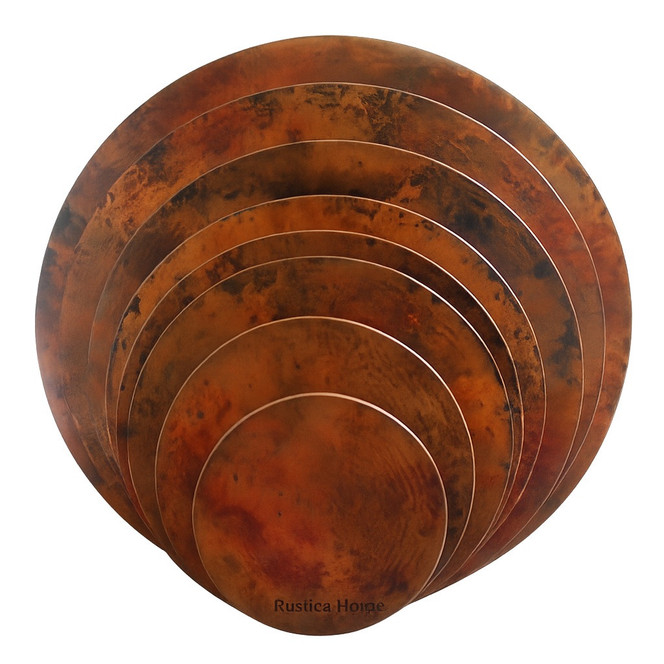
A round copper table top can change the feel of a room fast. It adds warmth, reflection, and artisan texture. It also needs the right size, base, and finish plan. This guide explains what to check before you buy the round copper table top, so the final setup looks balanced and works daily. You will learn how to choose diameter, match pedestal or legs, pick a patina, and maintain the surface with simple habits.
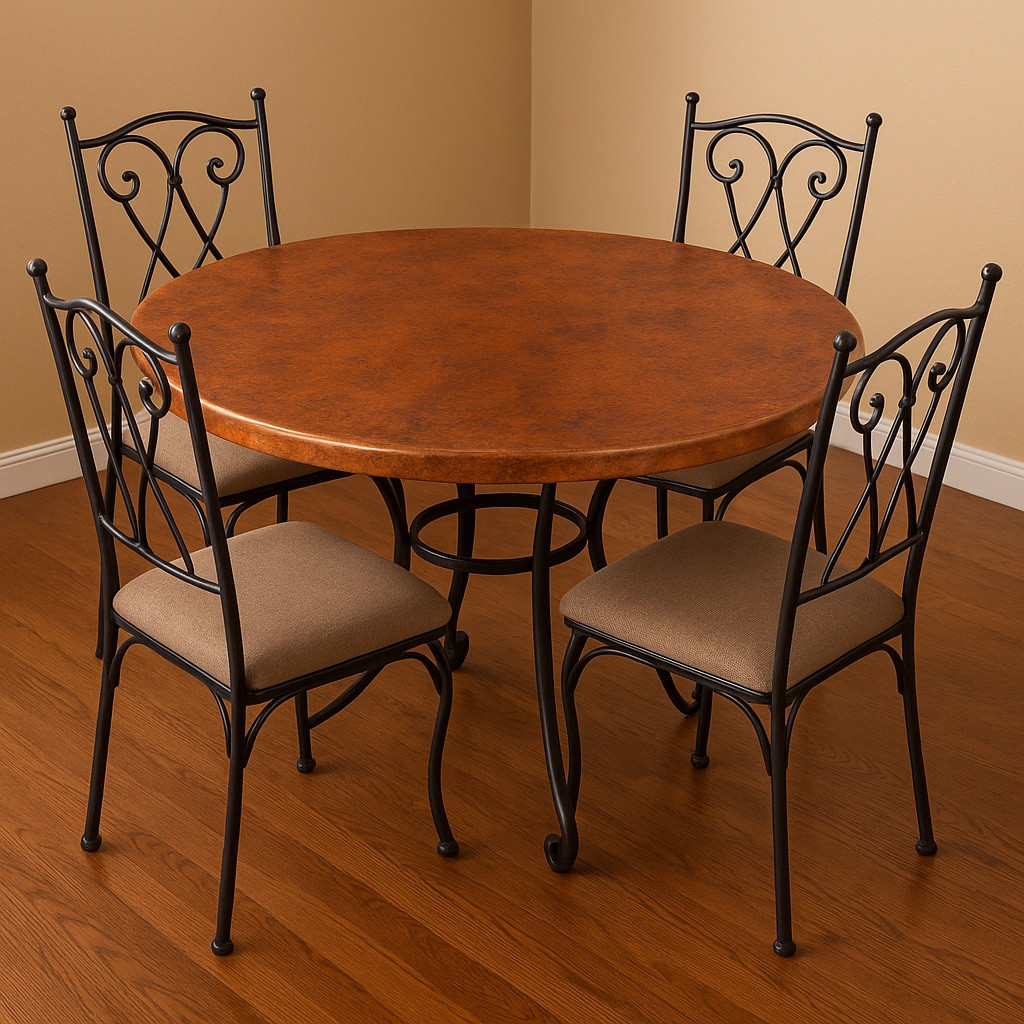
Why round copper tabletops work in real homes
Round tops make rooms feel open. There are no sharp corners. Circulation paths stay smoother. This is helpful in kitchens and breakfast nooks. It is also helpful in smaller dining rooms. Copper adds warmth that softens stone and wood.
Round shapes also make conversation easier. Everyone faces toward the center. A copper surface reflects light in a softer way than glass. It looks lively in daylight. It looks rich under warm evening lighting.
Start with the room, not the tabletop
Measure your usable floor area first. Then plan chair pullback space. A table that “fits” can still feel tight. The problem is usually clearance, not diameter. Keep walk paths comfortable around the circle.
Also consider what sits near the table. Doors, pantry swings, and islands matter. If the table lives in a kitchen, check traffic flow during meal prep. If the table lives in a dining room, check how serving pieces move.
How to choose the correct diameter
Diameter controls comfort and seating. It also controls how the top looks on the base. A round copper top should feel intentional, not oversized. It should also leave enough space for plates and serving bowls.
Use seating as the baseline
Two to four seats often work well on smaller diameters. Four to six seats need more breathing room. The goal is elbow comfort. The goal is also a center zone for shared dishes. If you often host, size up within your room limits.
Match diameter to the visual weight
Round copper surfaces have presence. Patina and hammering add depth. In a minimal room, that presence becomes the focal point. In a layered room, it becomes a supporting texture. Choose a diameter that matches your room’s style intensity.
Choose a base that supports a round top
Many issues come from base mismatch. A base can be too small. Or it can be too wide at the top. The right base gives knee room and stability. It also keeps the table from feeling top-heavy.
Pedestal bases create better chair comfort
Pedestals reduce leg interference. Chairs can slide anywhere around the circle. This is great for kitchens and casual dining. It is also great for tighter rooms. If you use a pedestal, confirm the top has proper support underneath.
Four leg bases must respect chair placement
Four legs can work well, but placement matters. Legs should not fight chair positions. If legs are near the perimeter, chairs feel constrained. If you choose a leg base, check the leg spread against your seating plan.
Decide where the table will be used
A kitchen table sees spills and quick wipe-downs. A dining table sees heat, serving dishes, and longer seating time. A breakfast nook may see daily routine and homework. Your use case should guide your finish choice.
If you want more options across categories, explore handcrafted tables and tabletops and compare how different builds fit different rooms.
Understand copper patina and finish options
Copper can look bright, warm, dark, or aged. Patina is a finish direction, not a flaw. It sets the color story of the room. It also affects how the surface hides marks and fingerprints.
If you want a deeper overview, review copper patina finish options and decide if your space needs warm glow, darker contrast, or a more antique tone.
Sealing and daily behavior
Many copper tabletops are sealed to protect the finish. A sealed surface makes daily care easier. It helps reduce staining from acidic foods. It also slows down rapid tone shifts. Even sealed copper benefits from gentle habits.
Use simple cleaning routines
Wipe with mild soap and water. Dry with a soft cloth. Avoid abrasive pads and harsh cleaners. Those can dull the surface and create uneven sheen. Use coasters and placemats if you want fewer marks.
Accept a living surface when you want character
Copper gains personality through use. Over time, it can deepen in tone and develop subtle variation. Many buyers like that evolving look. If you want a consistent surface, keep protection habits steady and avoid strong chemicals.
Buying for restaurants and bars
Commercial use needs durability planning. Chairs move more. Cleaning happens more often. The surface sees heavier wear. Copper works beautifully in hospitality, but the finish plan should match the traffic level.
If you are buying for hospitality, read restaurant and bar copper tabletops guidance and plan for routine cleaning that protects patina without stripping the surface.
Round copper tabletop design pairings
Copper pairs well with wood, iron, and stone. It also works with modern materials when the patina is controlled. A warm copper top looks great with darker woods. A lighter copper tone can brighten a room with white cabinetry.
If you want a full category view, browse copper table tops and compare round surfaces to other shapes and edge styles.
Round table styling options
Round tables look best with a centered focal piece. Keep it low so sightlines stay open. A simple bowl, a small vase, or a tray works well. Avoid tall decor that blocks conversation. Let the copper be the main visual.
If you want complete tables, not only tops, explore round and square copper tables and compare how bases change the overall character.
Dining room planning tips
Dining rooms benefit from comfort and proportion. If the table sits under a chandelier, align the center points. Keep a consistent border around the table for chairs. Copper looks especially rich under warm lighting, so consider bulb color and dimming.
For a full dining focus, review dining copper tables and compare room scale to tabletop diameter.
Match copper with zinc and mixed surfaces
Some spaces look best with mixed metals. Copper can be the warm anchor. Zinc can be the cooler balance. This is helpful in modern rustic interiors. It is also helpful in industrial spaces that need warmth.
If you are comparing materials, explore copper and zinc tabletops and decide which tone supports your cabinets, floors, and lighting.
Quick buying checklist
- Measure clearance: Plan walk paths
- Choose diameter: Match seating count
- Check base fit: Ensure knee room
- Pick a patina: Choose warm or dark
- Plan maintenance: Mild soap, soft cloth
- Use case: Home vs restaurant wear
Conclusion
A round copper table top is a functional surface and a design statement. The right choice comes from planning the room first, then selecting diameter, base compatibility, and patina that fits your style. When you match scale and finish to daily use, the table becomes easy to live with and better looking over time. Use the links above to compare categories, then choose a round copper top that feels balanced, durable, and unmistakably handcrafted.