 US Dollar
 Euro
Euro
 Australian Dollar
 Canadian Dollar
 Polish Zloty
 British Pound

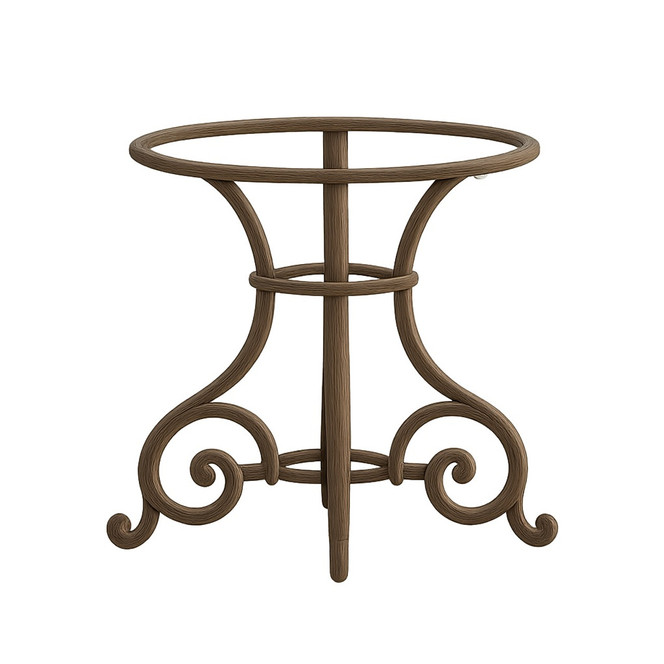
Wrought Iron Table Base: Where Artisan Craftsmanship Meets Lasting Elegance
A wrought iron table base is more than a structural element—it’s a sculptural centerpiece that embodies heritage, resilience, and style. The handcrafted model showcased here reflects centuries-old blacksmithing techniques reimagined for modern interiors. With sweeping arches, spiral scrollwork, and perfectly forged symmetry, this base is a timeless accent in traditional, rustic, and transitional homes.
Crafted by skilled artisans in Mexico, the base’s gracefully curved legs flare outward and end in elegant scrolls, balancing visual charm with functional integrity. Two circular rings—one at mid-level and one near the base—bind the legs, adding geometric harmony and superior strength. The welded upper ring supports a glass tabletop, distributing weight evenly while preserving visual lightness. Its rich rust-tone patina adds depth and warmth, allowing the base to blend beautifully into a range of interior styles.
The History of Wrought Iron in Furniture Design
Wrought iron has a long and fascinating history that stretches back thousands of years. The term "wrought" comes from the past participle of the word "work," meaning that wrought iron is literally "worked iron"—hammered, twisted, and shaped by hand. Its origins can be traced as far back as the Iron Age, when early civilizations began using iron to create tools, weapons, and simple structures. But it wasn’t until the Middle Ages that wrought iron began to appear in architecture and furniture in more ornamental forms.
In medieval Europe, wrought iron was primarily used for gates, hinges, and grilles—functional items that required strength and durability. However, as blacksmithing techniques improved and iron became more widely available, artisans began incorporating it into decorative elements. The Gothic period saw the rise of intricate iron tracery in cathedral windows and decorative screens. During the Renaissance, ironwork became more refined, often featuring scrolls, floral motifs, and symmetrical patterns that mirrored the aesthetics of classical art and architecture.
By the 17th and 18th centuries, wrought iron had established itself as a staple in aristocratic homes across Europe. In France, it was often used for ornate balcony railings, staircase bannisters, and garden furniture. Spanish colonial influence brought elaborate ironwork to the Americas, where it blended with local materials and styles to form a unique regional expression—especially in places like Mexico and the American Southwest.
In furniture design, wrought iron began to gain popularity in the 19th century as part of the Victorian fascination with ornamental craftsmanship. Coffee tables, bed frames, and garden benches were increasingly crafted with scrolls and curves that only wrought iron could achieve through the skill of a master blacksmith. The Industrial Revolution made it easier to mass-produce iron, but handcrafted wrought iron pieces retained their value and appeal due to their superior detail and strength.
During the Arts and Crafts movement in the late 19th and early 20th centuries, there was a renewed emphasis on handmade, artisan-quality goods. Wrought iron was celebrated for its honest materials and traditional techniques. Designers and blacksmiths collaborated to create pieces that were both beautiful and functional, rejecting the soulless repetition of industrial manufacturing.
Today, wrought iron remains a symbol of craftsmanship and timeless design. Although modern materials like aluminum and stainless steel are more commonly used in mass-produced furniture, wrought iron continues to appeal to homeowners and designers who value authenticity, durability, and visual impact. In Mexico, especially in regions like Michoacán, the tradition of forging iron by hand is still alive and thriving, passed down through generations of skilled artisans.
Whether in the form of a decorative table base, a garden gate, or a chandelier, wrought iron represents a link to the past—an art form forged in fire, shaped by hand, and cherished for its lasting beauty and integrity.
Table Base Specifications
- Shape: Round or Square
- Finishes: Natural Rust or Black Iron
- Diameter/Width Options:
- 16" (40 cm)
- 24" (60 cm)
- 28" (70 cm)
- 30" (76 cm)
- 36" (90 cm)
- 40" (100 cm)
- 48" (120 cm)
- Heights:
- 14" (35 cm) – Coffee Table
- 29" (73 cm) – Dining Table
- 40" (100 cm) – Bar Table
- Finish Options: Dark Rust, Black Iron, or Custom
- Handcrafted in Mexico
- Production and delivery time: Approx. 8 weeks
Room Styles That Elevate with Iron
Spanish Revival Dining Room
Terracotta floors, rounded arches, and wood beams set a romantic tone. A rust-toned wrought iron base fits seamlessly, echoing the Mediterranean charm and enhancing the old-world ambiance.
Hacienda Style Kitchen
Plaster walls and rustic cabinetry come to life with the presence of forged iron. The scrollwork of the base pairs beautifully with exposed wood textures and traditional hand-painted tiles.
Transitional Dining Room
In a space where neutral palettes and soft curves define the layout, a black iron base provides just enough contrast and weight. Pair with a light wood or glass top to maintain balance and sophistication.
Pueblo Revival Kitchen
Inspired by the Southwest, this style calls for adobe walls, clay tiles, and native textures. The iron base’s patina resonates with the earthy tones, adding both structural and stylistic grounding.
Modern Kitchen Setting
Sleek appliances and minimal cabinetry are instantly warmed by rustic iron accents. A glass-top table with this base introduces character without overwhelming the space.
Why Choose a Hand-Forged Iron Base?
When it comes to furniture, the difference between mass-produced and artisan-made is striking—both in quality and aesthetic value. Here’s why this handcrafted base is a worthwhile investment:
- Exceptional durability: Wrought iron withstands time, weight, and movement with minimal wear.
- Timeless design: The scrollwork and arches transcend trends, fitting various interiors over decades.
- Unique character: Each base is slightly different due to the artisan’s hand, making your table truly one of a kind.
- Customizable: From finishes to size and shape, this base adapts to your design vision.
- Sustainable production: Low-impact methods and long lifespan make it a smart eco-conscious choice.
Glass, Wood, or Stone: Tabletop Pairing Ideas
Thanks to its structural strength and elegant form, this wrought iron base pairs wonderfully with various materials:
- Glass tops: Highlight the scrollwork and allow the base to remain the visual focal point.
- Wood tops: Add warmth and rustic texture—ideal for hacienda or farmhouse themes.
- Stone tops: Create a luxurious look with marble or granite while relying on the base’s stability.
Care & Maintenance Tips
Keeping your iron base in top shape is simple with a few care routines:
- Dust regularly with a soft, dry cloth.
- Avoid excessive moisture or humidity, especially in coastal homes.
- For rust-finish bases, apply a light coat of clear wax annually to preserve patina.
- Do not use abrasive cleaners or pads that may scratch the surface.
Support Heritage Craftsmanship
Purchasing this wrought iron base not only enhances your home—it supports the continuation of centuries-old metalworking traditions. Each piece is hand-forged in Mexico using ancestral techniques passed down through generations. From forging to welding to finishing, every stage is performed with care, precision, and pride.
In an era of disposable furniture, choosing a hand-crafted iron base is a meaningful step toward more sustainable and intentional living. Whether it becomes your dining room centerpiece or an accent table in your reading nook, it will hold stories, memories, and beauty for generations.
Bring Artisanal Ironwork to Your Home
If you’re looking for a table base that merges strength, elegance, and timeless design, this forged iron piece is an impeccable choice. With customizable finishes and sizes, it adapts seamlessly to your space and vision. To explore more handcrafted furniture and design tips, visit our artisanal home décor inspiration guide.
Conclusion
A wrought iron table base brings enduring elegance and functionality into your space—whether styled in a rustic hacienda, a modern kitchen, or a transitional dining room. Its handcrafted beauty, historical roots, and lasting quality make it a worthy investment for anyone who appreciates heritage and design. Explore the full product details on our Wrought Iron Table Base product page, or contact our team to discuss custom sizes, finishes, or design advice. Your journey to timeless artisan furniture begins here.