 US Dollar
 Euro
Euro
 Australian Dollar
 Canadian Dollar
 Polish Zloty
 British Pound

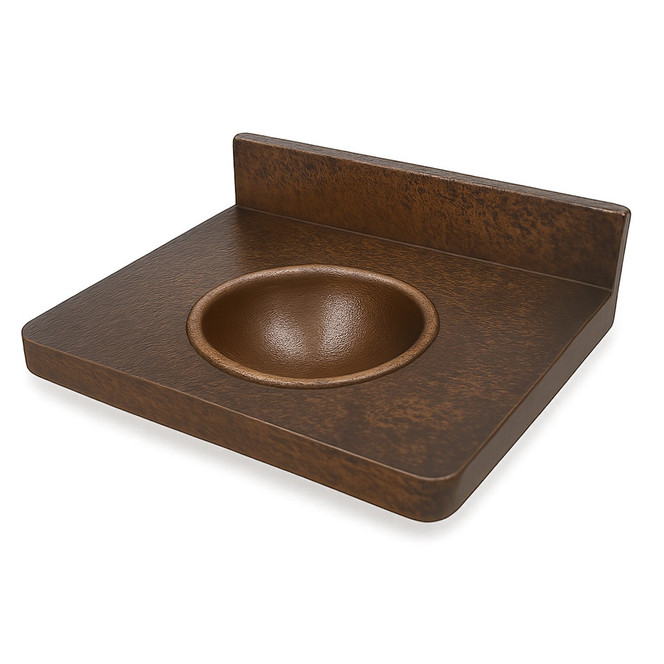
Copper Sink Countertop Bathroom Vanity
The Copper Sink Countertop Bathroom Vanity is a stunning fusion of artisan metalwork and functional bathroom design. Handmade using pure copper, each vanity celebrates warmth, durability, and individuality. Ideal for rustic, bohemian, or Spanish Colonial interiors, these vanities offer not only a practical solution but also a design centerpiece. The copper’s natural patina evolves over time, creating unique beauty with every use. Whether installed in a compact guest bath or luxurious master suite, this sink vanity combines craftsmanship and heritage, offering timeless elegance with modern comfort. Explore its versatility through a range of inspiring real-life installations below.
Eclectic Bohemian Style
This Copper Sink Countertop Bathroom Vanity brings eclectic bohemian charm to life with vibrant textures and bold contrasts. Surrounded by colorful tiles, earthy walls, and natural wood accents, the hammered copper basin glows with artisan warmth. The vanity anchors the space, blending handcrafted tradition with playful design. This bathroom highlights the balance of rustic metal and free-spirited decor, where every detail tells a story. The copper sink not only enhances the space with its shine but also introduces a tactile element that speaks of authenticity. It's a perfect example of functional art thriving in a creative interior.

Modern Minimalism with Copper Accents
Set in a sleek and modern bathroom, this copper sink vanity proves how artisan materials elevate contemporary design. The hammered copper contrasts with clean lines and white surfaces, adding texture and character to the minimalist environment. Its rich tone warms the space, while the countertop provides a durable, water-resistant surface. This photo showcases how copper can complement simplicity, turning a functional element into the room’s artistic focal point. The vanity blends rustic roots with refined form, ideal for homeowners looking to infuse personality into modern aesthetics while retaining a clean, uncluttered look that feels balanced and welcoming.

Spanish Colonial Elegance
In this setting, the copper sink countertop vanity embodies Spanish Colonial charm. The intricate ironwork, terracotta flooring, and textured walls create an old-world atmosphere, enriched by the deep tones of the hand-hammered copper. The vanity's organic patina complements the architectural warmth of the space, uniting heritage craftsmanship with colonial grace. This image captures how copper sinks enhance historic styles with their timeless allure. Perfect for hacienda bathrooms or heritage-inspired homes, this installation illustrates how authentic materials transform a space into a sanctuary filled with texture, warmth, and artisanal soul that echoes centuries of design tradition.

Southwestern Dual Sink Vanity
This two-copper sink bathroom vanity makes a bold statement in a Southwestern-style interior. The twin hammered basins are framed by richly colored walls, rustic wood, and desert-toned decor. Practical for shared spaces, the double sink offers convenience without sacrificing style. The copper’s natural sheen contrasts beautifully with earthy textures, echoing the warmth and rugged elegance of the Southwest. This bathroom reflects a connection to nature and artisanal heritage, showing how handcrafted materials like copper can ground the space while adding artistic expression. It’s both a workhorse and a design centerpiece in any rustic or desert-inspired home.

The History of Countertops: From Stone Slabs to Artisan Statements
Countertops, also known as work surfaces or benchtops, have a long and fascinating history that reflects the evolution of domestic architecture, craftsmanship, and cultural values. What began as basic functional surfaces for food preparation has transformed into one of the most expressive and personalized features of kitchens and bathrooms around the world.
In ancient times, countertops were often just large stone slabs set atop rudimentary supports. In places like Mesopotamia, Egypt, and early Rome, stone, clay, or wood surfaces were used in rudimentary food preparation areas, especially in wealthier households or communal kitchens. These were not always elevated but served as horizontal surfaces for grinding, mixing, and serving. The materials were chosen for their availability and durability, not for aesthetic value.
By the Middle Ages in Europe, as home kitchens began to evolve, wood became the dominant material for countertops. Oak, maple, and walnut were commonly used, shaped and smoothed by hand. These early countertops were often part of freestanding furniture or stone hearths. They had a rough, utilitarian look and were meant for heavy use rather than decoration. In rural regions, these countertops doubled as cutting boards, prep surfaces, and even drying areas for herbs and textiles.
It wasn’t until the 19th century that countertops started to reflect more stylistic preferences. With the rise of industrialization and the availability of new materials, stone countertops such as marble and granite entered affluent homes. These were prized for their luxurious appearance, cool touch, and resistance to heat and stains. In Victorian homes, decorative tile countertops also gained popularity, especially in bathrooms and sculleries, featuring ornate patterns and glazed finishes for easier cleaning.
The 20th century saw a revolution in countertop materials and design. The introduction of laminate (especially Formica in the 1920s and 30s) made countertops more affordable and colorful. Post-war housing booms in the U.S. and Europe made built-in cabinetry with fitted countertops the standard. Stainless steel, terrazzo, linoleum, and later solid-surface materials like Corian offered more options for modern, hygienic, and stylish surfaces.
By the 1980s and 90s, granite re-emerged as a luxury option, followed by engineered quartz and recycled glass surfaces. The focus shifted toward not only durability but also visual impact. Homeowners began choosing countertops as a key decorative element, often coordinated with backsplashes, sinks, and flooring. Open kitchen layouts and designer bathrooms emphasized countertops as both functional zones and stylistic statements.
In recent decades, artisan-made countertops have seen a resurgence. Materials like copper, concrete, reclaimed wood, and even zinc have gained traction for their tactile beauty and handcrafted character. Copper countertops, like those used in bathroom vanities, bring an aged warmth and organic texture that evolves over time. They’re especially prized in rustic, Spanish Colonial, or bohemian interiors for their blend of utility and visual storytelling.
Today, countertops continue to be one of the most carefully chosen features in home design. With advances in fabrication, custom finishes, and sustainable sourcing, homeowners can choose from a wide array of options—each telling a story of tradition, innovation, and personal taste. Whether it’s a hand-hammered copper vanity in a hacienda-style bathroom or a sleek quartz island in a modern kitchen, countertops reflect how far we’ve come from simple stone slabs to handcrafted artistry.
Explore more or request your custom vanity on our copper sink countertop bathroom vanity product page, or request a custom vanity consultation for design assistance.