 US Dollar
 Euro
Euro
 Australian Dollar
 Canadian Dollar
 Polish Zloty
 British Pound

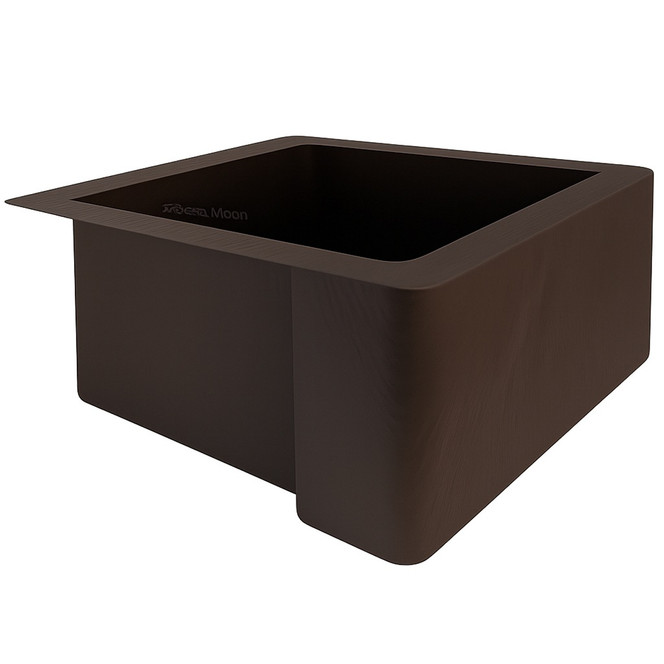
Handcrafted Copper Apron Sink – Single Bowl Design
This copper apron single bowl kitchen sink blends minimalist geometry with old-world materials, showcasing the refined workmanship of Mexican metal artisans. Its gently rounded apron and seamless corners strike a balance between functionality and heritage design. The matte oil-rubbed finish offers warmth and depth without drawing excessive attention, making it ideal for kitchens where natural textures and handcrafted quality are emphasized. Perfect as a single-bowl copper farmhouse sink, rustic apron-front kitchen sink, or hand-hammered copper apron sink, it becomes a timeless centerpiece in transitional and traditional interiors alike.
Copper Sink Specifications
- Small: 28″ × 20″ × 9″ (71 × 51 × 23 cm)
- Standard: 33″ × 22″ × 9″ (84 × 56 × 23 cm)
- Large: 36″ × 22″ × 9″ (91 × 56 × 23 cm)
- Extra-Large: 40″ × 22″ × 9″ (101 × 56 × 23 cm)
- Lip Width: 1½″ for drop-in install
- Material: Hand-hammered 12-gauge copper
- Finish: Coffee patina or custom patina shades
- Install: Drop-in or undermount
- Drain: US standard size
- Features: Single basin for uninterrupted workspace; rounded apron with seamless edge fold
Sink Styling for Any Kitchen
- Transitional farmhouse cabinetry
- Spanish Colonial tilework
- Tuscan Revival textures
- Rustic or modern-rustic kitchens
- Southwestern Adobe with textured walls
- Eclectic interiors blending old & new
- Contemporary rustic with matte finishes
- Minimalist settings needing warm texture
How Copper Sinks Are Made
Each copper apron single-bowl kitchen sink is meticulously handcrafted in Santa Clara del Cobre, Mexico. Artisans cut and shape thick-gauge copper sheets using traditional methods passed down over generations. The apron is folded and joined seamlessly, then lightly hammered or brushed to achieve a uniform finish. Through heat oxidation or controlled patina treatments, the matte oil-rubbed bronze color emerges with subtle reddish undertones. This artisanal process ensures durability and character not found in mass-produced sinks.
Installing Your Farmhouse Copper Sink
For drop-in installation, ensure the cabinetry opening matches the sink dimensions and provides at least 1½″ of lip support all around. For undermount, pair the sink with a solid surface countertop—such as granite, quartz, or concrete—that can be precisely routed to the sink’s outer profile. Secure with copper-safe mounting clips and a silicone sealant suitable for metal. Be mindful of proper slope toward the drain to ensure complete water evacuation.
Shipping & Returns
All of our copper sinks are shipped directly from our artisan workshop in Mexico. Delivery times vary based on customization and location; estimated lead time is 6–8 weeks. Returns are accepted for manufacturing defects only—contact us within 7 days of delivery for assistance.
The History of Kitchen Sinks
The concept of a dedicated basin for cleansing dates back to ancient civilizations. Early Mesopotamians and Egyptians used stone and ceramic bowls for washing hands and small vessels. As plumbing evolved, medieval European monasteries and castles featured rudimentary lead or copper tubs in communal washrooms. It wasn’t until the Industrial Revolution that sinks resembling today’s form began to appear—cast-iron enameled tubs installed in kitchens and sculleries of affluent households.
In the 20th century, indoor plumbing and municipal water supplies transformed kitchen design. Porcelain-coated cast-iron sinks became standard in middle-class homes, combining functionality with easy cleaning. Double-basin models emerged, allowing simultaneous washing and rinsing. Mid-century modernism introduced stainless steel sinks, prized for corrosion resistance and sleek appearance. Manufacturers perfected pressing and forming techniques, enabling seamless sinks with integral drainboards.
Throughout these developments, handcrafted metal sinks remained a luxury niche. Copper, in particular, found favor in upscale kitchens for its antimicrobial properties and warm aesthetic. Artisanal workshops continued producing copper vessel and apron-front sinks, celebrating traditional metalworking. Today’s kitchen sinks blend these historical influences: vessel bowls echo ancient washbasins, apron-front designs recall farmhouse practicality, and under-mount installations reflect modern minimalism.
The Heritage of Santa Clara del Cobre
Santa Clara del Cobre, nestled in Michoacán, Mexico, has been a copperworking center since pre-Hispanic times. The Purépecha people mined native copper to craft tools and ornaments. After Spanish colonization, local artisans combined indigenous techniques with European smelting and hammering methods. By the 17th century, the town’s workshops gained renown throughout New Spain for hand-hammered wares. Generations of families sustained the craft, forging bathtubs, cookware, and sinks by hand. Today, these workshops preserve centuries-old processes—wood-fired kilns, wooden stakes, and hand mallets—ensuring each piece bears the unique signature of its maker.
Global interest in handmade goods has revitalized Santa Clara’s copper industry. Artisans showcase work in galleries and online, offering custom commissions worldwide. Cultural preservation efforts and UNESCO recognition support apprenticeships and festivals, safeguarding the town’s heritage. Each handcrafted sink carries forward a legacy of community, sustainability, and artisanal pride.
Copper as a Decorative Element
Copper’s decorative history spans ancient to modern times. Early Egyptians and Mesopotamians adorned temples and palaces with copper vessels and panels. Greek and Roman architecture featured copper roofing and reliefs. Medieval craftsmen used repoussé and patination to embellish cathedrals and castles with copper doors and altars. The verdigris patina became a symbol of age and elegance.
During the Renaissance and Baroque eras, copper interior panels and chandeliers added warmth to grand spaces. Spanish colonial architecture in the Americas incorporated copper lanterns, tile inlays, and plumbing fixtures. Today, copper remains a designer favorite for countertops, lighting, hardware, and sinks. Its natural patina evolves over time, creating living surfaces that enrich interiors with texture and warmth. Combining copper with wood, stone, and glass yields layered, inviting spaces that celebrate craftsmanship.
Conclusion
Elevate your kitchen with the enduring beauty and artisanal heritage of our Handcrafted Copper Apron Sink. Its heirloom construction, warm patina, and seamless design create a functional work of art that will enrich your home for generations. To learn more or place your order, visit our Copper Apron Single Bowl Sink product page or contact us directly.